For decades, the prevailing scientific consensus posited that compulsive behaviors arise from an ingrained "habit loop," a neural pathway so deeply etched that it eclipses an individual’s capacity for self-regulation. However, groundbreaking research conducted with rodent models at the University of Technology Sydney (UTS) suggests this narrative may be significantly incomplete, pointing towards a more intricate interplay of biological factors. This new perspective has the potential to reshape our understanding of conditions ranging from obsessive-compulsive disorder (OCD) and substance use disorders to gambling addiction, afflictions that collectively impact millions globally. These disorders are characterized by the persistent repetition of actions, even when those actions demonstrably lead to detrimental consequences, a hallmark that has long puzzled researchers.
The fundamental architecture of habit formation and conscious control within the brain is designed to optimize cognitive resources. Behavioral neuroscientist Dr. Laura Bradfield, a senior figure in this research, elucidated this principle by explaining that habits function as an essential autopilot system for mundane, recurring tasks. This allows the brain to conserve valuable mental energy, diverting it from routine actions like navigating a familiar commute or performing daily hygiene rituals, thereby freeing up cognitive bandwidth for more complex thought processes and novel challenges. The system is elegantly balanced; when confronted with an unexpected or critical situation, such as a sudden pedestrian appearing on a roadway, the brain seamlessly transitions from automatic pilot to heightened conscious awareness. This shift involves a deliberate reassertion of executive control, a thorough assessment of potential ramifications, and a nuanced adjustment of behavior in response to the evolving circumstances.
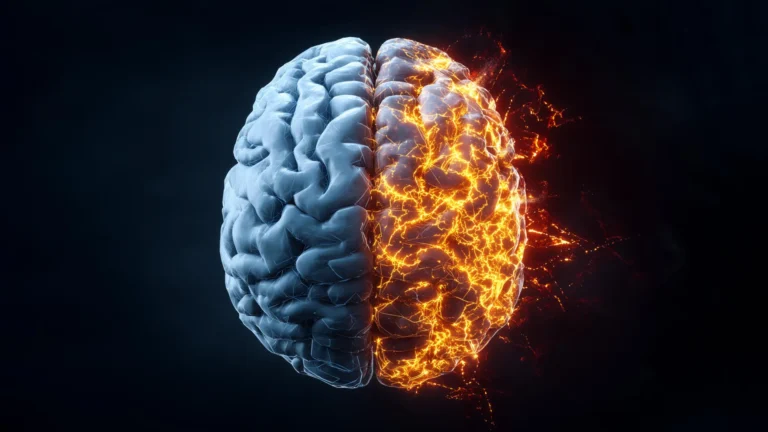
Within the context of compulsive disorders, the traditional hypothesis framed these repetitive actions as hyper-developed habits. Under this interpretation, the behavior operates with such automaticity that individuals find it exceedingly difficult to disengage or exert higher-order cognitive oversight. This perspective gained traction partly due to neuroimaging studies that consistently revealed heightened inflammatory markers within the striatum, a critical brain region integral to action selection and the execution of learned behaviors. This observation prompted the research team to investigate whether artificially inducing inflammation within this specific brain area in laboratory rats could indeed precipitate an increase in habitual behavior.
However, the experimental outcomes yielded a surprising deviation from these established expectations. The study, spearheaded by Dr. Arvie Abiero during his doctoral research at UTS and recently published in the esteemed journal Neuropsychopharmacology, meticulously analyzed how rats acquire new behaviors and modulate their responses. When inflammation was deliberately introduced into the striatum of the test subjects, the results were counterintuitive. Instead of exhibiting a greater propensity for automatic, habit-driven actions, the rats demonstrated a marked increase in deliberate and effortful decision-making processes. Dr. Bradfield elaborated on this unexpected finding, stating that the animals displayed more goal-directed behaviors, actively adapting their actions based on the consequences they encountered, even in scenarios where habit formation would typically dictate a more automatic response.
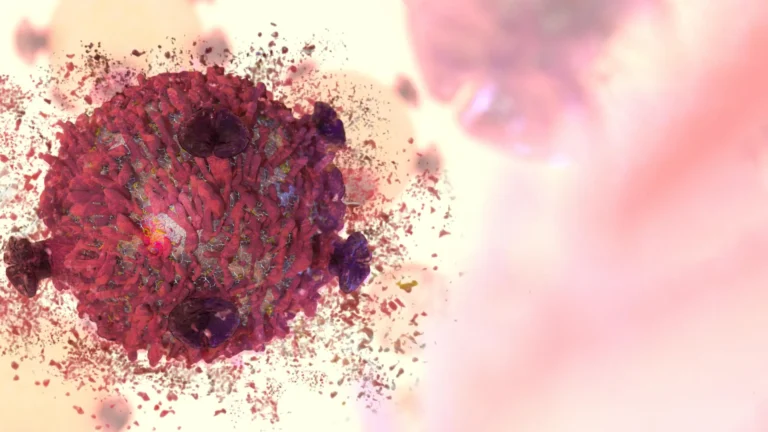
Delving deeper into the cellular mechanisms underlying these behavioral shifts, the research team identified astrocytes as key players in this inflammatory cascade. These star-shaped glial cells, traditionally understood as supportive elements for neurons, appear to undergo significant changes during neuroinflammation. The study revealed that in the presence of inflammation, astrocytes proliferated and, in doing so, disrupted the intricate neural circuits responsible for governing movement and decision-making. This disruption, rather than fostering a loss of control via runaway habits, suggests a potential overactivity of deliberately controlled, albeit perhaps misdirected, executive functions.
These findings carry profound implications for the clinical management and theoretical understanding of compulsive disorders. The traditional view that these conditions stem solely from a deficit in self-control due to overpowering habits may need significant revision. It is now plausible that a considerable portion of compulsive behaviors could be driven by an excessive, albeit misguided, application of conscious deliberation. This reframing offers a novel explanatory framework for behaviors that have historically resisted categorization within the habit hypothesis. For instance, an individual who compulsively washes their hands due to germ phobia is not necessarily acting thoughtlessly; rather, they may be consciously investing significant mental effort into a behavior driven by their anxieties.
The research team proposes that this paradigm shift could pave the way for entirely new therapeutic avenues. Medications specifically targeting astrocytes or interventions designed to mitigate neuroinflammation could offer promising new treatment options. Beyond pharmacological approaches, broader anti-inflammatory strategies, such as regular physical activity and optimized sleep hygiene, may also play a crucial supportive role in managing these complex conditions. The study’s findings challenge the long-held assumptions about compulsive behavior, suggesting that instead of a simple loss of self-control, these disorders might involve a complex interplay between inflammation, glial cell function, and executive control systems, opening up exciting possibilities for more effective interventions and a deeper understanding of the human mind.
About the Author