The intricate process by which the human brain constructs a consistent and unwavering sense of bodily self, distinguishing internal sensations from external stimuli, has been illuminated by groundbreaking research from the Karolinska Institutet. Published in the esteemed journal Nature Communications, this study delves into the crucial role of rhythmic electrical activity within the brain, specifically alpha oscillations, in shaping our fundamental experience of embodiment. This neurological phenomenon acts as a sophisticated internal clock, meticulously integrating multisensory information to ensure that our physical form is perceived as an integral part of our identity, rather than an extraneous element of the external world. The findings offer profound new perspectives on how the brain achieves this remarkable feat of sensory synthesis and have significant implications for understanding disruptions in self-perception and for advancing technologies like prosthetics and virtual reality.
At its core, the sensation of owning one’s limbs, a feeling that appears almost instinctual, is the result of a complex and continuous neural computation. The brain is perpetually engaged in the demanding task of evaluating incoming sensory data, a process essential for maintaining the integrity of self-representation. This continuous analysis allows the mind to draw a clear, albeit dynamic, boundary between what constitutes the self and what originates from the environment. Without these precise neural mechanisms, the very foundation of our personal identity would be compromised, leading to a disorienting disconnect between our internal experience and our physical form.
To unravel the neurobiological underpinnings of this bodily self-awareness, a team of investigators at the Karolinska Institutet orchestrated a series of meticulously designed experiments. Their methodology integrated behavioral assessments, electroencephalography (EEG) for capturing brain activity, targeted brain stimulation techniques, and sophisticated computational modeling. A cohort of 106 individuals participated in this comprehensive investigation, which specifically aimed to elucidate how the brain harmonizes visual and tactile information to cultivate the subjective experience of body ownership. This fusion of sensory inputs is fundamental to our conviction that a particular body part is indeed our own, a process colloquially referred to as the sense of body ownership.
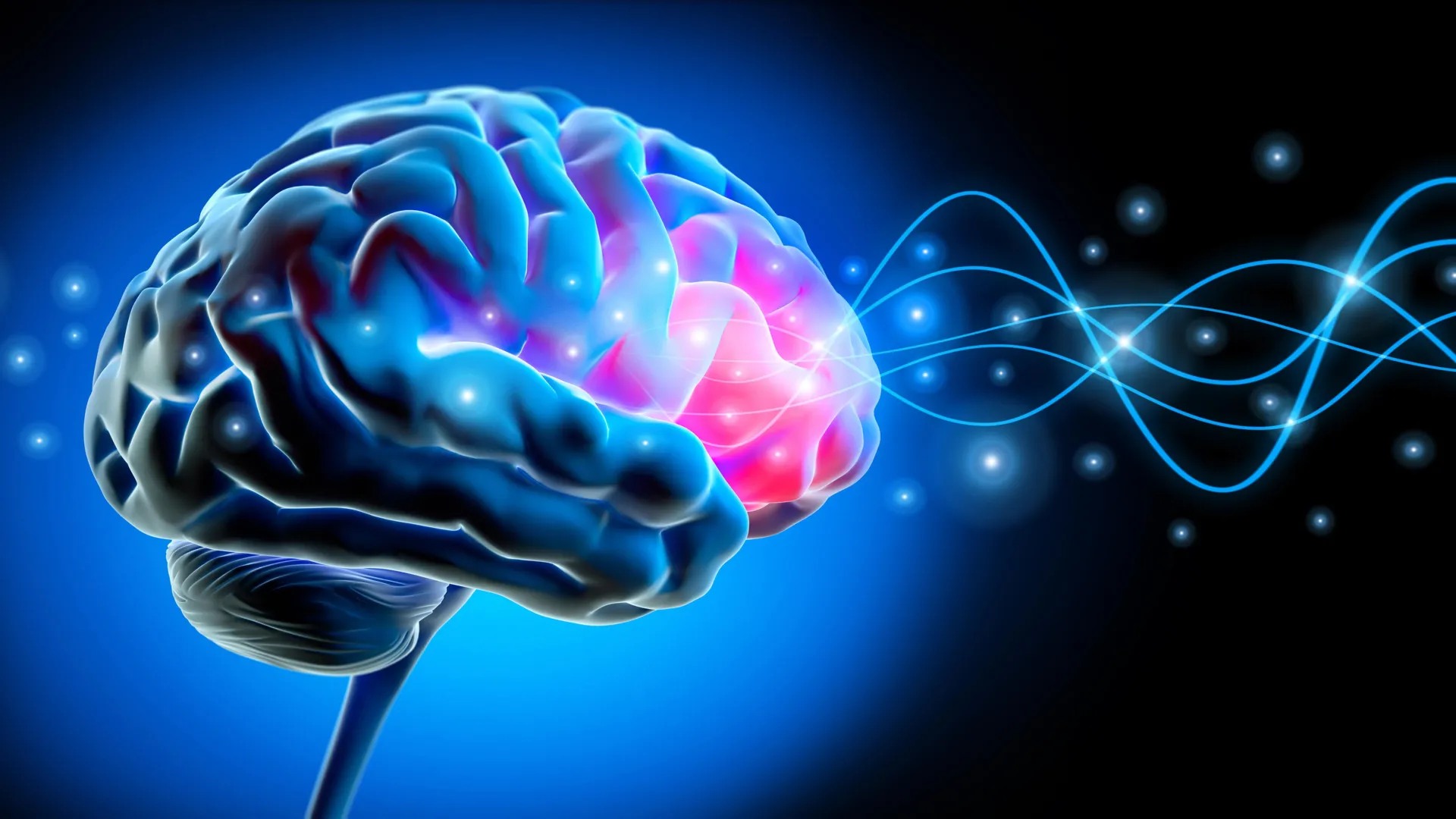
The focal point of their discoveries centered on the speed, or frequency, of alpha waves emanating from the parietal cortex. This brain region is a critical hub for processing somatosensory information – the data received from our own bodies. The researchers observed that the precise tempo of alpha wave activity within this area directly correlated with the accuracy and robustness of an individual’s sense of body ownership. In essence, the faster the alpha rhythm, the more convincingly individuals felt that their body parts belonged to them.
Dr. Mariano D’Angelo, the lead author of the study and a researcher at the Department of Neuroscience at Karolinska Institutet, articulated the significance of their findings, stating, "We have identified a fundamental brain process that shapes our continuous experience of being embodied." He further elaborated on the potential clinical relevance, suggesting that "The findings may provide new insights into psychiatric conditions such as schizophrenia, where the sense of self is disturbed." This connection underscores the critical role of these alpha oscillations in maintaining a healthy and coherent sense of self.
To directly probe the nuances of body ownership, the researchers employed a well-established experimental paradigm known as the rubber hand illusion. In this intriguing setup, a participant’s real hand is concealed from view while a realistic artificial hand is placed in their line of sight. When both the hidden real hand and the visible rubber hand are simultaneously stroked, a significant proportion of participants report experiencing a profound sense of ownership over the rubber limb, as if it has become an extension of their own body. Conversely, if the timing of the tactile stimulation applied to both hands is mismatched, the strength of this illusory ownership diminishes.
The study’s analysis revealed a compelling correlation: individuals who exhibited faster alpha wave frequencies were demonstrably more adept at detecting even subtle discrepancies in the timing between visual and tactile input. This heightened temporal acuity suggests that their brains processed sensory information with superior precision, thereby solidifying a sharper and more dependable perception of body ownership. This precision allows the brain to confidently attribute sensations to the correct source, reinforcing the boundary between self and non-self.
Conversely, participants characterized by slower alpha wave frequencies displayed a markedly different pattern of sensory processing. Their brains operated with a broader "temporal binding window." This means that visual and tactile signals, even when slightly out of sync, were more prone to being perceived as occurring concurrently. Such a wider window of temporal integration can lead to a reduced precision in discerning the exact timing of events.
This diminished temporal precision has a direct impact on the ability to clearly differentiate between sensations originating from within the body and those arising from external interactions. When the brain is less precise in its temporal judgments, the boundary between the self and the surrounding environment can become blurred, potentially leading to a less stable or even distorted sense of bodily integrity.
The implications of these findings extend beyond fundamental neuroscience, offering promising avenues for technological advancements. To ascertain whether alpha wave frequency directly influenced these perceptual phenomena, the researchers employed non-invasive electrical brain stimulation techniques. By gently modulating the speed of participants’ alpha rhythms – either accelerating or decelerating them – they were able to observe corresponding changes in the precision with which participants experienced body ownership and judged the simultaneity of visual and tactile events. This direct manipulation confirmed the causal link between alpha oscillation frequency and the subjective experience of embodiment.
The experimental results were further substantiated by computational models, which demonstrated that alpha wave frequency plays a pivotal role in the brain’s evaluation of sensory information timing. By acting as a crucial regulator of this temporal processing, alpha oscillations are instrumental in shaping our perceptions and contributing to the fundamental experience of inhabiting a physical body.
Professor Henrik Ehrsson, a senior author of the study and a professor at the Department of Neuroscience at Karolinska Institutet, emphasized the broader significance of their work: "Our findings help explain how the brain solves the challenge of integrating signals from the body to create a coherent sense of self." He highlighted the potential impact on practical applications, stating that "This can contribute to the development of better prosthetic limbs and more realistic virtual reality experiences." The ability to finely tune sensory integration, as mediated by alpha oscillations, could lead to more intuitive and seamlessly integrated prosthetic devices and more immersive and believable virtual environments.
This collaborative research effort brought together expertise from the Karolinska Institutet in Sweden and Aix-Marseille Université in France. The project received substantial financial backing from prestigious institutions, including the European Research Council (ERC), the Swedish Research Council, VINNOVA, StratNeuro, and A*Midex. The researchers have reported no conflicts of interest in relation to their work.
About the Author