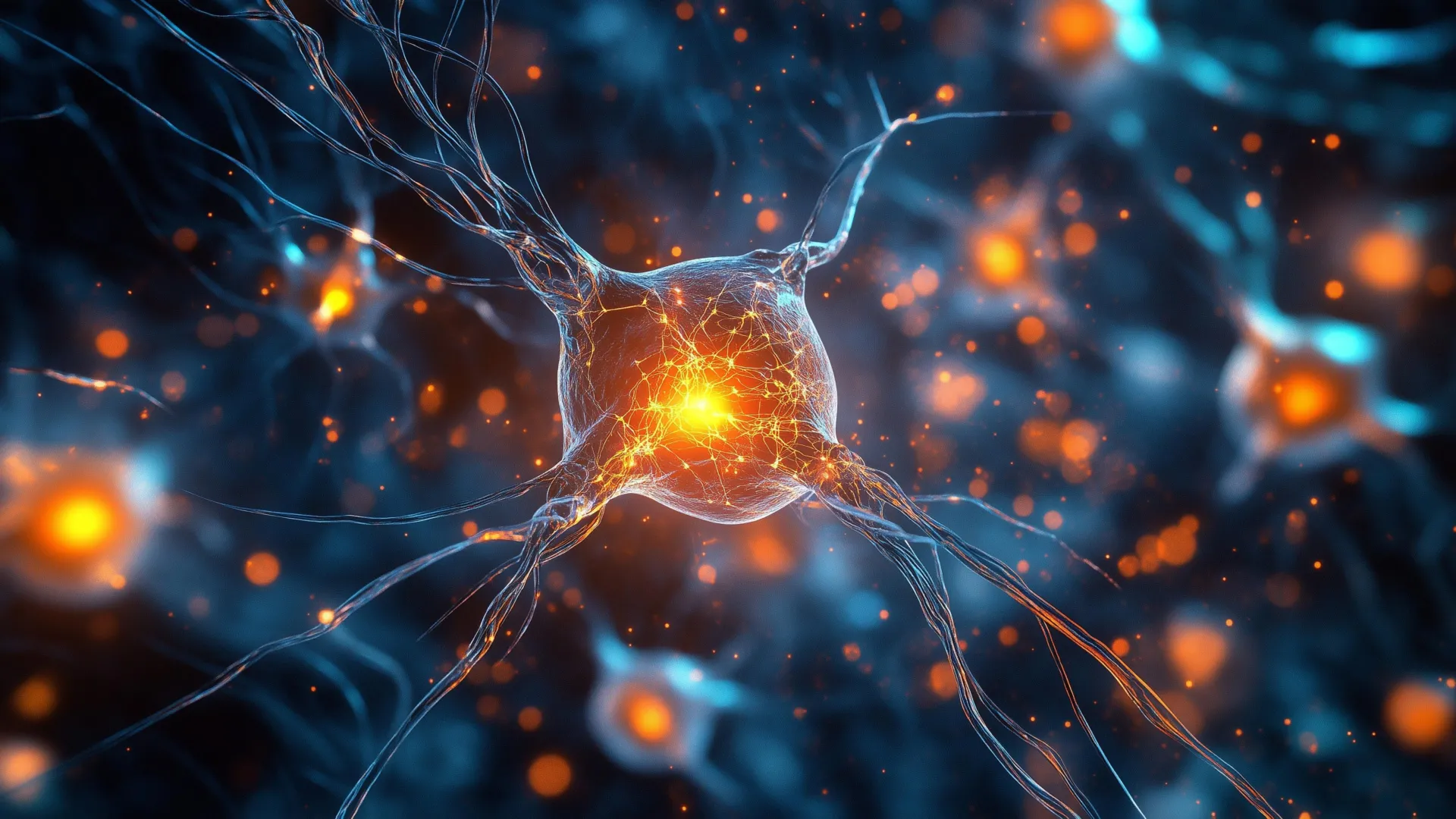
The intricate architecture of the human nervous system relies on specialized cells known as neurons, whose capacity for self-repair after injury or disease has long been considered severely limited, unlike many other cell types within the body which possess robust regenerative capabilities. This inherent vulnerability means that damage to neurons, whether from acute events like strokes and traumatic brain injuries or from the slow progression of neurodegenerative disorders, frequently results in irreversible deterioration rather than effective restoration. A critical component of this decline involves the degeneration of axons, the elongated projections that serve as the communication highways for electrical and chemical signals throughout the brain and peripheral nervous system; the compromised integrity of these axonal structures is a primary driver of functional loss and neurological impairment.
However, recent groundbreaking research from the University of Michigan is fundamentally reshaping our understanding of neuronal resilience and the processes that govern their survival, particularly in the face of stress. This extensive investigation, detailed in the esteemed journal Molecular Metabolism, has illuminated a previously underappreciated link between a neuron’s metabolic state, specifically its handling of sugars, and its ability to withstand damage. The findings suggest that the cellular machinery responsible for energy production and utilization plays a far more profound role in determining a neuron’s fate than previously thought, potentially offering a paradigm shift in how we approach neuroprotection and recovery.
The research team utilized Drosophila melanogaster, the common fruit fly, as a model organism, a choice that leverages decades of established genetic and cellular research in this species, allowing for precise manipulation and observation of fundamental biological processes. Within this model, they discovered that the rate at which neurons process glucose, a primary energy source, directly correlates with their structural integrity and their ability to resist degenerative processes. This metabolic dependency implies that disruptions in cellular energy management can be a direct trigger for neuronal breakdown, a finding that carries significant implications for understanding the pathogenesis of various neurological conditions.
At the core of these discoveries are two key proteins: Dual Leucine Zipper Kinase (DLK) and Sterile Alpha and TIR Motif-containing 1 (SARM1). DLK, a protein known to be activated by cellular stress, appears to function as an initial sensor of neuronal damage, with its activity being particularly sensitive to alterations in the cell’s metabolic environment. When DLK is triggered, it initiates a cascade of events. SARM1, a protein long implicated in driving axon degeneration, has now been shown to be intimately regulated by the DLK signaling pathway. The interplay between these two proteins, modulated by the cell’s energy status, dictates whether a neuron will enter a protective mode or succumb to breakdown.
What has particularly astonished the researchers is the context-dependent nature of the neuroprotective response. The same metabolic shifts that might lead to degeneration in a healthy neuron can, in fact, activate a robust protective program within an already injured neuron. Senior author Monica Dus, an associate professor at the University of Michigan, articulated this complex dynamic: "Metabolism is often changed in brain injury and diseases like Alzheimer’s, but we do not know whether this is a cause or consequence of the disease. Here we found that dialing down sugar metabolism breaks down neural integrity, but if the neurons are already injured, the same manipulation can preemptively activate a protective program. Instead of breaking down, axons hold on longer." This observation suggests that the cellular environment and the history of the cell profoundly influence how it responds to metabolic signals.
In healthy, uninjured neurons, a delicate balance is maintained. DLK activity appears to be kept in check, while SARM1 is largely inactive, thereby preserving axonal structure. However, the study reveals that this protective state is not permanent. When DLK remains persistently active, its role can paradoxically shift from one of protection to one that actively promotes degeneration. This prolonged activation of DLK, potentially exacerbated by metabolic dysregulation, can lead to the progressive breakdown of neuronal components, accelerating the damage process and contributing to long-term neurological deficits.
The dualistic nature of DLK presents a significant therapeutic challenge. While inhibiting DLK might seem like a straightforward strategy to prevent degeneration, its protective functions in certain contexts complicate this approach. Lead author TJ Waller, a postdoctoral research fellow, emphasized this point: "If we want to delay the progression of a disease, we want to inhibit its negative aspect. We want to make sure that we’re not at all inhibiting the more positive aspect that might actually be helping to slow the disease down naturally." The quest for therapeutic interventions that can precisely modulate DLK activity, enhancing its protective roles while suppressing its detrimental ones, remains an open and critical area of research.
These findings offer a novel perspective on the mechanisms underlying neuronal injury and disease, moving beyond simply identifying and blocking damaging agents. Instead, this research highlights the importance of understanding and potentially harnessing the intrinsic self-reinforcing capabilities of the nervous system. By focusing on how neurons manage their energy resources and how key signaling molecules like DLK and SARM1 orchestrate responses based on these metabolic cues, scientists may be able to develop innovative strategies to bolster the brain’s innate defenses against neurodegeneration and enhance its capacity for recovery. This research was generously supported by funding from the National Institutes of Health, the U.S. National Science Foundation, the Rita Allen Foundation, and the Klingenstein Fellowship in the Neurosciences, underscoring the collaborative and well-supported nature of this scientific endeavor. The implications of this work are far-reaching, potentially paving the way for new treatments for a spectrum of neurological disorders characterized by neuronal loss, from acute injuries to chronic neurodegenerative conditions.
About the Author