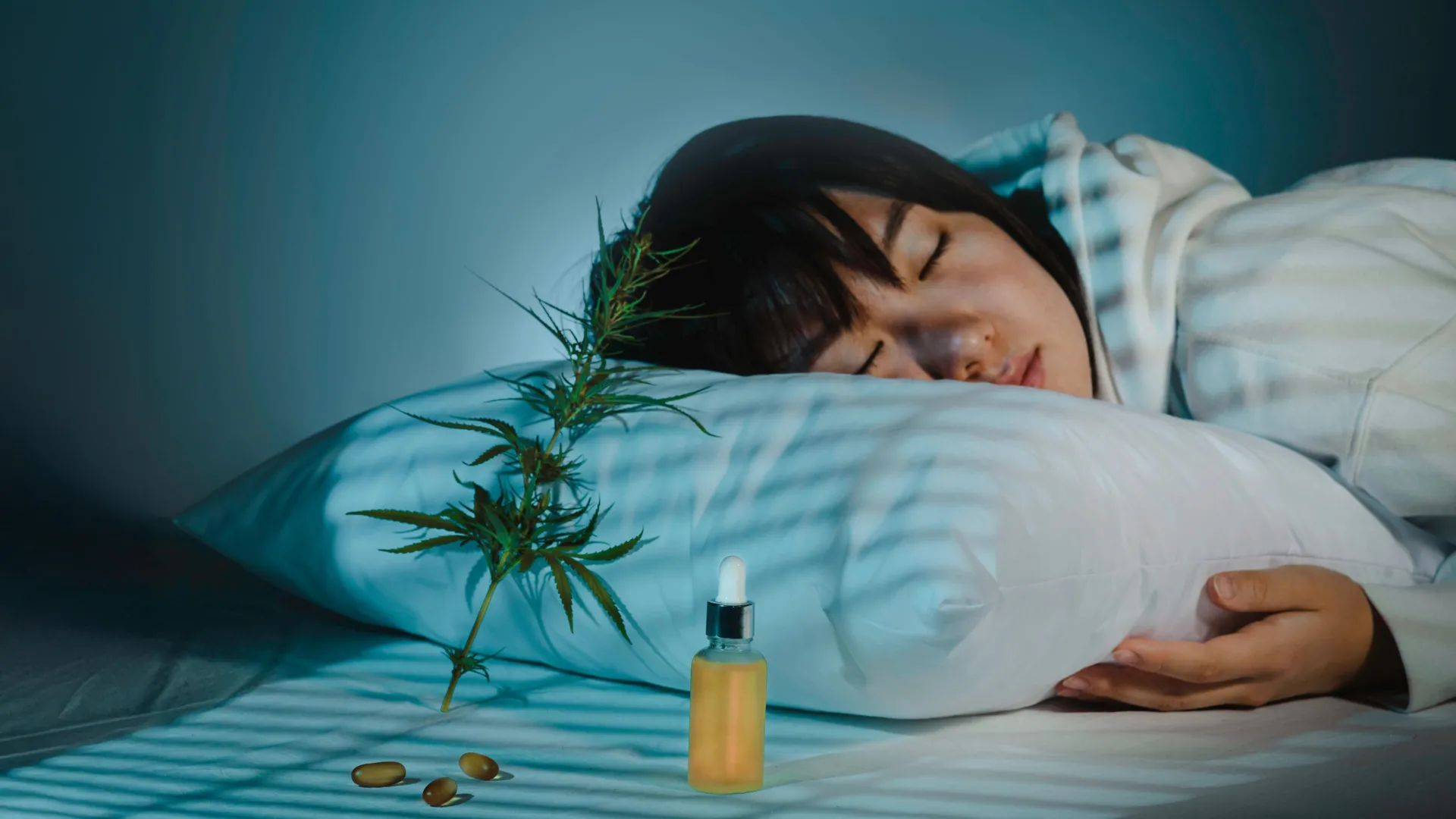
A significant proportion of the emerging adult population in the United States is seeking solace from sleeplessness through the consumption of mind-altering substances, according to recent findings from the esteemed Monitoring the Future Panel Study, an annual survey conducted by the University of Michigan. This comprehensive research, underwritten by the National Institute on Drug Abuse, reveals a concerning trend where 22% of individuals aged 19 to 30 reported utilizing cannabis, alcohol, or a combination of both to facilitate sleep. This practice, while seemingly a solution, raises red flags among sleep and addiction specialists regarding its potential long-term consequences.
Within this demographic, cannabis has emerged as the predominant choice for those attempting to induce sleep, significantly outpacing alcohol. The study’s data indicates that approximately 18% of young adults have turned to cannabis with the specific intention of falling asleep, in contrast to the 7% who opt for alcohol. Further analysis of the data highlights the pervasive nature of this behavior among cannabis users; a substantial 41% of individuals who reported any cannabis use within the preceding year identified sleep induction as a motivating factor for their consumption. This suggests that for a considerable segment of young cannabis users, sleep improvement is a primary, or at least a significant, perceived benefit.
The reliance on exogenous substances to regulate sleep patterns is a practice that experts are actively cautioning against, citing the potential for these aids to paradoxically degrade sleep quality over time. Megan Patrick, a distinguished research professor at the Institute for Social Research and the principal investigator overseeing the Monitoring the Future Panel Study, articulated these concerns. She explained that the very mechanisms that might offer a temporary feeling of sedation can, in fact, interfere with the body’s natural ability to maintain sleep throughout the night and diminish the restorative phases of sleep. "They appear to actually disrupt sleep in the long term," Dr. Patrick stated, emphasizing the alarming revelation that "so many young adults reported that they use cannabis to sleep." This paradox underscores a critical misunderstanding of how these substances interact with the complex architecture of human sleep.
The robustness of these findings is bolstered by the study’s rigorous methodology. The research, which was formally published in the esteemed journal JAMA Pediatrics, gathered detailed responses from a nationally representative sample of 1,473 young adults across the diverse landscape of the United States. Beyond the aggregate figures, the study delved into demographic nuances, uncovering significant disparities in substance use for sleep based on gender and race. These distinctions offer a more granular understanding of how societal and biological factors might influence these behaviors.
Specifically, the research indicated that women were nearly twice as likely as men to report using cannabis as a sleep aid. The data also revealed a pronounced difference among participants identifying with genders other than male or female, who were more than four times as likely as men to turn to cannabis for sleep. On the other hand, concerning alcohol consumption as a sleep facilitator, Black young adults demonstrated a significantly higher propensity, being three times more likely than their white counterparts to report using alcohol for this purpose. These differential patterns suggest that interventions and educational efforts may need to be tailored to specific demographic groups to be most effective.
The potential ramifications of sustained substance use for sleep extend beyond immediate efficacy, potentially exacerbating underlying sleep disorders and fostering dependence. Dr. Patrick elaborated on the long-term risks, positing that the repeated application of cannabis or alcohol to induce sleep may not only fail to resolve sleep difficulties but could actively worsen them. This chronic reliance can lead to the development of tolerance, a phenomenon where an individual requires progressively larger doses of a substance to achieve the same effect. Consequently, what begins as an attempt to alleviate sleep issues can devolve into a cycle of escalating substance use, potentially increasing the risk of developing a substance use disorder. The very substances sought for respite could, in the long run, become the source of further complications, including more profound sleep disturbances and a greater vulnerability to addiction.
This investigation represents one of the pioneering national studies to undertake a meticulous examination of the modalities and motivations behind young adults’ use of substances to manage sleep disturbances. The longitudinal design of the Monitoring the Future Panel Study, which tracks representative cohorts of U.S. students as they transition into adulthood, provides invaluable insights into evolving patterns of substance use across different life stages. This sustained observation allows researchers to identify emerging trends and their potential societal implications with greater accuracy.
A significant contributing factor to this escalating trend appears to be a widespread misconception among young adults regarding the efficacy and safety of using cannabis or alcohol for sleep. Dr. Patrick highlighted this critical knowledge gap, stating that "there is a misconception that substance use can be helpful for sleep problems, but it can make things worse." The critical role of high-quality sleep in maintaining robust mental health and emotional equilibrium cannot be overstated. When young adults perceive cannabis as a solution to their sleep woes, they may inadvertently be undermining their overall well-being. The research underscores the urgent need to disseminate accurate information about the potential risks associated with using these substances as sleep aids, thereby empowering young adults to make informed decisions about their health.
The implications of these findings are of particular importance to healthcare providers, who are often at the forefront of addressing both sleep disorders and substance use issues, which frequently co-occur during young adulthood. The researchers advocate for increased vigilance among clinicians, urging them to recognize the potential interplay between sleep problems and substance use in this age group. This awareness can facilitate more comprehensive screening processes and the implementation of integrated support strategies when both conditions are present.
"Health care providers should understand how common both sleep problems and substance use are during young adulthood," Dr. Patrick emphasized, "And that many young adults are using cannabis specifically to get to sleep." This highlights a crucial area where medical professionals can intervene effectively. By proactively inquiring about sleep habits and substance use, and by educating patients about safer, evidence-based strategies for sleep management, clinicians can play a vital role in mitigating the risks associated with self-medication. The recommendation is clear: individuals struggling with sleep difficulties should be encouraged to engage in open dialogue with their physicians or other qualified healthcare professionals, rather than resorting to potentially harmful self-treatment methods. This collaborative approach can pave the way for personalized and effective interventions that address the root causes of sleep disturbances without introducing the added dangers of substance dependence. The research team, which included Yuk Pang and Yvonne Terry-McElrath, continues to shed light on critical public health issues facing young adults.
About the Author