A comprehensive investigation spearheaded by researchers at the University of Cambridge has illuminated a compelling association between the menopausal transition and notable alterations in brain architecture, alongside an increased prevalence of psychological distress and sleep disturbances. The study’s findings indicate a discernible diminution in grey matter volume within several critical areas of the brain among women who have completed menopause. This groundbreaking research, meticulously documented in the esteemed journal Psychological Medicine, further delved into the complex role of hormone replacement therapy (HRT). While the data suggested that HRT did not appear to confer protection against these observed structural brain changes or the attendant mental health challenges, it was correlated with a tempered rate of decline in psychomotor processing speed.
Menopause, a significant biological milestone, signifies the cessation of menstruation, an event intrinsically tied to a natural decline in reproductive hormone levels. Typically occurring between the ages of 45 and 55, this phase is frequently accompanied by a constellation of physiological and psychological symptoms, including but not limited to vasomotor instability (hot flashes), fluctuations in mood, and disruptions to sleep architecture. Prior scientific inquiry had already posited connections between menopause and shifts in cognitive functions, encompassing aspects such as memory recall, attentional capacity, and linguistic fluency. To address the symptomatic sequelae of menopause, particularly concerning mood disorders and sleep disturbances, HRT is a widely prescribed therapeutic intervention for many women. In England alone, the utilization of HRT saw a notable increase, with approximately 15% of women receiving prescriptions in the year 2023. Notwithstanding its widespread adoption, a comprehensive understanding of the intricate mechanisms by which menopause and HRT exert their influence on the brain, cognitive faculties, and overall mental well-being remains an active area of scientific exploration.
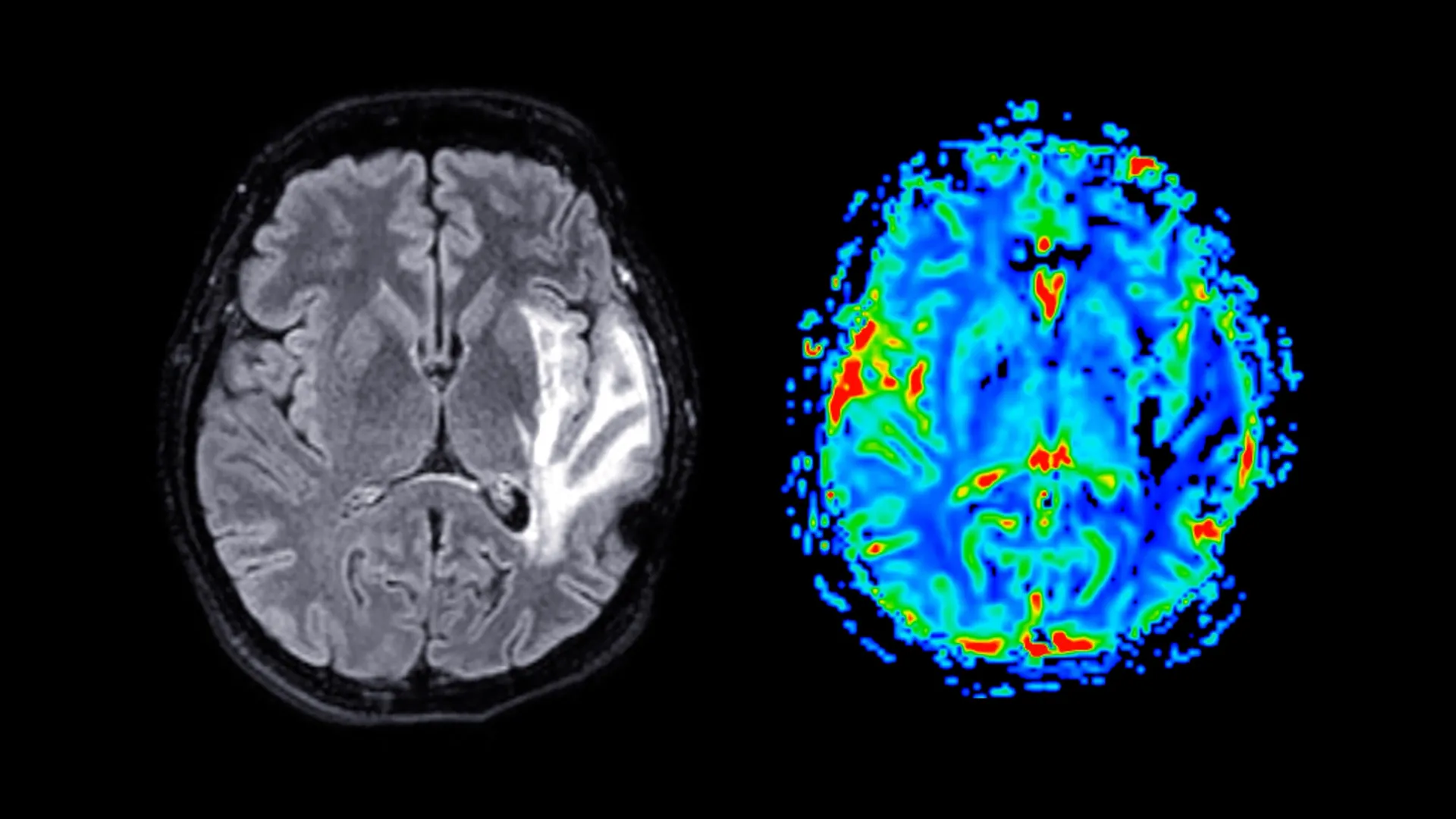
In an endeavor to foster a more profound understanding of these complex interactions, the research team meticulously analyzed a substantial dataset drawn from the UK Biobank, encompassing the participation of nearly 125,000 women. The cohort was strategically categorized into three distinct groups: premenopausal women, postmenopausal women who had never undergone HRT, and postmenopausal women who had received HRT. Participants meticulously completed a battery of questionnaires designed to assess various facets of their health, including the subjective experience of menopausal symptoms, their mental health status, established sleep patterns, and general health indicators. A subset of these participants also undertook standardized cognitive assessments to evaluate memory function and reaction times. Furthermore, approximately 11,000 women underwent advanced magnetic resonance imaging (MRI) scans, providing researchers with an invaluable opportunity to scrutinize structural differences within the brain. The average age at which participants experienced menopause was approximately 49.5 years, with those prescribed HRT typically initiating treatment around the age of 49.
The findings revealed a statistically significant increased likelihood of postmenopausal women seeking professional medical assistance for conditions such as anxiety, nervousness, or depression when compared to their premenopausal counterparts. These women also reported higher scores on validated depression assessment tools and were more frequently prescribed antidepressant medications. Intriguingly, women within the HRT cohort exhibited elevated levels of anxiety and depression in comparison to those who did not utilize HRT. However, a more granular analysis suggested that these pre-existing psychological vulnerabilities may have been present prior to the onset of menopause. The researchers posited that this observation might indicate a trend where clinicians preemptively prescribe HRT in anticipation of potential symptom exacerbation associated with the menopausal transition. Sleep disturbances also emerged as a more prevalent concern in the postmenopausal period, with women in this group more likely to report instances of insomnia, reduced sleep duration, and persistent feelings of fatigue. Notably, women undergoing HRT reported the most pronounced fatigue among all three groups, despite no significant differences in their total sleep duration compared to postmenopausal women not receiving HRT.
The study underscores the critical importance of adopting a holistic approach to managing the menopausal transition, emphasizing the profound influence of lifestyle choices and robust mental health support systems. Dr. Christelle Langley, affiliated with the Department of Psychiatry, articulated that menopause represents a transformative life event for the majority of women, irrespective of their HRT status. She highlighted the paramount significance of maintaining a healthy lifestyle, which encompasses regular physical activity, a balanced diet, and sustained engagement in active pursuits, as instrumental in mitigating some of the adverse effects associated with this period. Dr. Langley further stressed the imperative for increased societal and clinical sensitivity to both the physical and psychological well-being of women navigating menopause, advocating for early recognition of distress and the destigmatization of seeking help.
Cognitive performance also demonstrated discernible shifts in association with menopause. Women who were postmenopausal and not utilizing HRT exhibited a deceleration in reaction times when contrasted with both premenopausal women and those undergoing HRT. Memory performance, however, did not reveal significant variations across the three study groups. Dr. Katharina Zühlsdorff from the Department of Psychology at the University of Cambridge provided further insight, explaining that a gradual slowing of reaction times is an inherent aspect of the natural aging process, affecting both men and women. She likened this to a cognitive quiz scenario, where while the correct answer might eventually be reached, younger individuals would typically arrive at it with greater celerity. Menopause, according to her interpretation, appears to accelerate this age-related decline, while HRT seems to act as a moderating factor, potentially decelerating this aspect of the aging trajectory.
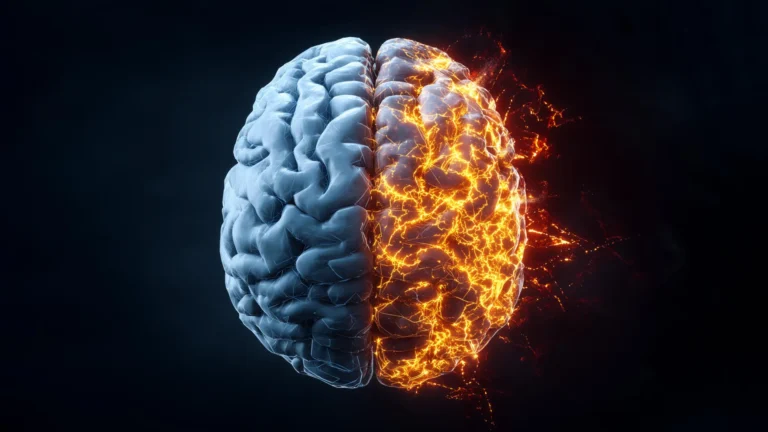
The neuroimaging data revealed a significant reduction in grey matter volume among postmenopausal women, a phenomenon observed irrespective of their HRT utilization. Grey matter, the brain’s primary locus for processing information, orchestrating motor control, and underpinning memory formation and emotional regulation, plays a pivotal role in numerous cognitive functions. The regions exhibiting the most pronounced volumetric changes included the hippocampus, a brain structure critically involved in the consolidation and retrieval of memories; the entorhinal cortex, which serves as a crucial gateway for information transfer between the hippocampus and other cortical areas; and the anterior cingulate cortex, a key component of the brain’s executive functions, instrumental in emotion regulation, decision-making, and attentional control.
These observed neurological alterations may hold significant implications for understanding women’s long-term brain health, particularly concerning their predisposition to neurodegenerative diseases. Professor Barbara Sahakian, the senior author of the study from the Department of Psychiatry, pointed out that the brain regions identified as showing these differences are notably those typically affected by Alzheimer’s disease. She suggested that menopause could potentially render these women more vulnerable to such conditions later in life. While acknowledging that menopause is not the sole determinant, she posited that these findings might contribute to explaining the observed disparity in dementia prevalence, where women are diagnosed with the condition at nearly twice the rate of men.
About the Author