In an era defined by heightened consumer awareness regarding food origins and environmental impact, the demand for transparency and ethical sourcing in the culinary sector has never been more pronounced. Diners are increasingly seeking not only delicious meals but also assurance that their choices support responsible practices, particularly when it comes to marine proteins. The distinction between wild-caught and aquaculture-farmed seafood, alongside considerations of sustainability, freshness, and traceability, has become a pivotal factor influencing restaurant patronage. While historically, large chain establishments might have been perceived as less agile in adopting such rigorous standards, a significant shift is underway. Several prominent national restaurant brands are now actively championing the provision of high-quality, wild-caught seafood, underscoring a commitment to both gastronomic excellence and ecological stewardship. This dedication often involves intricate supply chain management, forging enduring relationships with fishing communities, and implementing stringent quality controls from ocean to plate. The pursuit of fresh, naturally flavored seafood—characterized by its delicate texture, subtle brininess, and absence of an overpowering "fishy" aroma—is a complex endeavor for operations spanning multiple locations, yet these industry leaders are demonstrating that it is an achievable and worthwhile goal.
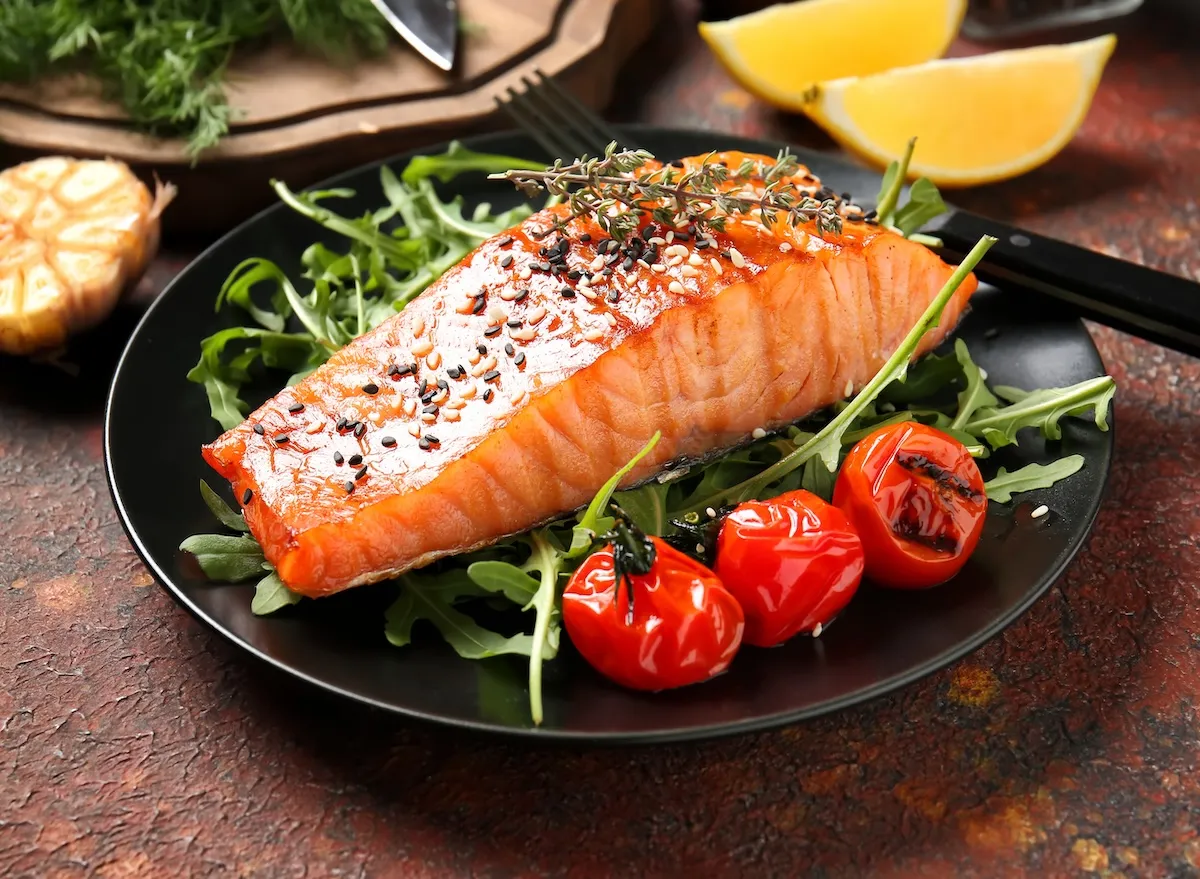
One establishment making significant strides in this area is Red Lobster. As a household name synonymous with seafood, this chain has undertaken a profound commitment to sourcing traceable and sustainably harvested marine products. Their philosophy, articulated through their "Seafood with Standards" initiative, emphasizes the benefits of wild-caught varieties for both culinary diversity and the health of aquatic ecosystems. By partnering with fishermen who share their vision for sustainability, Red Lobster aims to ensure that wild fish and shellfish populations remain robust and capable of thriving for future generations. This strategic approach involves a careful selection process for their suppliers, focusing on practices that minimize environmental impact and support long-term ecological balance. Their expansive menu, featuring a wide array of species, relies heavily on these responsibly sourced wild catches, offering guests a diverse taste of the ocean while adhering to a conscientious sourcing model.
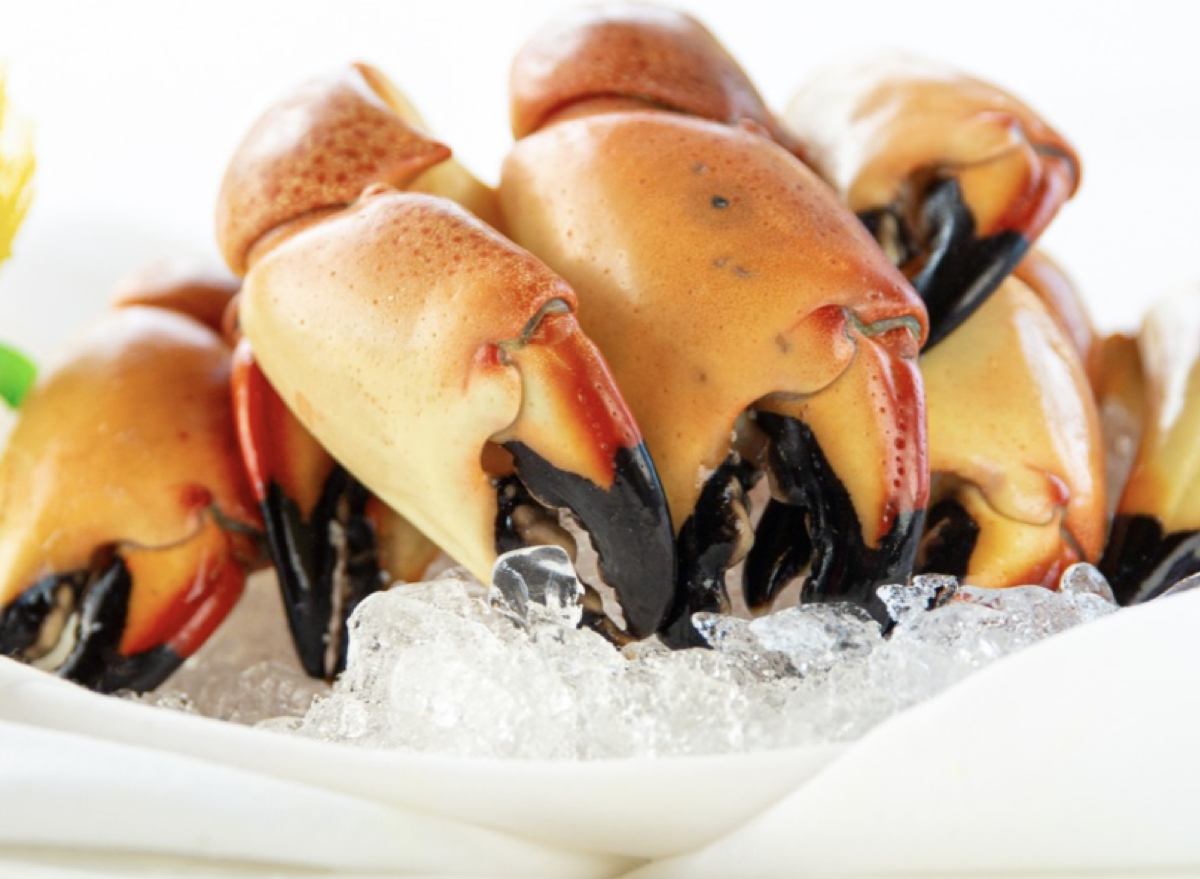
Similarly, Truluck’s has carved out a niche for itself through an unwavering focus on premium, sustainable seafood, with a particular emphasis on its signature Florida Stone Crab. The restaurant’s dedication to freshness is exemplified by its impressive "traps to table in less than 24 hours" promise for this coveted delicacy. This rapid delivery system not only guarantees peak flavor and texture but also reflects an intricate logistical network designed to preserve the integrity of the catch. Truluck’s articulates a holistic commitment to sustainability, ensuring that every ingredient aligns with the well-being of the plate, the palate, and the planet. Beyond stone crab, their menu features a selection of other high-quality, sustainably sourced seafood options, reflecting a comprehensive strategy that prioritizes responsible harvesting practices and environmental consideration across their entire offerings. This meticulous approach positions Truluck’s as a leader in delivering both luxury and ethical dining experiences.
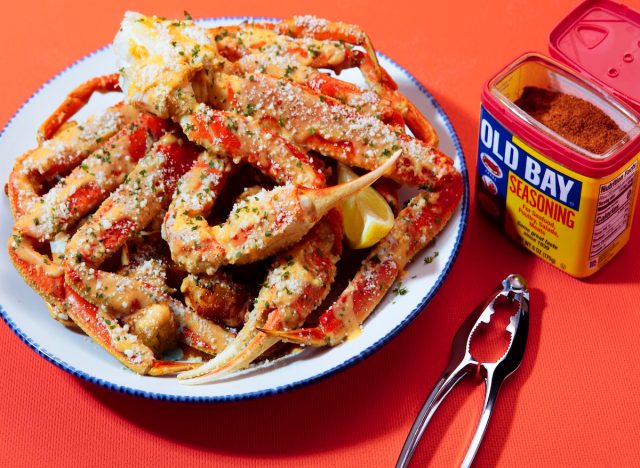
Another venerable institution, Legal Sea Foods, has built its reputation on the premise that exceptional seafood begins with uncompromising freshness. The company meticulously selects cold-water fish, often prioritizing those from "top of catch" hauls—meaning fish brought aboard just before the vessel returns to port—or from "day boat operators" who complete their fishing trips within a single day. These methods are critical for minimizing the time between catch and consumption, thus preserving optimal quality. Legal Sea Foods implements rigorous standards for quality, sanitation, and safety at every stage of its supply chain, from initial procurement to processing, shipping, and final preparation in its kitchens. Their collaborative relationships with seafood partners are integral to upholding these stringent benchmarks, ensuring that guests consistently receive the freshest possible product. This commitment extends across their diverse menu, which includes everything from succulent clams to a variety of fresh fish preparations.
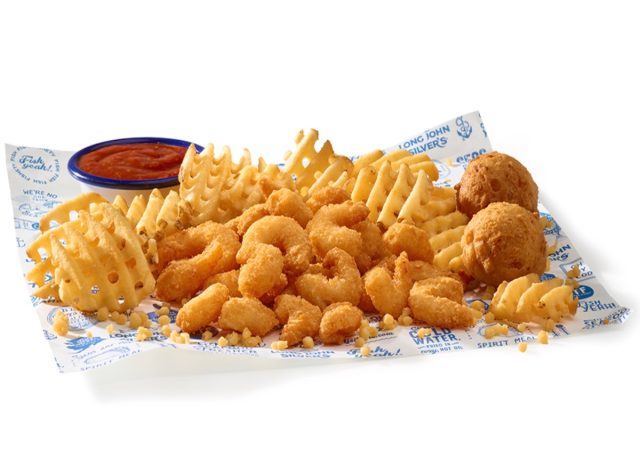
Even in the realm of quick-service dining, the pursuit of quality seafood is evident. Long John Silver’s, a chain primarily known for its fried fish offerings, emphasizes that its core ingredients are sourced from authentic marine environments. The brand explicitly states its reliance on wild-caught Alaska pollock, wild-caught Alaska salmon, and wild-caught North Pacific cod. This declaration serves to differentiate their product by highlighting its natural origin, a notable aspect for a fast-food enterprise. By specifying these particular species and their geographical sourcing, Long John Silver’s communicates a commitment to providing genuinely wild-harvested fish, even within a casual dining context. This focus on verifiable wild sources ensures that even their signature battered and fried dishes begin with ingredients from expansive ocean ecosystems.
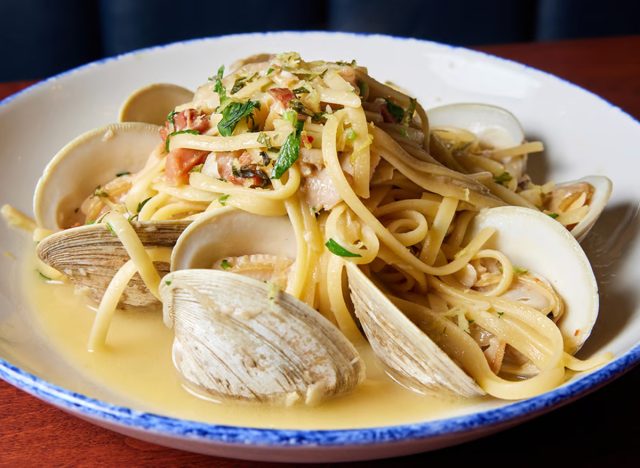
For those seeking an elevated dining experience, McCormick & Schmick’s Seafood & Steaks maintains exceptionally high standards for both culinary execution and ingredient quality. The chefs at McCormick & Schmick’s are dedicated to crafting each dish with precision and passion, whether it involves a perfectly grilled steak or the delicate sweetness of freshly caught seafood. Their menu proudly features an array of marine delights, from the briny richness of fresh oysters served on the half shell at their raw bar to expertly broiled platters and various salmon preparations. The restaurant’s ethos revolves around delivering an unparalleled guest experience, which is inextricably linked to the freshness and superior quality of its seafood. This commitment to sourcing premium ingredients underscores their position as a sophisticated destination for discerning seafood lovers.
Further exemplifying a dedication to fresh, scratch-made dishes and an immersive guest experience, Pappadeaux Seafood Kitchen draws inspiration from coastal and French Quarter culinary traditions. The restaurant prides itself on avoiding shortcuts, instead focusing on meticulous preparation and an insistence on freshness that defines its diverse menu. From live lobster and crispy alligator to hearty gumbos and signature "Swampthings," Pappadeaux delivers generous portions in a festive atmosphere, supported by engaging service. Their ability to consistently source the finest fish is attributed to decades-long relationships with suppliers, cultivated across vast geographical distances—from the cold waters off Maine to the vibrant coasts of Chile. This extensive network ensures access to an exceptional variety of fresh oysters, lobster, salmon, crab, and other seafood, allowing Pappadeaux to bring a truly global and fresh marine bounty to its patrons.
Finally, Luke’s Lobster, a company deeply rooted in Maine’s rich fishing heritage, embodies a third-generation family commitment to quality and sustainable seafood. Their philosophy, encapsulated by the phrase "Know Your Seafood," highlights a transparent approach where guests are invited to understand the origins and journey of their meal. Luke’s Lobster maintains direct relationships with its fishermen, understanding where and how they fish, which allows for stringent quality control and a shared dedication to ocean preservation. This "Maine way" of caring for seafood, from the moment it leaves the dock until it reaches the consumer, ensures optimal taste and freshness. Offerings like their popular Seafood Roll Flight, which features samplings of shrimp, crab, and lobster rolls, are prepared with the assurance that every ingredient is fresh and responsibly sourced, reinforcing their commitment to both culinary excellence and environmental stewardship.
In conclusion, the movement towards prioritizing wild-caught, sustainably sourced seafood within major restaurant chains represents a significant evolution in the food service industry. These establishments are demonstrating that it is possible to achieve both scale and integrity, offering consumers the opportunity to enjoy fresh, high-quality marine delicacies while supporting responsible environmental practices. As consumer demand for transparency and ethical sourcing continues to grow, these pioneers are setting a new standard, proving that a discerning palate and a conscientious approach can indeed go hand-in-hand, transforming the dining experience for the better.
About the Author