In an economic landscape increasingly defined by inflationary pressures, the quest for affordable dining options has become a significant consideration for consumers across the United States. The fast-food sector, traditionally a bastion of quick and inexpensive meals, has not been immune to these shifts, with menu prices for even staple items like hamburgers experiencing notable increases. Factors such as elevated beef costs, rising labor expenses, and complex supply chain dynamics have collectively contributed to a scenario where finding a substantial, satisfying burger for under five dollars is no longer a commonplace occurrence. This shift marks a departure from an era when entire combo meals were routinely available for just a few dollars, prompting diners to seek out those select establishments that continue to prioritize exceptional value without compromising on taste. For those diligently managing their budgets, leveraging digital platforms, specifically restaurant-specific mobile applications, has emerged as a crucial strategy for uncovering promotions and maximizing purchasing power. This analysis delves into five prominent fast-food chains that, according to widespread consumer feedback, still manage to deliver noteworthy burger options beneath the $5 threshold, offering a beacon of affordability in a challenging market. It is important to note that the pricing referenced primarily reflects conditions in the Los Angeles metropolitan area, a region often characterized by higher operational costs, suggesting that prices in other locales may indeed be more economical.
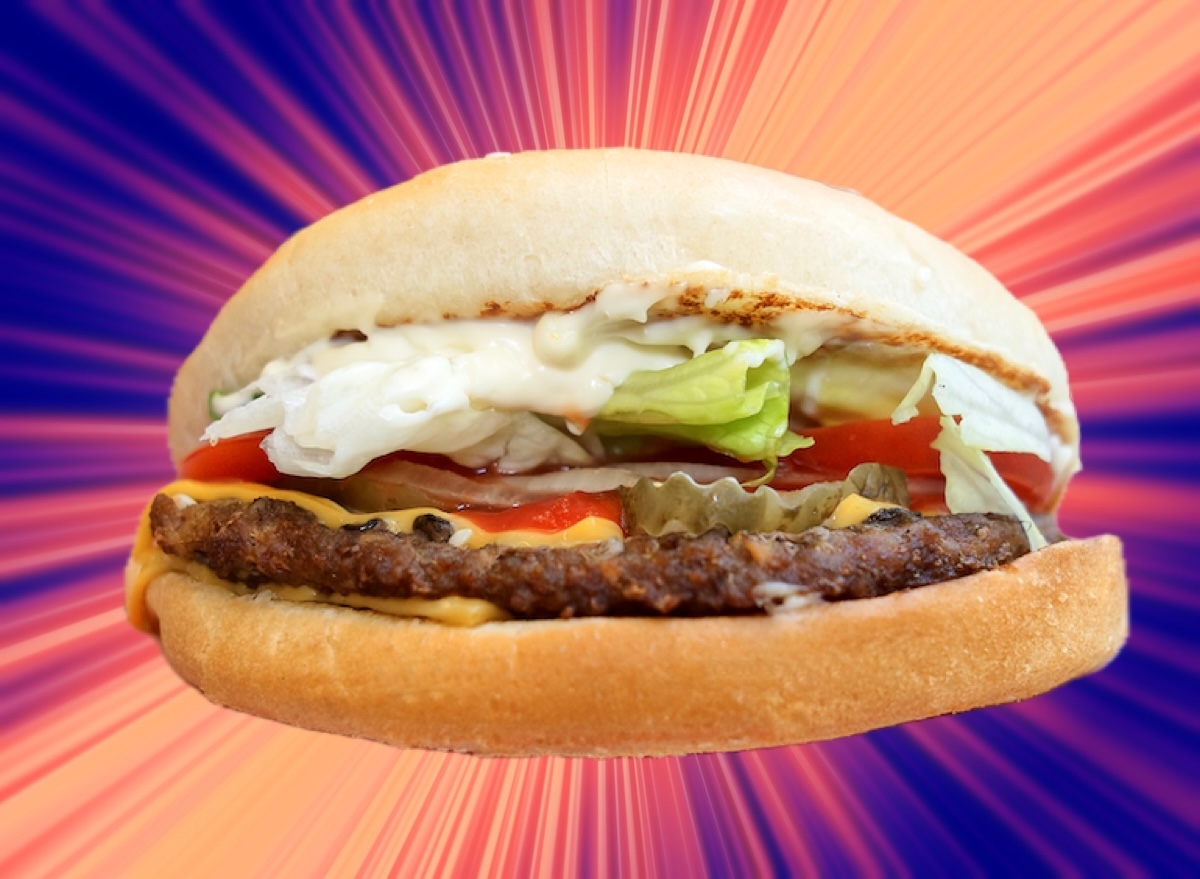
In-N-Out Burger stands out as a prime example of a regional chain that has masterfully maintained its value proposition, even amidst a turbulent economic climate. A fundamental Cheeseburger at one of their busiest locations, such as the Sunset Boulevard outpost, is priced at approximately $4.45. This consistent affordability, coupled with a reputation for quality, is often attributed by loyal patrons to a distinctive business philosophy. One enthusiast articulated this approach as akin to the "Costco method," a model characterized by an unwavering commitment to delivering superior products at the most competitive prices possible. This strategy is underpinned by a high-volume operational model, which ensures a steady flow of customers and, consequently, positions the company as a priority client for its suppliers. Such a relationship often translates into favorable procurement terms for fresh ingredients, which In-N-Out is renowned for. Furthermore, the company’s internal practices, including paying employees above-average wages, are believed to foster a highly motivated workforce that consistently delivers excellent service and product quality. This integrated approach, focusing on operational efficiency, supplier relationships, and employee welfare, allows In-N-Out to thrive by consistently executing its core offerings exceptionally well, securing its place as a benchmark for value and consistency in the fast-food industry.
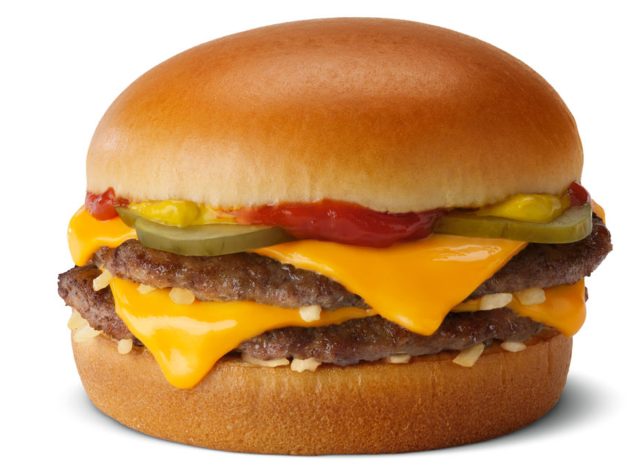
McDonald’s, a global titan in the quick-service restaurant industry, continues to offer compelling value, particularly with its classic Double Cheeseburger, which is available for around $4.29. For those seeking a slightly larger portion, the Triple Cheeseburger is priced at approximately $5.59, offering a modest upgrade just beyond the five-dollar mark. The enduring appeal of McDonald’s is often multifaceted, blending convenience with a potent sense of nostalgia. As one observer humorously noted, there exist "two kinds of people: those who eat McDonald’s and those who lie about not eating McDonald’s," underscoring its ubiquitous presence and widespread consumption. Many customers confess to a powerful, almost primal attraction to the distinct combination of pickles and ketchup that defines the McDonald’s burger experience. This particular flavor profile, deeply ingrained in the collective culinary memory of generations, often triggers a nostalgic response that transcends mere hunger. Despite periodic criticisms regarding ingredient quality or nutritional content, the chain’s ability to evoke such strong emotional connections, combined with its strategic pricing on core menu items, solidifies its position as a go-to option for budget-conscious consumers seeking a familiar and comforting meal.

Wendy’s distinguishes itself in the competitive fast-food arena through its commitment to using "fresh, never frozen" beef, a claim that resonates with many consumers seeking a perceived higher quality product. Despite this emphasis on fresh ingredients, Wendy’s successfully maintains several value options. For instance, the popular Double Stack can be acquired for approximately $3.99, while its counterpart, the Bacon Double Stack, offers the added indulgence of bacon for about $4.39. These offerings present an attractive proposition for diners who appreciate both quality and affordability. A common sentiment among patrons suggests a strategic approach to ordering at Wendy’s: rather than opting for a single, larger burger like the Dave’s Double, many find greater satisfaction and value in combining two Double Stacks or integrating a Double Stack into one of the chain’s "Biggie Bags." These curated meal bundles, which often include a burger, fries, and a drink at a set price, exemplify Wendy’s strategy of bundling value to provide a comprehensive and economical meal solution. This approach not only caters to varying appetites but also strategically positions their value burgers as integral components of broader, budget-friendly meal packages.
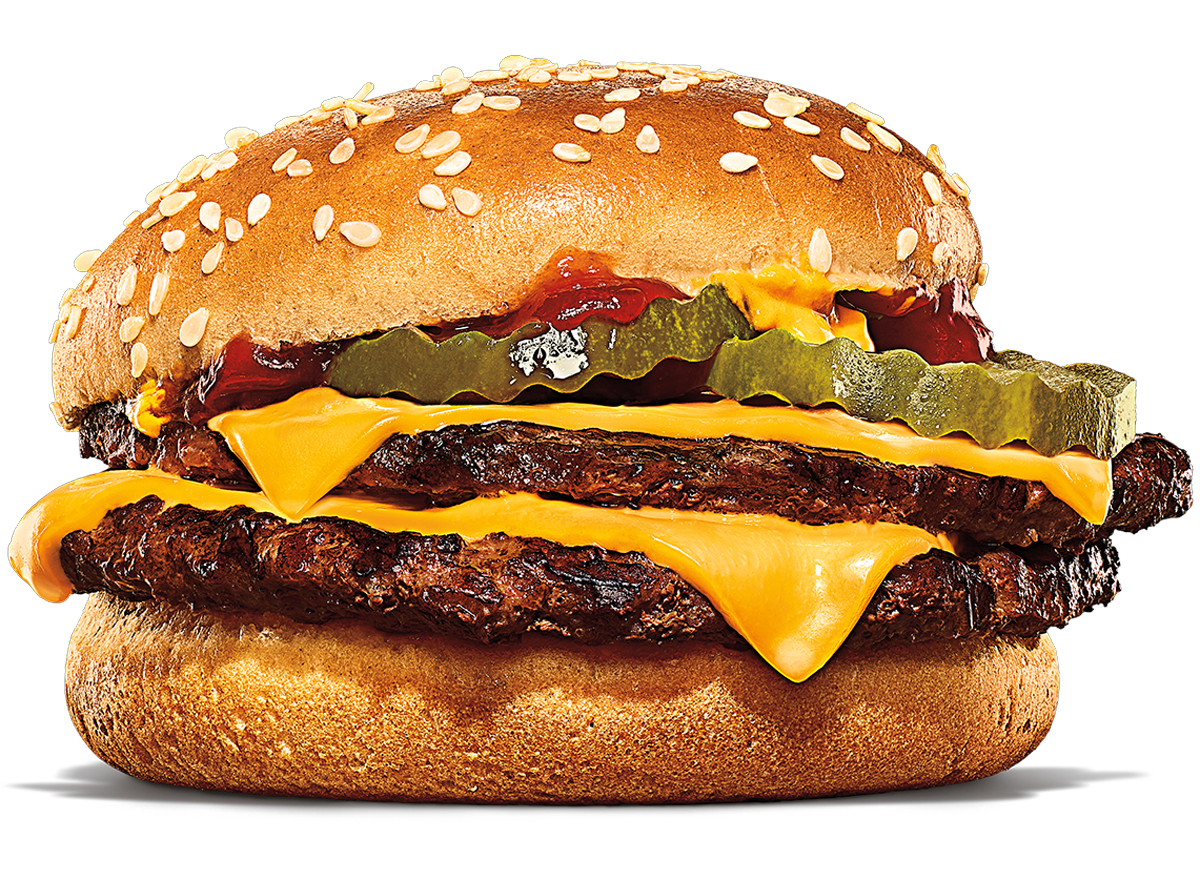
Burger King, renowned for its distinctive flame-grilled taste, also offers a highly regarded Double Cheeseburger priced at approximately $4.99, making it another strong contender in the sub-$5 value category. The unique char and smoky flavor imparted by their signature cooking method set Burger King’s burgers apart, cultivating a dedicated following. Patrons frequently express fervent loyalty to this particular menu item, with one fan emphatically declaring it the "best double cheeseburger in the game." This strong endorsement often comes with a layer of personal history and sentiment. Many customers acknowledge that their preference for Burger King’s Double Cheeseburger is intertwined with a sense of nostalgia, recalling earlier experiences with the brand. However, even when setting aside personal bias, these consumers maintain a firm conviction in the superior quality and value of this offering. This blend of distinctive flavor, perceived quality, and a deep-seated connection to the brand ensures that Burger King’s Double Cheeseburger remains a cherished and frequently chosen item for those seeking both satisfaction and affordability.
Finally, Jack in the Box, a chain recognized for its diverse menu and late-night accessibility, also provides noteworthy value options. Their Jr. Jumbo Jack Cheeseburger is particularly appealing at an approximate price point of $2.99, offering a remarkably affordable meal. For those desiring a slightly larger portion, the regular Jumbo Jack is available for around $5.29. The chain’s unique offerings and expansive operating hours have fostered a passionate customer base, with some fans lamenting its absence after relocating to states without a Jack in the Box presence, speaking to a genuine "crave" for their distinct menu items. For the savvy consumer, the Jack in the Box mobile application is highlighted as an indispensable tool. As one customer pointed out, "If you use their app, JitB actually has some decent deals," underscoring the increasing importance of digital platforms in accessing discounts and special offers that enhance the overall value proposition. This strategy of offering both entry-level value burgers and app-exclusive deals demonstrates Jack in the Box’s commitment to catering to budget-conscious diners while maintaining its eclectic brand identity.
The landscape of fast-food dining is undeniably shifting, with economic forces reshaping traditional notions of affordability. However, as demonstrated by these five prominent chains, the concept of the value burger under five dollars is far from extinct. These establishments employ various strategies—from In-N-Out’s vertically integrated, high-volume model and McDonald’s’ nostalgic appeal and global scale, to Wendy’s’ focus on fresh ingredients and bundled deals, Burger King’s flame-grilled distinction, and Jack in the Box’s diverse menu and digital promotions—to continue delivering budget-friendly options. For consumers, the key to unlocking these deals increasingly lies in proactive engagement with restaurant apps and an awareness of regional pricing variations. The enduring appeal of the sub-$5 burger underscores a fundamental consumer need for accessible, satisfying meals, a need that these fast-food giants are still working diligently to meet in an ever-evolving market.
About the Author