A recent scholarly examination, published in the esteemed journal Rheumatology Advances in Practice under the Oxford University Press imprint, has illuminated a significant disconnect between the prevalent discourse surrounding gout on the social media platform TikTok and established medical understanding. The study’s findings suggest that a substantial proportion of content dedicated to this inflammatory condition on the platform is either misleading, contradictory, or factually inaccurate, potentially leading users astray in their pursuit of health information.
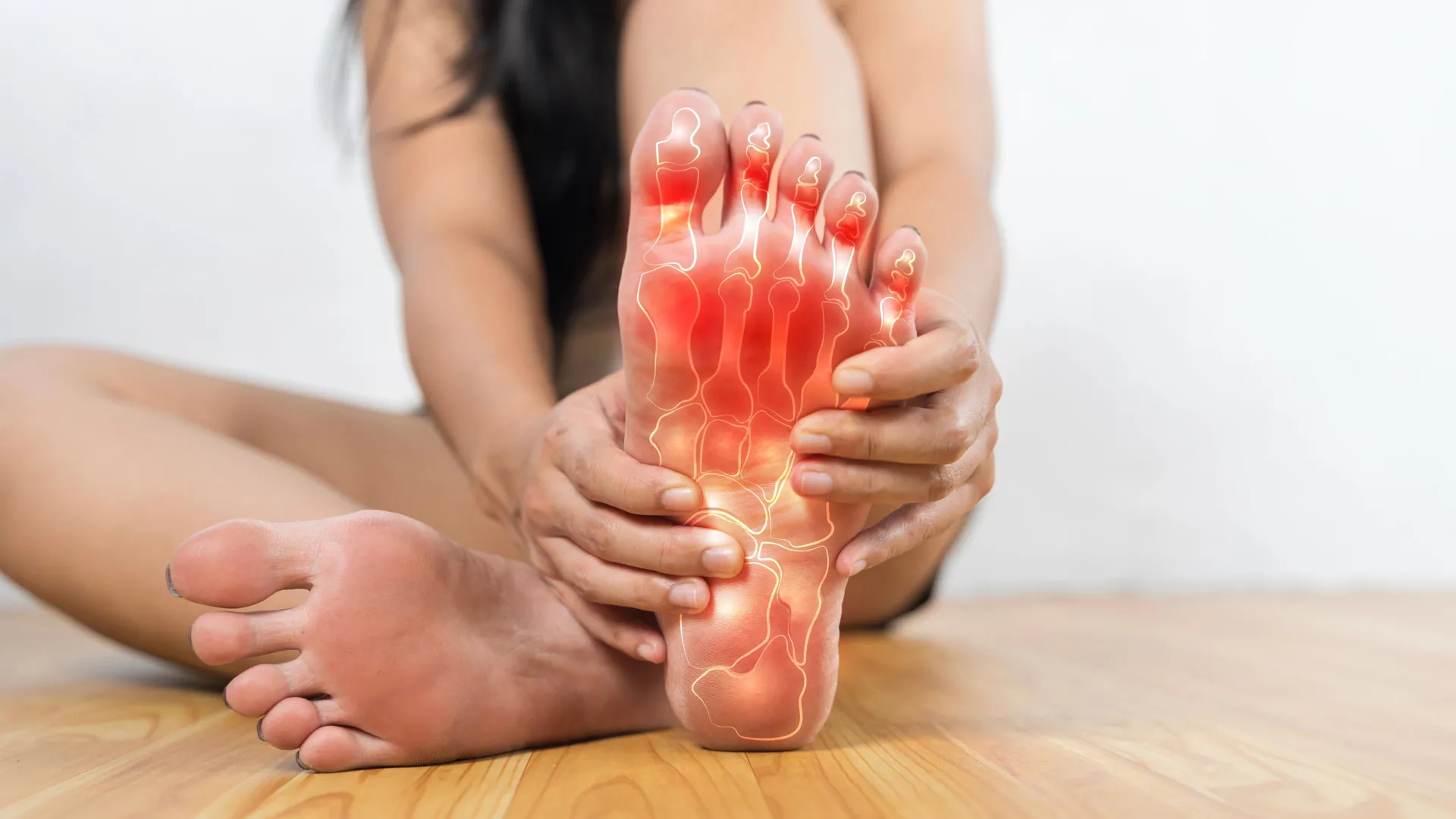
Gout, a particularly agonizing manifestation of inflammatory arthritis, arises from an accumulation of uric acid in the bloodstream. When the concentration of urate exceeds physiological thresholds, it can precipitate the formation of crystalline deposits within the joints. These sharp, needle-like structures trigger intense pain, inflammation, and swelling, significantly impacting an individual’s quality of life. Globally, an estimated forty-one million people grapple with gout, with clinicians diagnosing approximately seven million new cases annually, underscoring its widespread prevalence.
Despite its commonality, a comprehensive understanding of gout remains elusive for a considerable segment of both the patient population and the wider public. Established medical protocols, meticulously crafted by leading rheumatology organizations, unequivocally advocate for sustained urate-lowering therapy as the cornerstone of effective gout management. Nevertheless, a concerning reality persists: a significant number of individuals living with gout do not achieve optimal control over their condition, often due to a lack of accurate information or adherence to suboptimal strategies.
The pervasive influence of social media platforms has indelibly reshaped the landscape of health information dissemination. With nearly universal adoption, encompassing approximately 98% of individuals aged 12 and older accessing at least one platform, these digital arenas have become a primary conduit for information, including sensitive health-related topics. Individuals managing chronic conditions, in particular, exhibit a heightened engagement, with over half reporting the active sharing of health insights online. TikTok, distinguished by its colossal global reach, boasting over 1.2 billion users, exerts a profound influence on how individuals formulate their beliefs and make consequential health-related decisions.
Illustrative of this trend, a survey involving 1,172 women between the ages of 18 and 29 revealed that an impressive 70% intentionally sought out health information on TikTok. Even more striking, a substantial 92% of respondents indicated that they encountered health-related content on the platform incidentally, without actively searching for it. This pervasive, often unintentional exposure highlights the critical need for accurate and reliable health messaging to permeate these digital spaces.
To empirically assess the nature of gout-related information circulating on TikTok, researchers embarked on a systematic analysis. Their methodology involved querying the platform’s discover page for the term "gout" on a specific date, December 5, 2024, and meticulously reviewing the initial two hundred videos that surfaced. The demographic breakdown of content creators revealed a diverse spectrum: individuals living with gout or their immediate family members constituted the largest segment at 27%, followed closely by healthcare professionals at 24%, and members of the general public at 23%. This distribution underscores the multifaceted origins of information being shared, encompassing both lived experience and professional insight, albeit with varying degrees of accuracy.
The thematic objectives of these videos also presented a varied landscape. A significant portion, approximately 38%, were dedicated to offering health advice. Another substantial segment, 20%, focused on the personal narratives of individuals living with gout, sharing their experiences and challenges. Furthermore, 19% of the videos were overtly promotional, designed to endorse or market specific products, a segment that warrants particular scrutiny due to its potential for biased recommendations.
A prominent theme that emerged from the analysis was the overwhelming emphasis on dietary and lifestyle factors in relation to gout. Nearly half of the reviewed videos, around 45%, alluded to potential risk factors for gout, with an overwhelming majority, 90%, specifically highlighting diet and lifestyle choices. Extending this focus, a commanding 79% of the videos delved into strategies for managing gout, with dietary guidance occupying the central position in these discussions.
Specific dietary recommendations frequently involved lists of foods to be avoided. One illustrative example featured a patient who had been hospitalized for a gout flare-up, advising viewers that "you can reduce your incidences of gout if you cut back on your salt, your alcohol, and your red meat." Beyond dietary restrictions, a considerable number of videos enthusiastically promoted supplements, herbal remedies, or purported home cures, some of which were marketed with unsubstantiated claims such as "pills made from pure herbs, with no hormones and no side effects," thereby creating a misleading impression of inherent safety and efficacy.
In stark contrast to the abundant advice on diet and lifestyle, proven medical interventions were conspicuously underrepresented. A mere seven videos touched upon prescription medications for gout management, and even in these instances, the focus was predominantly on short-term pain relief. These mentions typically revolved around corticosteroids or non-steroidal anti-inflammatory drugs (NSAIDs) like colchicine, ibuprofen, and naproxen, which address symptomatic relief rather than the underlying pathology.
Perhaps the most striking omission was the near-complete absence of discussion concerning long-term urate-lowering therapy. This evidence-based approach, considered the gold standard by rheumatologists worldwide, aims to reduce uric acid levels to prevent crystal formation and subsequent flares. Astonishingly, only two videos out of the two hundred addressed this crucial aspect of gout management, underscoring a significant gap in the information being disseminated on the platform.
This pervasive focus on anecdotal advice and unsubstantiated remedies, coupled with the marginalization of established medical treatments, carries a substantial risk of fostering harmful misconceptions. Researchers observed that many TikTok videos offered an oversimplified explanation of gout, often portraying it as a condition primarily driven by specific food choices that elevate uric acid levels. This narrative neglects the complex interplay of genetic predisposition, kidney function, body mass index, and other biological factors that contribute significantly to gout development. Framing gout solely as a consequence of dietary indiscretions can inadvertently lead individuals to perceive it as a personal failing rather than a complex medical condition rooted in intricate biological processes.
The study’s authors emphatically stated that the vast majority of gout-related content on TikTok promotes management strategies that diverge significantly from current clinical guidelines. While 79% of the videos purported to offer guidance on gout management, dietary modifications emerged as the most frequently recommended intervention, appearing in 53% of discussions. However, the long-term efficacy of dietary changes alone in preventing recurrent gout flares is limited without addressing the underlying urate levels.
The widespread endorsement of herbal remedies and dietary supplements, often accompanied by marketing tactics that mimic medical authority, further exacerbates the issue. The promotion of products, some with unsubstantiated claims, can mislead vulnerable individuals into abandoning or delaying evidence-based treatments in favor of potentially ineffective or even harmful alternatives.
Despite these concerning findings, the researchers acknowledged the immense potential of platforms like TikTok to serve as powerful tools for health education. "TikTok possesses considerable potential as a vehicle for elevating awareness around health concerns such as gout and for disseminating information that aligns with established clinical guidelines," remarked Samuela ‘Ofanoa, the lead author of the study. In an era characterized by the ubiquitous presence of digital media, there is an urgent imperative for healthcare professionals and public health organizations to actively engage with social media platforms. By creating authoritative content, they can effectively counter the spread of misinformation and foster a more accurate and nuanced understanding of gout within communities worldwide. This proactive engagement is essential to bridge the gap between online trends and evidence-based medical practice, ultimately improving patient outcomes and well-being.
About the Author