Ensuring the safety and integrity of the food supply chain is a multifaceted endeavor, continuously managed by regulatory bodies like the U.S. Food and Drug Administration (FDA). Despite rigorous oversight and stringent manufacturing standards, instances arise where products fail to meet safety benchmarks, necessitating public alerts and recalls. These measures are critical for safeguarding public health, particularly when potential hazards like choking risks or undeclared allergens emerge. This week, consumers and businesses are urged to review their inventories for two distinct but equally important food recalls, highlighting the persistent challenges in food production and distribution. Understanding the nature of these alerts, the specific products involved, and the required actions is paramount for mitigating potential harm.
The FDA operates a comprehensive system for monitoring food products available to the public. When a potential health risk is identified, the agency, in collaboration with manufacturers, issues a recall to remove affected items from circulation. Recalls are categorized into three classes based on the severity of the potential health impact. A Class I recall, the most serious designation, is reserved for situations where there is a reasonable probability that consuming the product will cause serious adverse health consequences or death. Class II recalls involve situations where consumption may cause temporary or medically reversible adverse health consequences, or where the probability of serious adverse health consequences is remote. Class III recalls are for products unlikely to cause adverse health consequences but violate FDA regulations. The two recent recalls span these critical classifications, underscoring varied levels of risk.
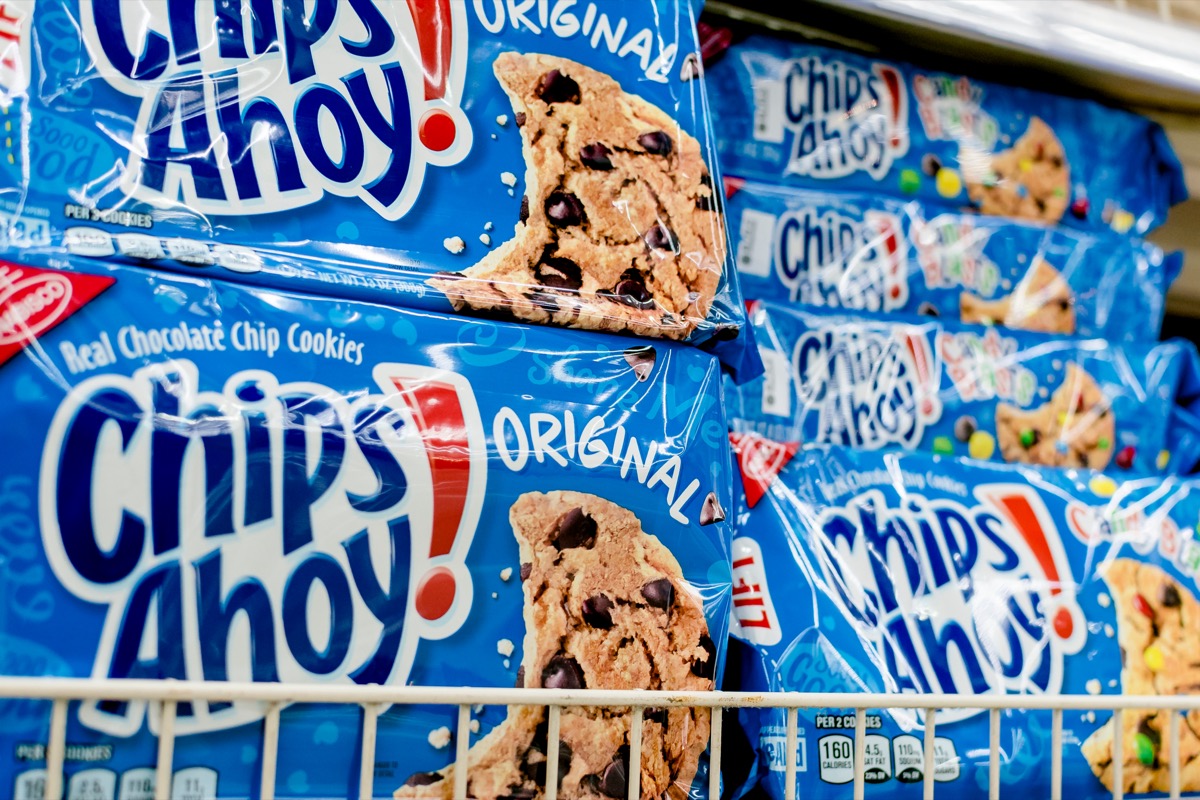
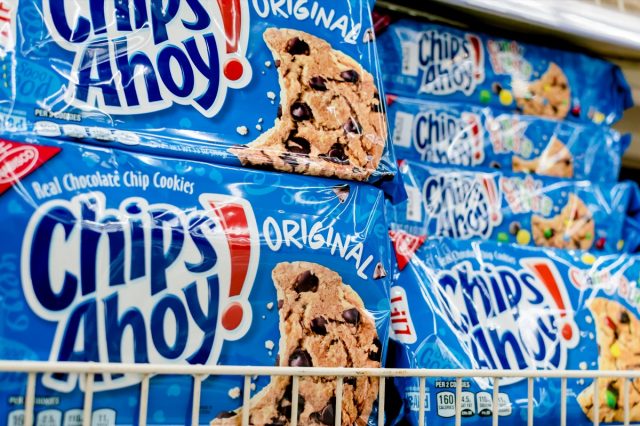
One significant alert concerns a popular consumer snack, Chips Ahoy Baked Bites Brookies, produced by Mondelēz Global LLC. This particular recall has been broadened from an initial notification, addressing a potential choking hazard. The issue stems from a manufacturing anomaly during the mixing process, which has led to the formation of small, hardened clumps of corn starch within some cookie units. Such anomalies, while seemingly minor, can present a significant choking risk, especially for vulnerable populations like young children or the elderly. Food manufacturers employ sophisticated quality control measures, but even with advanced systems, occasional deviations can occur, necessitating prompt and decisive action when detected.
Mondelēz Global LLC, a multinational confectionery, food, and beverage company, initiated the expansion of this voluntary recall following an internal investigation. The company has a vast distribution network, meaning the affected products were sold nationwide across various retail outlets. Consumers need to meticulously check their pantries for specific variations of the Chips Ahoy Baked Bites Brookies. The recall encompasses four distinct package sizes, each with corresponding Universal Product Codes (UPCs) and designated best-by dates. For the 22.4-ounce package containing eight individual units, the UPC is 44000086688, and the affected best-by dates are May 9, 10, 11, and 12, 2026. Similarly, the 2.8-ounce pouch, identifiable by UPC 4400008667, also falls under the recall for best-by dates of May 9, 10, 11, and 12, 2026. Moving to larger formats, the 7.0-ounce package, which includes five cookies, has a UPC of 44000085650, with critical best-by dates of May 10, 12, and 18, 2026. Lastly, the 1.4-ounce pouch, marked with UPC 4400008566, is affected for the best-by dates of May 10, 12, and 18, 2026.
Consumers who discover any of these specified Chips Ahoy products in their possession are strongly advised against consumption. The recommended course of action is immediate disposal of the product or returning it to the original point of purchase for a full refund. For additional inquiries or further clarification regarding this recall, individuals can contact Mondelēz Global LLC directly via their dedicated consumer hotline at 1-855-535-5948. This proactive measure by the manufacturer, under FDA guidance, exemplifies the industry’s commitment to consumer safety, even when issues arise from minor processing errors.
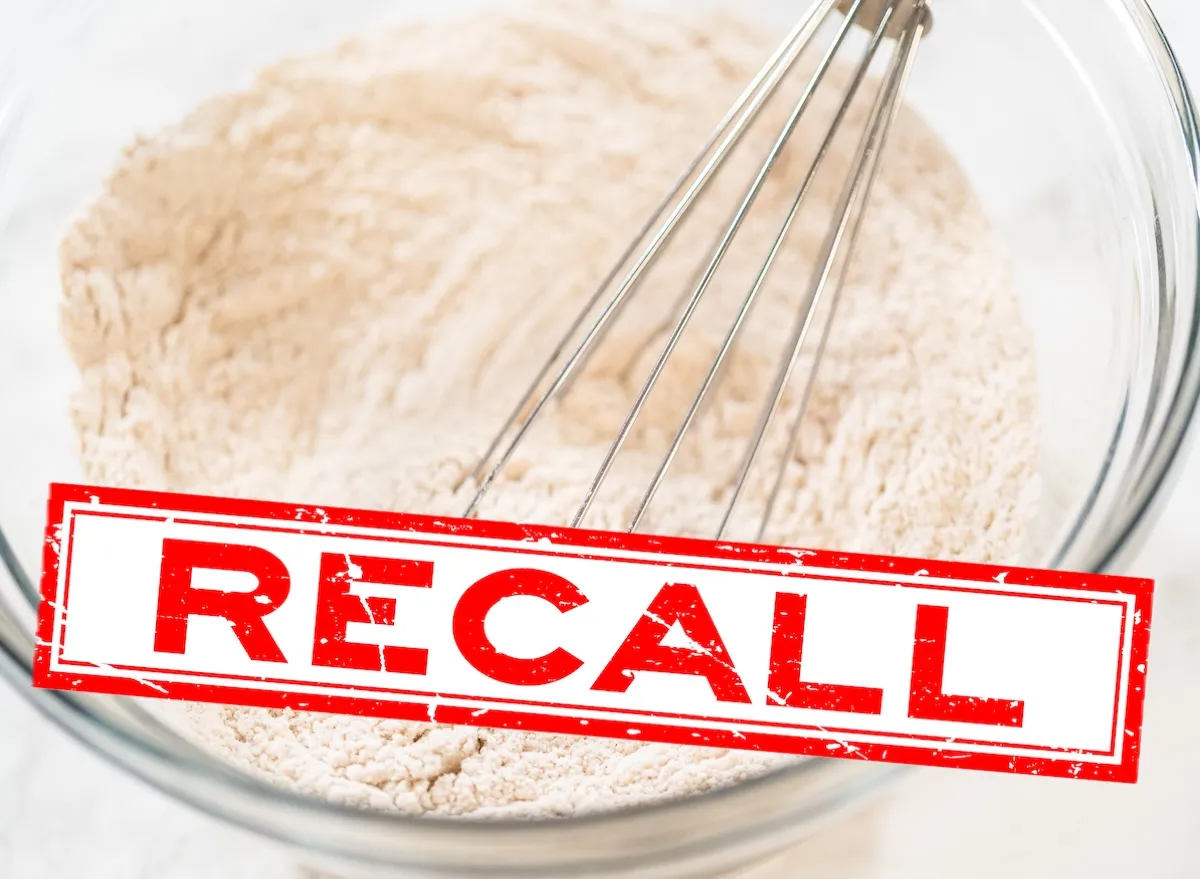
In a separate, more critical development, the FDA has elevated a nationwide recall involving various cake and bread mixes distributed by Dallas-based B.C. Williams Bakery Service to a Class I designation. This elevation signals the highest level of risk, indicating that consumption of these products carries a significant probability of severe illness or even fatality, particularly for individuals with specific allergies. The core issue behind this severe warning is the presence of an undeclared milk allergen within the mixes. For those with a milk allergy, exposure to even trace amounts can trigger anaphylaxis, a rapid and severe allergic reaction that can be life-threatening if not treated immediately. Symptoms can include hives, swelling, difficulty breathing, a sudden drop in blood pressure, and loss of consciousness.
The recall, also initially announced in a prior period, pertains to 866 bags of baking mixes, predominantly affecting commercial bakeries, restaurants, and institutional food service providers rather than individual household pantries, given the substantial packaging. Specifically, the recall targets 51 bags of Spice Cake Mix, 720 bags of Bread and Roll Mix, and 95 bags of Swiss Chocolate Cake Mix. These products were supplied in large, 50-pound bags, typical for bulk ingredient procurement in the food industry. The sheer volume and the industrial scale of these products mean that the potential for widespread impact on prepared foods sold to the public is considerable.
Detailed identification of the affected B.C. Williams Bakery Service products is crucial for businesses. The Spice Cake Mix involved is from Batch 221. For the Bread and Roll Mix, multiple lot numbers are affected: #072225-217, #072225-218, #080325-200, #080325-201, #081625-203, #081625-204, #092225-222, #092225-223, #092225-224, #092225-225, #092225-226, #092225-227, #092225-228, #101725-208, and #101725-209. The Swiss Chocolate Cake Mix recall includes Lot numbers #072925-220 and #071825-36. Food service operators, commercial kitchens, and any entity that has purchased these large bags of mixes must meticulously check their inventory against these batch and lot numbers. The presence of undeclared allergens underscores the critical importance of accurate labeling and rigorous cross-contamination prevention protocols within food processing environments. The Food Allergen Labeling and Consumer Protection Act (FALCPA) mandates that food products declare the presence of major food allergens, including milk, on their labels to protect consumers. Failure to do so can lead to severe health consequences and regulatory penalties.
For businesses and individuals holding these B.C. Williams Bakery Service products, the imperative is to immediately cease use of the affected mixes. Due to the Class I designation and the severity of milk allergies, these products should be securely segregated from other food items and not used in any capacity. Businesses should contact B.C. Williams Bakery Service for instructions on product return and refund procedures. The downstream implications are significant, as any food products prepared using these contaminated mixes would also pose an allergen risk and would need to be recalled or discarded.
These two distinct recalls serve as a powerful reminder of the continuous vigilance required within the food industry and by consumers. From a minor processing error leading to a choking hazard in a widely consumed snack to the critical threat of an undeclared allergen in industrial baking ingredients, the spectrum of risks is broad. The FDA’s role in facilitating these recalls and informing the public is central to maintaining consumer trust and public health. For individuals, regularly checking FDA recall announcements and carefully inspecting product labels remains a fundamental aspect of personal food safety. Businesses, particularly those in the food manufacturing and service sectors, must uphold the highest standards of quality control, ingredient traceability, and allergen management to prevent such incidents and protect the integrity of the food supply. Remaining informed and acting decisively when a recall is announced are essential steps for everyone involved in the journey from farm to fork.
About the Author