For decades, statins have stood as a cornerstone in the global fight against cardiovascular disease, profoundly altering the landscape of heart health for millions. These potent pharmaceuticals, primarily prescribed to lower low-density lipoprotein (LDL) cholesterol, have demonstrably reduced the incidence of heart attacks, strokes, and other life-threatening cardiac events. Despite their undisputed efficacy and widespread adoption, a persistent challenge has clouded their otherwise stellar reputation: the often-debilitating muscle-related side effects. These adverse reactions range from mild, diffuse muscle aches and fatigue, medically termed myalgia, to more severe conditions like myopathy and, in rare but critical instances, rhabdomyolysis—a rapid breakdown of muscle tissue that can lead to kidney failure and other systemic complications. The precise molecular underpinnings of these symptoms have long eluded scientific understanding, presenting a significant hurdle for both patients and clinicians and frequently leading to treatment non-adherence.
A recent, groundbreaking investigation has finally pierced through this long-standing veil of mystery, offering an unprecedented, atom-by-atom view into how statins trigger these unwelcome muscular responses. Researchers from the University of British Columbia (UBC), collaborating with colleagues at the University of Wisconsin-Madison, have meticulously identified the specific mechanism through which these cholesterol-lowering drugs interact with muscle cells, leading to cellular dysfunction and damage. Their revelatory findings, detailed in the esteemed scientific journal Nature Communications, not only provide a definitive explanation for statin-induced muscle pain but also illuminate a promising pathway for the rational design of a new generation of safer, more tolerable lipid-lowering agents.
To comprehend the significance of this discovery, it is essential to first understand the intricate ballet of muscle contraction. Every movement, from the blink of an eye to the lift of a heavy object, relies on a precisely orchestrated series of events within muscle cells. At the heart of this process is calcium, a ubiquitous ion that acts as a critical intracellular messenger. Within skeletal muscle cells, calcium is stored in a specialized internal compartment known as the sarcoplasmic reticulum. When a nerve impulse arrives at a muscle fiber, it triggers a cascade of electrical signals that ultimately reach the sarcoplasmic reticulum, prompting it to release a controlled burst of calcium ions into the cell’s cytoplasm. This sudden influx of calcium is the immediate signal that initiates muscle contraction, allowing the muscle fibers to slide past each other and generate force.
Central to this elegant system is a protein channel known as the ryanodine receptor type 1 (RyR1). Located on the membrane of the sarcoplasmic reticulum, RyR1 functions as a molecular gatekeeper, opening precisely when needed to allow calcium to flow out and then promptly closing to terminate the signal and allow the muscle to relax. This finely tuned regulation of calcium flux is paramount for healthy muscle function; any disruption can have immediate and severe consequences.
The research team employed state-of-the-art cryo-electron microscopy (cryo-EM) to visualize the interaction between statins and the RyR1 protein in extraordinary detail. Cryo-EM is an advanced imaging technique that has revolutionized structural biology, enabling scientists to determine the three-dimensional structures of proteins and other biomolecules at near-atomic resolution. Unlike traditional X-ray crystallography, cryo-EM allows for the study of molecules in their native, unfrozen state, providing insights into dynamic processes. Through this sophisticated method, the scientists observed how molecules of atorvastatin, one of the most widely prescribed statins globally, directly bind to the RyR1 channel.
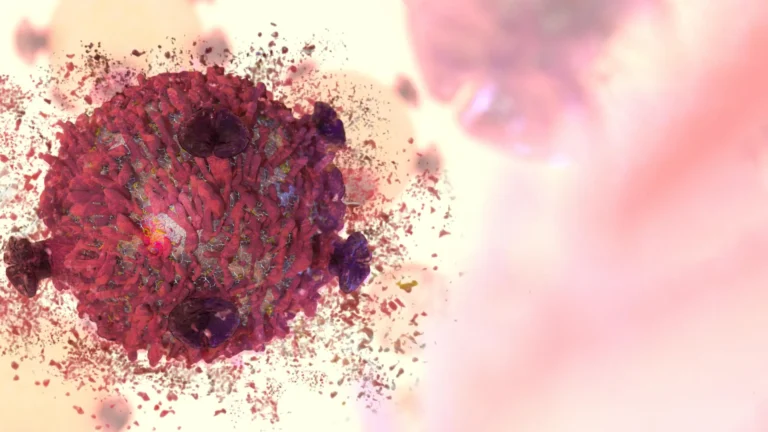
What they uncovered was a unique and detrimental binding pattern. The study revealed that three statin molecules converge and lodge themselves within a specific pocket of the RyR1 protein. The initial statin molecule binds while the channel is in its closed, resting state, subtly priming it for activation. Subsequently, two additional statin molecules then secure their positions, collectively forcing the RyR1 channel into a continuously open conformation. This sustained opening of the calcium gate leads to an uncontrolled and prolonged leakage of calcium ions from the sarcoplasmic reticulum into the muscle cell’s interior.
This persistent intracellular calcium overload is highly toxic to muscle tissue. It disrupts the delicate balance necessary for normal cellular function, impairs mitochondrial activity (the cell’s powerhouses), and ultimately triggers a cascade of events leading to muscle cell damage and, in severe cases, cell death. This continuous cellular stress directly manifests as the muscle pain, weakness, and other debilitating symptoms reported by patients, explaining the direct link between statin exposure and myopathy.
Dr. Steven Molinarolo, a postdoctoral researcher within UBC’s department of biochemistry and molecular biology and a lead author on the study, articulated the clarity of their findings. "We were able to visualize, with remarkable precision, how statins attach to this crucial calcium channel," he explained. "That continuous leakage of calcium ions precisely accounts for why a subset of patients experiences muscle pain or, in the most extreme scenarios, faces life-threatening complications like rhabdomyolysis." His insights underscore the direct correlation between the observed molecular interaction and the diverse clinical presentations of statin-induced myopathy.
While the investigation primarily focused on atorvastatin, the researchers anticipate that this newly elucidated mechanism is broadly applicable to other compounds within the statin class, suggesting a common pathogenic pathway for muscle-related side effects across these widely used medications. Dr. Filip Van Petegem, a senior author and distinguished professor at UBC’s Life Sciences Institute, emphasized the transformative potential of their discovery. "This marks the first instance where we possess such a crystal-clear understanding of how statins activate this particular channel," Dr. Van Petegem stated. "It represents a monumental stride forward because it essentially hands us a molecular blueprint, a ‘roadmap,’ for intelligently designing future statin medications that do not detrimentally interact with muscle tissue."
The clinical implications of this breakthrough are profound. Although severe muscle injury, such as rhabdomyolysis, affects only a small fraction of the more than 200 million statin users worldwide, milder symptoms like muscle soreness, stiffness, and debilitating fatigue are considerably more prevalent. These less severe but nonetheless bothersome side effects frequently lead patients to discontinue their prescribed medication, thereby negating the substantial cardiovascular protective benefits and leaving them vulnerable to future cardiac events. By understanding the exact molecular interaction responsible for these adverse effects, scientists can now pursue targeted modifications to the statin molecule. The aim is to selectively alter the specific chemical moieties responsible for binding to and activating RyR1, while carefully preserving the cholesterol-lowering properties that make statins so invaluable. This approach promises to yield next-generation statins that are equally effective at reducing cardiovascular risk but significantly more tolerable for patients, dramatically improving adherence rates and overall public health outcomes.
This study also stands as a testament to the transformative power of advanced imaging technologies in modern medical research. The utilization of cutting-edge facilities, such as the UBC faculty of medicine’s high-resolution macromolecular cryo-electron microscopy center, was indispensable to the success of this project. These sophisticated tools enable scientists to visualize complex biological processes at an unprecedented resolution, converting long-standing, perplexing safety questions into actionable scientific insights that are poised to reshape future therapeutic strategies.
Dr. Van Petegem concluded by reiterating the enduring importance of statins in cardiovascular care. "Statins have undeniably been a cornerstone of cardiovascular disease management for many decades," he affirmed. "Our overarching objective is to enhance their safety profile even further, ensuring that patients can fully realize their life-saving benefits without the apprehension of experiencing serious or debilitating side effects." For the vast population of individuals who rely on statin therapy to safeguard their heart health, these scientific advancements hold the tangible promise of fewer muscle-related complications, leading to a significantly improved quality of life and sustained adherence to these vital medications. This journey from molecular insight to enhanced patient care exemplifies the ongoing pursuit of medical innovation.
About the Author