The global battle against obesity continues to be a paramount public health concern, with significant emphasis placed on weight reduction strategies to mitigate the myriad health risks associated with excess adiposity. However, a growing body of scientific inquiry is illuminating a complex and age-dependent relationship between shedding pounds and overall well-being, particularly as individuals enter their middle years. Contrary to the straightforward benefits often observed in younger populations, weight loss during midlife may present a nuanced picture, with emerging research suggesting potential impacts on cognitive and neural health that warrant careful consideration.
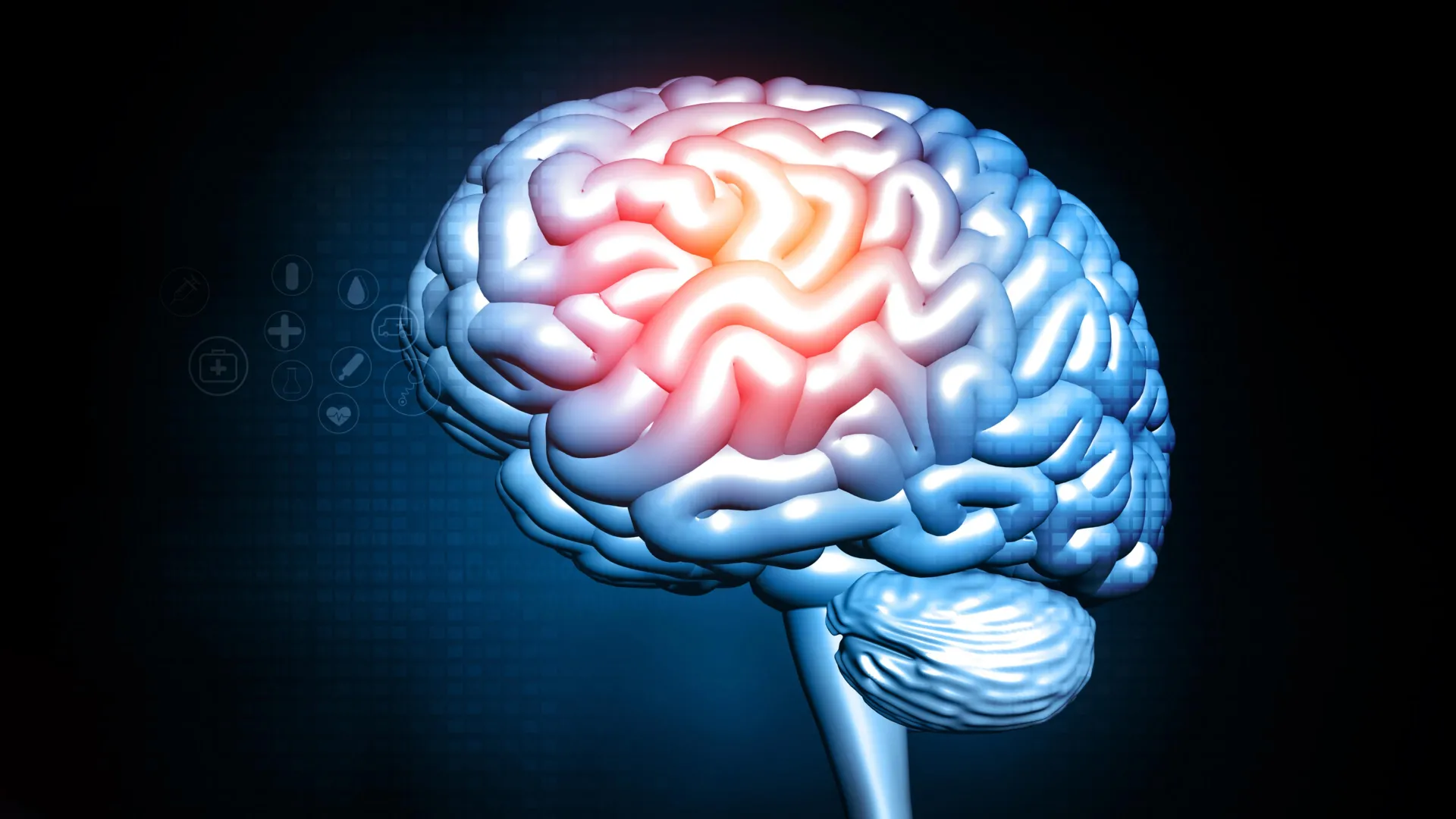
A recent investigation spearheaded by researchers at Ben-Gurion University of the Negev (BGU) has delved into the intricate physiological responses to diet-induced obesity and subsequent weight reduction, comparing the effects in young adult mice with those in their mid-aged counterparts. The study’s findings indicated that, across both age groups, successful weight loss effectively re-established healthy blood glucose regulation, underscoring the conserved nature of key metabolic improvements irrespective of the animals’ age. Nevertheless, a striking divergence emerged from the data concerning brain health. Specifically, in the mid-aged cohort, the process of weight loss was associated with an observed augmentation of inflammatory markers within the hypothalamus. This brain region plays a critical role in orchestrating fundamental physiological processes, including appetite control, energy expenditure, and the maintenance of homeostasis.
The identification of increased hypothalamic inflammation, detected through sophisticated molecular analyses and high-resolution microscopic examination of microglial cells – the resident immune sentinels of the brain – has ignited crucial discussions within the scientific community. This inflammatory response, initially robust, persisted for several weeks before a gradual abatement was noted. While the ultimate long-term consequences of this temporary inflammatory cascade remain an open question, and its potential role in facilitating metabolic normalization is yet to be fully elucidated, these observations introduce significant concerns. A pattern of chronic or poorly managed neuroinflammation has been consistently implicated in the pathogenesis of cognitive decline, including memory impairments, and has been linked to progressive neurodegenerative disorders such as Alzheimer’s disease. Consequently, this research brings to the forefront a critical need to re-evaluate how weight management interventions during midlife might intersect with the preservation of neural integrity.
The researchers involved in this study advocate for a more sophisticated and age-sensitive perspective on weight loss strategies for individuals in their middle years. Alon Zemer, an M.D.-Ph.D. candidate and the lead author of the published paper, articulated this sentiment, stating, "Our findings indicate that the process of losing weight during midlife is not a simple extrapolation of what proves effective in younger adulthood." He further emphasized, "While weight reduction remains an indispensable component for the restoration of metabolic health in cases of obesity, it is imperative that we gain a comprehensive understanding of its specific effects on the mid-age brain to ensure that cognitive function is not inadvertently jeopardized."
Dr. Alexandra Tsitrina elaborated on the study’s methodological strengths, highlighting the dual-pronged approach employed to characterize the body’s adaptive mechanisms following weight loss. "Our investigation provides a detailed characterization of the organism’s response to weight reduction, examining it through both molecular and structural dimensions," she explained. "The utilization of advanced microscopy and sophisticated computational analysis for image processing enabled us to detect subtle alterations that carry potentially significant health ramifications."
Looking ahead, the research team underscores the paramount importance of further investigations to unravel the precise mechanisms underlying this transient yet concerning neuroinflammatory phenomenon observed during midlife weight reduction. Future research endeavors are expected to pave the way for the development of targeted therapeutic strategies designed to preserve the metabolic advantages conferred by weight loss while simultaneously safeguarding brain health throughout the aging process.
This pivotal study, bearing the title "Weight loss aggravates obesity-induced hypothalamic inflammation in mid-aged mice," was formally published in the esteemed scientific journal GeroScience. The research was generously supported by an internal grant from BGU, channeled through the Ilse Katz Institute of Nanoscale Science and Technology, as well as grants from the US-Israel Binational Science Foundation (Grant No. 2021083) and the Israel Science Foundation (Grant No. 194/24). The implications of this work suggest a future where weight management plans are not only tailored to individual metabolic needs but also to the unique physiological landscape of different life stages, ensuring a holistic approach to health and longevity. The interplay between metabolic health and brain function is a rapidly evolving field, and this research contributes a vital piece to that intricate puzzle, prompting a more cautious and informed approach to midlife weight management. Understanding these age-specific responses is crucial for developing effective and safe interventions that promote both physical and cognitive well-being throughout the lifespan. The study serves as a critical reminder that what works for one demographic may not be universally applicable, necessitating a nuanced and evidence-based approach to health guidance.
About the Author