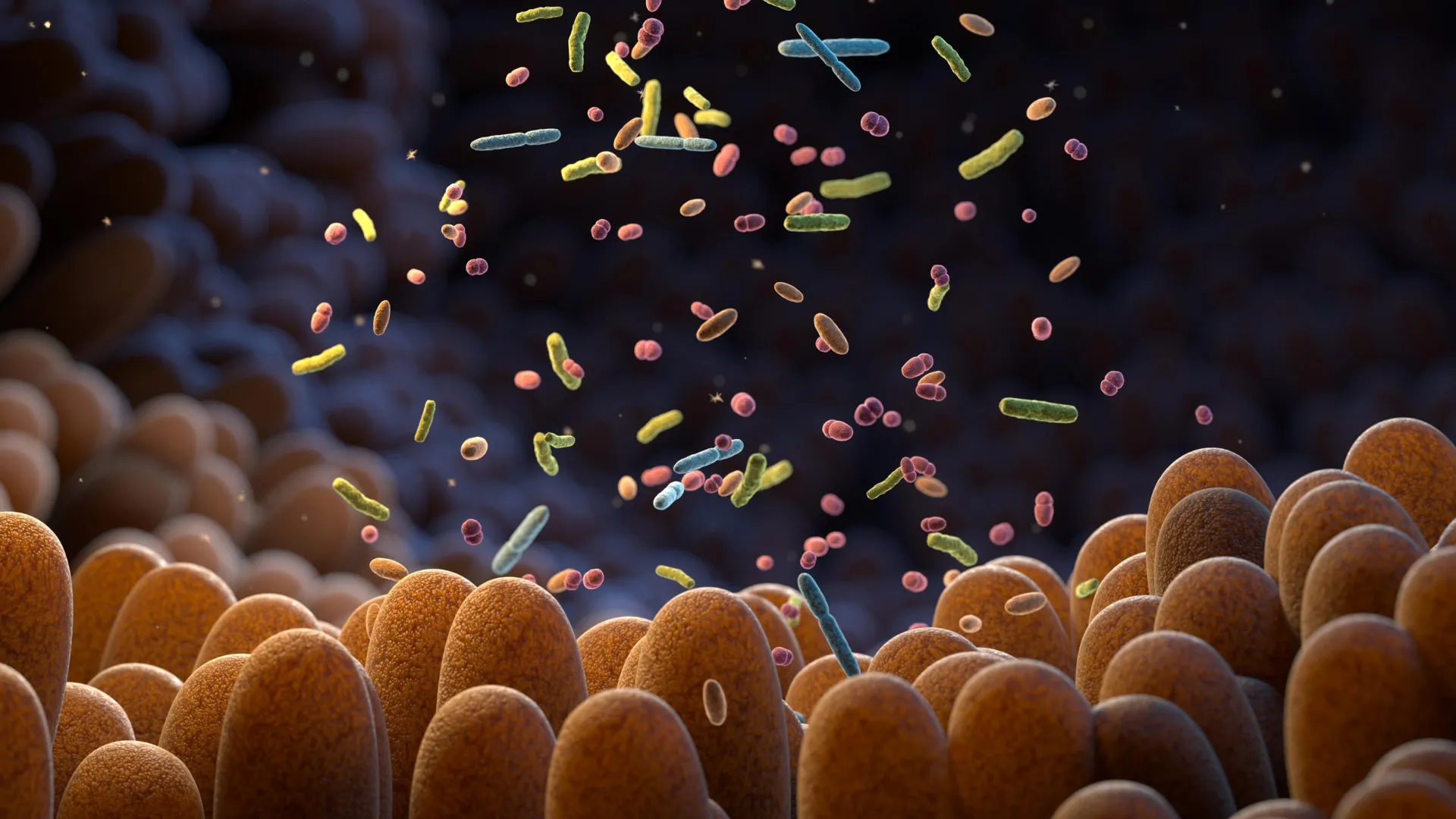
A significant scientific advancement has unveiled a novel method for transforming the resident microorganisms within an animal’s digestive tract into sophisticated biological factories capable of synthesizing compounds associated with enhanced lifespan and overall well-being. This groundbreaking research signals a potential paradigm shift in therapeutic development, moving away from direct manipulation of host cells towards strategies that leverage and redirect the complex biochemical activities of the gut microbiome. The implications suggest a future where interventions for age-related conditions might originate from within the very ecosystem that sustains us.
The research initiative was spearheaded by Dr. Meng Wang, a distinguished Senior Group Leader at Janelia Research Campus, whose laboratory is dedicated to unraveling the intricate biological mechanisms underpinning the aging process. Dr. Wang’s team sought to bridge the gap between their fundamental discoveries concerning longevity-associated molecules and the practical application of these findings in a manner that could extend beyond the controlled confines of a research setting. Their aim was to devise a tangible strategy for harnessing the body’s natural microbial inhabitants for therapeutic benefit.
The researchers embarked on an exploration into the potential of manipulating the gut microbiota, the vast and diverse community of microorganisms residing in the digestive system, to generate specific substances known to promote health and extend life. Their attention was drawn to colanic acid, a naturally occurring polysaccharide synthesized by certain gut bacteria. Previous studies had established colanic acid’s capacity to prolong the lifespan of model organisms such as Caenorhabditis elegans (roundworms) and Drosophila melanogaster (fruit flies), thereby providing a compelling target for further investigation.
In a series of meticulously designed experiments, Dr. Wang’s group observed a remarkable phenomenon: the production of colanic acid by gut bacteria escalated significantly when these microorganisms were exposed to minute concentrations of the antibiotic cephaloridine. This observation was subsequently validated by the administration of cephaloridine to roundworms, which exhibited a marked increase in their lifespan. This direct correlation firmly established a link between the augmented production of this specific bacterial compound and demonstrably improved longevity in the tested subjects.
The research team then extended their investigation to a mammalian model, employing mice to assess the efficacy and impact of their approach in a more complex biological system. The results were highly encouraging, as the low-dose cephaloridine treatment effectively stimulated the expression of genes within the gut bacteria responsible for colanic acid synthesis. This molecular activation translated into observable physiological changes related to aging and metabolism. Specifically, male mice demonstrated favorable shifts in their lipid profiles, characterized by elevated levels of high-density lipoprotein (HDL) cholesterol, often referred to as "good cholesterol," and reduced levels of low-density lipoprotein (LDL) cholesterol, the "bad cholesterol." Concurrently, female mice displayed a reduction in insulin levels, an indicator of improved metabolic regulation.
A critical advantage of the cephaloridine-based strategy lies in its inherent safety profile and targeted action. When administered orally, cephaloridine undergoes minimal absorption into the systemic circulation, meaning it primarily exerts its influence within the gastrointestinal tract. This localized activity is crucial, as it allows the compound to modulate the gut microbiome without eliciting widespread effects on the host’s tissues and organs. Consequently, the risk of systemic toxicity and the occurrence of unwanted side effects, which are often associated with conventional drug therapies that target host cells directly, are significantly mitigated. This feature is paramount in developing interventions that are both effective and well-tolerated.
The findings from this research present a compelling case for a novel therapeutic modality aimed at fostering longevity by directing the activity of resident bacteria rather than directly intervening in human cellular processes. The researchers posit that this innovative approach could fundamentally reshape the landscape of future pharmaceutical design. The focus may increasingly shift from developing drugs that directly interact with human cells to engineering compounds that act as sophisticated guides, orchestrating the gut microbiota to synthesize and release health-promoting molecules for the benefit of their host organism. This represents a profound re-envisioning of how we can tap into the intricate biological partnerships that have evolved over millennia to support life.
The underlying principle of this research hinges on the concept of microbial metabolic engineering, a field that explores the modification of microorganisms to perform specific biochemical tasks. In this instance, the bacteria are not genetically engineered in the traditional sense; rather, their natural metabolic pathways are nudged into higher gear through the administration of a carefully chosen external trigger. This indirect approach bypasses many of the ethical and technical hurdles associated with genetically modifying bacteria intended for therapeutic use. The antibiotic, in this context, acts less as a pathogen-killer and more as a signal, an allosteric modulator that fine-tunes the bacterial machinery.
The broader implications of this discovery extend beyond the realm of aging. The gut microbiome plays a pivotal role in numerous physiological processes, including nutrient absorption, immune system development and regulation, and even neurotransmitter production, influencing mood and behavior. Therefore, a method that can precisely control the output of specific compounds from gut bacteria holds immense promise for addressing a wide array of health challenges. Conditions such as inflammatory bowel disease, metabolic syndrome, certain autoimmune disorders, and even neurological conditions are increasingly being linked to dysbiosis, an imbalance in the gut microbial community. This research offers a potential avenue for rebalancing this delicate ecosystem and restoring its beneficial functions.
The journey from initial discovery to clinical application is often long and complex, but the foundational work presented here lays a critical groundwork. Future research will likely focus on identifying other longevity-associated compounds that can be produced by the microbiome and on refining the methods for triggering their synthesis with even greater precision and specificity. The identification of optimal dosages, the characterization of potential long-term effects, and rigorous clinical trials will be essential steps in translating this laboratory breakthrough into a viable therapeutic strategy for human use. Furthermore, exploring the synergistic effects of modulating different microbial pathways simultaneously could unlock even greater potential for comprehensive health enhancement.
The elegance of this approach lies in its ability to leverage a pre-existing biological system, the gut microbiome, which has co-evolved with its host for millions of years. Instead of introducing foreign substances that might disrupt natural processes, this strategy aims to augment and redirect the beneficial functions already present. This symbiotic relationship, when properly understood and manipulated, offers a powerful and potentially sustainable pathway toward improving human healthspan and promoting a higher quality of life in later years. The concept of "probiotic engineering" might soon move from theoretical discussions to tangible therapeutic realities, fundamentally altering our relationship with the microscopic world within us.
About the Author