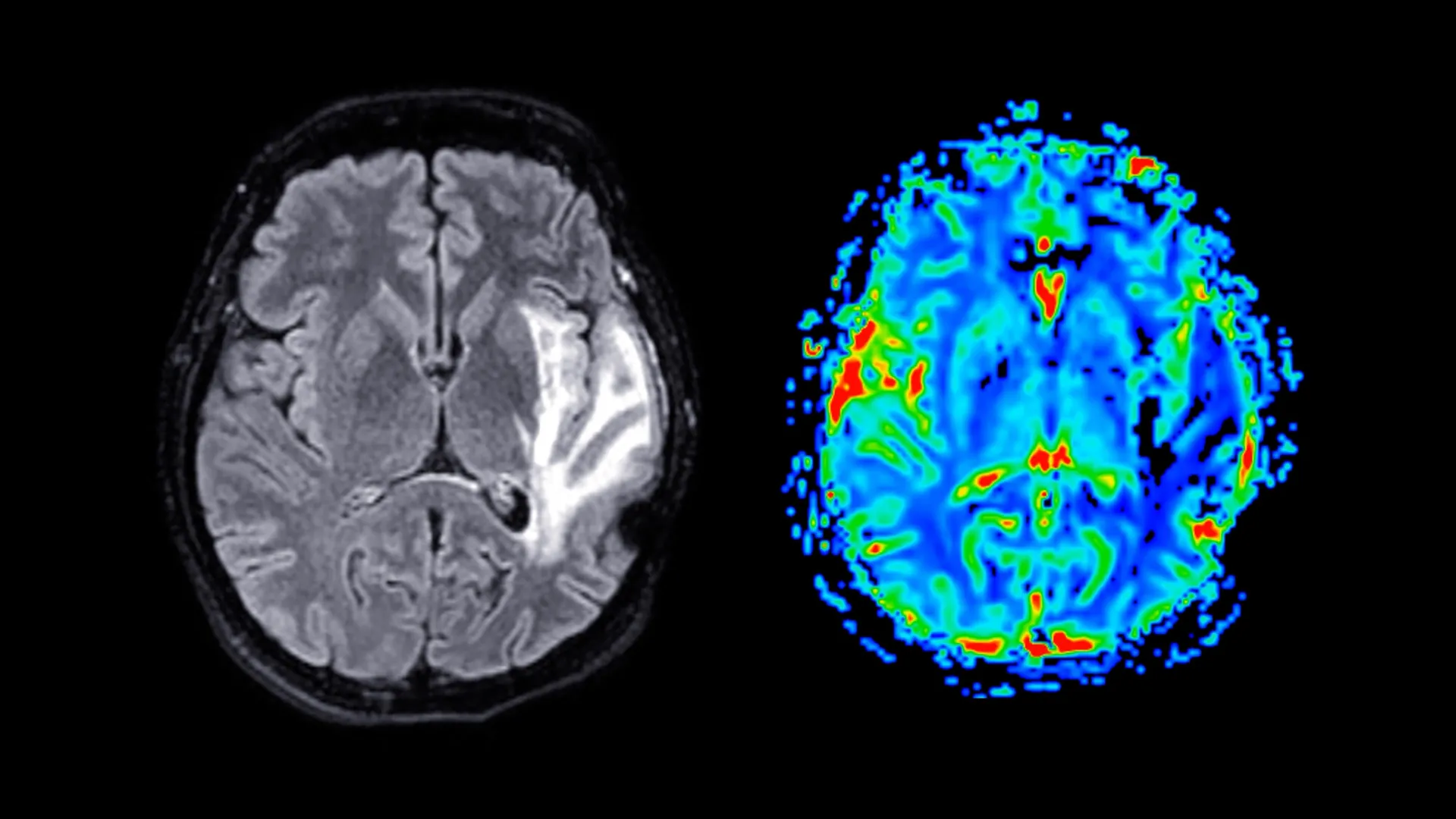
A significant body of scientific inquiry has illuminated a potent connection between specific physiological states and the subsequent development of neurodegenerative conditions, with recent findings pointing towards obesity and hypertension as not merely correlated but direct causative agents in the onset of dementia. This groundbreaking research, detailed in the esteemed Journal of Clinical Endocrinology & Metabolism, shifts the paradigm from association to causality, presenting a compelling case for proactive management of weight and blood pressure as critical pillars of cognitive preservation. Dementia, a complex and escalating global health challenge, currently lacks a definitive cure, leaving millions worldwide to grapple with a progressive deterioration of mental faculties. This decline affects essential cognitive functions such as memory recall, abstract reasoning, and the capacity for problem-solving, fundamentally altering an individual’s ability to navigate daily life. The condition encompasses a spectrum of neurological disorders, with Alzheimer’s disease, vascular dementia, and mixed dementia representing the most prevalent forms. These conditions are characterized by the insidious damage to neural pathways within the brain, leading to a worsening of symptoms over time, impacting language, behavior, and overall cognitive performance.
The investigative team, led by Professor Ruth Frikke-Schmidt, a distinguished figure at Copenhagen University Hospital and the University of Copenhagen, articulated their findings with clarity and conviction, stating that elevated Body Mass Index (BMI) and chronic hypertension are demonstrably direct instigators of dementia. This assertion underscores a pivotal insight: the prevention and effective treatment of conditions like obesity and high blood pressure represent a largely untapped reservoir of potential for averting the onset of dementia. The study’s robust conclusions were drawn from an extensive analysis of participant data, drawing from cohorts in Copenhagen and across the United Kingdom, providing a broad and diverse dataset. The results unequivocally demonstrated that the relationship between increased body weight and dementia is not merely correlational but causal, signifying that excess adiposity actively contributes to the pathological processes leading to cognitive impairment.
To meticulously untangle the complex interplay of factors and establish a definitive causal link, the researchers employed a sophisticated methodological approach known as Mendelian randomization. This technique serves as a powerful proxy for randomized controlled trials, leveraging naturally occurring genetic variations that influence specific traits, in this instance, BMI. By examining common genetic variants predisposed to higher BMI, the researchers effectively simulated the impact of interventions aimed at altering body weight, analogous to administering a weight-loss medication. In the realm of clinical trials, participants are typically assigned randomly to receive either an active therapeutic agent or a placebo, thereby isolating the effect of the treatment. Similarly, Mendelian randomization capitalizes on the random inheritance of genetic material from parents to offspring. Certain genetic predispositions are randomly passed down, leading to variations in BMI among individuals, independent of other lifestyle or environmental factors that might otherwise confound research outcomes. This inherent randomness in genetic inheritance allows scientists to observe the impact of BMI on disease development with a remarkable degree of clarity, minimizing the influence of confounding variables that can often obscure true cause-and-effect relationships in observational studies. Through this rigorous genetic lens, the research team was able to confidently identify high BMI as a direct contributor to an elevated risk of developing dementia.
Further analysis within the study spotlighted the critical role of blood pressure, revealing that a substantial portion of the increased dementia risk associated with obesity is mediated by the presence of hypertension. This significant finding strongly suggests that a dual strategy focused on preventing or effectively managing both obesity and high blood pressure could substantially reduce the likelihood of individuals experiencing cognitive decline later in life. Professor Frikke-Schmidt reiterated the profound implications of these findings, emphasizing that excessive body weight and elevated blood pressure should not be viewed merely as symptomatic indicators but as direct drivers of dementia pathology, thereby positioning them as highly actionable targets for preventative interventions.
The implications for early intervention strategies are particularly compelling, with researchers highlighting the critical timing of therapeutic interventions. While weight-loss medications have been explored in individuals already exhibiting early signs of Alzheimer’s disease, these treatments have not demonstrated a capacity to halt or reverse cognitive decline once symptoms have manifested. However, the study’s findings strongly imply that initiating such interventions prior to the onset of cognitive symptoms could prove profoundly protective. The crucial question that remains is whether therapeutic agents designed to promote weight loss, administered before the insidious development of cognitive impairment, could serve as a prophylactic measure against dementia. The current data strongly supports the hypothesis that early-stage weight-loss interventions are likely to prevent dementia, with a particular emphasis on mitigating the risk of vascular-related dementia, which is intricately linked to the health of blood vessels in the brain.
The collaborative effort behind this research involved a distinguished group of scientists. Contributing authors to this seminal work include Liv Tybjærg Nordestgaard from Copenhagen University Hospital — Rigshospitalet and the University of Bristol; Jiao Luo, Frida Emanuelsson, and Mette Christoffersen from Copenhagen University Hospital — Rigshospitalet; Genevieve Leyden, Eleanor Sanderson, and George Davey Smith from the University of Bristol; Børge Nordestgaard and Shoaib Afzal from Copenhagen University Hospital – Herlev Gentofte and the University of Copenhagen; and Marianne Benn and Anne Tybjærg-Hansen from Copenhagen University Hospital — Rigshospitalet and the University of Copenhagen. This multidisciplinary team brought together expertise from leading research institutions, underscoring the comprehensive nature of the investigation. The research was generously supported by funding from the Independent Research Fund Denmark, the Capital Region of Denmark, the Lundbeck Foundation, Hjerteforeningen, and Sygeforsikringen Danmark, organizations dedicated to advancing scientific understanding and public health. The complete findings of this pivotal study, under the title "High Body Mass Index as a Causal Risk Factor for Vascular-related Dementia a Mendelian Randomization Study," were made available online in anticipation of their formal print publication, signaling a significant advancement in the understanding of dementia’s etiology.
About the Author