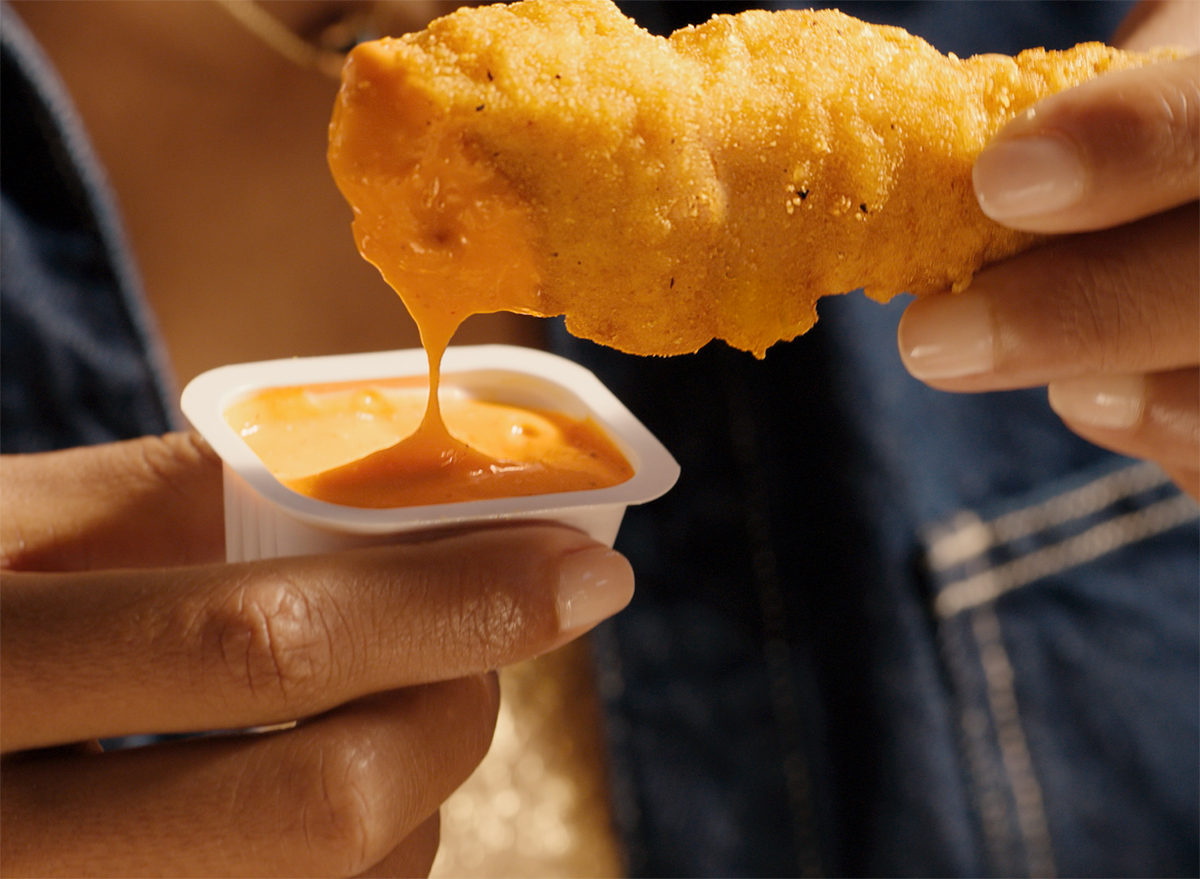
In a significant move to strengthen its position within the fiercely competitive fast-food landscape, McDonald’s Corporation has initiated regional trials for an expanded and enhanced chicken menu. These strategic pilots, currently underway in select Chicago-area locations, include novel hand-breaded McCrispy tenders, bone-in wings, and a pair of new grilled chicken sandwiches. The introduction of these items signals a deliberate effort by the global quick-service giant to innovate its poultry offerings, directly responding to evolving consumer preferences and the sustained high demand for chicken products that has characterized the industry in recent years. Early reactions from consumers and online food commentators suggest a positive reception, particularly for the crispy chicken items, with many drawing favorable comparisons to established competitors known for their fried chicken expertise.
The impetus behind McDonald’s intensified focus on chicken is multifaceted, reflecting both shifts in consumer palate and broader economic trends. Throughout 2025, the fast-food sector experienced what analysts termed a "chicken renaissance," driven in part by fluctuating beef prices that made poultry a more economically attractive and sustainable protein source for both brands and diners. This period saw numerous chains expand their chicken offerings, ranging from innovative sandwiches to new categories of tenders and wings. McDonald’s, while a dominant force in burgers, has historically sought to carve out a larger share of the chicken market, a segment where rivals like Chick-fil-A, Popeyes, and KFC have long held strong footholds. The return of fan favorites, such as the Snack Wraps, earlier in 2025, underscored a latent, yet significant, consumer appetite for diverse chicken options from the Golden Arches.
Central to the current trials are the new McCrispy tenders, which are reportedly distinguished by their "hand-breaded" preparation. This particular detail is crucial, suggesting a departure from the more standardized, often pre-processed breading methods commonly employed in large-scale fast-food operations. Hand-breading implies a more artisanal approach, potentially leading to a unique texture, irregular, craggy crust, and a perception of higher quality and freshness. For a brand of McDonald’s scale, implementing a hand-breading process nationwide would represent a considerable operational shift, demanding new training protocols, equipment, and supply chain adjustments. Initial photographic evidence and diner reports circulating on social media platforms, including Reddit and influencer accounts like Snackolator, indicate that these new tenders possess a visually appealing, robust breading that many users instantly likened to the signature style of Popeyes Louisiana Kitchen, a brand renowned for its distinctive fried chicken.
Beyond the crispy tenders, the Chicago test markets are also evaluating hand-breaded bone-in wings. While McDonald’s has experimented with wings in the past, notably with the "Mighty Wings" a decade ago, these new iterations are described as being hand-breaded in-store, echoing the quality emphasis seen with the tenders. The reintroduction of wings could tap into a different consumption occasion, appealing to groups or those seeking a snack-oriented poultry option. Furthermore, the trials extend to grilled chicken sandwiches, presenting two distinct options: a Deluxe version and a BBQ Bacon variant. The inclusion of grilled chicken addresses a long-standing consumer request for healthier, non-fried alternatives, a segment that McDonald’s has intermittently offered over the years but has not consistently maintained. The return of grilled chicken signifies an effort to cater to a broader demographic, including those seeking lighter fare or alternative flavor profiles.
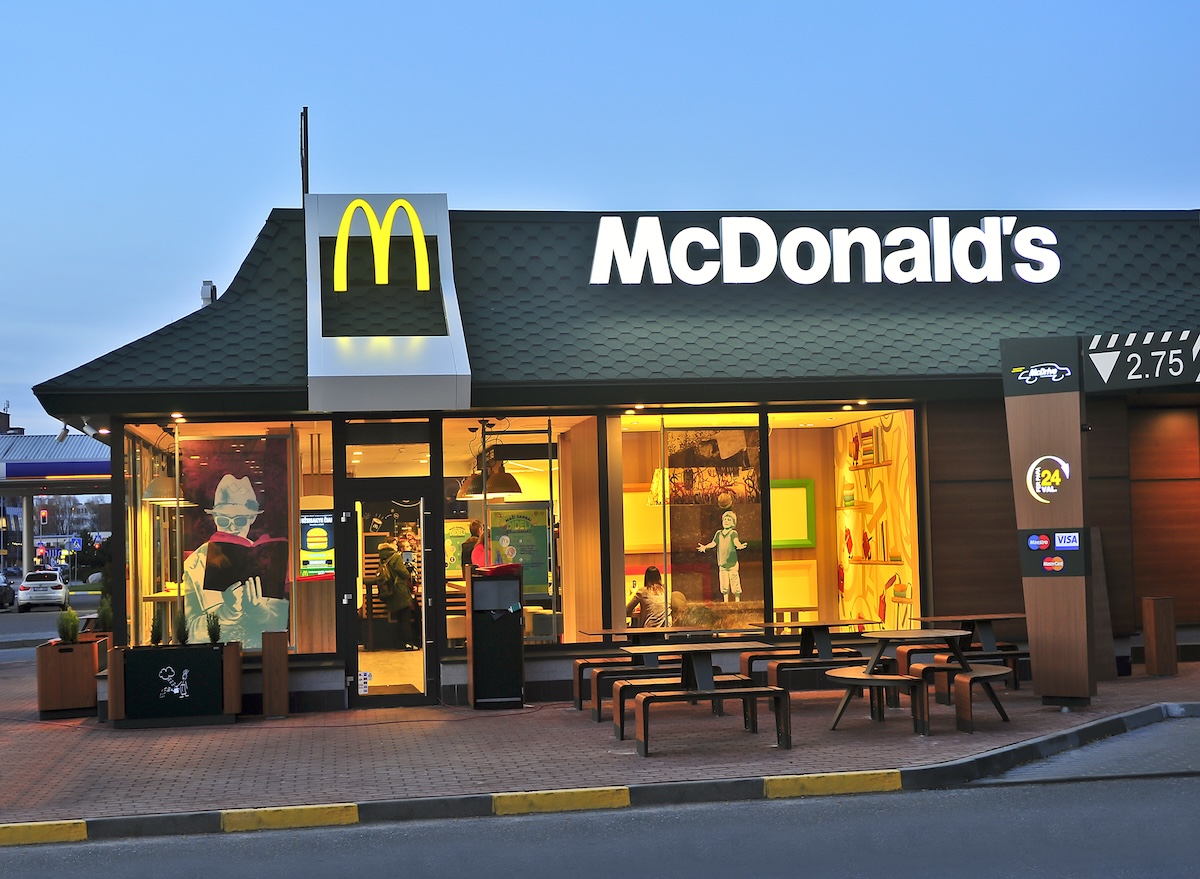
The decision to launch these extensive trials in Chicago, McDonald’s home city and a major metropolitan hub, is a calculated strategic choice. Test markets are vital for fast-food chains to gauge consumer reaction, refine operational processes, and assess the scalability of new menu items before a potential broader rollout. Chicago provides a diverse demographic sample and a competitive culinary environment, making it an ideal proving ground for such significant menu innovations. The news of these trials first emerged through prominent online food influencers and Reddit communities, where early diners shared photos and reviews. This organic spread of information through digital channels has become a standard, yet powerful, mechanism for fast-food brands to generate buzz and gather real-time, unfiltered feedback directly from their target audience, often before official corporate announcements.
Consumer sentiment, as captured across various online forums and social media discussions, is largely enthusiastic. Redditors, in particular, expressed considerable excitement, with one user noting that the new hand-breaded McCrispy strips "look like real food now," a comment that speaks volumes about current perceptions of fast-food quality and authenticity. The repeated comparison to Popeyes’ renowned fried chicken is perhaps the most significant indicator of potential success, suggesting that McDonald’s may have finally developed a fried chicken product capable of challenging a market leader. Many online commentators also voiced hopes for a nationwide release, indicating a strong desire for these items to become permanent fixtures on the menu. The reintroduction of grilled chicken sandwiches was also met with widespread approval, with diners welcoming the return of a "healthier" option and praising the improved aesthetic of the new grilled chicken offerings. Additionally, the potential return of bone-in wings sparked nostalgia among some long-time customers, referencing the previous "Mighty Wings" and expressing excitement for their updated iteration.
From a strategic standpoint, these trials represent a crucial moment for McDonald’s. A successful national rollout of these enhanced chicken items could significantly boost the company’s market share in a segment that has seen explosive growth. It would also allow McDonald’s to diversify its menu beyond its iconic beef burgers and McNuggets, appealing to a wider customer base and potentially increasing average transaction values. The emphasis on "hand-breaded" products, if scalable, could also elevate the brand’s perception of quality and freshness, helping it compete more effectively with fast-casual chains and other premium quick-service restaurants. However, scaling a hand-breaded process to thousands of locations globally presents formidable operational and logistical challenges, from ensuring consistent quality to managing increased labor demands and kitchen complexity.
Looking ahead, the broader fast-food industry will undoubtedly be watching these McDonald’s trials closely. Should these new chicken items prove popular and operationally viable for a national rollout, they could further intensify the "chicken wars," prompting rival chains to innovate or refine their own poultry offerings. The success or failure of McDonald’s latest foray into premium chicken will offer valuable insights into consumer willingness to embrace higher-quality, more labor-intensive menu items from a mass-market brand. While there is currently no official timeline or guarantee for a broader release, the overwhelmingly positive initial consumer reaction suggests that McDonald’s might be on the cusp of a significant culinary evolution, potentially redefining its role in the ever-evolving fast-food chicken landscape. The coming months will be critical in determining whether these localized trials will translate into a nationwide poultry revolution for the Golden Arches.
About the Author