For many individuals embarking on a fitness journey or seeking to optimize their current regimen, a pervasive assumption often takes root: that the duration of a workout directly correlates with its effectiveness. This widespread notion suggests that longer hours spent in the gym, engaging with various machines and free weights, are the sole pathway to significant strength gains. However, contemporary exercise science and practical experience increasingly challenge this premise, demonstrating that the quality and intensity of training often far outweigh its length. Research consistently indicates that beyond a specific threshold, extending workout sessions can lead to reduced efficacy, with the body reaching a point of diminishing returns rather than exponential growth. True muscular development and enhanced strength are not merely a product of time commitment but rather the precise application of physiological principles, notably adequate time under muscular tension, comprehensive muscle fiber engagement, and sustained, deliberate effort maintained over successive training cycles.
Scientific investigations comparing concise, high-intensity strength training protocols against more prolonged, less focused exercise sessions have frequently yielded compelling results. These studies often reveal comparable or even superior improvements in muscular strength and hypertrophy when the primary focus shifts to maximizing intensity and maintaining meticulous control over movements. This paradigm shift holds profound implications, particularly for those navigating demanding personal and professional schedules, individuals managing joint health concerns, or anyone seeking a more efficient recovery process. The revelation that substantial strength can be cultivated within remarkably brief periods, sometimes as little as twelve minutes daily, represents a transformative insight for modern fitness.
To delve deeper into this highly efficient approach, we consulted James Brady, a certified personal trainer affiliated with OriGym, an esteemed fitness education provider. Brady elucidates a potent twelve-minute bodyweight routine, specifically engineered to potentially surpass the strength-building capabilities of conventional hour-long gym sessions. His philosophy underpins the efficacy of this method: "Strength is fundamentally about quality of execution, not the arbitrary allocation of time." Brady emphasizes that a meticulously structured, twelve-minute regimen, when executed with precision and high effort, possesses the inherent capacity to outperform lengthier, less focused gym visits. The core tenets of this routine involve utilizing only one’s body weight, incorporating minimal rest periods, and prioritizing deliberate, controlled movements. The overarching objective, according to Brady, is to achieve full-body muscular tension with every single repetition performed.
The advantages of embracing such a condensed, bodyweight-centric training model extend far beyond mere time efficiency. For individuals with limited access to gym facilities or specialized equipment, bodyweight exercises offer an unparalleled level of accessibility, allowing for effective training virtually anywhere. This inherent portability fosters consistency, a critical element for long-term progress. Furthermore, bodyweight movements inherently promote functional strength, recruiting multiple muscle groups simultaneously to stabilize the body and execute complex patterns, mirroring real-life movements more closely than isolated machine exercises. This holistic engagement also contributes to improved proprioception, balance, and coordination. The reduced impact on joints, particularly compared to heavy weightlifting, makes bodyweight training an excellent option for those with pre-existing joint sensitivities or individuals seeking to minimize wear and tear on their musculoskeletal system. The emphasis on controlled movement and proper form, a cornerstone of high-quality bodyweight training, also significantly reduces the risk of injury.
The carefully curated sequence of exercises within this twelve-minute protocol targets major muscle groups across the entire body, ensuring a comprehensive stimulus for strength development. Each movement is selected for its multi-joint nature and its capacity to elicit significant muscle activation without external resistance.
The Foundational Six: Core Movements for Optimal Strength
-
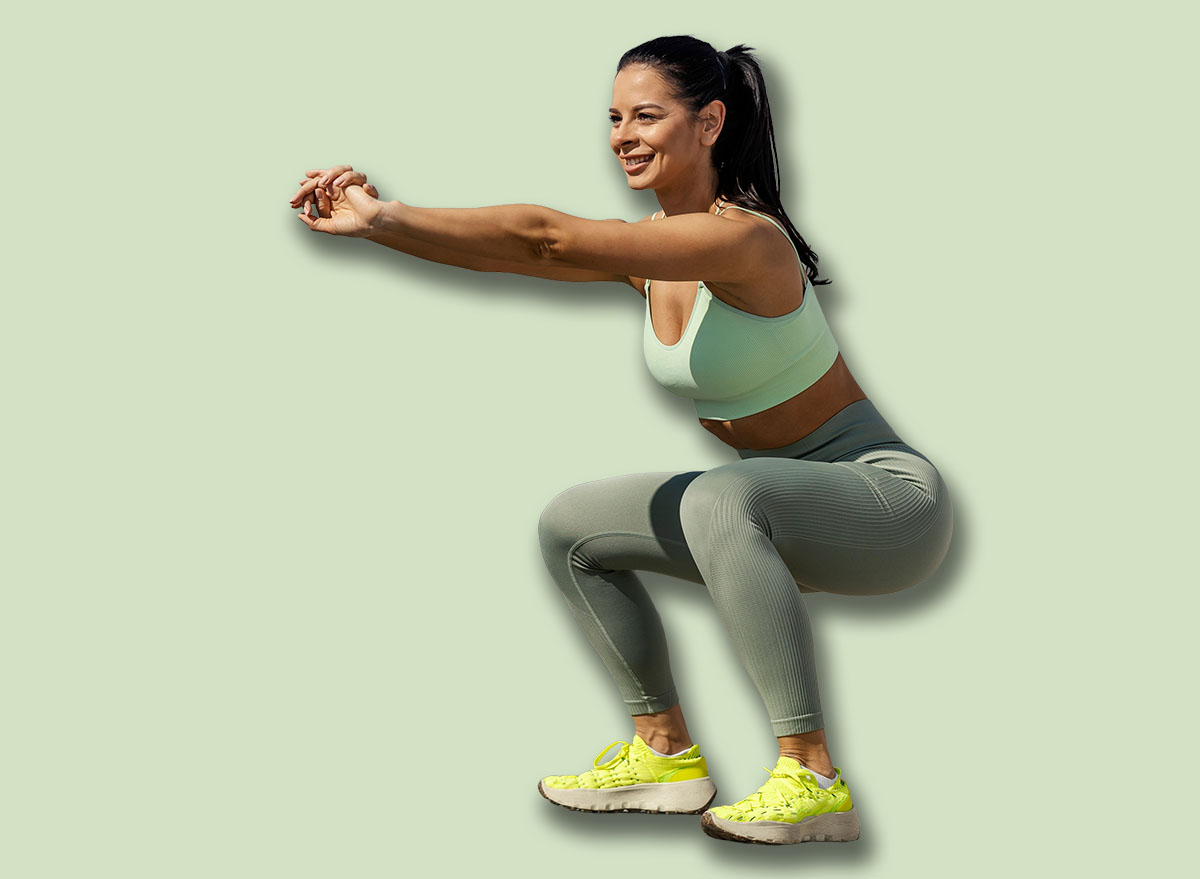
Bodyweight Squats: Widely recognized as a cornerstone of lower-body and core development, the bodyweight squat is a compound movement that simultaneously engages the quadriceps, hamstrings, glutes, and core musculature. Unlike many gym machines that isolate specific muscle groups, squats necessitate the coordinated effort of numerous muscles for stability and motion, thereby fostering integrated strength and improving functional movement patterns essential for daily activities. Proper execution involves maintaining a neutral spine, driving through the heels, and descending to a depth that challenges the range of motion without compromising form.
-
Push-ups: This quintessential upper-body exercise has withstood the test of time, proving its efficacy in cultivating strength across the chest, shoulders, and triceps, while also heavily recruiting the core for stabilization. The push-up’s superiority over machine-based chest presses lies in its requirement for the entire body to act as a cohesive unit, dynamically stabilizing the torso and pelvis throughout the movement. This integrated effort significantly enhances muscle activation and contributes to more functional upper-body strength. Variations in hand placement and body angle allow for progressive overload as strength improves.
-
Reverse Lunges: Among the most joint-friendly approaches to developing unilateral leg strength, the reverse lunge stands out. By stepping backward rather than forward, the movement significantly diminishes shear forces on the knees, making it an excellent option for individuals with knee discomfort. Simultaneously, this backward motion places a heightened demand on the gluteal muscles and hip extensors, promoting powerful and balanced lower-body development. This single-leg exercise also significantly improves balance and coordination, crucial components of overall athletic performance and injury prevention.
-
Glute Bridges: Focusing intently on the posterior chain—the network of muscles along the backside of the body—the glute bridge is paramount for strengthening the glutes and hamstrings. These muscle groups are not only critical for explosive power and athletic performance but also play a vital role in stabilizing the lumbar spine and mitigating lower back pain. By actively engaging these often-underutilized muscles, the glute bridge contributes to improved posture, enhanced hip extension capabilities, and a more robust foundation for all physical movements.
-
Standing Plank Hold: While deceptively challenging when executed correctly, the standing plank hold is an isometric exercise that specifically targets and activates the deep core muscles. Unlike dynamic core movements, this hold emphasizes sustained muscular contraction, which is instrumental in reinforcing spinal stability, improving postural alignment, and enhancing breathing control. The subtle engagement required throughout the body makes it a powerful, low-impact method for building foundational core strength and endurance without placing undue stress on the spine.
-
Slow Mountain Climbers: This dynamic exercise delivers a comprehensive challenge, engaging the shoulders, core, hips, and cardiovascular system simultaneously. By emphasizing a slow, controlled tempo rather than speed, the movement shifts its focus from pure cardio to building full-body strength and muscular endurance. The deliberate motion necessitates sustained core engagement to maintain stability while the limbs move, thereby enhancing coordination, muscular control, and overall body awareness. It serves as an excellent functional exercise that integrates upper body stability with lower body drive.
To maximize the benefits within this concise timeframe, specific execution principles are crucial. Adherence to strict form, maintaining continuous tension on the working muscles, and minimizing rest between sets or exercises are paramount. The intensity stems not from high repetitions alone, but from the mindful engagement of every muscle fiber throughout the full range of motion. As strength progresses, individuals can introduce subtle forms of progressive overload even with bodyweight, such as increasing repetitions, slowing down the tempo of movements (to increase time under tension), reducing rest periods, or exploring more advanced variations of each exercise.
While this twelve-minute routine offers a powerful pathway to enhanced strength, it is essential to remember that physical fitness is a multifaceted endeavor. The integration of this efficient training protocol into a broader lifestyle that prioritizes adequate nutrition, sufficient sleep for recovery, and consistent adherence is fundamental for realizing sustainable and long-term results. The body’s ability to adapt and grow is not solely dependent on the workout itself but on the supportive environment created around it.
In conclusion, the antiquated belief that lengthy gym sessions are a prerequisite for significant strength development is being progressively dismantled by scientific evidence and expert insights. A highly focused, intensity-driven bodyweight routine, executed with precision and deliberate effort over a brief duration, represents an incredibly potent and accessible method for cultivating substantial strength. By prioritizing the quality of movement, comprehensive muscle engagement, and consistent application, individuals can unlock their full strength potential in minutes, not hours, proving that true power lies not in the clock, but in the intelligent application of effort.
About the Author