
As individuals transition into their mid-fifties and beyond, navigating changes in body composition, particularly the accumulation of abdominal fat, often becomes a significant health concern. This phase of life frequently brings about physiological shifts, including a natural decline in metabolic rate, alterations in hormonal balance, and a tendency towards sarcopenia—the age-related loss of muscle mass. These factors collectively contribute to a greater propensity for adiposity, especially around the midsection, which is clinically known as central or abdominal adiposity. Beyond aesthetic considerations, this type of fat, particularly visceral fat that surrounds internal organs, poses substantial health risks, elevating the likelihood of developing conditions such as metabolic syndrome, type 2 diabetes, and cardiovascular diseases. Consequently, adopting targeted and sustainable physical activity protocols becomes paramount for managing body weight and enhancing overall well-being during these years. While many forms of exercise offer benefits, incline walking stands out as an exceptionally effective and accessible strategy for individuals aiming to mitigate these age-related challenges and specifically target abdominal fat stores.
The fundamental principle underlying any successful fat reduction strategy is the creation of a consistent energy deficit, meaning the body expends more calories than it consumes over time. While dietary modifications play a critical role in managing caloric intake, physical activity is crucial for increasing caloric expenditure. Among various forms of exercise, walking is widely recognized for its approachability and low-impact nature, making it suitable for a broad demographic, including older adults who may have joint sensitivities or are new to structured exercise. However, simply walking on a flat surface, while beneficial for general activity, may not always generate the sustained intensity required to significantly impact stubborn fat reserves, especially visceral fat, which often requires a more pronounced metabolic stimulus.
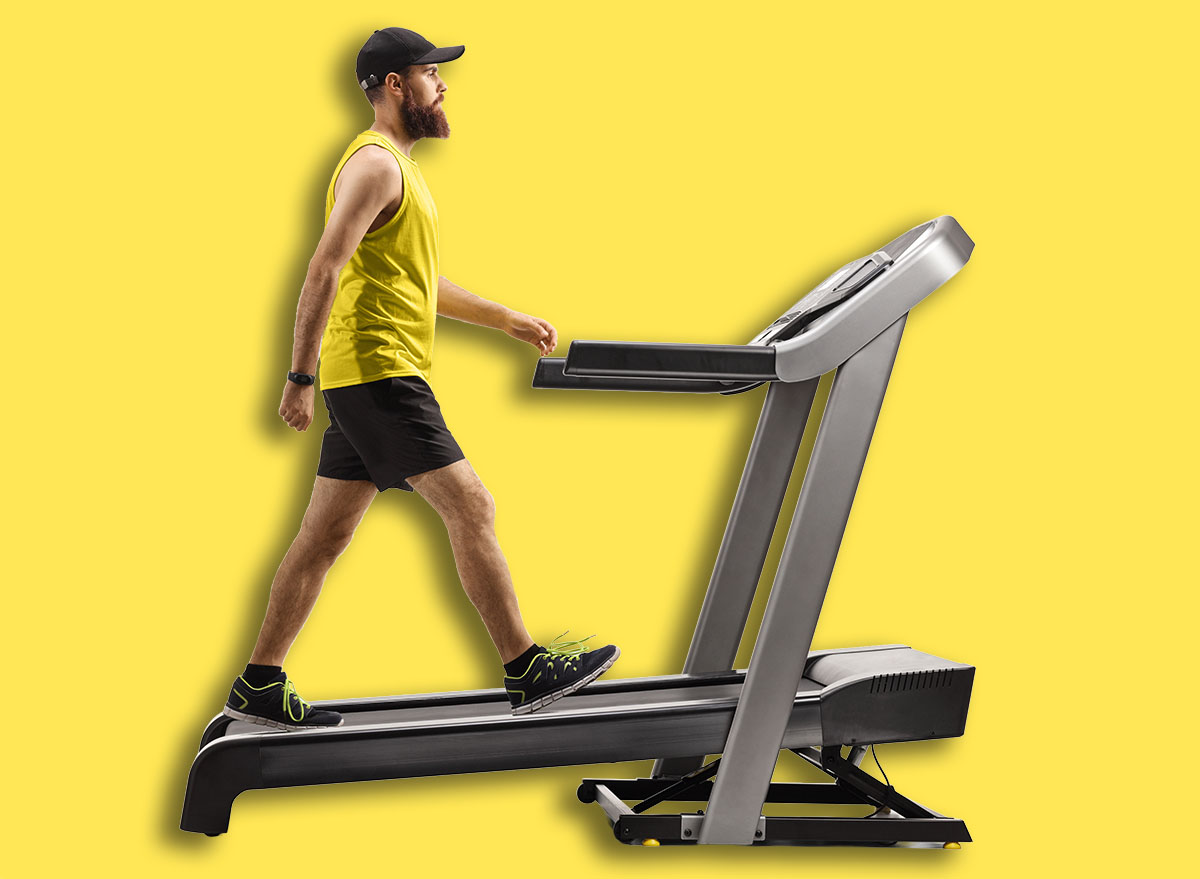
This is where integrating an incline into walking routines offers a distinct advantage. By elevating the walking surface, whether on a treadmill or by traversing natural hills, the body is compelled to work harder against gravity. This increased effort translates directly into several physiological benefits that accelerate fat loss and improve cardiovascular fitness. Firstly, an incline significantly boosts the energy demand of the workout, leading to a higher calorie burn compared to walking at the same speed on a flat plane. This amplified energy expenditure makes achieving the necessary caloric deficit more feasible. Secondly, incline walking engages a broader array of muscle groups, particularly targeting the glutes, hamstrings, and core stabilizers, more intensely than flat walking. This increased muscle recruitment not only contributes to a higher metabolic rate during the exercise but also helps to build and maintain lean muscle mass, which is crucial for combating sarcopenia and supporting a healthy metabolism long-term. Furthermore, despite the increased exertion, incline walking remains remarkably joint-friendly. Unlike high-impact activities such as running, which can place considerable stress on knees and hips, walking on an incline allows for a vigorous cardiovascular workout without the jarring impact, making it an ideal choice for individuals prioritizing joint health and recovery.
To harness the full potential of incline walking, it must be integrated into a comprehensive wellness framework that extends beyond just physical activity. While dedicated exercise is a powerful catalyst for change, it functions most effectively when supported by other healthy lifestyle choices. A balanced nutritional approach, emphasizing lean proteins, fiber-rich fruits and vegetables, and healthy fats, is essential for managing caloric intake and providing the necessary nutrients for recovery and muscle maintenance. Concurrent strength training, even with light weights or bodyweight exercises, is vital for preserving and building muscle mass, which in turn supports metabolic function and overall physical capacity. Adequate sleep, stress management techniques, and proper hydration also play indispensable roles in optimizing hormonal balance, recovery, and the body’s ability to shed excess fat. In this holistic context, incline walking serves as a potent lever, enhancing energy output and contributing significantly to the desired body composition changes.
The efficacy of incline walking for abdominal fat reduction, particularly after age 55, hinges critically on consistent application and appropriate duration. The body adapts and responds most favorably to a regular stimulus that challenges its energy systems without leading to overtraining or injury. The objective is not to engage in excessively long or overly strenuous sessions, but rather to find a sweet spot where the effort is sustainable, repeatable, and incrementally progressive.
To provide clear actionable guidance, here are two structured incline walking protocols, designed to support fat reduction and improve cardiovascular health in older adults, as recommended by fitness professionals:
Protocol 1: Sustained Moderate-Intensity Incline Walking
This approach emphasizes consistent, steady effort over an extended period. It is designed to build a reliable caloric expenditure over time, foster cardiovascular endurance, and minimize recovery demands, making it suitable for frequent engagement. This protocol is ideal for most days of the week when a person feels energized and seeks a workout that seamlessly fits into their daily routine without causing excessive fatigue.
- Duration: Aim for 40 to 50 minutes per session. This duration allows for a significant period of elevated heart rate and sustained calorie burning, contributing effectively to a caloric deficit.
- Frequency: Engage in this workout four to six days per week. The high frequency is permissible due to its moderate intensity and lower impact, ensuring consistent energy expenditure.
- Incline Setting: Start with a moderate incline, typically between 4% and 7%. Adjust this based on personal fitness level, ensuring a challenging but sustainable pace. The goal is to feel a noticeable increase in effort compared to flat walking.
- Speed: Maintain a brisk walking pace that allows for conversation but makes it slightly challenging (a perceived exertion level of 5-7 out of 10). A typical speed might range from 2.5 to 3.5 miles per hour, depending on individual stride and fitness.
- Warm-up & Cool-down: Begin with 5 minutes of walking on a flat surface at a gentle pace to warm up muscles. Conclude with 5 minutes of slow walking and light stretching for a proper cool-down.
Protocol 2: Interval-Based Incline Walking
This method incorporates short bursts of higher intensity interspersed with recovery periods, designed to maximize calorie burn in a shorter timeframe and enhance cardiovascular conditioning. It’s an excellent option for one to two days per week, especially on days when time is limited or when aiming for a more intense metabolic stimulus. The focus here is on controlled bursts of effort, not pushing to exhaustion.
- Duration: Total session time should be approximately 30 to 35 minutes, including warm-up and cool-down.
- Frequency: Implement this protocol one to two days per week, ideally alternating with the sustained moderate-intensity sessions or on separate days.
- Structure:
- Warm-up: 5 minutes of gentle walking on a flat surface.
- Work Intervals (Repeat 5-7 times):
- 2-3 minutes at a challenging incline (e.g., 8-12%) and a brisk pace (perceived exertion 7-8 out of 10).
- 2-3 minutes at a lower incline (e.g., 2-4%) and a moderate recovery pace (perceived exertion 4-5 out of 10).
- Cool-down: 5 minutes of slow walking on a flat surface, followed by stretching.
- Progression: As fitness improves, gradually increase the incline during work intervals, slightly increase the brisk pace, or extend the duration of the work intervals.
Key Considerations for Maximizing Results and Sustaining Progress:

Beyond adhering to these protocols, several best practices can amplify the effectiveness of incline walking and ensure long-term adherence:
- Maintain Proper Form: Focus on an upright posture, engaging the core, and allowing arms to swing naturally. Avoid leaning heavily on treadmill handrails, as this reduces the effectiveness of the workout and can lead to musculoskeletal imbalances.
- Stay Hydrated: Consume adequate water throughout the day, particularly before, during, and after exercise, to support metabolic processes and prevent fatigue.
- Listen to Your Body: Pay close attention to how your body feels. If you experience pain, stop and assess. Adjust intensity or duration based on energy levels and recovery needs. Consistency is more valuable than sporadic, overly intense efforts that lead to burnout or injury.
- Progressive Overload: To continue seeing results, gradually challenge your body. This could mean increasing the incline, extending the duration, or slightly increasing the speed over time. Avoid plateauing by making small, consistent adjustments.
- Incorporate Variety: To prevent boredom and challenge different muscle groups, consider varying your incline settings, experimenting with different speeds, or even taking your incline walking outdoors on hilly terrain when possible.
- Track Your Progress: Monitoring your activity using fitness trackers or a simple log can provide motivation and help you identify trends in your performance and well-being. Focus on metrics beyond just weight, such as changes in body measurements, energy levels, and how your clothes fit.
- Seek Professional Guidance: For individuals with pre-existing health conditions or significant fitness challenges, consulting a healthcare provider or a certified strength and conditioning specialist (CSCS) like Jarrod Nobbe can ensure that the exercise plan is safe, appropriate, and tailored to individual needs.
In conclusion, strategic incline walking offers a powerful, accessible, and joint-friendly pathway for individuals over 55 to effectively address abdominal fat accumulation and enhance overall health. By understanding the physiological benefits, structuring workouts with purpose, and integrating these efforts into a holistic lifestyle approach that includes balanced nutrition and strength training, one can unlock significant improvements in body composition, metabolic health, and sustained vitality for years to come. The journey towards better health is continuous, and consistent, informed action, starting with purposeful movement, lays the groundwork for a more vibrant and energetic life.
About the Author