As individuals navigate the journey of aging, the preservation of physical autonomy becomes an increasingly vital aspect of overall well-being and quality of life. Among the myriad daily activities that define independent living, the seemingly simple act of ascending and descending stairs stands out as a crucial benchmark of functional fitness. The ability to climb stairs without undue strain or concern for stability is not merely a convenience; it reflects robust lower-body strength, dynamic balance, and sufficient power output, all of which tend to diminish with advancing years. This gradual decline, primarily attributed to a phenomenon known as sarcopenia—the age-related loss of muscle mass and strength—can significantly impact mobility and heighten the risk of falls. However, strategic engagement in targeted physical conditioning offers a potent countermeasure, allowing individuals to not only maintain but actively rebuild the strength essential for confident stair navigation.
Sarcopenia is a complex physiological process characterized by a progressive reduction in muscle fiber size and number, often accompanied by a decrease in motor neuron integrity and efficiency. This leads to a measurable decline in muscular power and endurance, making everyday tasks, such as rising from a chair, lifting groceries, or, indeed, climbing stairs, progressively more challenging. The muscles most acutely affected and critical for lower-body function include the quadriceps (front thigh muscles), gluteals (buttocks muscles), hamstrings (rear thigh muscles), and the calf muscles. A sedentary lifestyle, which often becomes more prevalent in later adulthood, exacerbates this muscle loss, creating a vicious cycle of decreased activity and accelerated decline. Furthermore, reduced muscle strength can compromise joint stability, particularly around the knees and hips, further complicating movements that demand controlled articulation and power.
Recognizing the profound implications of these age-related changes, wellness experts advocate for proactive strength training, particularly exercises that mimic real-life movements. Eric North, known as The Happiness Warrior—a wellness speaker, coach, and advocate dedicated to redefining aging with purpose and vitality—underscores the critical nature of addressing this decline. "Stair-climbing strength declines after 60 primarily due to sarcopenia, the age-related loss of muscle mass," North explains. He further elaborates that "key muscles affected include the quadriceps, glutes, hamstrings, and calves. This reduction is driven by decreased muscle fibers, reduced nerve support, increased sedentary behavior, and lowered power output." His insights highlight the physiological underpinnings of diminished mobility and emphasize the potential for intervention through structured exercise.
The strategic implementation of standing exercises is particularly beneficial in this context. These movements not only target the specific muscle groups vital for stair climbing but also simultaneously engage the core musculature and challenge balance, thereby offering a holistic approach to functional fitness. By integrating movements that require an upright posture, individuals enhance proprioception—the body’s sense of its position in space—and strengthen the stabilizing muscles crucial for preventing falls. North affirms this, stating, "Strengthening these areas improves stair climbing by boosting power for ascending, enhancing knee stability, and improving balance to reduce fall risk." The following five standing exercises, endorsed by North, represent a foundational regimen for cultivating the strength and stability required for robust stair mobility in later adulthood.
1. Stair Step-Ups: This fundamental exercise directly simulates the motion of climbing stairs, making it an incredibly effective tool for building sport-specific strength. By stepping onto an elevated surface, such as a sturdy step or the bottom stair, individuals engage the primary movers responsible for upward propulsion. The quadriceps are heavily recruited to extend the knee and lift the body, while the gluteal muscles provide powerful hip extension, driving the movement forward and upward. As the lead leg pushes off, the calf muscles contribute to the ‘toe-off’ phase, providing the final push. This exercise also demands significant balance and coordination, as the body must stabilize on one leg during the ascent and descent. North points out that "Step-ups/step-downs specifically target the quads and glutes to build strength for ascending and descending." Performing both step-ups (ascending) and controlled step-downs (descending) is crucial, as the eccentric (lowering) phase of muscle contraction is equally important for joint protection and control during stair descent, a common point of weakness.
2. Calf Raises: Often underestimated, the strength of the calf muscles (gastrocnemius and soleus) is paramount for effective stair climbing. These muscles are responsible for plantarflexion—the act of pointing the toes downward—which is critical for the "push-off" phase of each step. Strong calves provide the necessary propulsion to lift the body weight with each stride, especially during the final stages of a step. Furthermore, well-developed calves contribute significantly to ankle stability, which in turn enhances overall balance, particularly when navigating uneven surfaces or single-leg stance during stair climbing. Single-leg calf raises specifically isolate these muscles, demanding greater activation and challenging the body’s stabilizing mechanisms. "Single-leg calf raises strengthen the gastrocnemius for better toe-off power," North states, underscoring their direct impact on propulsion. Regular practice of calf raises can translate into a more powerful, less fatiguing stair climb and improved steadiness on one’s feet.
3. Chair Squats: While the name suggests a seated starting point, chair squats are a standing exercise that trains the body to lower itself into a seated position and then rise back up, closely mimicking the functional movement patterns required for standing from a chair, getting into and out of a car, and, crucially, generating power for climbing. This exercise predominantly targets the quadriceps, glutes, and hamstrings, engaging them synergistically to control the descent and power the ascent. The core muscles are also activated to maintain an upright posture throughout the movement. Unlike traditional free squats, the presence of a chair provides a safety net and a clear depth target, making it an excellent starting point for those rebuilding lower-body strength. The controlled lowering phase builds eccentric strength, which is vital for safe stair descent, while the upward push enhances concentric power for climbing. This exercise is a fundamental builder of functional leg strength and hip mobility, both of which are indispensable for managing stairs with ease.
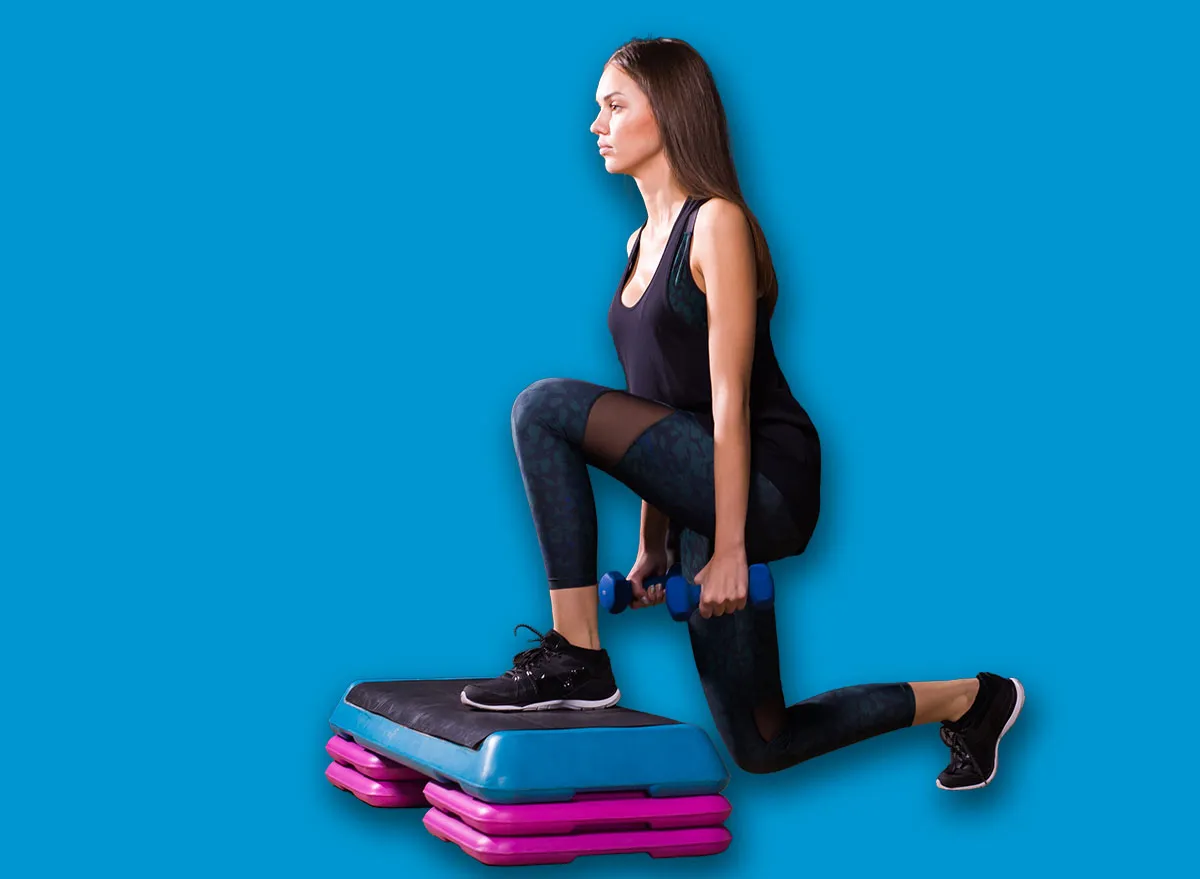
4. Stair Lunges: Lunges are exceptional for developing unilateral (single-leg) strength, balance, and coordination—all critical components of successful stair climbing. When performed on a stair, this exercise elevates the front foot, increasing the range of motion and intensity compared to a flat-ground lunge. As one leg steps forward onto a stair and the body lowers, the quadriceps, glutes, and hamstrings of the front leg work intensely to control the descent and power the return to the starting position. Simultaneously, the muscles of the trailing leg and the core engage to maintain stability and balance. This mimics the sequential, single-leg demands of stair climbing, where each leg must independently support and propel the body. Stair lunges are particularly effective for improving hip flexor mobility and strengthening the hip extensors, which are key for generating the upward drive needed for each step. The added height of the stair increases the challenge to balance and core stability, making it a highly functional movement for improving stair navigation.
5. Hip Hikes: While perhaps less intuitive than other exercises for stair climbing, hip hikes play a crucial role in strengthening the hip abductors and stabilizers, particularly the gluteus medius. These muscles are vital for maintaining pelvic stability during single-leg stance, which is precisely what occurs with every step taken on stairs. When one leg is lifted to step onto a stair, the hip abductors of the standing leg work to prevent the pelvis from dropping on the unsupported side. Weakness in these muscles can lead to a "Trendelenburg gait," characterized by a noticeable dip of the pelvis, which compromises balance and efficiency during ambulation and stair climbing, increasing the risk of falls. By performing hip hikes—lifting one hip while keeping the other foot grounded on an elevated surface—individuals directly target these crucial stabilizing muscles. This exercise enhances the body’s ability to maintain a level pelvis, leading to a more stable, controlled, and confident stair climb.
Beyond the immediate benefit of improved stair mobility, engaging in a consistent program of functional strength training offers a multitude of advantages for aging individuals. Weight-bearing exercises like these contribute significantly to building and maintaining bone density, thereby reducing the risk of osteoporosis and associated fractures. Stronger muscles also enhance metabolic health, improve glucose regulation, and contribute to better weight management. Furthermore, the enhanced balance and coordination developed through these exercises dramatically lower the risk of falls, a leading cause of injury and loss of independence among seniors. The psychological benefits are equally profound; maintaining physical capabilities fosters a sense of self-efficacy, boosts confidence, and enables continued participation in social activities, thus enriching overall mental and emotional well-being.
In conclusion, the journey of aging need not equate to a decline in physical capability or a surrender of independence. By proactively embracing a regimen of targeted, functional standing exercises, individuals can effectively counteract the effects of sarcopenia and rebuild the foundational strength necessary for everyday tasks, particularly stair climbing. The insights provided by experts like Eric North highlight that through consistent effort directed at key muscle groups and balance mechanisms, anyone can enhance their mobility, reduce their risk of injury, and continue to live a full, active, and autonomous life, confidently ascending every step that lies ahead.
About the Author