Researchers at the University of Liège have illuminated a pivotal genetic mechanism that underpins the robust functioning and sustained health of vital organs, pinpointing a specific molecular regulator that dictates the maturation of critical immune cells known as macrophages. This identified genetic orchestrator, designated as MafB, operates as a sophisticated biological switch, capable of activating or deactivating particular genes at precise junctures and within designated cellular environments. Through its precise control over genetic expression, MafB empowers macrophages to attain their full defensive and supportive capabilities, thereby ensuring the normal physiological operations of organs throughout the organism. Conversely, the absence or malfunction of MafB leads to an impairment in these cells, rendering them incapable of fulfilling their indispensable protective duties.
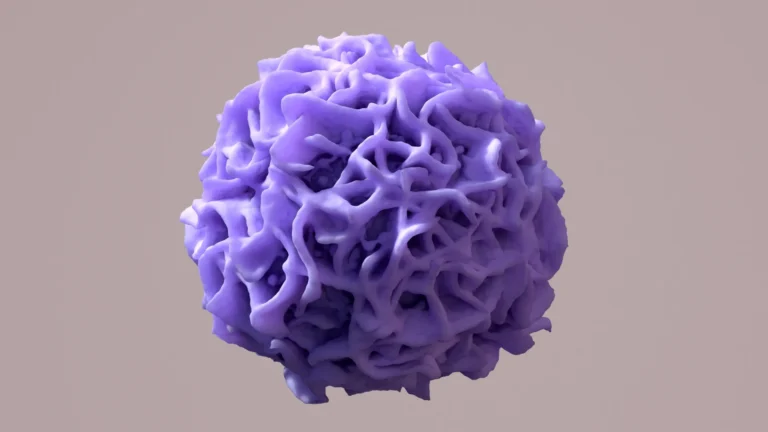
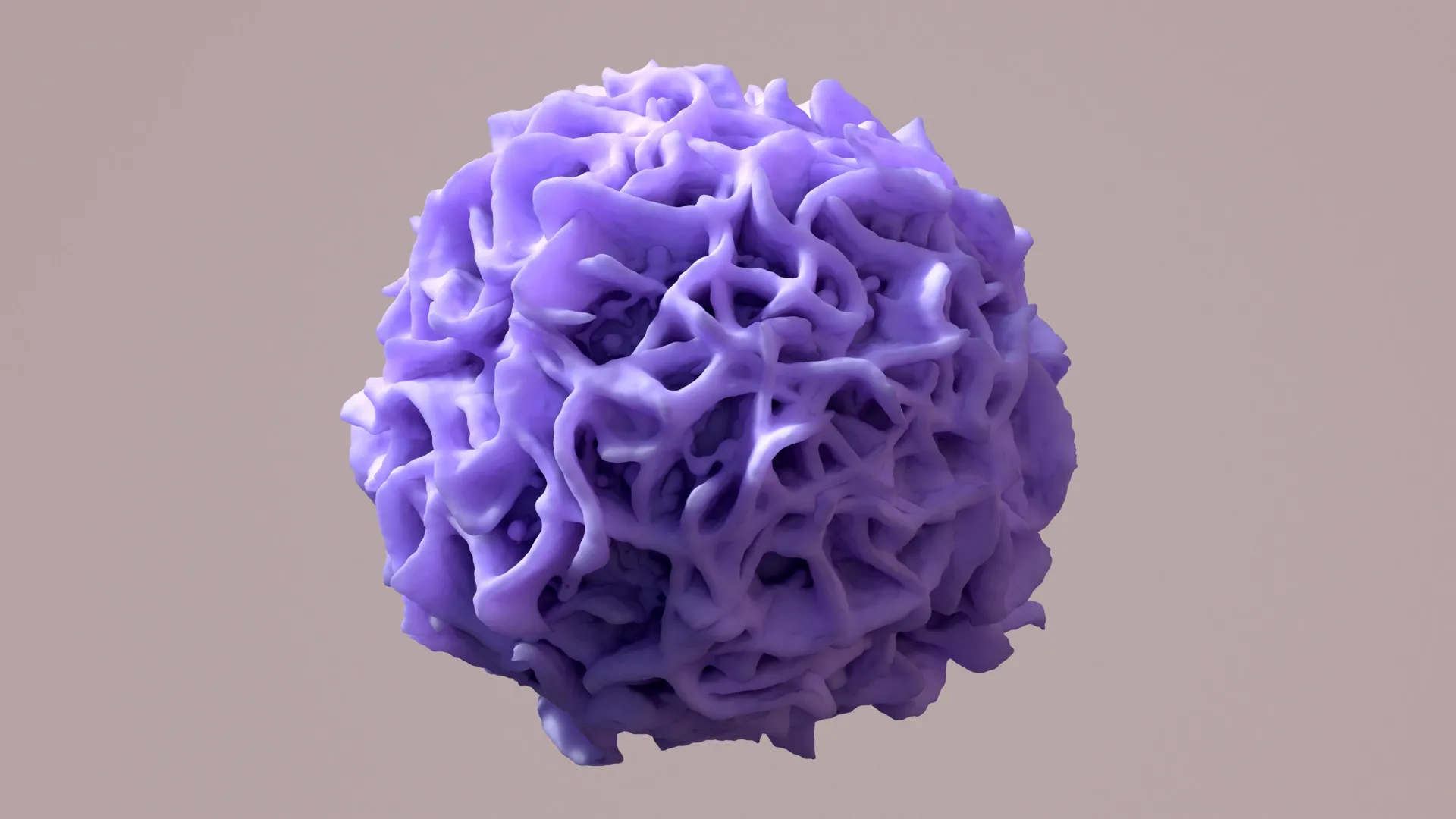
Macrophages, ubiquitous components of the immune system residing in virtually every tissue, are often metaphorically described as the body’s diligent custodians. Their responsibilities are multifaceted and essential, encompassing the elimination of pathogenic invaders that threaten health, the diligent clearing of senescent cells and cellular detritus, the efficient recycling of vital biomaterials such as iron, and the proactive maintenance of tissue integrity and functionality. While macrophages exhibit remarkable adaptability, tailoring their responses to the unique demands of each organ they inhabit, they retain a fundamental cellular blueprint that enables them to execute these core functions uniformly. Historically, the precise molecular underpinnings of how this shared identity is preserved across diverse tissue types and even across different species remained a significant enigma for the scientific community.
Leading this groundbreaking research, Professor Thomas Marichal of the Immunophysiology Laboratory at the University of Liège, along with his team, identified MafB, a class of proteins known as transcription factors, as the central genetic conductor guiding macrophages towards complete functional maturity. The developmental trajectory of macrophages begins with precursor cells called monocytes; as these immature cells differentiate into mature tissue-resident macrophages, the concentration of MafB progressively increases, thereby directing and governing this crucial maturation process. In scenarios where MafB is absent or significantly diminished, macrophages remain in a rudimentary, immature state, fundamentally compromising their capacity to offer effective protection to the tissues they inhabit. "Our findings unequivocally demonstrate that MafB serves as a master regulator, imbuing macrophages with their distinct identity and equipping them with the essential competencies required to sustain organ health," elaborated Professor Marichal. "Without this vital instructional program, these cells, though present, are essentially rendered non-operational in their protective roles."
At a granular, molecular level, MafB exerts control over an extensive network of genes that are integral to key macrophage functions. These functions include phagocytosis, the critical process by which macrophages engulf and neutralize harmful particles, pathogens, and cellular debris, as well as the maintenance of tissue homeostasis, the dynamic equilibrium necessary for optimal organ function. The research team’s investigations revealed a remarkable degree of conservation for this regulatory genetic program, tracing its presence from rodent models to human subjects and across the broader spectrum of vertebrate life, a finding that underscores its profound and fundamental biological significance.
The ramifications of disruptions to this essential genetic program extend far beyond the realm of mere immune defense. The researchers meticulously observed that impaired macrophage maturation has a cascading negative effect on the functionality of multiple organ systems. Deficiencies were notably documented in critical processes such as iron recycling within the spleen, a vital organ for blood filtration, and in the normal physiological operations of the lungs, the gastrointestinal tract, and the kidneys. These observations powerfully illustrate the deep-seated contribution of macrophages to the overall physiological balance and systemic well-being of the body. "These results unequivocally reveal that a common genetic blueprint, conserved throughout evolutionary history, forms the basis for the specialized functions of macrophages across diverse tissues," remarked Domien Vanneste, the lead author of the published scientific article. "This evolutionary continuity elegantly explains how these versatile cells can adapt to the specific environments of different organs while steadfastly preserving their fundamental cellular identity."
The implications of this pivotal discovery hold significant promise for the advancement of medical science and therapeutic interventions. Macrophages that exhibit dysfunctional characteristics have been implicated as key players in the pathogenesis of a wide array of chronic and debilitating conditions. These include, but are not limited to, chronic inflammatory disorders characterized by persistent inflammation, fibrotic diseases involving excessive scar tissue formation, persistent infections that evade the immune system, and various metabolic disorders affecting the body’s biochemical processes. By developing strategies that precisely target MafB or the intricate biological pathways that it orchestrates, researchers may unlock novel therapeutic avenues to restore healthy macrophage functionality. Such interventions could potentially lead to improved tissue health and more effective management of a broad spectrum of diseases.
In summation, the findings reported by the University of Liège research team firmly establish MafB as a central and evolutionarily conserved regulator that governs the development, identity, and functional capacity of macrophages. This discovery offers invaluable new insights into the sophisticated mechanisms by which the immune system actively protects and sustains the health and vitality of multiple organ systems within the body, paving the way for future research and therapeutic innovations.
About the Author