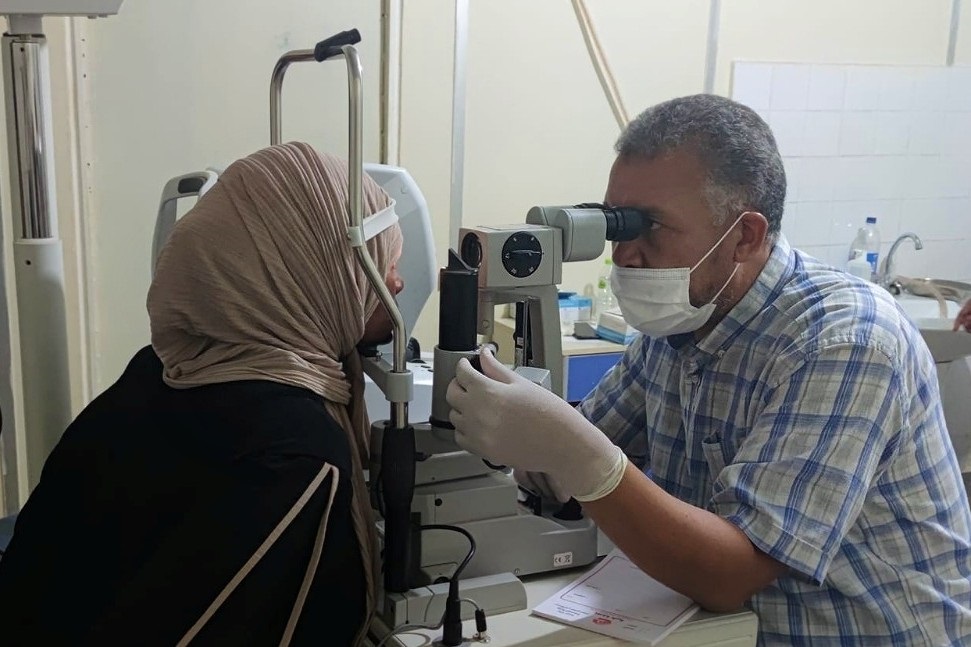
The World Health Organization (WHO) has officially validated Libya’s profound achievement in eliminating trachoma as a public health problem, marking a pivotal moment not only for the North African nation but also for the broader Eastern Mediterranean Region. This momentous declaration represents a hard-won victory against a debilitating disease, securing a future free from preventable blindness for countless generations and serving as a powerful affirmation that, even amidst significant national and regional challenges, sustained public health initiatives can overcome neglected tropical diseases.
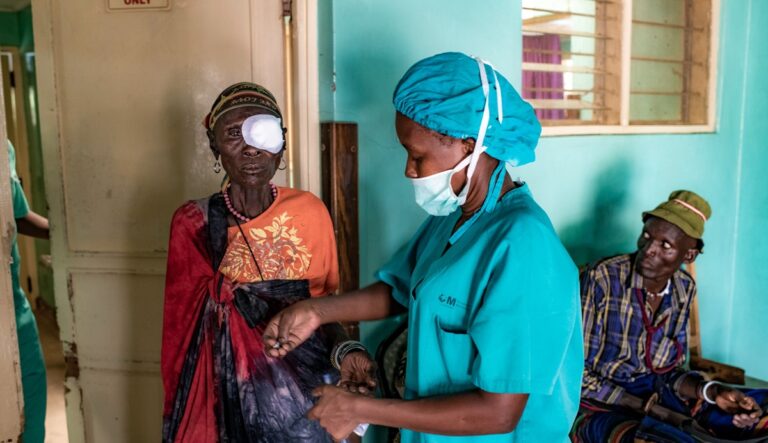
Trachoma, an ancient and insidious eye infection, originates from the bacterium Chlamydia trachomatis. Its transmission is primarily facilitated through direct contact with infected ocular and nasal discharge, typically via contaminated hands, clothing, or the ubiquitous eye-seeking flies. The disease’s progression is particularly cruel: repeated, untreated infections lead to chronic inflammation and scarring on the inner surface of the eyelid. Over time, this scarring can cause the eyelid to turn inward, a painful condition known as trichiasis, where the eyelashes continuously abrade the cornea. Without timely and effective surgical intervention, this constant irritation inevitably results in irreversible corneal opacities and permanent blindness, rendering trachoma the world’s leading infectious cause of vision loss. The disease disproportionately affects vulnerable communities with limited access to fundamental necessities such as clean water, adequate sanitation, and proper hygiene infrastructure. For a disease to be deemed eliminated as a public health problem by WHO, the prevalence of active trachoma in children aged 1-9 years must fall below 5%, and the prevalence of trachomatous trichiasis (TT) with corneal involvement in individuals aged 15 years and older must be less than 0.2%.
For well over a century, trachoma cast a pervasive shadow across Libya. Historical accounts from the early to mid-20th century consistently documented alarmingly high rates of active, inflammatory trachoma in numerous communities throughout the country, with the southern regions bearing a particularly heavy burden due to drier climates and often more remote, underserved populations. Initial efforts to combat infectious eye diseases were spearheaded by the Libyan Ministry of Health during the 1970s and 1980s. These foundational public health campaigns, coupled with subsequent strategic investments in strengthening the national healthcare system, gradually led to a noticeable reduction in disease transmission, providing early indicators that control was indeed possible.
However, the complete eradication of trachoma demanded a renewed and intensified commitment. In 2017, the Ministry of Health formally elevated trachoma elimination to a national public health priority, integrating it as a core component of its comprehensive National Prevention of Blindness Programme. This strategic reorientation marked the beginning of a concerted, evidence-based drive to completely stamp out the disease. This modern push was significantly bolstered by critical technical and operational support from a consortium of international partners, including the World Health Organization, Sightsavers, the International Trachoma Initiative (ITI), and Tropical Data. These collaborations were instrumental in facilitating targeted epidemiological surveys and implementing effective control measures.
The critical phase of validation commenced with extensive surveys conducted in 2022 across six districts in southern Libya, regions where residual pockets of trachoma infection were specifically suspected. The meticulous findings from these assessments brought encouraging news: the prevalence of both active trachoma and trachomatous trichiasis had, in most areas, successfully fallen below the stringent thresholds set by the World Health Organization for elimination. A singular, yet crucial, exception was identified in the Wadi Al Hayaa/Ghat area, where the prevalence of trichiasis remained above the elimination benchmark. This precise data point triggered an immediate and decisive response: a focused, intensive trichiasis surgery campaign was swiftly mobilized and implemented across the affected communities, providing essential sight-saving interventions to those most in need. The profound efficacy of this targeted intervention was conclusively confirmed by a follow-up survey conducted in 2025, which unequivocally demonstrated that trichiasis prevalence in Wadi Al Hayaa/Ghat had also now dropped below the WHO’s elimination criteria, thereby solidifying the nation’s comprehensive victory over the disease.
Libya’s journey to this public health pinnacle is rendered even more extraordinary by the formidable challenges it successfully navigated. The country has endured prolonged periods of intricate political instability, civil conflict, and complex humanitarian crises. These turbulent circumstances severely strained the national healthcare infrastructure, disrupted essential supply chains, led to significant internal population displacement, and dramatically amplified the demand for basic services, including clean water, sanitation, and hygiene – precisely the environmental and social factors that exacerbate trachoma transmission. Yet, despite these immense and multi-faceted pressures, the national trachoma elimination initiative demonstrated remarkable resilience and unwavering commitment. Its success was predicated on a sophisticated, multi-pronged strategy that seamlessly integrated robust, community-based surveillance systems; dramatically expanded access to crucial surgical interventions, often through mobile teams reaching remote areas; and systematically built capacity among local eye health professionals, from ophthalmologists to community health workers. This comprehensive approach was further reinforced by forging strong, enduring collaborative partnerships with both national governmental entities and international non-governmental organizations, ensuring a unified and sustained effort across all levels.
Dr. Tedros Adhanom Ghebreyesus, the Director-General of the World Health Organization, underscored the broader, inspirational significance of Libya’s accomplishment. "This milestone vividly illustrates Libya’s steadfast resolve to protect the health of its citizens and reinforces our conviction that overcoming neglected tropical diseases is an attainable goal for every community, everywhere, regardless of the challenges they face," he affirmed. His sentiments were echoed by Dr. Hanan Balkhy, WHO Regional Director for the Eastern Mediterranean, who emphasized the spirit of regional cooperation. "Libya now stands proudly among a growing cohort of countries within the Eastern Mediterranean Region that have successfully eradicated trachoma. This remarkable outcome is a profound testament to powerful regional coordination and Libya’s unwavering perseverance through exceptionally challenging times."
From within Libya, Dr. Mohamed Al-Ghoj, the Acting Minister of Health, conveyed a deep sense of national pride and gratitude. "This validation is a tremendous source of pride for Libya and a powerful tribute to the unwavering dedication of our healthcare professionals and the resilience of our communities," he stated. "Even during the most arduous years, we remained steadfast in our mission to enhance eye health services and ensure no individual was overlooked. This monumental accomplishment would have been impossible without the professionalism and relentless commitment of our doctors, nurses, and field health workers who diligently reached every district, securing a future free from preventable blindness." Dr. Ahmed Zouiten, WHO Representative in Libya, further highlighted the synergy that drove the initiative, observing, "Achieving trachoma elimination status in Libya exemplifies what can be accomplished when the Ministry of Health and WHO teams operate as a cohesive, unified force. It represents a collective public health triumph, forged through scientific rigor, decisive national mobilization, and genuine international solidarity."
Libya now joins an elite global cohort, becoming the 28th country worldwide and the 8th within the Eastern Mediterranean Region to achieve official WHO validation for the elimination of trachoma as a public health problem. Furthermore, this accomplishment elevates Libya to the distinguished position of being the 59th country globally and the 10th in the Eastern Mediterranean Region to have successfully eliminated at least one neglected tropical disease (NTD). Neglected tropical diseases represent a diverse cluster of 21 debilitating conditions that collectively impose devastating health, social, and economic burdens on approximately one billion people worldwide. Their impact is disproportionately felt by impoverished communities predominantly residing in tropical and subtropical zones, often perpetuating cycles of poverty and marginalization.
The global campaign against NTDs is guided by ambitious public health targets meticulously outlined in the WHO road map for neglected tropical diseases 2021–2030, which aims for their widespread control, elimination, and eventual eradication. Libya’s success is a tangible, powerful example of significant progress towards these global aspirations, demonstrating that targeted interventions, sustained commitment, and collaborative partnerships can indeed transform public health landscapes. The World Health Organization, through its Alliance for the Global Elimination of Trachoma by 2020 (GET2020), originally launched in 1996, continues to foster a vital, expansive network of governments, non-governmental organizations, and academic institutions. This alliance tirelessly supports endemic countries in accelerating their efforts towards the ultimate, shared goal of eliminating trachoma as a public health problem across the entire globe. Libya’s extraordinary success provides critical momentum and serves as an inspiring blueprint for other nations still striving to overcome this ancient adversary, reinforcing the enduring power of public health commitment and international cooperation.
About the Author