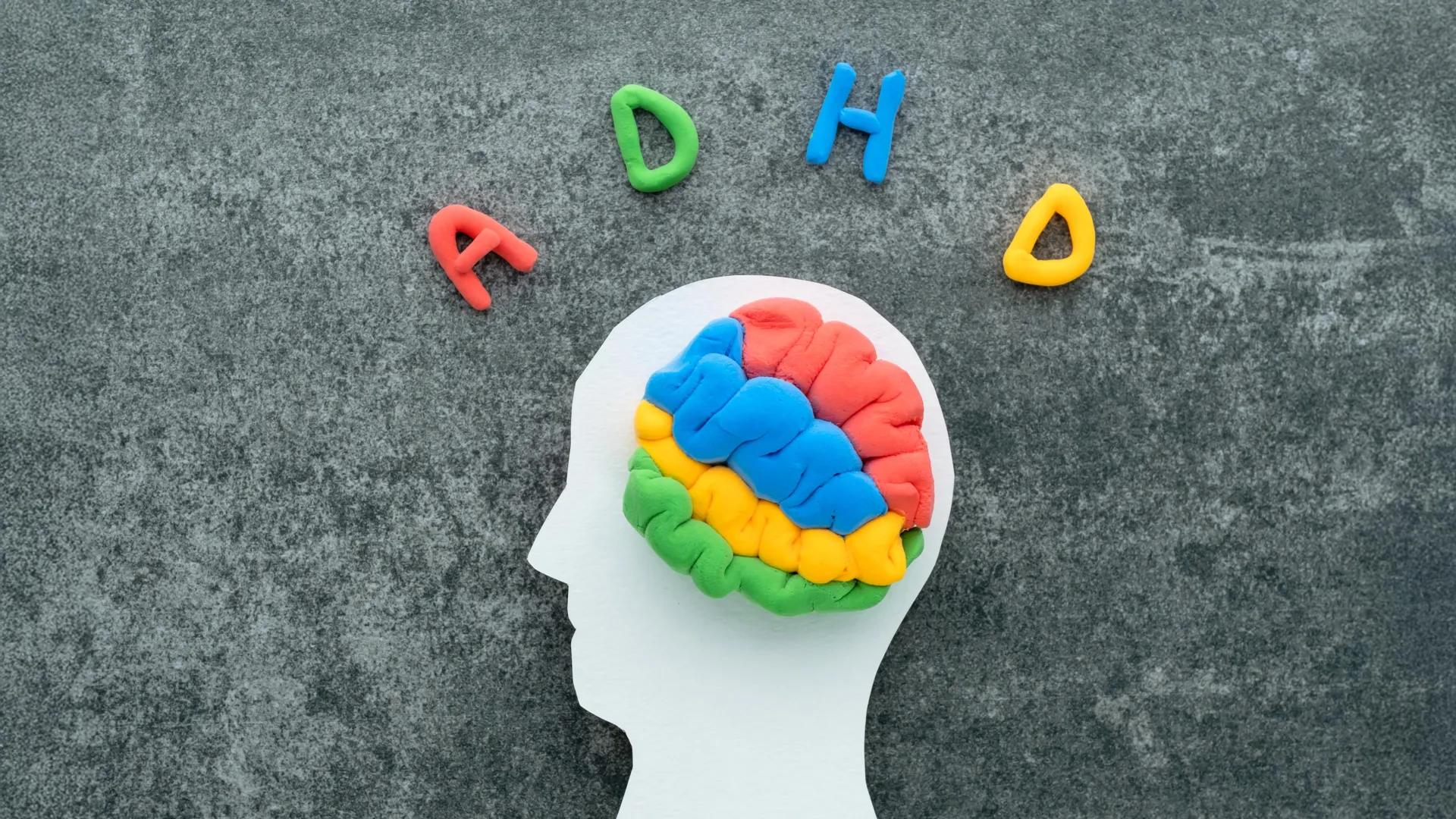
A groundbreaking international study has revealed a compelling correlation: adults diagnosed with Attention-Deficit/Hyperactivity Disorder (ADHD) who cultivate an awareness of their inherent positive attributes and actively integrate these into their daily lives report significantly improved overall well-being, a higher quality of life, and a diminished prevalence of mental health challenges. This research, unveiled during October’s designated ADHD Awareness Month—an initiative this year focusing on the diverse manifestations of the condition—represents a substantial stride in understanding the psychological landscape of ADHD. The collaborative effort, involving researchers from the University of Bath, King’s College London, and the Radboud University Medical Center in the Netherlands, marks the first large-scale endeavor to systematically quantify the psychological strengths associated with ADHD.
The study, meticulously detailed in the peer-reviewed journal Psychological Medicine, involved a rigorous examination of 400 adult participants. This cohort was equally divided, comprising 200 individuals with a formal ADHD diagnosis and 200 individuals without. Participants were tasked with assessing the degree to which they identified with a curated list of 25 positive characteristics, a group that encompassed qualities such as ingenuity, wit, spontaneity, and the capacity for intense focus, often referred to as hyperfocus. The research team operationalized these attributes as "aspects of themselves that they perform proficiently or excel in."
While the prevalent discourse surrounding ADHD frequently centers on its associated difficulties—such as challenges with attention regulation, impulsivity, and forgetfulness—this contemporary investigation offers a profoundly different perspective. It underscores the critical importance of acknowledging and strategically deploying an individual’s unique strengths, shifting the narrative from solely focusing on deficits to highlighting potential. Dr. Luca Hargitai, the lead investigator from the Department of Psychology at the University of Bath, articulated the significance of these findings, stating, "These compelling results provide us with insights into which positive qualities may be intrinsically linked to ADHD, and therefore can be conceptualized as ADHD-related strengths. It can be an immensely empowering realization to understand that, even while grappling with various challenges, ADHD is also accompanied by a range of positive attributes."
A notable outcome of the research was the identification of ten specific strengths that were more frequently and strongly endorsed by adults with ADHD when compared to their neurotypical counterparts. While the original report did not enumerate these specific strengths in its provided text, the study’s implications suggest that these identified traits may represent areas of natural advantage for individuals with ADHD. Crucially, the study also revealed a striking parity between individuals with and without ADHD in their capacity to recognize and actively utilize their strengths in their daily routines. This finding is particularly significant given the well-documented hurdles that adults with ADHD often encounter in professional settings, interpersonal relationships, and in maintaining their mental equilibrium.
The benefits derived from identifying and applying personal strengths proved to be a consistent theme across both study groups. Participants who demonstrated a greater awareness of their inherent capabilities and who applied these strengths more consistently reported tangible improvements in their lives. These reported benefits included enhanced self-esteem, greater resilience in the face of adversity, and a more positive outlook on life. Dr. Punit Shah, a senior author of the study and Associate Professor of Psychology at the University of Bath, elaborated on this crucial aspect: "Our findings powerfully suggest that simply being aware of the positive skills and qualities we possess, and then intentionally employing these strengths in appropriate contexts, can yield substantial benefits for our overall well-being. While this might seem intuitively obvious, our research now provides empirical validation for this hypothesis, opening the door for the development of novel psychological support strategies grounded in this evidence."
These findings lend considerable weight to the growing advocacy for strengths-based methodologies within mental health care. Although this framework has gained traction and is increasingly integrated into services for individuals with autism, its application in the realm of ADHD support has historically been less pronounced. The potential applications of a strengths-based approach for ADHD are multifaceted and could include the development of psychoeducational programs designed to foster self-awareness, specialized coaching initiatives aimed at skill development and application, and tailored therapeutic interventions that empower individuals to identify, nurture, and effectively leverage their unique strengths.
Dr. Shah further outlined the future trajectory of this research, stating, "The subsequent crucial step involves investigating whether interventions specifically designed to enhance the recognition and utilization of personal strengths can translate into measurable improvements in the mental well-being of adults with ADHD. Individuals with ADHD, and indeed many with other neurodivergent profiles, have long been advocating for such approaches, and we are enthusiastic to be contributing some of the foundational research to support these calls."
Assistant Professor Martine Hoogman, a senior author from the Radboud University Medical Center in the Netherlands, emphasized the evolving nature of research into ADHD-related strengths. She highlighted a critical methodological distinction in their study: previous research in this area often exclusively surveyed individuals diagnosed with ADHD. "Research examining strengths associated with ADHD is still in its nascent stages," Professor Hoogman explained. "The majority of prior studies have solely solicited input from individuals with ADHD regarding their strengths. However, our methodology also included neurotypical individuals in this assessment. We observed that individuals without ADHD also recognize many of the same strengths; however, a distinct subset of these strengths were more prominently endorsed by those with ADHD. This comparative approach significantly enhances our understanding of ADHD-specific strengths."
Professor Hoogman concluded by stressing the importance of a balanced approach to ADHD education: "It is imperative that individuals diagnosed with ADHD receive education not only about the challenges they may face but also about their inherent potential strengths. This comprehensive understanding can profoundly contribute to an improved quality of life and mitigate potential risks encountered in educational or professional environments."
The research underpinning this significant study was generously supported by financial contributions from the UK Economic and Social Research Council and the Dutch Research Council, underscoring a collaborative international commitment to advancing the understanding and support of individuals with ADHD.
About the Author