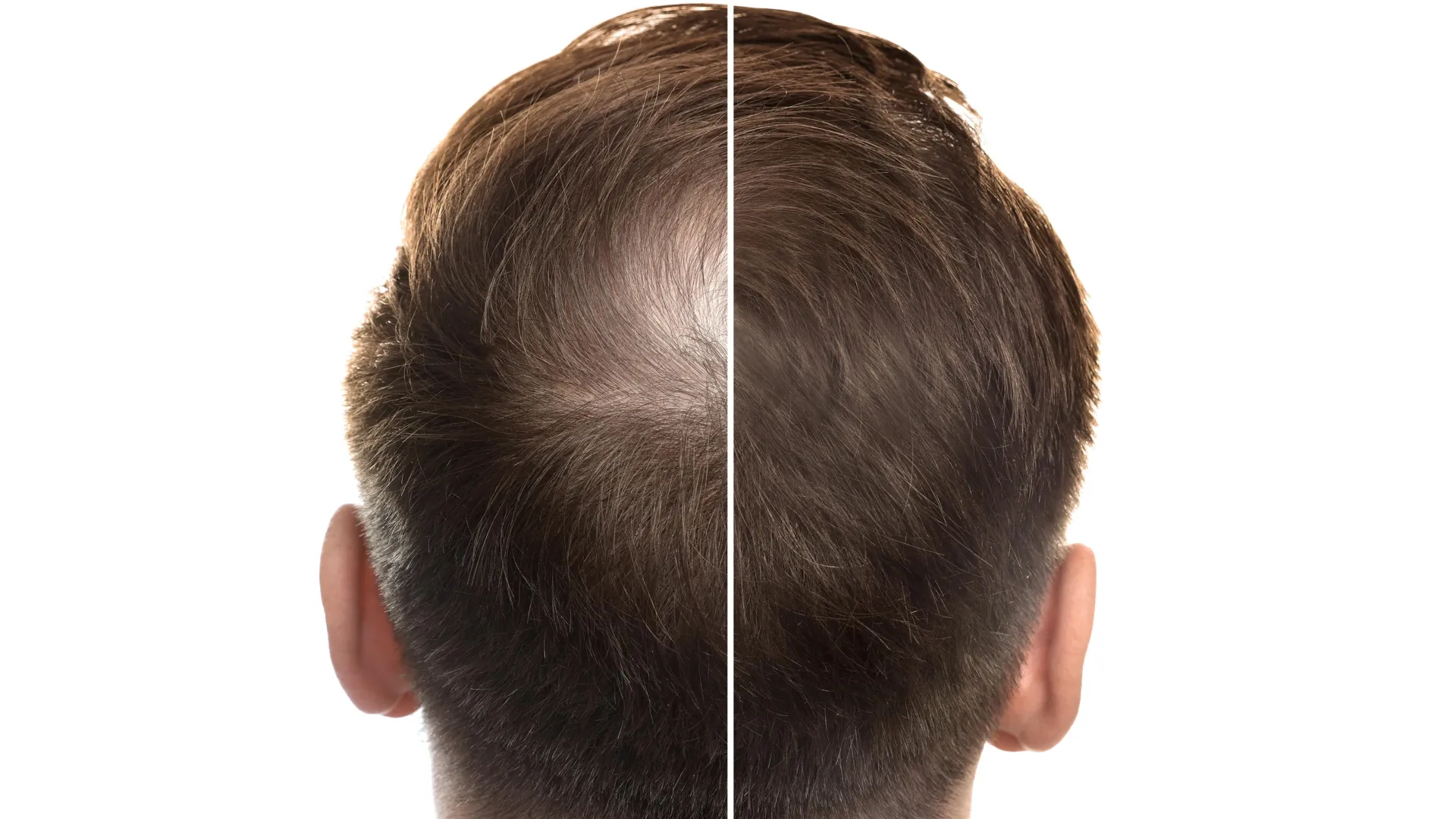
Androgenetic alopecia (AGA), commonly known as male or female pattern baldness, represents the most prevalent form of hair loss globally, impacting millions across diverse demographics. This chronic condition, characterized by the progressive miniaturization of hair follicles, contributes significantly to psychological distress and diminished quality of life for those affected. While various pharmaceutical interventions exist, such as finasteride and minoxidil, their widespread adoption is often tempered by concerns regarding potential adverse effects, the necessity for long-term adherence, and varying degrees of efficacy. This landscape of unmet patient needs has spurred a renewed interest in exploring alternative therapeutic avenues, particularly those rooted in traditional medical systems that offer a more holistic and potentially gentler approach. A recent in-depth scientific analysis has brought into sharp focus the venerable botanical Polygonum multiflorum, a cornerstone of Traditional Chinese Medicine (TCM) for over a millennium, positing it as a compelling candidate for the comprehensive management of AGA.
Unlike many conventional pharmacological agents that typically operate by targeting a singular biochemical pathway, the research review suggests that Polygonum multiflorum (often known by its Chinese name, He Shou Wu, or its common English name, Fo-ti) exerts its beneficial effects through a sophisticated, multi-pronged mechanism. This ancient root, historically revered for its reputed ability to "blacken hair and nourish essence" within TCM philosophy, appears to influence an array of physiological processes simultaneously, offering a more robust approach to hair follicle health and regeneration. Key among its purported actions is its capacity to mitigate the deleterious impact of dihydrotestosterone (DHT), a potent androgen implicated directly in the progressive shrinkage of susceptible hair follicles. Concurrently, the herb demonstrates protective qualities for follicular cells, safeguarding them from premature apoptotic cell death, a critical factor in the shortening of the hair growth cycle. Furthermore, the review highlights its role in activating pivotal growth-related signaling cascades, notably the Wnt and Shh pathways, which are instrumental in hair follicle development and regeneration. Beyond these cellular and hormonal influences, Polygonum multiflorum is also believed to enhance microcirculation within the scalp, thereby optimizing the delivery of vital oxygen and nutrients to the actively growing hair follicles.
The journey of Polygonum multiflorum from ancient botanical lore to a subject of modern scientific scrutiny underscores a fascinating convergence of historical practice and contemporary biological understanding. As articulated by Han Bixian, the lead author of the review published in the Journal of Holistic Integrative Pharmacy, their comprehensive analysis serves as a bridge, seamlessly connecting centuries of traditional wisdom with the rigorous methodologies of modern science. A striking revelation from their extensive investigation was the remarkable consistency between historical descriptions found in ancient Chinese medical texts – spanning from the Tang Dynasty onwards – and the precise effects elucidated by current scientific understanding of hair biology. This alignment provides compelling evidence that the efficacy attributed to this herb is not merely anecdotal folklore but is increasingly validated by pharmacological principles. The researchers meticulously synthesized information from a diverse array of sources, encompassing controlled laboratory experiments, observational clinical data, and an extensive body of historical herbal writings. Collectively, these disparate threads of knowledge weave a coherent narrative, depicting a therapeutic agent that potentially transcends mere hair thinning stabilization, offering genuine support for active hair regeneration.
The concept of "blackening hair and nourishing essence" in TCM, traditionally associated with Polygonum multiflorum, extends beyond a superficial cosmetic effect. In the framework of TCM, "essence" (Jing) is considered a fundamental life substance stored in the Kidneys, crucial for growth, reproduction, and vitality. Hair health, particularly its color and strength, is believed to reflect the abundance and quality of Kidney essence and blood. Therefore, an herb that "nourishes essence" and "blackens hair" is understood to fortify these vital reserves, addressing the root cause of conditions like premature graying and hair loss from a TCM perspective. This deep-rooted understanding offers a unique lens through which to interpret the modern scientific findings, suggesting that the herb’s broad systemic effects, far from being coincidental, may indeed contribute to its localized benefits on hair.
The implications of Polygonum multiflorum‘s multi-target mechanism are profound, particularly when contrasted with the more focused action of conventional treatments. Current pharmaceutical options for AGA primarily target a single pathway, such as inhibiting 5-alpha-reductase to reduce DHT (finasteride) or promoting vasodilation (minoxidil). While effective for many, their singular focus can limit overall therapeutic scope and leave other contributing factors unaddressed. Polygonum multiflorum‘s ability to simultaneously modulate hormonal effects, prevent cellular apoptosis, stimulate growth pathways, and enhance nutrient supply represents a distinct advantage. This integrated approach suggests a potential to not only arrest further hair loss but also to actively promote the transition of miniaturized follicles back into the anagen (growth) phase, thereby encouraging genuine hair regrowth and increasing hair density and caliber. This comprehensive influence across multiple stages of the hair cycle could position it as a more efficacious and holistic intervention compared to existing monotherapies.
A crucial consideration, highlighted emphatically by the review, pertains to the safety profile of Polygonum multiflorum. The authors underscore that when the herb is "properly processed," a critical step deeply embedded in traditional preparation methodologies, it exhibits a favorable safety profile. This distinction is paramount, as raw or improperly prepared Polygonum multiflorum has been associated with adverse effects, particularly hepatotoxicity (liver damage) and gastrointestinal disturbances. Traditional processing typically involves stewing the root with black bean liquid for an extended period, a method believed to detoxify the herb and enhance its therapeutic properties. This meticulous preparation is not merely a ritualistic practice but a pharmacologically significant step that transforms the herb’s chemical composition, rendering it safer and more effective. This enhanced safety profile makes it an attractive option for patients who are apprehensive about the well-documented side effects of current medications, such as sexual dysfunction (linked to finasteride) or scalp irritation (associated with minoxidil). The increasing demand for natural and alternative remedies among patients who seek gentler interventions further amplifies the significance of such findings.
Despite the compelling evidence gathered, the scientific community acknowledges that further rigorous, high-quality clinical trials are indispensable to definitively confirm these preliminary findings and to establish optimal dosage regimens and long-term efficacy. Such trials would ideally be randomized, double-blind, and placebo-controlled, employing standardized extracts of properly processed Polygonum multiflorum and measuring objective endpoints like hair count, hair shaft diameter, and global photographic assessments. These studies are vital for translating promising laboratory and observational data into evidence-based clinical recommendations and for navigating the complex regulatory landscape surrounding herbal medicines. Nevertheless, this extensive review serves as a powerful testament to the potential inherent in a meticulous scientific investigation of traditional remedies. It illustrates how bridging ancient medical practices with contemporary research methodologies can not only validate time-honored treatments but also unlock entirely new strategic avenues for addressing widespread and challenging conditions such as androgenetic alopecia. The ongoing exploration of botanicals like Polygonum multiflorum represents a burgeoning frontier in dermatological therapeutics, promising innovative solutions derived from a rich tapestry of historical wisdom and cutting-edge scientific inquiry.
About the Author