As individuals navigate the physiological shifts that accompany aging, particularly beyond the fifth decade, many encounter challenges in maintaining abdominal firmness and managing what is commonly referred to as an "apron belly." This phenomenon, characterized by a protrusion or overhang of the lower abdomen, often proves resistant to conventional core exercises like endless crunches. Understanding the underlying biological changes and adopting a more comprehensive, functional approach to physical activity is paramount for achieving meaningful and sustainable results in core strength and aesthetic improvement.
The human body undergoes several significant transformations after the age of 50 that directly influence body composition and fat distribution. Hormonal fluctuations, such as the decline in estrogen for women post-menopause and a reduction in testosterone for men, can lead to a redistribution of fat, favoring storage around the abdominal area, often as visceral fat (which surrounds organs) and subcutaneous fat (just beneath the skin). Concurrently, sarcopenia, the age-related loss of muscle mass, contributes to a slower resting metabolic rate, making it harder for the body to burn calories efficiently. This reduction in muscle tissue, particularly in major muscle groups, diminishes the body’s overall energy expenditure, further exacerbating fat accumulation. Additionally, changes in posture, often stemming from weakened posterior chain muscles and prolonged sitting, can result in an anterior pelvic tilt, where the pelvis rotates forward, causing the abdomen to protrude more noticeably. It is this complex interplay of hormonal shifts, metabolic slowdown, muscle atrophy, and postural adaptations that makes targeting the "apron belly" a multifaceted challenge requiring more than isolated abdominal work.
Traditional abdominal crunches, while they have their place in some fitness routines, are frequently insufficient for addressing these age-related changes effectively. Crunches primarily engage the rectus abdominis, the superficial "six-pack" muscle, through spinal flexion. However, they largely neglect the deeper core musculature—including the transverse abdominis, multifidus, and the oblique complex—which are crucial for stabilizing the spine, supporting internal organs, and creating a truly cinched waistline. Moreover, crunches do not significantly engage large muscle groups in the lower body or back, which means they offer minimal impact on overall metabolic demand. For individuals over 50, repetitive spinal flexion can also place undue stress on the intervertebral discs, potentially leading to discomfort or injury, especially if form is compromised or pre-existing conditions exist. The goal for this demographic should shift from simply flexing the spine to building integrated core stability, enhancing overall muscle mass, and improving functional movement patterns that support a healthier, more toned physique.
A more effective strategy emphasizes full-body, functional movements that recruit multiple muscle groups simultaneously, engage the deep core stabilizers, and elevate the body’s metabolic activity. This holistic approach not only addresses the physical appearance of the abdomen but also contributes to improved posture, balance, and overall functional strength—qualities that are increasingly vital with age. By focusing on exercises that demand full-body tension, activate the glutes, and challenge the core to stabilize against external forces or movement, individuals can stimulate greater calorie expenditure during and after workouts. This leads to a more efficient fat-burning environment and fosters the development of a stronger, more taut midsection. The objective is not merely to perform more repetitions but to execute movements with intention, controlled tempo, and mindful muscle engagement, thereby optimizing the physiological response.
Here are five foundational movements that embody this integrated philosophy, targeting core strength, glute activation, and metabolic enhancement without relying on traditional crunches:
1. Dumbbell Romanian Deadlift (RDL)
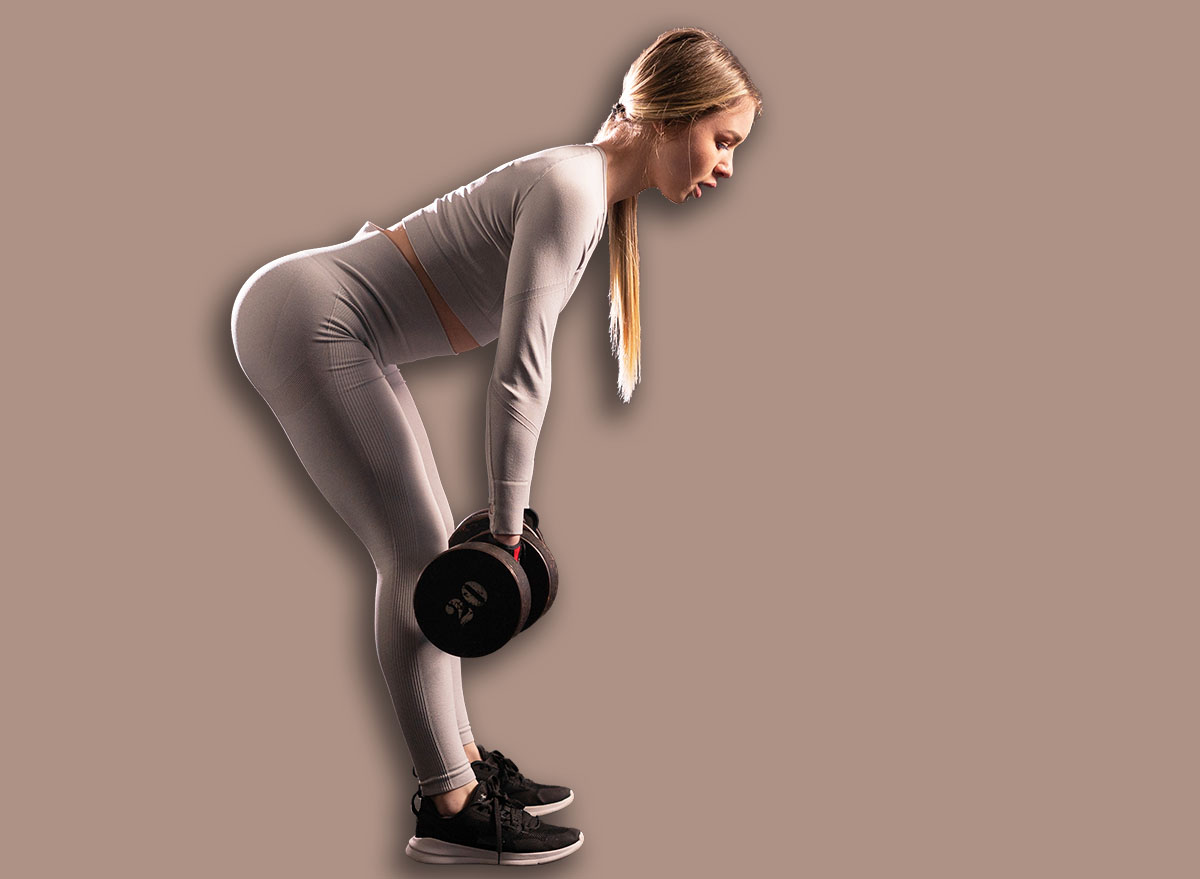
The Dumbbell Romanian Deadlift is an exceptional exercise for fortifying the posterior chain, encompassing the glutes and hamstrings, while simultaneously demanding significant core stabilization. Weakness in the glutes often contributes to an anterior pelvic tilt, where the hips rotate forward, pushing the lower abdomen outward. By rebuilding strength and proprioception in the hip hinge movement pattern, the RDL directly counteracts this postural imbalance. When executed correctly, this exercise compels the deep abdominal muscles to brace and support the spine under load, fostering an internal corset effect that crunches cannot replicate.
To perform an RDL, stand tall holding a dumbbell in each hand, palms facing your thighs. Initiate the movement by pushing your hips backward, allowing a slight bend in your knees while keeping your back straight and chest proud. Lower the dumbbells by letting them track close to your legs, feeling a stretch in your hamstrings. Maintain a neutral spine throughout the descent. As you return to the starting position, drive through your heels, squeezing your glutes powerfully at the top to achieve full hip extension. Crucially, actively brace your core throughout the entire movement, imagining you are preparing for a gentle impact; this sustained tension trains the deep abdominal wall to provide constant support, contributing significantly to lower belly firmness.
2. Standing Alternating Reverse Lunge
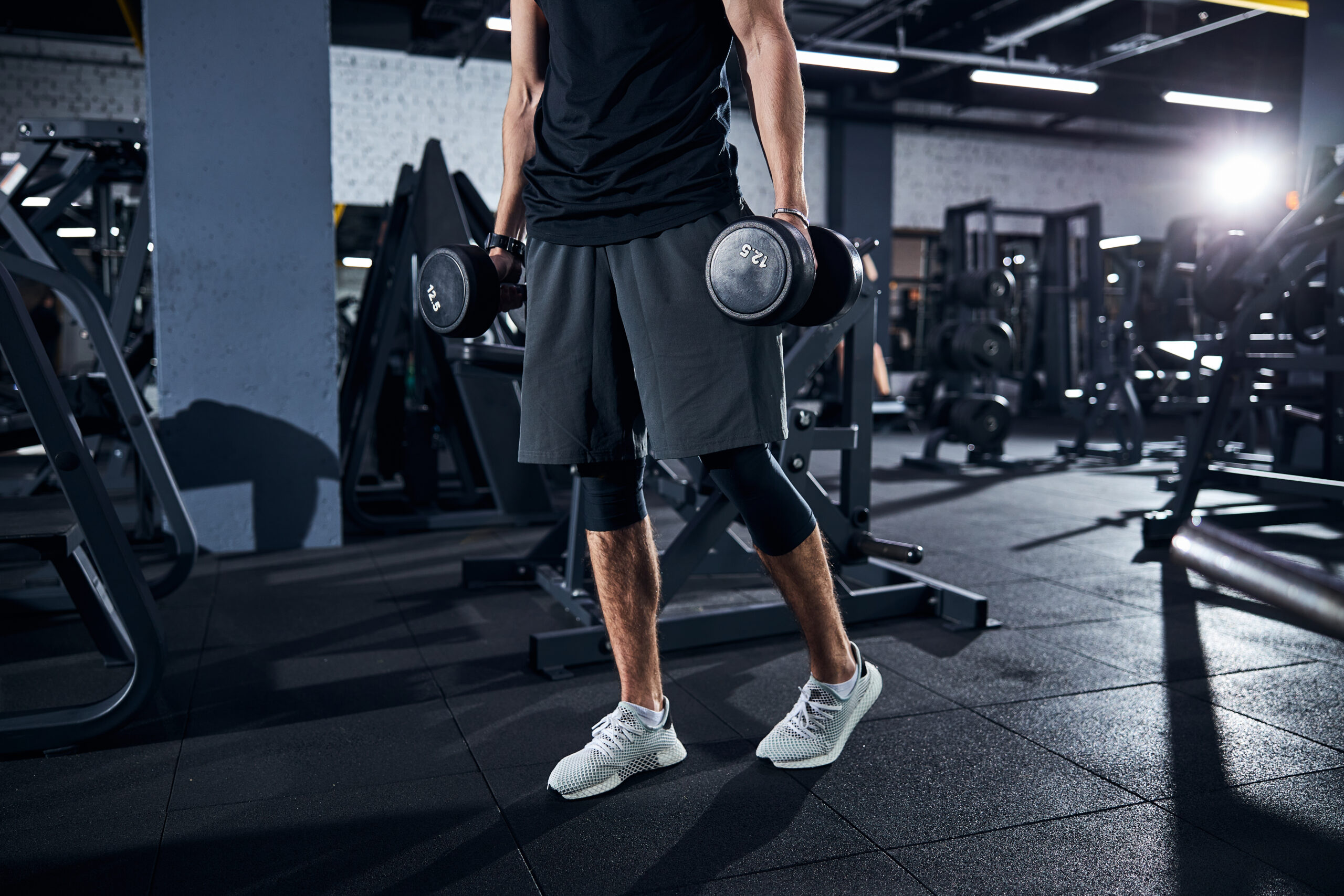
Integrating large muscle groups into your routine is critical for boosting metabolic output, and the standing alternating reverse lunge is a prime example. This compound movement efficiently activates the glutes, quadriceps, and core concurrently, all while placing minimal stress on the knee joints, which can be a concern for older adults. Stepping backward shifts more emphasis onto the front hip, making it highly effective for rebuilding glute strength that naturally declines with age. Each controlled repetition also serves to enhance balance and cultivate midsection stability, crucial aspects for functional independence.
Begin by standing with your feet hip-width apart, holding a light dumbbell in each hand at your sides if desired, or performing bodyweight. Take a controlled step backward with one leg, lowering your hips until both knees are bent at approximately a 90-degree angle. Ensure your front knee remains aligned over your ankle and your torso stays upright. Drive through the heel of your front foot to return to the starting standing position. Before each step back, consciously brace your core, drawing your naval gently towards your spine. This continuous abdominal engagement throughout the movement builds functional strength that contributes to a firmer, more toned lower abdomen.
3. Dumbbell Suitcase Carry
Carries are often overlooked yet incredibly potent exercises for targeting core stability and tightening the waistline more effectively than isolated floor crunches. The dumbbell suitcase carry specifically challenges the obliques and transverse abdominis by forcing them to resist lateral flexion (side bending) while you remain upright and in motion. This "anti-movement" training is fundamental for developing robust deep core strength and improving postural alignment. It builds a powerful, resilient core without aggravating the back, making it an excellent choice for individuals seeking visible waist tightening and enhanced functional stability.
Hold a single dumbbell in one hand at your side. Stand tall, maintaining a perfectly upright posture, resisting the urge to lean towards the side holding the weight. Imagine someone attempting to push you sideways and actively counteract that force. Walk slowly and deliberately, keeping your shoulders level and your gaze forward. The key is to maintain constant tension through your midsection, engaging the deep abdominal muscles to prevent any lateral tilting of your torso. This sustained anti-tilt tension directly strengthens the core muscles responsible for flattening the lower abdomen and creating a more defined waist.
4. Standing Dumbbell Front Squat
The standing dumbbell front squat is a powerhouse exercise that recruits significantly more total muscle mass than crunches could ever achieve. Holding dumbbells at shoulder height, either resting on the front of your shoulders or held in a goblet position, inherently increases core activation and challenges postural integrity. For individuals over 50, preserving and building leg strength is paramount, not only for daily function and mobility but also for maintaining a high metabolic output. The more muscle tissue engaged during an exercise, the greater the energy expenditure both during and after the training session, which directly supports fat loss efforts.
To perform the movement, stand with feet hip-width apart, toes pointing slightly outward. Hold two dumbbells at shoulder height, keeping your elbows lifted. Initiate the squat by pushing your hips back and down, as if sitting into a chair. Descend with control, ensuring your knees track outwards, aligned with your toes, and maintaining a proud chest. Strive to reach a depth where your thighs are parallel to the floor, or as deep as comfortable while maintaining good form. Drive powerfully upward through your heels to return to the standing position, squeezing your glutes at the top. Crucially, maintain continuous abdominal tension throughout the entire range of motion, ensuring your core acts as a stable anchor for the movement.
5. Standing Cross-Body Knee Drive
This dynamic movement serves as an excellent finale, integrating balance, hip flexion, and rotational core control. Many adults over 50 experience a decline in rotational stability, which can compromise the integrity and strength of the deep abdominal wall. Controlled cross-body knee drives effectively rebuild this coordination while simultaneously tightening the midsection by engaging the obliques and transverse abdominis in a functional, rotational pattern. This drill helps re-establish the crucial connection between the lower and upper body, enhancing overall kinetic chain efficiency.
Begin by standing tall, maintaining a stable and upright posture. Slowly drive one knee upward and across your body towards the opposite elbow, engaging your abdominal muscles actively. You can add a slight opposite-arm reach towards the rising knee to intensify the core and oblique engagement. The movement should be slow, deliberate, and controlled, prioritizing balance and form over speed. Focus on maintaining stability throughout the exercise, preventing any wobbling or loss of equilibrium. The controlled repetition of this movement profoundly reinforces deep core activation and significantly improves the functional tension of the lower abdomen, contributing to a more sculpted appearance.
In conclusion, achieving abdominal definition and reducing the appearance of an "apron belly" after 50 requires moving beyond the limitations of traditional crunches. By embracing an integrated training approach that prioritizes full-body functional movements, emphasizes deep core stabilization, and stimulates overall metabolic activity, individuals can effectively address the unique physiological changes associated with aging. Consistency in performing these exercises with proper form and intent, coupled with patience, will yield substantial improvements not only in aesthetic appearance but also in long-term functional strength, posture, and overall well-being. Consulting with a qualified fitness professional can provide personalized guidance and ensure these movements are adapted safely and effectively to individual needs and capabilities.
About the Author