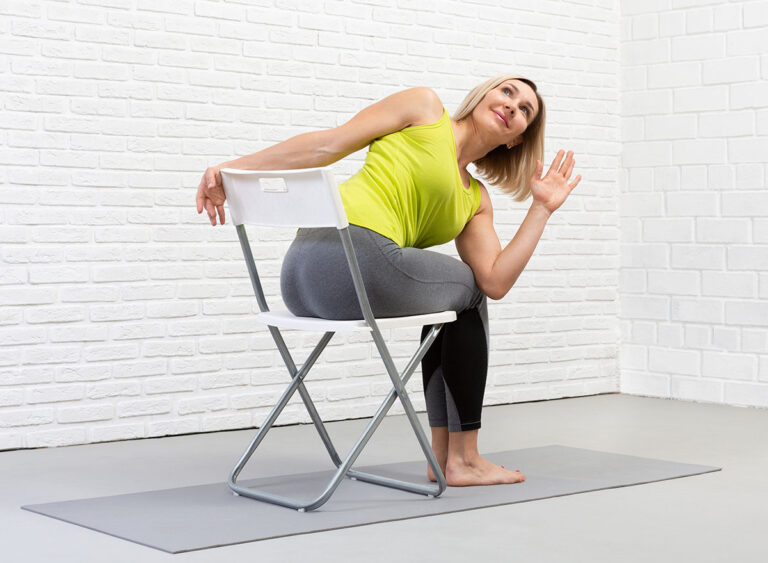
For many individuals navigating the physiological shifts that accompany aging, particularly after reaching the fifth decade, concerns about the appearance of the upper arms frequently arise. The desire to achieve firmer, more toned arms is a common aspiration, often driven by observations of diminished skin elasticity and reduced muscle definition. While the natural aging process inherently brings about changes in body composition and skin structure, adopting a strategic and comprehensive fitness regimen can profoundly influence the musculature and overall contour of the upper limbs. The prevailing scientific consensus and practical experience from certified strength and conditioning specialists underscore that an effective strategy transcends mere isolated triceps exercises, instead advocating for an integrated, full-body approach that optimizes muscle engagement, metabolic activity, and functional strength.
Understanding the physiological underpinnings of age-related changes is crucial for developing an effective intervention. As individuals mature, several biological processes contribute to alterations in arm appearance. Sarcopenia, the gradual loss of muscle mass and strength, typically accelerates after the age of 40, leading to a reduction in the underlying support structure for the skin. Concurrently, a decrease in collagen and elastin production, vital proteins responsible for skin’s firmness and elasticity, results in increased skin laxity. Hormonal fluctuations, particularly a decline in growth hormone and testosterone (present in both men and women), also play a role in fat metabolism and muscle synthesis. Given these multifactorial changes, an approach that focuses on building lean muscle tissue across multiple major muscle groups, rather than exclusively targeting the triceps, proves significantly more efficacious. This comprehensive strategy not only addresses the aesthetic goal of firmer arms but also enhances overall functional strength, metabolic health, and quality of life.
The concept of "spot reduction," or selectively burning fat from a specific body part through targeted exercises, is largely a myth. The human body metabolizes fat systemically, meaning overall fat loss contributes to a leaner physique everywhere, including the arms. Therefore, exercises that engage a larger number of muscles simultaneously are inherently more effective because they demand greater energy expenditure, elevate heart rate more significantly, and stimulate a more robust hormonal response conducive to fat loss and muscle preservation. These "compound" movements are superior to isolated exercises, which target only one muscle group, because they mimic real-life movements, build functional strength, and create a synergistic effect across the body. By incorporating pushing, pulling, overhead pressing, and consistent cardiovascular activity, individuals over 50 can foster an environment for substantial improvement in upper arm tone and definition, alongside broader enhancements in physical capability.
Pillar 1: Compound Strength Training for Maximal Muscle Engagement
The cornerstone of any effective program for enhancing arm definition, especially in later adulthood, lies in prioritizing compound strength exercises. These movements recruit multiple joints and muscle groups, leading to superior physiological adaptations compared to single-joint isolation exercises.
1. Incline Push-ups: Building a Foundation of Upper Body Strength
Incline push-ups stand out as an exceptionally versatile and effective exercise for fortifying the muscles responsible for upper arm firmness. This variation strategically loads the triceps while simultaneously activating the chest, shoulders, and core musculature. The multi-muscle demand inherent in this movement dramatically increases caloric expenditure during the exercise session and promotes the development of lean tissue across the entire upper body. Crucially, the elevated hand position—whether using a wall, a sturdy bench, or a stable piece of furniture—significantly reduces stress on the wrist and shoulder joints, making it an accessible and sustainable exercise for individuals over 50. Over time, the consistent engagement of these muscle groups helps to create a denser, firmer musculature beneath the skin, which can visually reduce the appearance of laxity and contribute to improved overall upper body fat loss.
- Primary Muscles Engaged: Triceps, pectoralis major (chest), deltoids (shoulders), rectus abdominis, obliques (core).
- Execution Guidance: Begin by placing your hands slightly wider than shoulder-width apart on an elevated surface. Ensure your body forms a straight line from your head to your heels, engaging your core and glutes to prevent hip sagging or excessive arching in the lower back. Lower your chest towards the surface by bending your elbows, keeping them tucked in slightly rather than flaring out wide. Push back up to the starting position with control.
- Recommended Protocol: Aim for 3 sets of 8 to 15 repetitions. Incorporate a 45-second rest period between each set to allow for adequate recovery and maintain intensity.
- Progressive Variations: To adjust difficulty, modify the incline: a higher incline (e.g., against a wall) makes it easier, while a lower incline (e.g., a sturdy chair) increases the challenge. Tempo variations (slowing down the eccentric or concentric phase) can also enhance muscle time under tension.
2. Alternating Kettlebell Rows: Sculpting the Back and Stabilizing the Arms
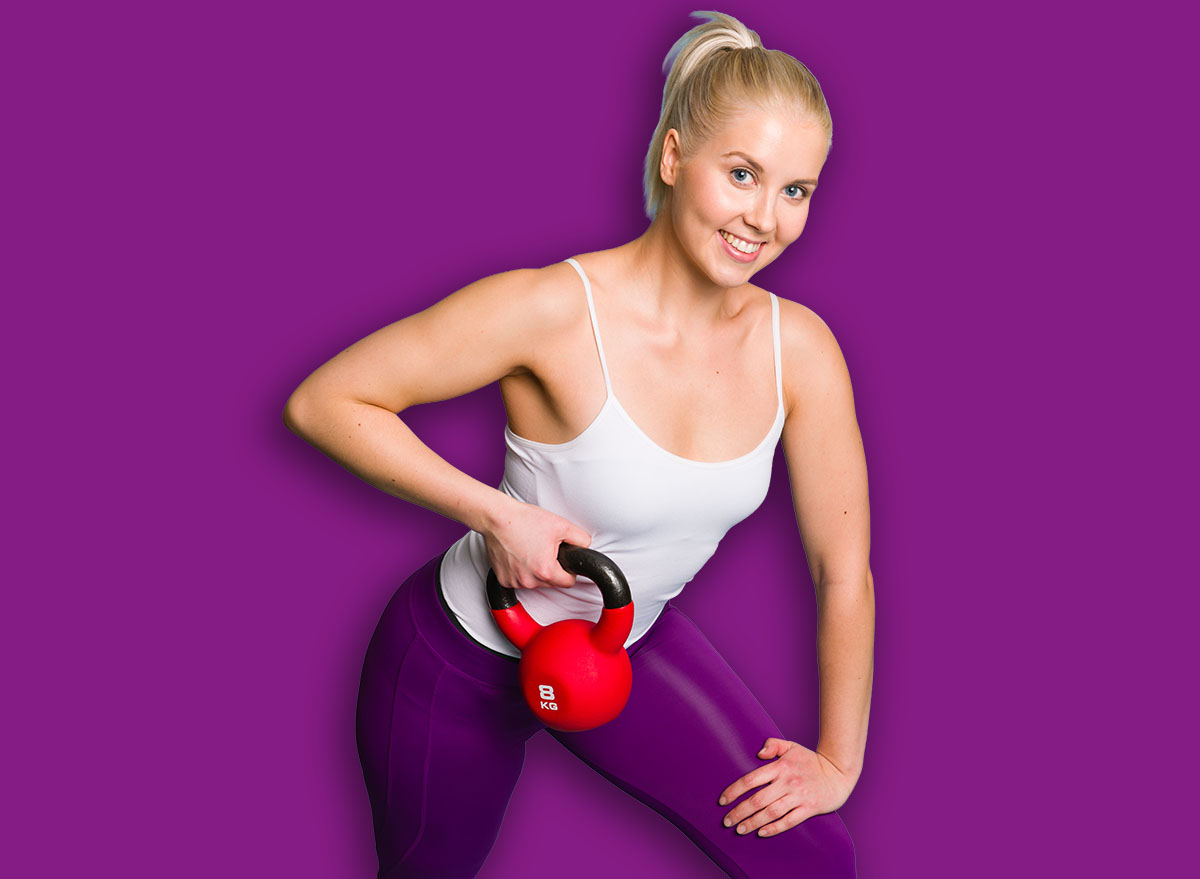
Rows are indispensable for shaping the upper arms, not merely by working the biceps (though they are involved) but by strengthening the powerful muscles of the back and shoulders that provide structural support and a refined frame for the entire upper limb. In an alternating kettlebell row, each repetition compels the triceps and shoulder stabilizers to engage significantly as the lats and upper back execute the primary pulling action. The alternating nature of the movement dynamically engages the core, challenging rotational stability and enhancing trunk strength. Furthermore, improving posture—a direct benefit of strengthening the upper back—can immediately make the arms appear leaner and more defined. This exercise also perfectly complements pushing movements like incline push-ups, contributing to balanced shoulder health and preventing imbalances that can arise from over-focusing on pushing motions.
- Primary Muscles Engaged: Latissimus dorsi (lats), rhomboids, trapezius (upper back), triceps (stabilization), core stabilizers.
- Execution Guidance: Position yourself with a kettlebell (or dumbbell) on the floor beside you. Hinge at your hips, maintaining a flat back, and support yourself with one hand on a sturdy bench or a stable object if needed. With the free hand, grasp the kettlebell. Pull the weight towards your hip, focusing on squeezing your shoulder blade towards your spine. Control the descent of the weight back to the starting position. Alternate arms after each set or after completing all repetitions on one side.
- Recommended Protocol: Complete 3 sets of 10 to 12 repetitions per arm. Rest for 45 seconds between sets.
- Progressive Variations: Single-arm supported rows (hand on a bench) for stability, resistance band rows for lower impact, or tempo rows to increase muscle engagement.
3. Half-Kneeling Shoulder Press: Overhead Strength with Core Integration
The half-kneeling shoulder press is an outstanding exercise that challenges the shoulders and triceps while simultaneously demanding substantial core stabilization from the entire body. The half-kneeling stance inherently limits the ability to generate momentum, forcing a more controlled and precise movement pattern. This position also optimizes shoulder mechanics, encouraging a healthier and more efficient pressing pathway, which is particularly beneficial for individuals over 50 who may experience some joint stiffness or previous injuries. As the primary movers (shoulders) work, the triceps actively assist in the lockout phase of every repetition, receiving high-quality tension without the need for isolated work. This synergistic engagement promotes firmness and definition throughout the upper arm while cultivating robust, functional overhead strength vital for daily tasks.
- Primary Muscles Engaged: Deltoids (shoulders), triceps brachii, core musculature, upper pectoralis.
- Execution Guidance: Start in a half-kneeling position with one knee on the ground (use a pad for comfort) and the other foot flat on the floor, forming a 90-degree angle at both knees. Hold a dumbbell or kettlebell in the hand opposite the kneeling leg, racked at shoulder height. Engage your core strongly to keep your ribs stacked over your hips, preventing any arching in the lower back. Press the weight directly overhead until your arm is fully extended, then slowly lower it back to the starting position.
- Recommended Protocol: Perform 3 sets of 8 to 10 repetitions per arm. Allow 45 seconds of rest between sets.
- Progressive Variations: Tall kneeling press (both knees down) for increased core challenge, landmine press for a more natural arc, or traditional single-arm dumbbell presses from a standing position once stability improves.
Pillar 2: Dynamic Movement for Systemic Benefits
While strength training builds and preserves muscle, cardiovascular activity is critical for systemic fat loss and improving overall circulation, which contributes to healthier skin and muscle tissue.

4. Walking Intervals: Accelerating Fat Loss and Enhancing Recovery
Walking intervals represent an accessible yet highly effective cardiovascular modality that significantly contributes to overall fat loss without imposing excessive stress on joints, making them ideal for the over-50 demographic. The deliberate increase in pace during intervals naturally prompts greater engagement of the arms, shoulders, and upper back as the body swings with heightened intention. This rhythmic, full-body motion not only elevates heart rate for cardiovascular benefits but also improves circulation throughout the body, facilitating nutrient delivery to muscles and aiding in recovery. When performed consistently, walking intervals reinforce the benefits of the strength training exercises by accelerating overall body fat reduction and promoting a healthier metabolic environment, which collectively contributes to more visible changes in arm firmness and definition.
- Primary Systems Engaged: Cardiovascular system, lower body musculature (legs, glutes), arm and shoulder stabilizers.
- Execution Guidance: Begin with a comfortable warm-up walk for 5 minutes. Transition into an interval pattern: walk at a brisk pace (where talking is challenging but possible) for 2-3 minutes, then slow down to a moderate recovery pace for 1-2 minutes. Repeat this cycle for 15 to 20 minutes, concluding with a 5-minute cool-down walk.
- Recommended Protocol: Aim for 15 to 20 minutes of total interval time, adjusting the fast and slow segments based on individual fitness levels.
- Progressive Variations: Integrate inclines (on a treadmill or natural hills outdoors), increase the duration of brisk segments, or carry light hand weights (if comfortable) to further engage the upper body.
- Form Tip: Focus on driving your arms actively back and forth from the shoulder, rather than allowing them to swing passively or cross your body. This engages the upper body more effectively.
Holistic Lifestyle Considerations for Lasting Results
Achieving and maintaining toned arms after 50 is not solely about exercise; it’s a synergistic outcome of a comprehensive lifestyle strategy.
- Nutritional Support: Adequate protein intake is paramount for muscle repair and growth. Aim for lean protein sources at each meal (e.g., chicken, fish, legumes, dairy). A balanced diet rich in whole foods, healthy fats, and complex carbohydrates supports overall fat loss and energy levels.
- Hydration: Water is essential for every bodily function, including skin elasticity and metabolic processes. Sufficient hydration can help maintain skin turgor and overall cellular health.
- Quality Sleep and Recovery: Muscle growth and repair primarily occur during rest. Prioritizing 7-9 hours of quality sleep per night is crucial for hormonal balance and physical recovery.
- Stress Management: Chronic stress elevates cortisol levels, which can contribute to fat storage and hinder muscle development. Incorporate stress-reducing practices like meditation, yoga, or spending time in nature.
- Patience and Consistency: Visible changes in body composition take time and consistent effort. It’s important to approach this journey with patience, celebrating small victories and maintaining a long-term perspective. Consult with a certified strength coach or healthcare professional to tailor a program that aligns with individual health status and goals.
In conclusion, the pursuit of firmer, more defined upper arms after the age of 50 is an achievable goal when approached with an integrated strategy. By prioritizing compound strength training, incorporating dynamic cardiovascular activity, and supporting these efforts with thoughtful nutritional and lifestyle choices, individuals can not only enhance the aesthetic appeal of their arms but also significantly bolster their overall strength, metabolic health, and functional independence, fostering a more vibrant and active life.
About the Author