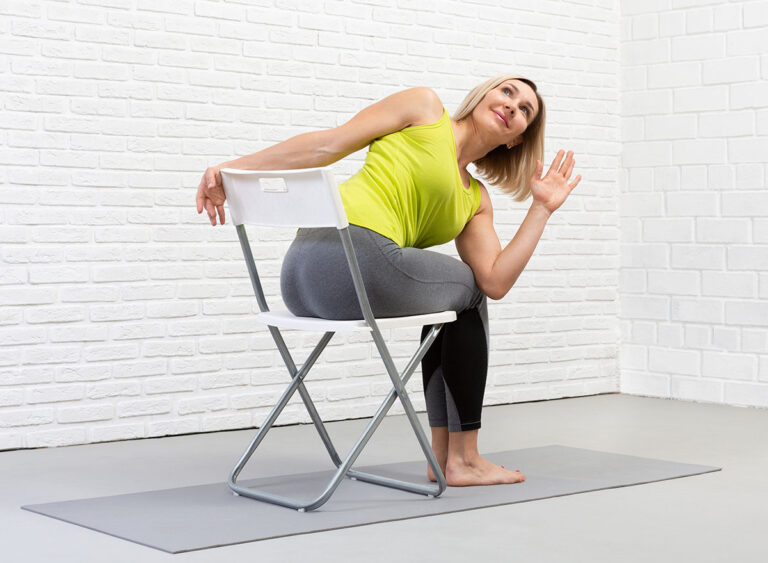
As individuals progress through their adult lives, particularly beyond the age of 55, maintaining muscle tone and definition in the upper arms often becomes a prominent fitness objective. The common phenomenon of increased laxity in this area, sometimes referred to colloquially by various terms, stems from a complex interplay of physiological changes, including shifts in body composition, hormonal fluctuations, and the natural process of aging. While isolated exercises targeting the triceps are frequently recommended, a growing body of expert opinion suggests that a more comprehensive and integrated approach, heavily featuring standing movements, yields superior and more sustainable results for developing a sculpted and firm upper arm appearance. This strategy not only addresses the aesthetic concern but also contributes significantly to overall functional strength and joint health, which are paramount for active aging.
The physiological underpinnings of changes in upper arm composition are multifaceted. With advancing age, individuals experience sarcopenia, the progressive loss of muscle mass and strength. This decline is not uniform across all muscle groups and can lead to a reduction in the firm scaffolding that muscle tissue provides beneath the skin. Concurrently, fat distribution patterns tend to shift. For many women, particularly during perimenopause and menopause, decreased estrogen levels can influence where adipose tissue is stored, often leading to an increase in fat accumulation around the midsection and upper arms. This combination of reduced muscle density and increased fat deposits contributes to the appearance of less toned upper arms. It is crucial to understand that "spot reduction"—the idea that exercising a specific muscle group will preferentially burn fat from that area—is a persistent myth in fitness. Fat loss is a systemic process influenced by overall caloric deficit and metabolic health. Therefore, achieving a more defined physique, including the upper arms, necessitates a strategy that focuses on comprehensive muscle development and reduction of overall body fat.
Beyond these physiological shifts, lifestyle factors, posture, and the mechanics of movement play critical roles. Julie Dermer, a certified personal trainer and Master Instructor, highlights the often-overlooked connection between posture and arm aesthetics. She emphasizes that poor postural alignment, characterized by rounded shoulders and a weakened upper back, can visually exaggerate the appearance of looseness in the arms. Strengthening the entire skeletal system to support visible changes is paramount, ensuring that the foundational elements of the body are robust. This holistic perspective underscores why merely focusing on triceps isolation might fall short. Logan Herlihy, a fitness expert with extensive experience in high-intensity training, bodybuilding, and strength and conditioning, concurs, stating that upper arm laxity is predominantly an issue of excess fat deposits. He reinforces that a slimmer, more toned physique is the result of increased muscle mass coupled with reduced surrounding adipose tissue.
The efficacy of incorporating standing exercises into a fitness regimen for upper arm development, especially for those over 55, lies in several key advantages. Firstly, standing movements naturally engage more core musculature and stabilizing muscles throughout the body, including the glutes and various spinal erectors. This engagement translates into improved functional strength, meaning the ability to perform daily activities with greater ease and efficiency. Unlike seated exercises that provide external support, standing variations demand internal stabilization, thereby enhancing balance and proprioception—the body’s awareness of its position in space. Secondly, for mature adults, joint health becomes an increasingly important consideration. Certain exercises involving deep elbow flexion, such as traditional dips, can place undue stress on the shoulders, elbows, and wrists, potentially leading to irritation or injury. Standing exercises, when performed with proper form and controlled movements, often present a lower risk of joint strain while still effectively targeting the desired muscle groups.
Furthermore, a truly effective strategy for sculpting the upper arms extends beyond just the triceps. Coach Amanda Grimm, a certified Personal Trainer and Running Coach with a Bachelor’s Degree in Sports Science, stresses that relying solely on triceps exercises becomes less effective with age. She explains that achieving a truly toned appearance requires the synergistic action of the shoulders (deltoids), rear deltoids, and upper back muscles. When these supporting muscle groups are underdeveloped, the skin and underlying tissues in the upper arm lack the structural support needed to maintain firmness, contributing to the perceived "wobble." Therefore, training the deltoids, pectorals, and latissimus dorsi is crucial for building a well-rounded upper body foundation that visually enhances triceps definition. Integrating compound movements and multi-joint exercises is key to activating these accessory muscles, fostering a more harmonious and robust upper body.
Considering these principles, a program incorporating the following six exercises, which blend standing movements with strategically chosen seated variations for optimal muscle targeting and joint consideration, can significantly contribute to upper arm definition and strength for individuals over 55:
-
Standing Dumbbell Bicep Curls: This foundational exercise directly targets both heads of the biceps brachii, responsible for flexing the elbow and supinating the forearm. As a standing movement, it also engages the core for stability. To perform, stand tall with feet shoulder-width apart, holding a dumbbell in each hand, palms facing forward. Keeping elbows close to the torso, curl the weights upwards towards the shoulders, squeezing the biceps at the top. Slowly lower the weights with control. Herlihy notes its classic efficacy in bodybuilding for a reason, emphasizing its role in developing the front of the upper arm.
-
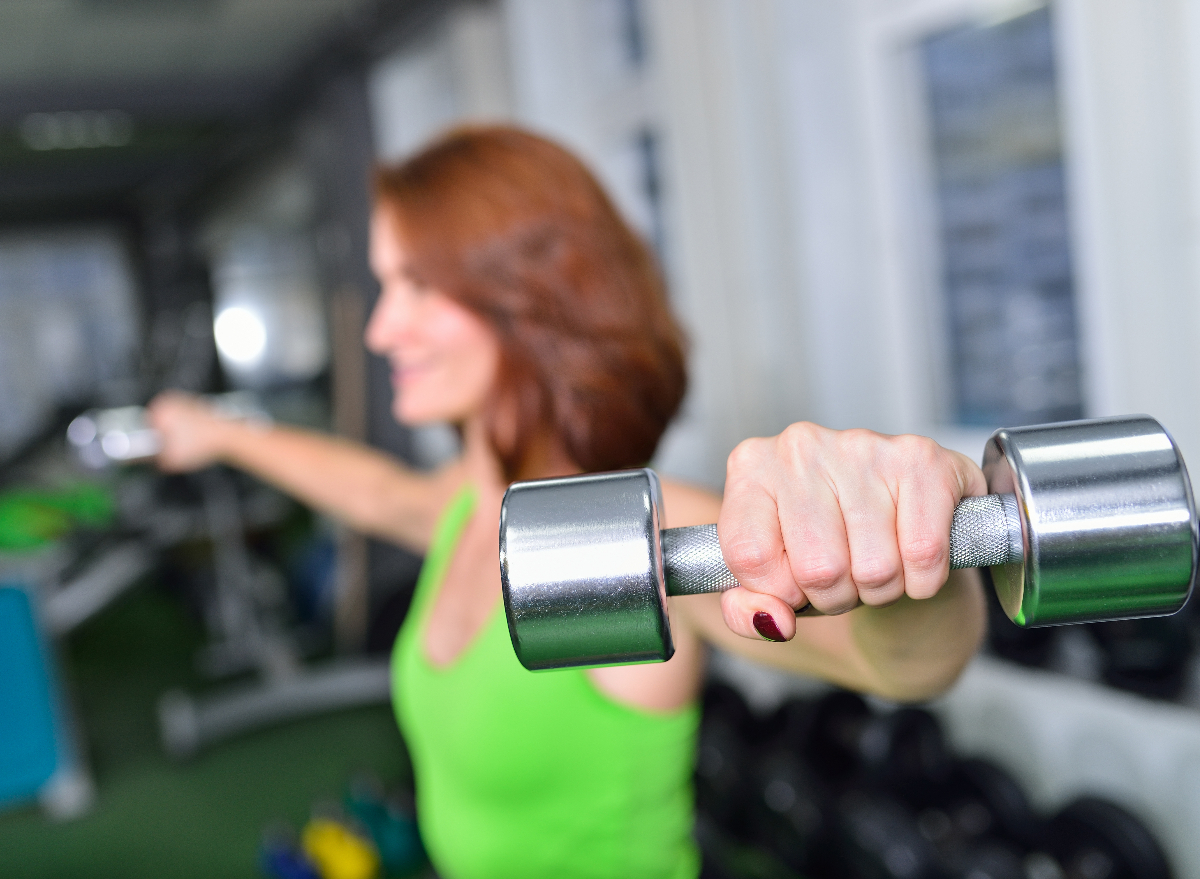
Standing Lateral Raises: This exercise specifically isolates the lateral (side) head of the deltoids, the muscles that give the shoulders their width and rounded appearance. Strengthening this muscle group contributes to the overall "cap" of the shoulder, making the entire arm look more defined and proportionate. Stand with a slight bend in the knees, holding light dumbbells at your sides, palms facing inward. With a controlled motion, raise the dumbbells out to the sides until your arms are parallel to the floor, forming a "T" shape. Avoid shrugging or using momentum. Herlihy explains that this exercise, in conjunction with bicep work, helps create a "cap" that makes the triceps "pop."
-
Seated Hammer Curls: While primarily a bicep exercise, the hammer curl variation targets the brachialis and brachioradialis muscles more intensely due to the neutral grip (palms facing each other). These muscles contribute to overall arm thickness and strength. Performing them seated, particularly on a bench with a slight backward angle (around 45 degrees), as suggested by Herlihy, allows for a deeper stretch in the bicep muscles. Emerging research supports that a deep stretch under load is highly beneficial for muscle growth. This seated variation offers controlled isolation, which can be advantageous for individuals prioritizing specific muscle engagement without excessive core demand, or for those managing lower back considerations.
-
Seated Dumbbell Overhead Press: This compound movement is a powerful activator for all three heads of the deltoids (anterior, lateral, and posterior), and secondarily engages the triceps as synergists. While typically performed seated for stability and to isolate the shoulder press motion, it can be adapted to standing for increased core engagement, if appropriate for the individual’s balance and strength. Holding dumbbells at shoulder height, palms facing forward, press them directly overhead until arms are fully extended but not locked. Slowly lower back to the starting position. Herlihy highlights this exercise’s benefit in providing a unique angle to work the shoulders, adding volume to the triceps, and contributing to overall shoulder strength and stability.
-
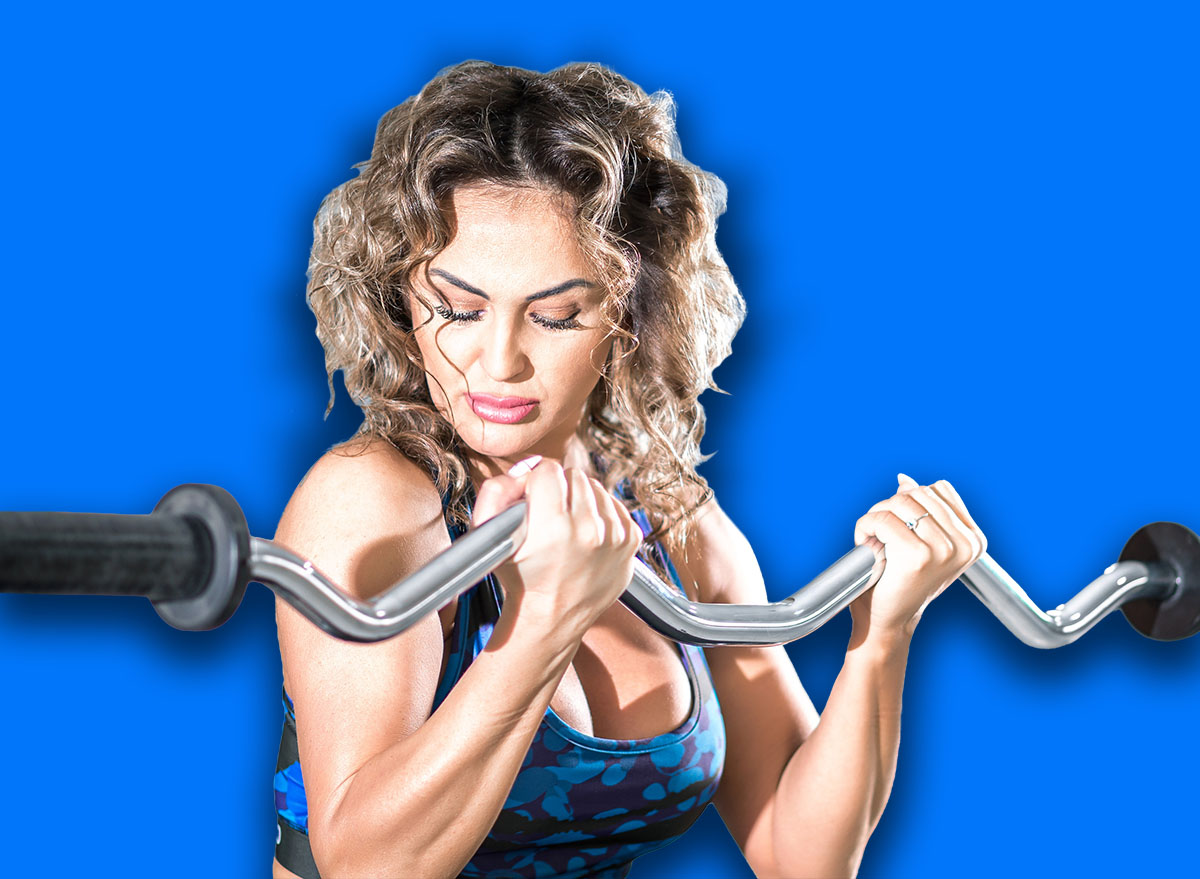
EZ Bar Standing Bicep Curls: Utilizing an EZ curl bar offers a distinct advantage over straight barbells by allowing for a semi-supinated grip (palms slightly angled inward). This grip places less stress on the wrists and elbows, which can be particularly beneficial for older adults or those with joint sensitivities, while still effectively targeting the biceps. The standing posture again ensures core engagement. Herlihy explains that the slight internal rotation of the wrists provided by the EZ bar offers another unique angle to stimulate bicep growth, contributing to comprehensive arm development.
-
Standing Tricep Kickbacks: This isolation exercise specifically targets the triceps brachii, the muscle group on the back of the upper arm often associated with upper arm laxity. Performing it standing necessitates additional core stability compared to a seated or supported variation. Lean forward slightly from the hips, keeping your back straight and core engaged. Hold a dumbbell in each hand, upper arms tucked close to your sides, elbows bent at 90 degrees. Extend your forearms straight back, contracting the triceps at the top of the movement. Dermer advises pausing at full extension to maximize the muscle contraction and "feel the burn." This controlled movement helps to build definition and strength in the posterior aspect of the upper arm.
Beyond these specific exercises, a truly holistic approach to upper arm definition and overall physical well-being for individuals over 55 must encompass broader lifestyle considerations. Adequate protein intake is crucial for muscle repair and growth, especially when engaging in strength training. Hydration supports metabolic functions and joint health. Sufficient sleep is vital for recovery and hormonal balance. Furthermore, maintaining a balanced nutritional intake that supports a healthy body composition will contribute significantly to reducing overall adipose tissue, thereby enhancing the visibility of newly developed muscle. Consistency in training, proper form to prevent injury, and listening to one’s body are foundational principles for long-term success. By embracing a comprehensive strategy that prioritizes integrated strength training, good posture, and supportive lifestyle choices, individuals can effectively enhance upper arm definition and stability, promoting both aesthetic satisfaction and sustained functional fitness well into their later years.
About the Author