The pursuit of a leaner midsection, particularly for individuals navigating their fifth decade and beyond, often presents unique challenges that traditional exercise paradigms may not adequately address. As bodies mature, physiological shifts such as declining metabolic rates, hormonal fluctuations, and the natural progression of sarcopenia—age-related muscle loss—can contribute to the accumulation of abdominal fat, frequently referred to as "belly overhang" or visceral adiposity. While many instinctively turn to isolated abdominal exercises like crunches, a growing body of evidence and the insights of contemporary fitness specialists advocate for a more dynamic and integrated approach: standing, multi-joint compound movements. This methodology not only proves more efficacious for systemic fat reduction but also fosters enhanced functional strength, balance, and overall well-being, surpassing the targeted yet limited benefits of floor-based core work.
The fundamental premise behind prioritizing standing exercises lies in their capacity to engage multiple muscle groups simultaneously across different planes of motion. This holistic engagement translates directly into a significantly higher energy expenditure per session compared to exercises that isolate a single muscle group. For someone over fifty, where metabolic efficiency may naturally wane, maximizing caloric burn during workouts becomes a crucial component of any fat loss strategy. Furthermore, these movements intrinsically demand robust core stabilization. Unlike crunches, which primarily involve spinal flexion, standing exercises force the core musculature—including the rectus abdominis, obliques, and deep transverse abdominis—to work synergistically to maintain balance, transfer force, and protect the spine throughout complex movements. This constant, dynamic stabilization builds a more resilient and functionally strong core, which is paramount for everyday activities and reducing injury risk.
Beyond calorie expenditure and core engagement, standing functional movements are inherently more aligned with real-world physical demands. From lifting groceries to navigating stairs or simply maintaining an upright posture, life requires the body to move as a cohesive unit. Exercises performed while standing mimic these natural movement patterns, cultivating practical strength, improving proprioception (the body’s sense of its position in space), and enhancing coordination. For the demographic over fifty, these benefits are particularly salient, contributing to improved mobility, balance, and a reduced risk of falls, thereby promoting independence and quality of life. Moreover, many standing exercises are inherently more joint-friendly than high-impact or repetitive flexion movements, making them a sustainable choice for long-term fitness.
One exemplary exercise embodying these principles is the Goblet Squat. This fundamental movement effectively targets the lower body while simultaneously demanding significant core engagement. To perform it, a practitioner holds a dumbbell or kettlebell vertically against the chest, with elbows tucked. Standing with feet shoulder-width apart, toes slightly pointed outwards, the individual initiates the squat by pushing the hips back and bending the knees, descending as if sitting into a chair. The weight held at the chest acts as a counterbalance, encouraging an upright torso position and placing a substantial load on the anterior core to maintain posture. The depth of the squat should be controlled, ideally with thighs parallel to the floor, before driving through the heels to return to the starting position. This motion vigorously activates the quadriceps, glutes, and hamstrings, leading to a substantial metabolic demand. The constant bracing required to stabilize the trunk throughout the movement actively strengthens the entire core musculature without any direct spinal flexion, making it a superior alternative for abdominal development. Three sets of 10 to 12 repetitions, with a 60-second rest period, are generally recommended. Variations like tempo squats or box squats can further challenge stability and control.
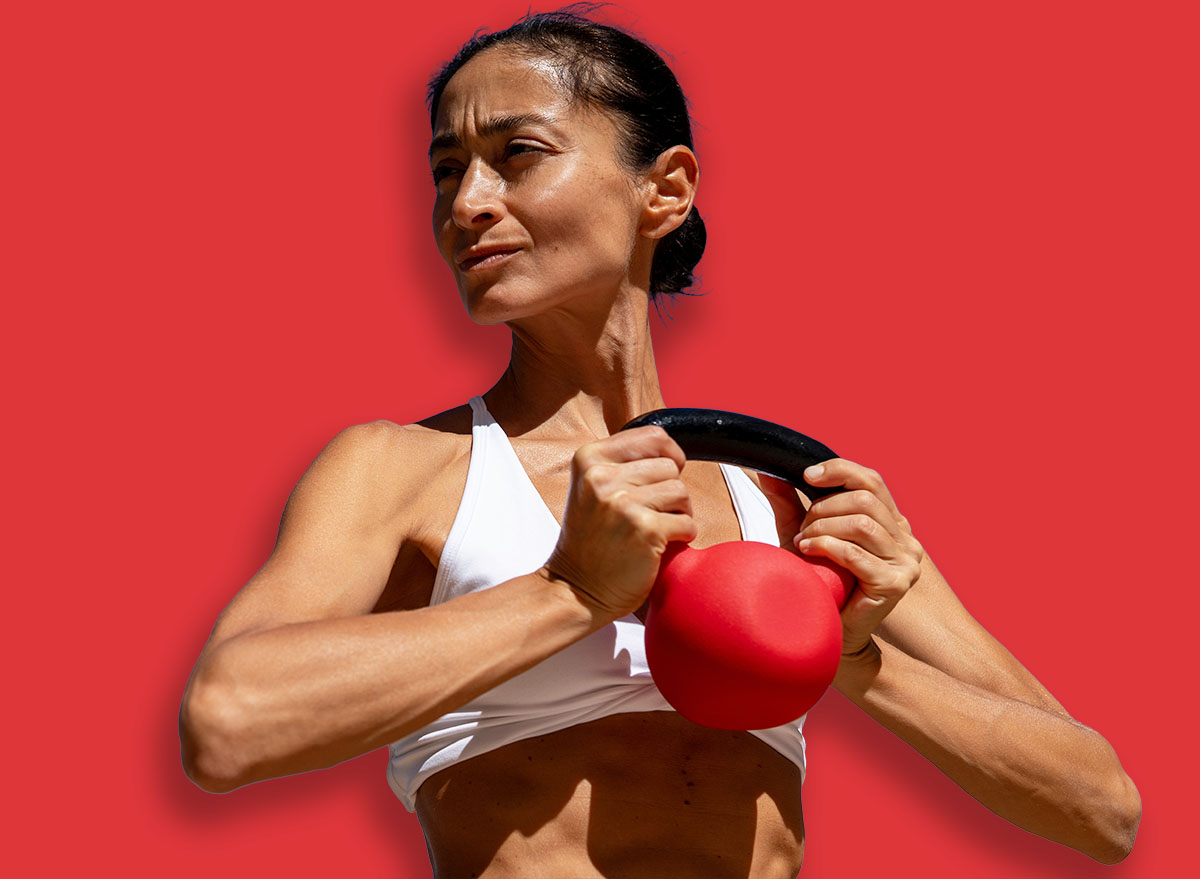
Another potent full-body exercise is the Kettlebell High Pull. This explosive movement combines strength, power, and cardiovascular conditioning, making it highly effective for calorie utilization and dynamic core stability. Starting with a kettlebell on the floor between the feet, the individual adopts a hinged position, similar to a deadlift setup, with a neutral spine. The movement begins with a powerful hip drive, extending the hips and knees to generate upward momentum. As the kettlebell rises, the elbows lead the pull, drawing the weight towards the chest, ensuring the movement is driven by the hips and legs rather than solely the arms. The core must actively brace to control the momentum and transfer force efficiently from the lower body to the upper body, safeguarding the lumbar spine. This rapid, multi-joint action significantly elevates heart rate, contributing to overall fat loss when integrated into a consistent training regimen. Executing four sets of 8 to 10 repetitions, with 75 seconds of rest, is a good starting point. Single-arm or alternating high pulls can add an extra layer of unilateral challenge.
For those seeking an intense metabolic stimulus and robust core activation, Medicine Ball Front Slams are exceptionally effective. This powerful, full-body exercise involves lifting a medicine ball overhead and forcefully slamming it down to the ground directly in front of the body. The movement starts by holding a medicine ball with both hands, feet shoulder-width apart. The individual extends the arms overhead, often rising onto the toes to create maximum reach, then rapidly drives the ball downwards towards the floor, engaging the entire posterior chain, core, and shoulders. The explosive nature of the slam, followed by the absorption of force, requires immense abdominal bracing, effectively working the core in a dynamic, protective capacity. This high-intensity, plyometric action elicits a substantial metabolic response, leading to considerable caloric expenditure. Four sets of 12 to 15 repetitions, with 60 seconds of rest between sets, can be highly beneficial. Focus on exhaling forcefully during the slam to amplify core tension and ensure proper form.
The Reverse Lunge to Knee Drive is an excellent exercise for enhancing lower body strength, improving balance, and elevating cardiovascular demand, all while engaging the core for stability. This movement begins from a standing position. The individual steps one leg back into a reverse lunge, ensuring the front knee tracks over the ankle and the back knee hovers just above the ground. From the bottom of the lunge, instead of simply stepping forward, the individual drives the back knee powerfully upwards towards the chest, simultaneously returning to an upright, balanced position on the standing leg. This transition phase requires significant core activation to maintain equilibrium and smoothly transfer force. The controlled descent of the lunge protects the knee joints, making it suitable for older adults, while the explosive knee drive builds hip flexor strength and dynamic balance. Performing three sets of 8 repetitions per side, with 60 seconds of rest, is a solid approach. Variations include holding light dumbbells or performing alternating knee drives for continuous movement.
Finally, the Dumbbell Push Press offers a powerful means to build upper body strength and power, engaging the entire kinetic chain from the legs through the core to the shoulders. This exercise starts with dumbbells held at shoulder height, palms facing each other or forward. A slight dip of the knees initiates the movement, generating momentum from the legs. This leg drive is immediately followed by an explosive press of the dumbbells overhead, extending the arms fully. The core acts as a vital link, transferring the power generated by the lower body to the upper body, ensuring a stable and efficient press. This coordinated, full-body effort allows for the lifting of heavier loads than a strict overhead press, maximizing muscle recruitment and energy output. Over time, increased muscle mass and strength contribute significantly to a higher resting metabolic rate, which is crucial for sustainable fat loss, particularly for individuals over fifty. Four sets of 6 to 8 repetitions, with 90 seconds of rest, are effective for building power. Remember to emphasize the "legs first, arms second" cue for optimal force generation.
Beyond the specific exercises, achieving lasting reductions in abdominal fat after the age of fifty necessitates a holistic strategy encompassing several key principles. Consistent engagement with challenging, multi-joint movements forms the foundation, but dietary habits are equally, if not more, critical. Adopting a nutrient-dense diet that prioritizes lean protein, complex carbohydrates, and healthy fats, while carefully managing caloric intake, is essential for creating the necessary energy deficit for fat loss. Adequate protein intake is particularly important to combat sarcopenia and support muscle repair and growth. Furthermore, prioritizing sufficient sleep, managing stress effectively, and ensuring proper hydration all play integral roles in optimizing hormonal balance and recovery, which are foundational to metabolic health. Regular, purposeful movement, whether through structured workouts or daily activity, combined with patience and consistency, will collectively yield the most significant and sustainable results in redefining the midsection and enhancing overall vitality in later life. Consulting with a healthcare professional or certified fitness expert can provide personalized guidance, ensuring exercises are appropriate and safe for individual needs and health conditions.
About the Author