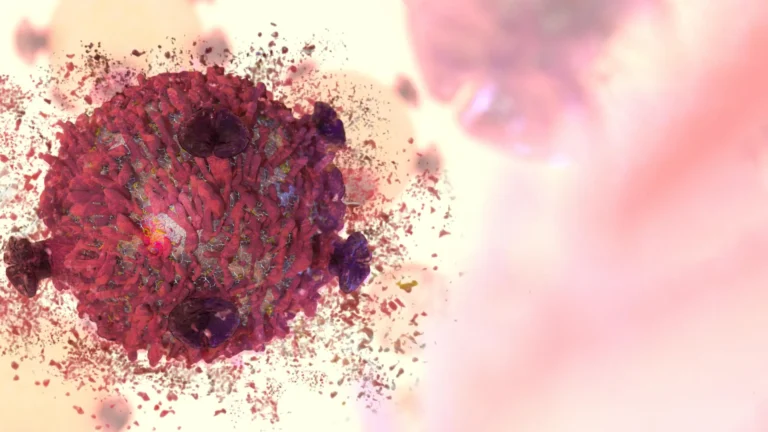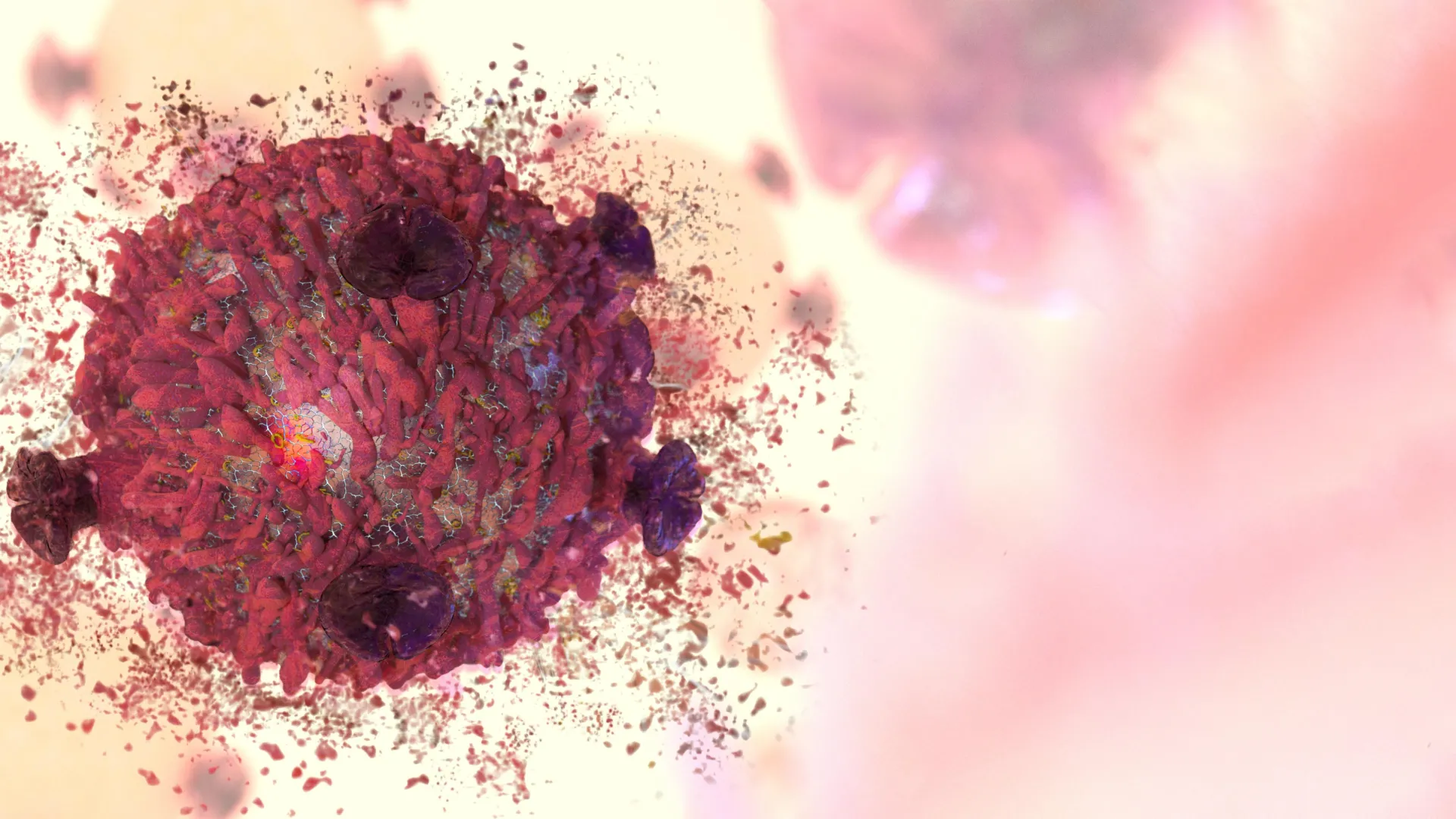
A groundbreaking advancement in cancer therapeutics has emerged from Oregon State University, where scientists have engineered a novel nanomaterial capable of selectively eradicating malignant cells from within. This sophisticated agent operates by initiating two distinct chemical cascades upon entering a tumor cell, leading to an overwhelming surge of oxidative stress that proves fatal to the cancerous entity while leaving surrounding healthy tissues entirely unharmed. This development represents a significant stride forward in the burgeoning field of chemodynamic therapy (CDT), a cutting-edge strategy that capitalizes on the unique biochemical milieu characteristic of tumors.
The research, spearheaded by a distinguished team including Oleh Taratula, Olena Taratula, and Chao Wang from the OSU College of Pharmacy, has been formally documented and published in the esteemed scientific journal Advanced Functional Materials. Their work significantly bolsters the potential of CDT by addressing key limitations inherent in existing therapeutic agents. The fundamental principle of chemodynamic therapy lies in exploiting the distinct chemical environments found within cancerous growths. These environments are notably different from those in normal tissues, exhibiting a proclivity towards higher acidity and a greater abundance of hydrogen peroxide, a common cellular byproduct.
Traditional chemodynamic therapies leverage these tumor-specific conditions to catalyze the generation of hydroxyl radicals. These hydroxyl radicals are exceptionally potent molecules, composed of oxygen and hydrogen, distinguished by an unpaired electron that makes them highly reactive. This unpaired electron drives their damaging action by initiating oxidation, a process that involves stripping electrons from vital cellular components such as lipids, proteins, and critically, the DNA housed within the cell’s nucleus. The disruption of these essential molecular structures can lead to cellular dysfunction and, ultimately, programmed cell death.
More recent innovations in CDT have also explored the generation of singlet oxygen. Singlet oxygen, another form of reactive oxygen species (ROS), derives its name from its electronic configuration, specifically its single electron spin state. This contrasts with the triplet spin state characteristic of the more stable oxygen molecules that constitute the air we breathe. While both hydroxyl radicals and singlet oxygen are potent ROS capable of inducing oxidative damage, their generation and efficacy have often been independent in prior CDT agents.
Oleh Taratula articulated the constraints of contemporary CDT approaches, noting that "existing CDT agents are limited. They efficiently generate either radical hydroxyls or singlet oxygen but not both, and they often lack sufficient catalytic activity to sustain robust reactive oxygen species production. Consequently, preclinical studies often only show partial tumor regression and not a durable therapeutic benefit." This dual limitation – the inability to produce both types of ROS and insufficient catalytic power – has historically hampered the full therapeutic potential of chemodynamic therapies, often resulting in only partial tumor reduction and failing to provide lasting relief from the disease.
In direct response to these identified shortcomings, the research consortium engineered a novel nanoagent specifically designed for chemodynamic therapy. This innovative agent is constructed from an iron-based metal-organic framework, commonly referred to as a MOF. The unique porous structure and chemical composition of this MOF endow it with the remarkable capability to concurrently generate both hydroxyl radicals and singlet oxygen. This dual-action mechanism dramatically amplifies its cancer-fighting capacity, creating a synergistic effect that is more potent than agents producing only one type of ROS. The MOF has undergone rigorous testing and has demonstrated potent toxicity against a diverse array of cancer cell lines, while exhibiting a strikingly minimal impact on noncancerous cells, underscoring its remarkable selectivity.
The preclinical efficacy of this new nanoagent was put to the test in animal models. Olena Taratula elaborated on these pivotal findings: "When we systemically administered our nanoagent in mice bearing human breast cancer cells, it efficiently accumulated in tumors, robustly generated reactive oxygen species and completely eradicated the cancer without adverse effects. We saw total tumor regression and long-term prevention of recurrence, all without seeing any systemic toxicity." These results from in vivo experiments were exceptionally promising, indicating complete eradication of tumors in the treated mice. Furthermore, the observed long-term prevention of recurrence suggests a lasting therapeutic effect, and critically, the animals exhibited no discernible signs of harmful side effects, pointing to a favorable safety profile. The successful complete regression of tumors, coupled with the absence of adverse effects, represents a significant leap forward in targeted cancer treatment.
Looking ahead, the researchers are meticulously planning the next phases of their investigation to broaden the potential applicability of this innovative treatment. Before advancing to human clinical trials, a crucial step in the drug development process, the team intends to rigorously evaluate the nanoagent’s effectiveness against a wider spectrum of cancer types. Particular emphasis will be placed on aggressive and notoriously difficult-to-treat cancers, such as pancreatic cancer, to ascertain whether this dual-ROS generating approach can prove efficacious across a diverse range of tumor pathologies. This expansion of testing will provide invaluable data on the agent’s versatility and its potential to address various forms of malignancy.
The collaborative nature of this scientific endeavor is highlighted by the contributions of several other researchers from Oregon State University. These dedicated individuals include Kongbrailatpam Shitaljit Sharma, Yoon Tae Goo, Vladislav Grigoriev, Constanze Raitmayr, Ana Paula Mesquita Souza, and Manali Parag Phawde, all of whom played integral roles in the research and development process. The groundbreaking work was made possible through substantial financial support from prestigious institutions, specifically the National Cancer Institute of the National Institutes of Health and the Eunice Kennedy Shriver National Child Health and Human Development, underscoring the national importance and recognition of this vital research.
About the Author