A comprehensive comparative investigation, disseminated online via the open-access publication BMJ Global Health, has revealed a significant correlation between even modest daily alcohol consumption and an elevated probability of developing oral cavity cancer within India. The research indicates that ingesting a mere 9 grams of alcohol per diem, an amount equivalent to a single standard beverage, corresponds to a 50% amplification in risk. This association was found to be particularly pronounced among individuals who habitually consume domestically produced alcoholic beverages.
The confluence of alcohol consumption with the habit of chewing tobacco presents a particularly dire synergistic effect, according to the study’s findings. Researchers have posited that this combined exposure may be implicated in as many as 62% of all recorded cases of buccal mucosa cancer, a prevalent form of oral cancer, across the nation. This finding underscores the critical interplay between lifestyle factors and the incidence of this devastating disease.
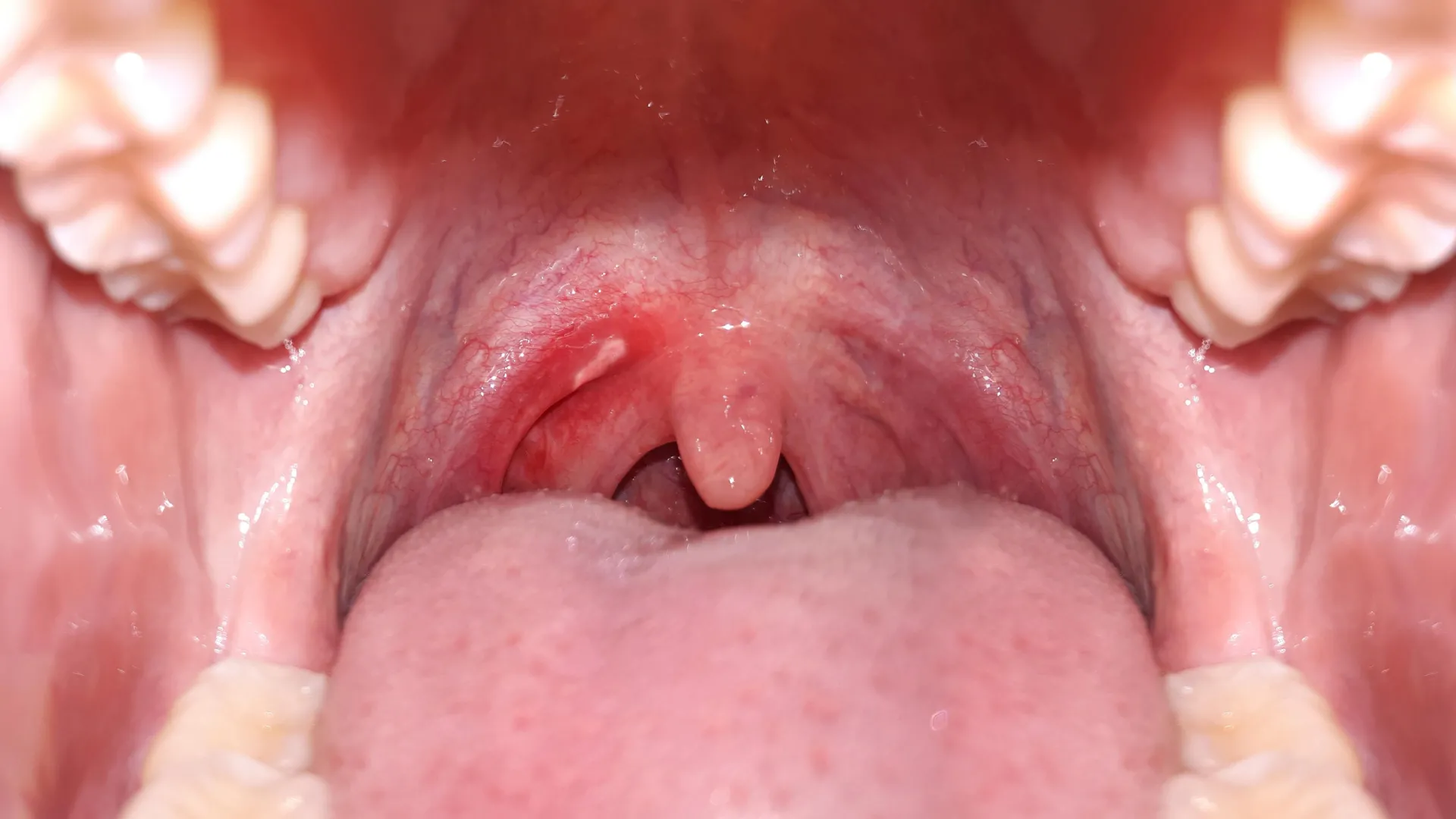
Mouth cancer has ascended to the second most common oncological diagnosis in India, with projections indicating approximately 143,759 new cases and a tragic 79,979 fatalities annually. Data suggests a consistent upward trajectory in the incidence rates, now approaching a threshold of 15 diagnoses per 100,000 Indian males. The most frequently affected anatomical region is the buccal mucosa, the soft tissue lining the inner cheeks and lips, a testament to the direct exposure pathway. Prognostic outcomes for patients diagnosed with this malignancy remain a cause for significant concern, with a mere 43% survival rate extending beyond five years post-diagnosis.
Disentangling the precise contributions of alcohol and tobacco to oral cancer risk has historically posed a considerable challenge for researchers, primarily due to their frequent co-occurrence in dietary and lifestyle habits. This complexity is amplified in the Indian context, where the consumption of smokeless tobacco products is remarkably widespread. Furthermore, the specific health ramifications associated with locally manufactured alcoholic beverages, a common choice in rural communities, have historically received insufficient scientific scrutiny until the advent of this study.
To meticulously investigate these complex risk factors, the research team engaged in a detailed comparative analysis. They meticulously compared the habits and characteristics of 1,803 individuals diagnosed with buccal mucosa cancer against a control group comprising 1,903 randomly selected individuals who did not exhibit the disease. The participant pool was drawn from five distinct study centers, with data collection spanning from 2010 to 2021. The majority of participants fell within the 35 to 54 age bracket, although a striking 46% of the cancer cases were identified among individuals as young as 25 to 45 years old, highlighting a concerning trend of early onset.
A crucial component of the study involved the comprehensive documentation of participants’ drinking patterns and tobacco usage. Individuals provided exhaustive details regarding the duration of their alcohol consumption, the frequency of their intake, and the specific types of alcoholic beverages consumed. This inventory included 11 globally recognized alcoholic drinks such as beer, whisky, vodka, rum, and breezers, alongside a diverse array of 30 locally produced beverages. These indigenous options, varying in their formulation and regional nomenclature, included apong, bangla, chulli, desi daru, and mahua, each representing distinct cultural and consumption practices.
Concurrently, participants were rigorously questioned about their tobacco habits, encompassing the duration of use and the specific forms of tobacco consumed. This detailed data collection enabled researchers to systematically examine the intricate ways in which alcohol and tobacco interact to influence the likelihood of developing oral cancer.
The analysis of the collected data revealed distinct patterns. Among the cohort diagnosed with cancer, a substantial 781 individuals reported engaging in alcohol consumption, whereas 1,019 individuals stated they abstained from alcohol. In contrast, within the control group, only 481 individuals reported drinking alcohol, while a significantly larger proportion, 1,420 individuals, indicated they did not consume alcohol.
Further examination demonstrated a clear correlation between increased exposure and elevated risk. Individuals diagnosed with buccal mucosa cancer reported a longer average duration of tobacco use, approximately 21 years, compared to the control group’s average of roughly 18 years. Moreover, those afflicted by cancer were more inclined to reside in rural settings and to consume larger daily quantities of alcohol, averaging nearly 37 grams, in contrast to the control group’s average of approximately 29 grams.
The frequency of alcohol consumption emerged as a potent predictor of augmented cancer risk, with a particularly pronounced effect observed among consumers of locally brewed alcoholic beverages. When compared to individuals who abstained from alcohol entirely, those who did consume alcohol exhibited a 68% higher risk of developing buccal mucosa cancer. This risk escalated to 72% for individuals whose preference leaned towards internationally recognized alcoholic drinks and further climbed to an alarming 87% for those who habitually consumed locally brewed alcohol.
A critical and sobering revelation from the study is the apparent absence of a discernible "safe" threshold for alcohol consumption concerning oral cancer risk. Even exceptionally small quantities of alcohol demonstrated a statistically significant association with an increased risk of buccal mucosa cancer. Specifically, the consumption of less than 2 grams of beer daily was still linked to a heightened risk. The intake of approximately 9 grams of alcohol per day, the approximate equivalent of one standard drink, was associated with an approximately 50% elevation in risk.
The synergistic impact of simultaneous alcohol and tobacco use was found to be particularly devastating. The combined exposure to both substances was linked to a more than fourfold increase in risk. Extrapolating from their comprehensive data analysis, the researchers conservatively estimate that a staggering 62% of all buccal mucosa cancer cases in India can be directly attributed to the combined effects of alcohol and chewing tobacco.
The proposed biological mechanisms by which alcohol may potentiate oral cancer risk are multifaceted. Researchers suggest that ethanol, the primary psychoactive component of alcoholic beverages, may alter the lipid composition of the oral mucosa’s inner lining. This alteration could render the mucosal barrier more permeable, thereby facilitating the entry and absorption of carcinogens present in tobacco products, rendering the tissue more vulnerable to their damaging effects. This effect appears to be independent of the duration of tobacco usage, suggesting a direct impact of alcohol on tissue susceptibility.
Collectively, the study’s findings indicate that over one in ten cases of buccal mucosa cancer in India, approximately 11.5%, can be attributed to alcohol consumption alone. This proportion escalates significantly in regions exhibiting particularly high rates of the disease, such as the states of Meghalaya, Assam, and Madhya Pradesh, where the attributable risk rises to around 14%.
The heightened risk associated with locally brewed alcohol warrants particular attention and may be partly explained by potential contamination with deleterious substances, including methanol and acetaldehyde, byproducts of improper distillation processes. The study authors emphasize that the production of these beverages is largely unregulated within many parts of India, creating a significant public health concern. The current legislative framework governing alcohol in India is intricate, involving both central and state-level laws. While central legislation offers a degree of protection, the Seventh Schedule of the Indian Constitution grants states the authority to regulate and control alcohol production, distribution, and sale. However, the market for domestically produced liquor remains largely outside of effective regulation, with some locally brewed varieties reportedly containing alcohol concentrations as high as 90%.
In their concluding remarks, the researchers strongly advocate for public health initiatives focused on the dual prevention of alcohol and tobacco use. They assert that a comprehensive and concerted effort in these areas holds the potential to drastically reduce, and perhaps even eliminate, the burden of buccal mucosa cancer from India. The study unequivocally demonstrates that there is no discernible safe level of alcohol consumption when it comes to mitigating the risk of this particular form of cancer, underscoring the urgent need for targeted interventions and public awareness campaigns.
About the Author