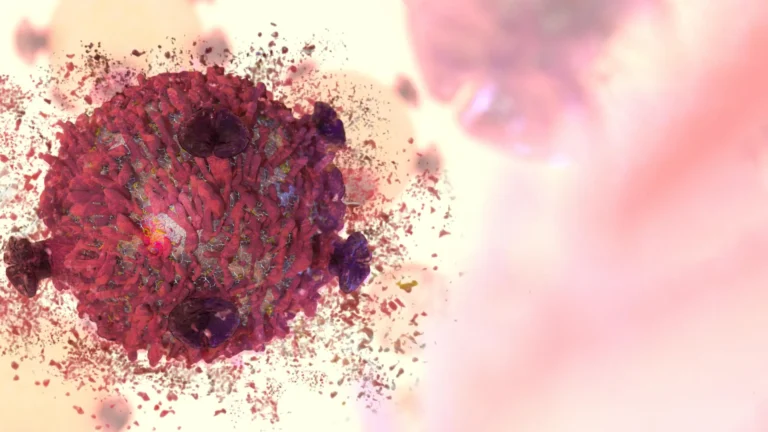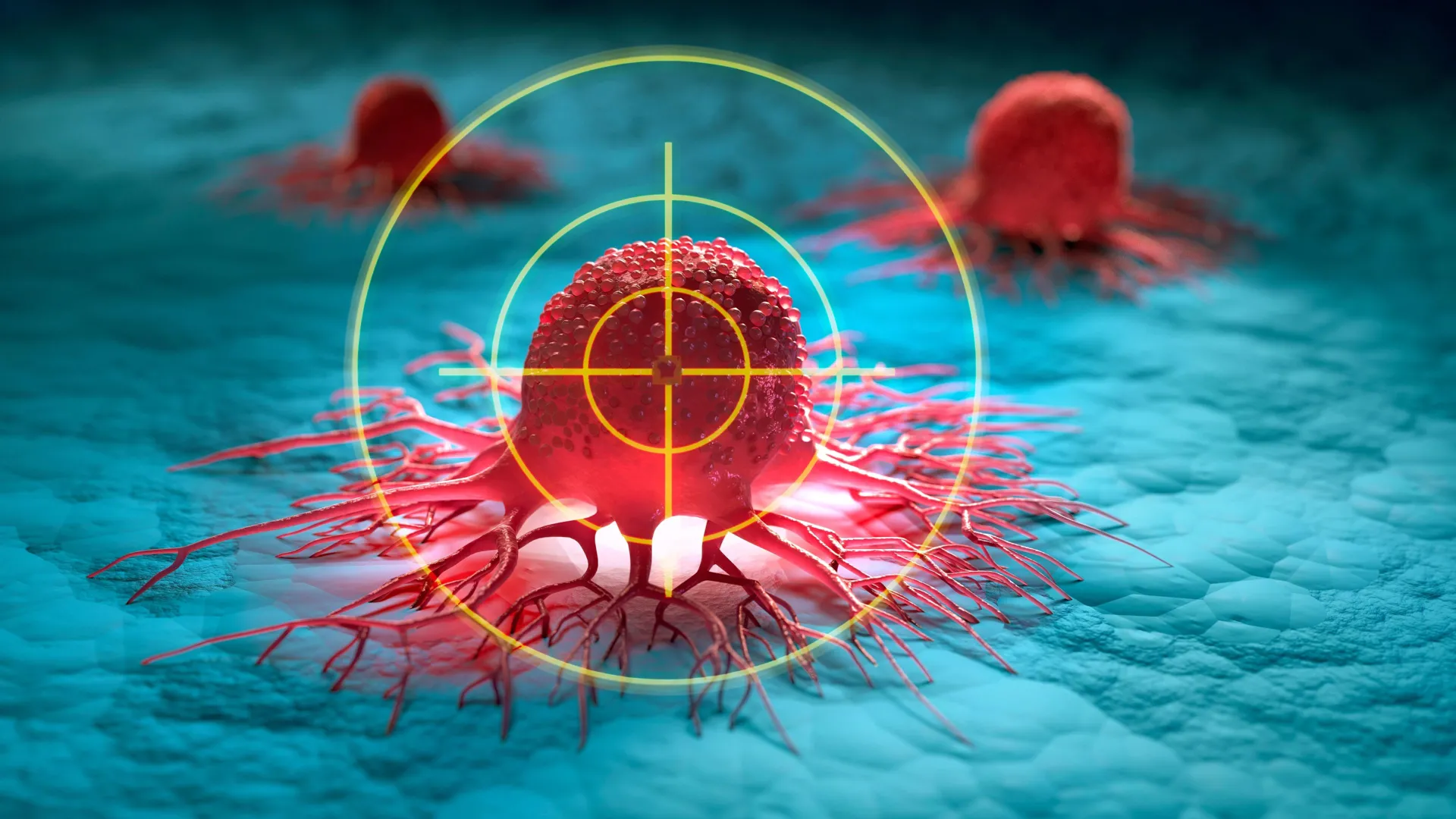
In a significant advancement for oncology, researchers at the Icahn School of Medicine at Mount Sinai have pioneered an experimental immunotherapy that fundamentally alters the battlefield within tumors, offering a novel approach to combating metastatic cancer. Diverging from conventional methods that directly target malignant cells, this innovative treatment instead focuses on dismantling the intricate network of supportive cells that shield and nourish tumors, effectively turning cancer’s own defenses against it. Initial preclinical studies, detailed in the January 22 online issue of Cancer Cell, showcase remarkable efficacy in aggressive models of metastatic ovarian and lung cancers, signaling a promising new frontier for patients facing advanced solid tumors resistant to existing therapies.
The formidable challenge posed by metastatic disease, where cancer cells spread from their primary site to distant organs, accounts for the vast majority of cancer-related fatalities. Solid tumors, such as those found in the lung and ovaries, are particularly recalcitrant to current immunotherapeutic interventions. A key contributing factor to this resistance is the tumor microenvironment (TME) – a complex ecosystem surrounding the cancer cells, comprising various immune cells, stromal cells, and blood vessels. This TME is often profoundly immunosuppressive, acting as an impenetrable fortress that actively repels immune attacks and fosters tumor growth and dissemination. For decades, the scientific community has grappled with the challenge of breaching this protective barrier to deliver effective treatments.
The Mount Sinai team’s strategic insight stems from a deeper understanding of this protective TME. As Dr. Jaime Mateus-Tique, a lead study author and faculty member in Immunology and Immunotherapy at Mount Sinai, articulated, a tumor is not merely a cluster of cancer cells but rather an elaborate structure where malignant cells are intimately surrounded by other cells that provide sustenance and protection. He emphasized the persistent difficulty in overcoming these intrinsic defenses with direct immune assaults, leading the team to consider an alternative: targeting these protective elements themselves, transforming them from obstacles into conduits for therapeutic intervention.
At the heart of this groundbreaking strategy lies the manipulation of tumor-associated macrophages (TAMs). Macrophages are a type of immune cell that typically plays a vital role in maintaining tissue health, fighting infections, and orchestrating repair processes throughout the body. However, within the aberrant environment of a tumor, these same cells undergo a profound transformation. They are recruited to the tumor site and subsequently "reprogrammed" by the cancer to adopt a pro-tumorigenic phenotype. In this altered state, TAMs actively suppress anti-tumor immune responses, promote angiogenesis (the formation of new blood vessels that feed the tumor), facilitate cancer cell proliferation, and even assist in metastasis, becoming key architects of the immunosuppressive TME. Their prevalence in many solid tumors is significant, often outnumbering the malignant cells themselves, underscoring their critical role in cancer survival and progression.
The Mount Sinai researchers devised a therapeutic agent designed to selectively eliminate these pro-tumorigenic macrophages while sparing their healthy counterparts elsewhere in the body. By precisely removing these immune-suppressing elements, the treatment aims to fundamentally reconfigure the TME, shifting it from a hostile, immune-evading state to one that is receptive to and actively supports immune-mediated destruction of cancer. This represents a paradigm shift from a direct frontal assault on cancer cells to an indirect, strategic disruption of their protective ecosystem.
The core technology enabling this innovative approach is rooted in chimeric antigen receptor (CAR) T-cell therapy. Traditional CAR T-cells are engineered from a patient’s own T-cells, genetically modified to express a synthetic receptor that enables them to recognize and bind to specific proteins (antigens) found on the surface of cancer cells, thereby directing a potent immune attack. While highly effective against certain blood cancers, conventional CAR T-cell therapies have faced considerable hurdles in treating solid tumors due to the heterogeneity of cancer cell antigens, the lack of universally expressed tumor-specific targets, and the aforementioned immunosuppressive TME.
To circumvent these limitations, the Mount Sinai team ingeniously re-engineered CAR T-cells with two pivotal modifications. Firstly, instead of programming the CAR T-cells to identify and destroy cancer cells directly, they were redirected to specifically recognize and target distinct surface markers present on tumor-associated macrophages. This re-targeting allows the CAR T-cells to infiltrate the tumor’s defensive layer. Secondly, and equally crucial, these "armed" CAR T-cells were modified to locally produce and release Interleukin-12 (IL-12), a potent cytokine known for its powerful immune-stimulating properties. IL-12 plays a central role in activating various immune effector cells, including killer T-cells and natural killer (NK) cells, thereby orchestrating a robust anti-tumor immune response within the tumor microenvironment. This localized delivery mechanism is critical, as systemic administration of IL-12 has historically been associated with significant toxicity, limiting its therapeutic utility.
The preclinical trials involving mice with advanced metastatic lung and ovarian cancers yielded profoundly encouraging results. Animals treated with these engineered CAR T-cells demonstrated significantly extended survival, living months longer than their untreated counterparts. Remarkably, a substantial proportion of the treated animals achieved complete remission, indicating the therapy’s potential for durable disease control. To elucidate the precise mechanisms underlying this success, the researchers employed advanced spatial genomics techniques. These sophisticated analyses provided an unprecedented view into the transformed tumor environment, revealing a dramatic depletion of immune-suppressing cells and a concomitant influx and activation of cancer-killing immune cells. The TME, once a sanctuary for cancer, was effectively reprogrammed into a battleground conducive to tumor eradication.
A significant advantage of this macrophage-targeted strategy is its "antigen-independent" nature. Because the therapy does not rely on identifying specific, universally expressed markers on cancer cells themselves, it holds promise for broad applicability across a diverse range of cancer types, including those that have historically been resistant to traditional immunotherapies due to their antigenic heterogeneity or lack of suitable targets. The consistent efficacy observed in both lung and ovarian cancer models further underscores its potential as a broadly deployable therapeutic platform. Dr. Brian Brown, senior author of the study and Director of the Icahn Genomics Institute, highlighted the pervasive presence of macrophages in virtually all tumor types, often acting as a protective shield for the cancer. He expressed immense enthusiasm for the therapy’s ability to convert these protective cells into agents of destruction, effectively turning a "foe into an ally" in the fight against cancer.
While these preclinical findings represent a monumental step forward, the researchers emphasize that further studies in humans are indispensable to ascertain the therapy’s safety, optimal dosage, and efficacy in patients. The current results serve as a compelling proof of concept, rather than an immediate cure. Dr. Brown underscored the significance of this work in establishing an entirely new therapeutic avenue for cancer treatment, particularly for malignancies refractory to other immunotherapies.
The Mount Sinai team is now dedicated to refining the approach, with a particular focus on precisely controlling the spatial and temporal release of IL-12 within tumors in ongoing mouse models. The objective is to maximize the therapeutic impact while meticulously ensuring safety as the treatment progresses closer to potential human clinical trials. Beyond lung and ovarian cancers, the researchers envision this pioneering strategy as a foundational framework for future CAR T-cell therapies that will strategically remodel tumors by targeting their critical support cells, rather than solely focusing on the cancer cells themselves. This innovative "indirect" attack heralds a new era in cancer immunotherapy, offering renewed hope for patients battling advanced and challenging forms of the disease.
About the Author