For an extended period, a curious observation persisted within the realm of human physiology: individuals inhabiting elevated geographical regions, characterized by a rarefied atmosphere and diminished oxygen availability, exhibited a statistically lower incidence of diabetes compared to their counterparts residing at lower altitudes. While this correlation was robustly documented through epidemiological studies, the underlying biological mechanisms remained elusive, presenting a significant puzzle for researchers seeking to unravel the complexities of metabolic health. Now, a groundbreaking investigation spearheaded by scientists at the Gladstone Institutes has illuminated the precise molecular pathways responsible for this phenomenon, identifying red blood cells as pivotal players in glucose regulation under conditions of low oxygen.
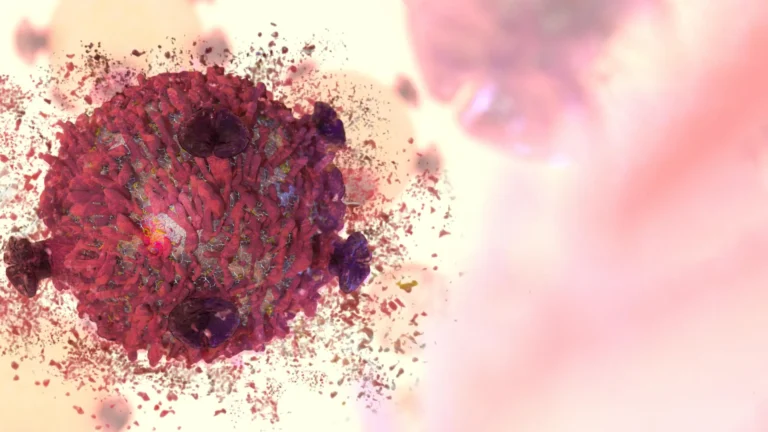
The research, detailed in the esteemed scientific journal Cell Metabolism, reveals a remarkable adaptation within red blood cells when exposed to hypoxic environments, commonly encountered on the world’s highest mountain ranges. These vital components of the circulatory system, traditionally understood primarily as oxygen transporters, demonstrate a profound shift in their metabolic activity. In the absence of ample oxygen, red blood cells begin to actively sequester substantial quantities of glucose from the circulating bloodstream. This remarkable capacity transforms them into what researchers have termed "sugar sponges," effectively drawing down blood glucose levels in a manner that offers a compelling explanation for the observed protective effect against diabetes in high-altitude dwellers.
This metabolic plasticity in red blood cells is not merely a passive consequence of oxygen scarcity; rather, it is a finely tuned mechanism designed to optimize oxygen delivery to tissues when oxygen is at a premium. By altering their metabolic processes, red blood cells enhance their efficiency in releasing oxygen to the body’s demanding tissues, a critical survival adaptation at high elevations. Concurrently, this altered metabolic state leads to a significant reduction in circulating blood sugar, thereby potentially mitigating the risk factors associated with the development of type 2 diabetes.
Dr. Isha Jain, a distinguished investigator at Gladstone and a professor of biochemistry at the University of California, San Francisco, and a core investigator at the Arc Institute, underscored the significance of these findings, stating that the study definitively resolves a long-standing enigma in physiological science. "Red blood cells constitute a previously unappreciated, hidden reservoir for glucose metabolism," Dr. Jain remarked, emphasizing the transformative potential of this discovery. "This revelation has the capacity to fundamentally reshape our understanding and approaches to managing blood sugar levels."
The journey to this pivotal discovery began with Dr. Jain’s lab’s extensive exploration into the effects of hypoxia, the medical term for oxygen deficiency, on metabolic processes. In earlier experimental phases involving laboratory mice, her team observed a striking decrease in blood glucose levels in animals subjected to low-oxygen environments. These mice exhibited an unusually rapid clearance of sugar from their bloodstream following food intake, a characteristic typically associated with a lower predisposition to diabetes. However, extensive examination of the major organs failed to pinpoint any specific organ responsible for this accelerated glucose uptake, leaving the mechanism a mystery.
"When we administered glucose to the hypoxic mice, it vanished from their circulation almost instantaneously," explained Dr. Yolanda Martín-Mateos, a postdoctoral scholar in Dr. Jain’s laboratory and the lead author of the new research paper. "We scrutinized the usual suspects – muscle, brain, liver – but none of these organs could account for the observed phenomenon." It was through the application of an innovative imaging technique that the researchers finally identified red blood cells as the missing "glucose sink." This term denotes a biological compartment actively absorbing and utilizing glucose from the bloodstream. The finding was particularly surprising, given the prevailing scientific consensus that viewed red blood cells primarily as inert carriers of oxygen.
Subsequent rigorous experiments in mice further substantiated this groundbreaking observation. Under conditions of reduced oxygen, the animals not only produced a greater overall number of red blood cells but also observed that each individual cell demonstrated an enhanced capacity to absorb glucose when compared to red blood cells developed under normoxic, or normal oxygen, conditions. To delve into the intricate molecular underpinnings of this metabolic transformation, Dr. Jain’s team collaborated with leading experts in the field: Dr. Angelo D’Alessandro from the University of Colorado Anschutz Medical Campus and Dr. Allan Doctor from the University of Maryland, both of whom have dedicated significant research efforts to understanding the biology of red blood cells.
Their collaborative work elucidated the specific molecular pathway: in environments with limited oxygen, red blood cells engage in the breakdown of glucose to produce a crucial molecule that facilitates the release of oxygen to the body’s tissues. This process becomes exceptionally vital when oxygen supply is critically constrained. "The sheer magnitude of this effect was what astonished me the most," commented Dr. D’Alessandro. "Red blood cells are conventionally perceived as passive oxygen transporters. However, our findings indicate that they can account for a significant proportion of total body glucose utilization, particularly under hypoxic conditions."
The implications of these findings extend significantly beyond the immediate context of high-altitude adaptation and hold considerable promise for the development of novel therapeutic strategies for diabetes. The research team discovered that the metabolic advantages conferred by prolonged exposure to hypoxia persisted for weeks, and even months, after the mice were returned to normal oxygen levels. This observation suggested that the adaptive changes within red blood cells could have lasting beneficial effects.
Building upon this insight, the researchers then investigated the efficacy of HypoxyStat, a pharmaceutical agent recently developed within Dr. Jain’s laboratory. HypoxyStat is designed to artificially mimic the effects of low oxygen exposure. Administered orally, the drug functions by increasing the affinity of hemoglobin, the oxygen-carrying protein within red blood cells, for oxygen. This heightened binding reduces the amount of oxygen delivered to tissues, thereby prompting the metabolic adaptations observed in hypoxic conditions. In preclinical studies utilizing mouse models of diabetes, HypoxyStat demonstrated remarkable efficacy, not only completely reversing hyperglycemia (high blood sugar) but also outperforming existing diabetes medications.
"This represents one of the earliest applications of HypoxyStat beyond its initial development for mitochondrial diseases," Dr. Jain stated, highlighting the drug’s expanding therapeutic potential. "It opens up an entirely new paradigm for treating diabetes, one that involves leveraging red blood cells as active participants in glucose management by recruiting them as glucose sinks." The potential applications of these discoveries may not be confined to diabetes alone. Dr. D’Alessandro pointed to potential relevance in the field of exercise physiology, where altered glucose metabolism could influence athletic performance. Furthermore, the findings could be crucial for understanding and managing pathological hypoxia that arises from traumatic injuries, a leading cause of mortality among younger populations. Changes in red blood cell production and their metabolic activity could profoundly impact glucose availability and muscular function in these critical situations.
"This is merely the nascent stage of our exploration," Dr. Jain concluded, underscoring the vast landscape of future research. "There remains a wealth of knowledge to uncover regarding the intricate ways in which the entire body adapts to fluctuations in oxygen levels, and how we can harness these physiological mechanisms to address a spectrum of health conditions."
The comprehensive study, bearing the title "Red Blood Cells Serve as a Primary Glucose Sink to Improve Glucose Tolerance at Altitude," was officially published in Cell Metabolism on February 19, 2026. The extensive list of authors includes Yolanda Martín-Mateos, Ayush D. Midha, Will R. Flanigan, Tej Joshi, Helen Huynh, Brandon R. Desousa, Skyler Y. Blume, Alan H. Baik, and Isha Jain from Gladstone; Zohreh Safari, Stephen Rogers, and Allan Doctor from the University of Maryland; and Shaun Bevers, Aaron V. Issaian, and Angelo D’Alessandro from the University of Colorado Anschutz. The research was generously supported by grants from the National Institutes of Health (under grant numbers DP5 DP5OD026398, R01 HL161071, R01 HL173540, R01HL146442, R01HL149714, DP5OD026398), the California Institute for Regenerative Medicine, and philanthropic contributions from Dave Wentz, the Hillblom Foundation, and the W.M. Keck Foundation.
About the Author