For many adults entering their fifth decade and beyond, the daily walk stands as a cornerstone of their physical activity regimen. It’s a highly accessible, low-impact exercise lauded for its numerous health benefits, often becoming a primary method for maintaining an active lifestyle. While the profound advantages of consistent walking are undeniable, a critical question frequently arises: is regular ambulatory activity, by itself, truly sufficient to achieve and sustain comprehensive fitness as one ages? The answer, as explored by health and fitness experts, suggests a more nuanced approach, advocating for a broader spectrum of physical engagement to meet the evolving demands of the body post-midlife.
The widespread appeal of walking stems from its fundamental benefits. Engaging in a daily stroll contributes significantly to cardiovascular health, bolstering heart function, enhancing blood circulation, and helping to regulate blood pressure. It aids in the management of body weight by expending calories, and consistent movement plays a role in stabilizing blood glucose levels, thereby mitigating the risk of type 2 diabetes. Furthermore, walking is a weight-bearing exercise, which is crucial for stimulating bone formation and maintaining bone density, a particularly vital aspect for adults over 50 as bone mineral density naturally begins to decline, increasing the risk of osteoporosis and fractures. Beyond the physiological, walking offers considerable psychological advantages, serving as a powerful mood enhancer, a stress reducer, and a pathway to improved cognitive function and mental clarity. The social dimension also cannot be overlooked; walking with companions or joining groups fosters community and provides motivation, making exercise a more enjoyable and sustainable habit.
Domenic Angelino, a certified personal trainer with the International Personal Trainer Academy, underscores the foundational value of walking. "Walking is excellent for enhancing general health, specifically in its capacity to reduce the likelihood of developing chronic diseases and decreasing overall mortality risk," Angelino explains. He further notes its efficacy in "boosting aerobic capacity through improvements in cardiorespiratory health." These benefits are irrefutable, establishing walking as a crucial component of a healthy lifestyle for all age groups, particularly as individuals mature.
However, the definition of "fitness" itself becomes more complex with age. For an individual over 50, comprehensive fitness extends beyond mere aerobic endurance. It encompasses a holistic blend of strength, flexibility, balance, and agility – components that are essential for maintaining independence, preventing injuries, and ensuring a high quality of life. As Angelino points out, the adequacy of walking alone "greatly hinges on an individual’s specific fitness benchmarks." He conceptualizes fitness as a "spectrum," implying that increased engagement in varied physical activities generally correlates with higher levels of overall fitness, while a narrower, less diverse approach tends to yield more limited results.
The recommended baseline for physical activity, often cited by health organizations, suggests aiming for at least 150 minutes of moderate-intensity aerobic exercise or 75 minutes of vigorous-intensity aerobic exercise per week, or an equivalent combination. While a brisk walk can certainly contribute to these aerobic targets, relying solely on walking may not fully address all aspects of comprehensive fitness. Angelino acknowledges that "every increment of activity counts," reassuring that even short, consistent bursts of movement, such as an extra five minutes of walking during a workday, are beneficial and contribute positively to one’s fitness profile compared to complete inactivity. This perspective is vital for encouraging participation, especially for those new to regular exercise or facing time constraints.
To achieve a more rounded state of physical well-being after the age of 50, it becomes imperative to integrate activities that specifically target areas not fully addressed by walking alone.
The Crucial Role of Strength Training:
One of the most significant gaps in a walking-only regimen is the lack of adequate resistance training. As individuals age, a natural process called sarcopenia leads to a gradual loss of muscle mass and strength. This decline accelerates after 50, impacting metabolic rate, functional capacity, and increasing the risk of falls. Strength training, whether through bodyweight exercises, resistance bands, free weights, or machines, is indispensable for counteracting sarcopenia. It helps preserve and build muscle mass, strengthens connective tissues, improves bone density beyond what walking alone can achieve, and enhances overall functional strength required for daily tasks like lifting groceries, climbing stairs, or getting up from a chair. Integrating two to three sessions of full-body strength training per week is widely recommended to maintain muscular health.

Enhancing Flexibility and Balance:
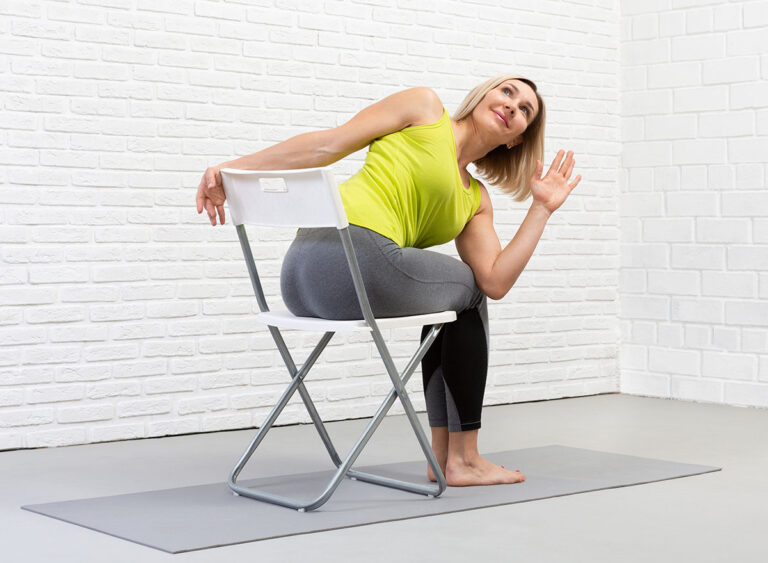
While walking promotes general mobility, it does not specifically target flexibility or balance in a comprehensive manner. As we age, joints can become stiffer, and balance can decline, significantly increasing the risk of falls. Incorporating exercises that improve flexibility, such as stretching, yoga, or Pilates, can enhance range of motion, reduce stiffness, and prevent injury. Similarly, dedicated balance training, which might include activities like Tai Chi, standing on one leg, or heel-to-toe walking, is crucial for improving proprioception and stability, directly reducing the likelihood of falls.
Integrating Higher Intensity and Variety:
While walking can be performed at a moderate intensity, truly vigorous exercise offers distinct cardiovascular and metabolic advantages. Activities that elevate the heart rate significantly, making conversation difficult, challenge the cardiorespiratory system more profoundly, leading to greater improvements in endurance and overall heart health. These could include jogging, swimming, cycling, or high-intensity interval training (HIIT) where short bursts of intense activity are alternated with recovery periods. Even within a walking routine, varying the pace to include brisk intervals can simulate some of these benefits.
For those committed to maximizing the benefits of their walking routine, several strategies can significantly enhance its efficacy and contribute more robustly to overall fitness:
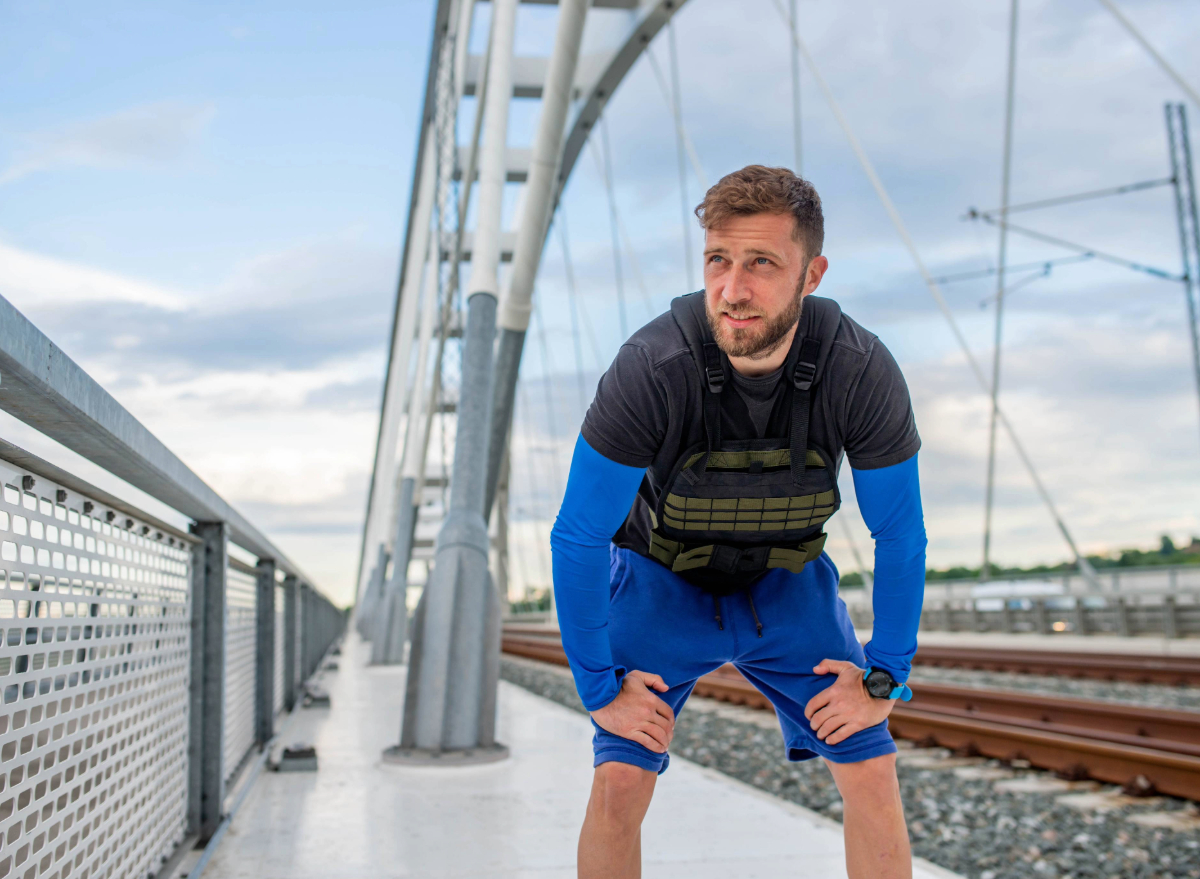
- Incorporating External Resistance: Adding weight can amplify the challenge and engage more muscle groups. Angelino advises using a weighted vest over handheld weights. "If you opt to add weight, a weight vest is preferable as it distributes the additional load uniformly across your body," he explains. This even distribution minimizes strain on joints and allows for longer, more comfortable walks compared to weights held in hands, which can alter gait and increase strain on wrists and elbows.
- Conquering Inclines and Stairs: Deliberately choosing routes with hills or stairs provides a powerful boost to a walking workout. This engages larger muscle groups, particularly the glutes, hamstrings, and calves, more intensely than flat ground. The increased muscular activation leads to greater strength gains in the lower body and a higher caloric expenditure per step, making the workout more efficient.
- Varying Walking Speed and Incorporating Intervals: Adjusting your walking pace introduces an element of intensity variation. Shifting between a comfortable stroll and a brisk, power walk, or even short bursts of light jogging, can elevate heart rate and improve cardiovascular conditioning. Angelino notes that the transition to running typically occurs in the 3.5 to 5.0 miles per hour range, depending on individual factors like leg length. Incorporating such speed intervals can significantly enhance the aerobic benefits of a walk.
- Exploring Diverse Terrains: Moving beyond smooth, paved paths to uneven trails, sandy beaches, or grassy fields can challenge balance and engage stabilizing muscles more effectively, providing a more comprehensive lower-body workout and enhancing proprioception.
Ultimately, maintaining optimal fitness after 50 is best achieved through a multi-faceted approach. While daily walking is an excellent and indispensable component of a healthy lifestyle, it serves as a foundation rather than the sole pillar. A truly holistic regimen integrates regular aerobic activity (with walking as a primary element), dedicated strength training to combat muscle and bone loss, flexibility exercises to maintain range of motion, and balance work to prevent falls. Angelino emphasizes the importance of a flexible approach, advising individuals to "mix up your cardio day depending on how you feel." This adaptability not only makes exercise more sustainable but also leads to "much greater long-term results." By embracing a diverse range of physical activities and listening to one’s body, individuals over 50 can proactively cultivate robust health, vitality, and functional independence for many years to come. Professional guidance from healthcare providers and certified fitness trainers can further personalize and optimize this comprehensive wellness journey.
About the Author