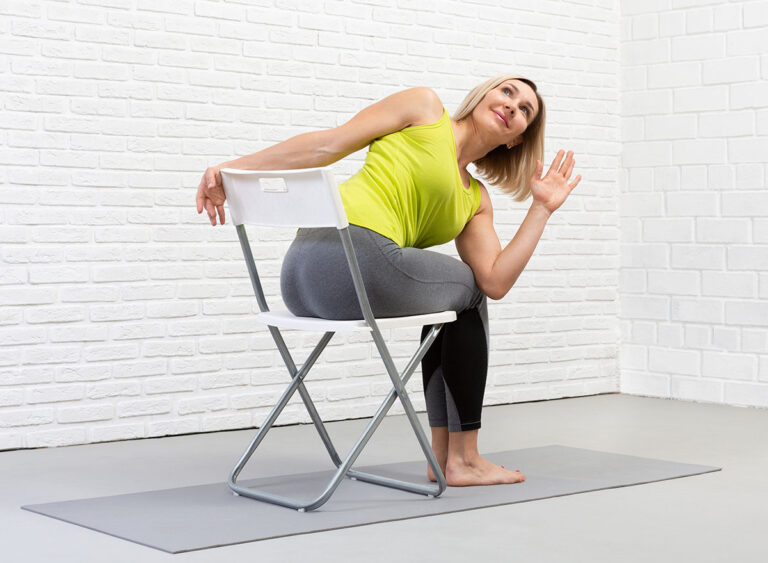
Maintaining robust lower body strength is a cornerstone of healthy aging, directly influencing an individual’s independence, mobility, and overall quality of life. As people progress beyond their sixth decade, physiological changes, such as sarcopenia—the age-related loss of muscle mass and strength—become more pronounced. This decline can significantly impair daily activities, from climbing stairs and getting out of a chair to simply walking safely on varied terrains, dramatically increasing the risk of falls and reducing autonomy. While traditional exercises like squats are widely recognized for their efficacy in building leg strength, they are not universally suitable, especially for older adults who may contend with pre-existing joint issues, balance concerns, or limited mobility. Fortunately, a strategic approach to lower body training exists, focusing on compound, unilateral, and multi-planar movements that are highly effective yet gentle on the body’s articular structures.
The conventional squat, a fundamental human movement, demands significant flexibility and stability across the ankles, knees, and hips, alongside substantial core engagement. For many individuals over 60, years of wear and tear, previous injuries, or the natural stiffening of joints can make deep squatting uncomfortable, painful, or even unsafe. The concern for knee pain, hip impingement, or lower back strain often deters seniors from engaging in strength training, inadvertently accelerating muscle atrophy. However, the objective remains the same: to stimulate muscle growth, enhance neuromuscular control, and improve functional capacity. The key lies in selecting exercises that achieve these outcomes through different biomechanical pathways, accommodating individual needs and limitations while still providing a potent training stimulus.
Expert guidance, such as that offered by certified strength and conditioning specialists like Jarrod Nobbe, emphasizes a diversified approach. This philosophy acknowledges that the human body moves in multiple directions in daily life, and training should reflect this complexity. Incorporating exercises that challenge the legs in the sagittal (forward/backward), frontal (side-to-side), and transverse (rotational) planes is crucial for comprehensive strength development and injury prevention. Moreover, integrating unilateral movements—those that work one limb at a time—is vital for addressing muscular imbalances that accumulate over decades, enhancing balance, and improving stability, which are critical for fall prevention in older adults. By combining these elements, seniors can build a foundation of lower body strength that translates directly into real-world functionality, fostering greater confidence and resilience. The following five exercises exemplify this intelligent training methodology, offering powerful alternatives to traditional squats without compromising on effectiveness.
The Kettlebell Deadlift stands out as an exceptional exercise for developing posterior chain strength, encompassing the glutes, hamstrings, and lower back, without imposing excessive stress on the knees. Unlike a conventional barbell deadlift, the kettlebell’s design allows the weight to be positioned directly between the feet, closer to the body’s center of gravity. This setup facilitates a more upright torso posture during the lift, which can be significantly more comfortable for individuals with knee or lower back sensitivities. The movement primarily emphasizes the hip hinge—a foundational pattern for lifting objects safely and efficiently—teaching the body to leverage the powerful hip extensors rather than relying on spinal flexion. Mastering the kettlebell deadlift not only strengthens the muscles crucial for standing tall and maintaining an erect posture but also equips individuals with the mechanics to safely pick up items from the floor, a common yet often challenging daily task. The controlled nature of the lift and the ability to scale the weight easily make it an ideal starting point for cultivating robust, functional lower body power. For optimal results, three sets of 8 to 12 repetitions, with a 60-second rest period between sets, are recommended. Variations such as the goblet deadlift or suitcase deadlift can further diversify the training stimulus. A key form cue is to maintain a stacked rib cage over the hips, ensuring proper core engagement throughout the movement.
Step-ups are a highly functional unilateral exercise that directly mimics everyday movements like climbing stairs or stepping onto a curb. This exercise is invaluable for addressing muscular asymmetries, as it forces each leg to work independently, thereby strengthening stabilizer muscles and improving proprioception—the body’s sense of its position in space. By engaging the quadriceps and glutes of the working leg, step-ups build significant single-leg strength, which is paramount for maintaining balance and preventing falls. The adjustable height of the box or step allows for precise control over the intensity, enabling individuals to progress gradually without overstressing their joints. The eccentric (lowering) phase of the step-up is particularly beneficial, as it trains the muscles to absorb force, a critical component of fall prevention. Performing three sets of 6 to 10 repetitions per leg, with a minute of rest between sets, will yield substantial gains in strength and coordination. To maximize effectiveness, focus on controlling the descent rather than merely dropping down, ensuring the working leg bears the load throughout the movement.
The Lateral Step-down targets an often-neglected plane of movement: the frontal plane. While most exercises focus on forward and backward motion, daily life frequently demands side-to-side stability, such as stepping off a curb sideways or recovering from a lateral misstep. This exercise strengthens the muscles responsible for hip abduction and knee stability, particularly the gluteus medius and minimus, which are critical for preventing the knees from collapsing inward during movement. By controlling the descent from an elevated surface, individuals build resilience in their hips and knees, enhancing their ability to react to unpredictable movements and reduce the risk of lateral falls. The slow, controlled nature of the lateral step-down minimizes impact while maximizing the engagement of deep stabilizing muscles, fostering robust joint health without heavy loading. Three sets of 6 to 8 repetitions per leg, resting for 60 seconds between sets, are effective for building this crucial side-to-side control. A vital form cue is to ensure the knee tracks in line with the toes, preventing undue stress on the knee joint.
The Lateral Lunge is another powerful exercise for strengthening the lower body in the frontal plane, complementing the lateral step-down by adding a dynamic component. This movement not only builds strength in the quadriceps, glutes, and hamstrings but also significantly stretches and strengthens the adductor muscles on the inner thigh, which are often tight and weak in older adults. By moving through a wide range of motion sideways, the lateral lunge improves hip mobility and flexibility, crucial for maintaining an active lifestyle and reducing stiffness. The exercise demands coordination and balance, enhancing dynamic stability—the ability to maintain equilibrium while moving. The lateral lunge’s unique movement pattern helps distribute force more evenly across the leg muscles, contributing to overall joint health and reducing localized stress. Aim for three sets of 6 to 10 repetitions per side, with a minute of rest between sets. Focus on sitting the hips back during the lunge, rather than allowing the knee to drift excessively forward, to properly engage the glutes and protect the knee.
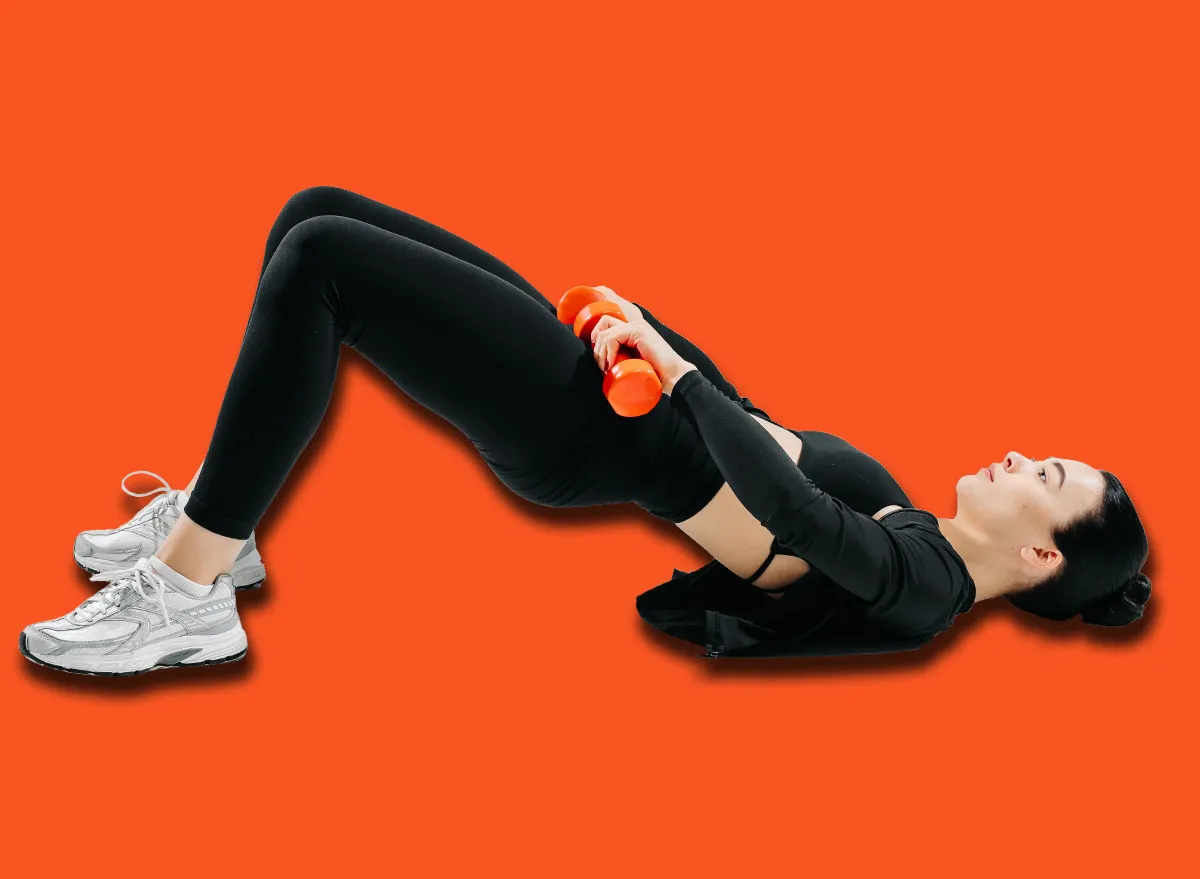
Finally, the Dumbbell Glute Bridge provides an excellent means of strengthening the glutes and hamstrings without placing any compressive load on the spine. This exercise is particularly beneficial for individuals with lower back pain or those seeking to build posterior chain strength in a supine, supported position. Strong glutes are fundamental for proper posture, efficient walking mechanics, and alleviating strain on the knees and lower back during various daily activities. The glute bridge effectively isolates these powerful hip extensors, contributing to improved hip drive and overall stability. By adding a dumbbell across the hips, the resistance can be progressively increased, allowing for continuous strength gains. This exercise also promotes core stability and can help improve hip extension, which is often limited in older adults. Three sets of 10 to 15 repetitions, with a brief pause at the top of each repetition to ensure full hip extension, will significantly strengthen the posterior chain. Variations like the single-leg glute bridge or elevated glute bridge can further challenge the muscles.
Beyond specific exercises, a comprehensive approach to building and maintaining leg strength after 60 integrates several fundamental principles. Consistency in training is paramount; sporadic workouts yield limited results. Prioritizing quality of movement over sheer volume helps prevent injury and ensures proper muscle activation. Nutritional support, particularly adequate protein intake, is critical for muscle repair and growth, counteracting sarcopenia. Hydration plays a vital role in joint lubrication and overall cellular function. Sufficient rest and recovery are non-negotiable, allowing muscles to rebuild stronger. Finally, listening to one’s body, distinguishing between muscle fatigue and joint pain, and seeking guidance from a qualified fitness professional or healthcare provider can ensure a safe and effective fitness journey. These five squat-free exercises, when performed consistently and thoughtfully, offer a robust pathway to enhancing lower body strength, improving balance, and preserving independence, empowering seniors to lead active and fulfilling lives.
About the Author