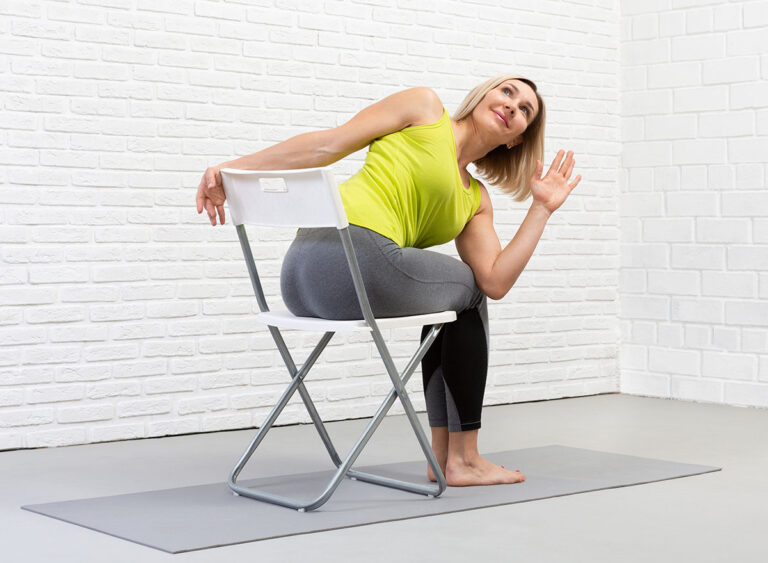
As individuals navigate the landscape of aging, maintaining physical vitality becomes an increasingly deliberate endeavor, particularly concerning the body’s foundational support system: the core musculature. For many, the prospect of an intensive morning workout can seem daunting, leading to a preference for evening exercise sessions as a means of unwinding from daily demands and channeling residual energy. This strategic timing, when coupled with an effective and accessible routine, can be instrumental in preserving crucial physical capabilities well into later life.
A primary concern in geriatric health is sarcopenia, the progressive and generalized skeletal muscle disorder characterized by accelerated loss of muscle mass and function. Scientific consensus indicates that adults can experience a decline of up to three percent of their muscle mass per decade after the age of 60, a rate that can escalate significantly, potentially culminating in a 30 percent reduction by the age of 80. This translates to an approximate loss of four to six pounds of muscle tissue every ten years for those who do not actively engage in strength-building activities. Among the muscle groups most critically affected are the deep core stabilizers, such as the erector spinae, which are indispensable for maintaining spinal integrity and overall postural control. The ramifications of sarcopenia extend beyond mere strength reduction, encompassing heightened risks of falls, diminished mobility, and a profound impact on an individual’s independence and quality of life.
The concept of a robust core extends far beyond aesthetic appeal; it represents the central pillar of human movement and stability. Comprising the muscles of the abdomen, lower back, hips, and pelvis, the core serves as the primary nexus for transmitting force throughout the body. A well-conditioned core facilitates efficient movement patterns, mitigates the incidence of lower back pain, and significantly enhances balance, coordination, and posture. These attributes are not merely desirable but essential for performing everyday activities with ease and confidence, from bending to lift an object to maintaining equilibrium on uneven surfaces. For older adults, prioritizing core strength is a proactive measure against physical decline, fostering a greater sense of autonomy and reducing reliance on assistive devices.
While exercises like traditional planks are widely recognized for their efficacy in promoting total body strength and core stability, a multifaceted approach is often more advantageous for mature populations, offering dynamic movement patterns and addressing various aspects of core function. Dr. Femi Betiku, a Doctor of Physical Therapy (PT, DPT) and a certified instructor with Club Pilates, advocates for a specific eight-minute Pilates sequence designed to rejuvenate core strength, potentially yielding more comprehensive benefits than static holds for individuals over sixty. Dr. Betiku emphasizes that this routine is not only effective but also highly adaptable, suitable for execution either in bed for maximum convenience or on a mat for enhanced stability and deeper engagement.
Pilates, a mind-body exercise system developed by Joseph Pilates in the early 20th century, is founded on principles of centering, concentration, control, precision, breath, and flow. Its inherent low-impact nature, combined with a focus on strengthening the deep stabilizing muscles of the core and improving flexibility, makes it an exceptionally suitable modality for older adults. The methodical and controlled movements inherent in Pilates minimize joint stress while simultaneously building functional strength, thereby improving overall mobility and reducing the risk of injury. Furthermore, the emphasis on conscious breathing techniques not only enhances muscle activation but also fosters a sense of calm and relaxation, which is particularly beneficial when performed as a pre-sleep activity. Dr. Betiku specifically highlights the critical role of integrating deep inhalations and exhalations throughout the routine, ensuring that participants conclude the session feeling serene rather than stimulated.
Engaging in physical activity during the evening hours offers a distinct set of advantages. For those who find mornings rushed or prefer to decompress before bedtime, an evening workout provides an ideal opportunity to dissipate the day’s accumulated stress and nervous energy. This shift in routine can promote better sleep quality by transitioning the body from a state of activity to one of relaxation, provided that sufficient time is allotted for a proper cool-down. The key to successful adherence to any fitness regimen lies in its sustainability and seamless integration into one’s personal lifestyle and habits.
The expert-curated eight-minute Pilates routine targets various aspects of core strength and stability:
1. Pilates Hundreds:
This foundational Pilates exercise serves as an excellent warm-up, engaging the deep abdominal muscles and promoting circulatory benefits. Dr. Betiku advises dividing the exercise into four segments of 25 pulses each. This segmented approach allows practitioners to maintain a heightened focus on the deliberate quality of their deep inhalations and exhalations, which are integral to both activating the core and calming the nervous system. The rhythmic pumping of the arms, synchronized with controlled breathing, creates a powerful internal massage for the organs while building core endurance. For beginners or those with neck discomfort, modifications include keeping the head on the mat or supporting it with one hand.
2. Pilates Criss Cross:
Targeting the oblique muscles, which are crucial for rotational stability and spinal articulation, the Pilates Criss Cross involves a controlled twisting motion of the torso. Dr. Betiku recommends two sets of ten repetitions on each side. The essence of this exercise lies in the meticulous coordination of movement with breath, ensuring that the abdominal muscles are actively engaged to protect the spine during rotation. This dynamic movement not only strengthens the side body but also improves spinal mobility and coordination.
3. Pilates Roll-Down:
This exercise focuses on spinal articulation and eccentric control of the abdominal muscles. It involves slowly rolling the spine down to the mat, segment by segment, and then reversing the motion to sit upright. Recognizing that the full Roll-Down can be challenging for some older adults, Dr. Betiku suggests an adapted version: starting from a seated position and performing partial roll-downs and roll-ups. This modification, completed for two sets of six repetitions, still emphasizes core engagement and spinal mobility while accommodating varying levels of strength and flexibility. The controlled descent and ascent are vital for strengthening the core muscles responsible for supporting the spine.
4. Side-Lying Hip Circles:
Beyond direct abdominal work, a truly holistic core routine must encompass the muscles surrounding the pelvis and hips, which are intrinsically linked to core stability and lower body function. Side-Lying Hip Circles address this by engaging the gluteal muscles and hip flexors while requiring continuous core engagement to stabilize the torso. Dr. Betiku instructs participants to execute two sets of eight large, precise circles on each side. The emphasis here is on maintaining impeccable form, controlling the size and trajectory of the circles, and synchronizing movements with breath. This exercise significantly improves hip mobility, strengthens the often-underutilized gluteal muscles, and enhances pelvic stability, all of which are critical for gait and fall prevention.
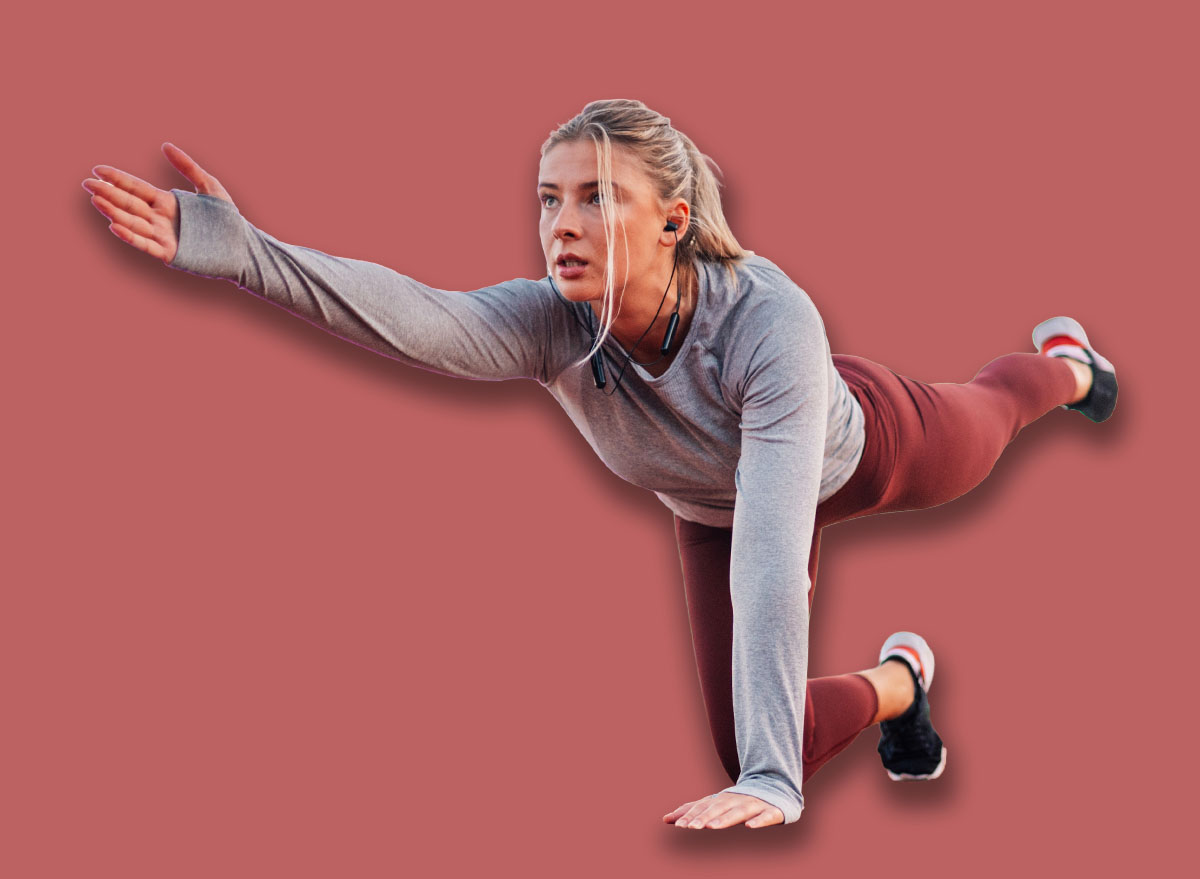
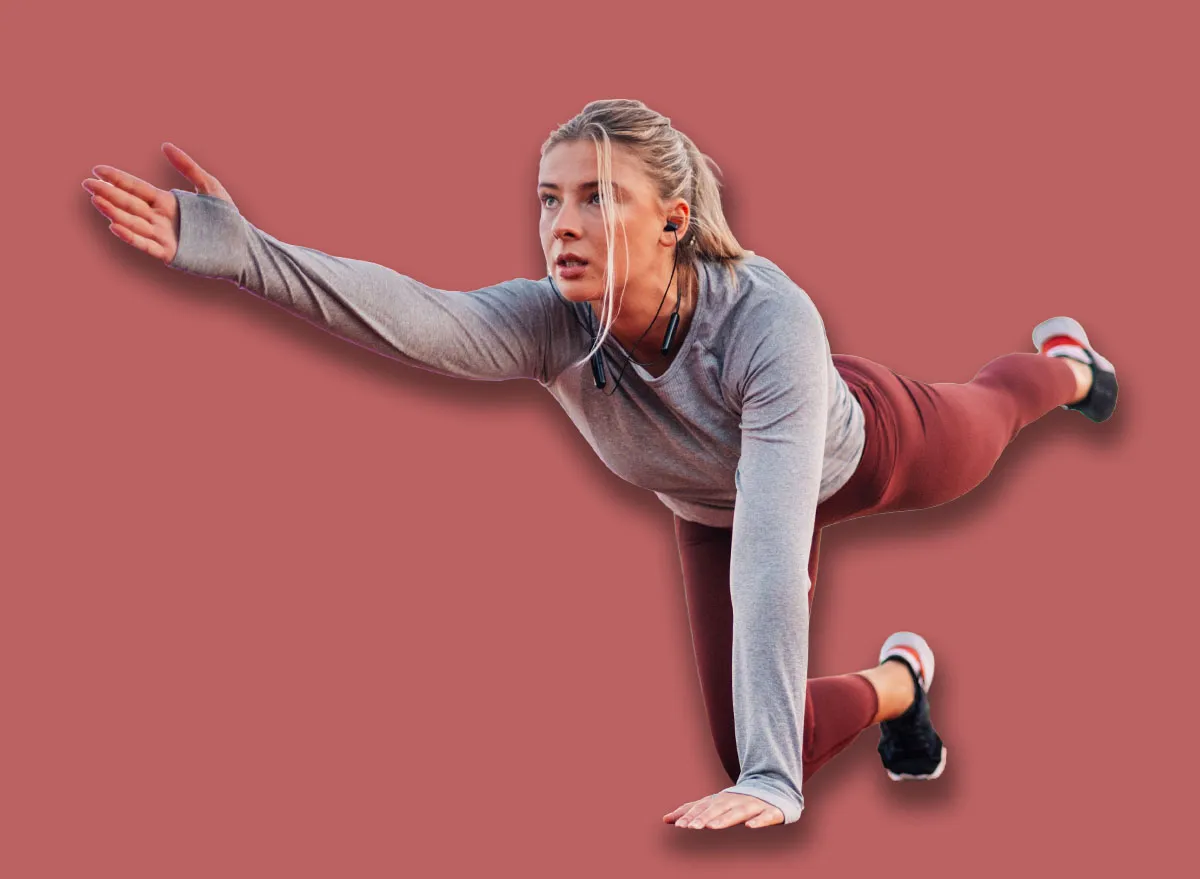
5. Bird-Dog:
The Bird-Dog exercise is a cornerstone of spinal stabilization and anti-rotation training. Performed on all fours, it involves simultaneously extending one arm and the opposite leg, maintaining a stable and neutral spine. Dr. Betiku recommends one set of 15 repetitions on each side, with a strong focus on high-quality inhalations and exhalations. This exercise not only strengthens the deep core muscles and the posterior chain (muscles along the back of the body) but also significantly improves balance and coordination. Its ability to challenge the body’s stability without placing undue stress on the joints makes it particularly valuable for older individuals seeking to enhance functional strength and prevent injuries. The mindful breathing during this exercise further contributes to relaxation, culminating the routine on a calming note.
In conclusion, incorporating a targeted, expert-designed Pilates routine into an evening schedule presents a powerful strategy for older adults to combat age-related muscle loss and enhance core strength. This eight-minute regimen, endorsed by Dr. Femi Betiku, offers a comprehensive approach to improving stability, balance, and overall functional movement. By integrating principles of mindful breathing and controlled movement, participants can not only fortify their physical core but also cultivate a sense of relaxation, promoting a healthier transition to rest. Consistent engagement with such a program, tailored to individual capabilities and preferences, can significantly contribute to sustaining an active and independent lifestyle through the later stages of life. As with any new exercise program, individuals are encouraged to consult with a healthcare professional to ensure its suitability for their specific health needs.
About the Author