As individuals progress beyond their fifth decade, many encounter a common physiological shift impacting their abdominal region, often characterized by a noticeable change in the midsection’s profile. This phenomenon, frequently referred to colloquially as "belly overhang," presents a unique challenge that often proves resistant to conventional fitness regimens. The prevailing wisdom that dictates intense, isolated abdominal exercises or extensive gym sessions as the sole pathway to a more defined core may fall short for this demographic. Instead, a more nuanced, movement-centric approach, focusing on the dynamic engagement of the core during everyday activities like walking, can offer a profoundly effective solution for enhancing abdominal tone and stability in later adulthood.
The human body undergoes a series of complex transformations as it ages, particularly after the age of fifty. Hormonal fluctuations, such as declining estrogen in women and testosterone in men, contribute to a redistribution of fat, favoring accumulation around the midsection (visceral fat) over other areas. Concurrently, sarcopenia, the age-related loss of muscle mass and strength, affects not only skeletal muscles but also the intricate network of core musculature. Collagen production diminishes, impacting skin elasticity and contributing to a looser abdominal appearance. These combined factors mean that achieving a tighter, more supported midsection requires strategies that address these physiological realities, moving beyond mere superficial muscle contraction to holistic core integration.
Traditional gym workouts, while beneficial for general fitness, often utilize machines that isolate specific muscle groups. While this can be effective for hypertrophy or strength building in certain contexts, it frequently neglects the integrated function of the core in daily life. When seated on an abdominal crunch machine, for instance, the body’s need for balance, coordination, and dynamic stabilization is largely removed. The core, in its natural role, acts as a sophisticated network of muscles (including the transverse abdominis, multifidus, pelvic floor, diaphragm, and internal/external obliques) that work in concert to stabilize the spine, transfer force between the upper and lower body, and maintain upright posture. By removing the demands of balance and natural tension, isolated exercises can limit the extent to which the deep stabilizing muscles of the midsection are truly challenged and strengthened in a functional manner.
A paradigm shift towards functional movement patterns, particularly those embedded in walking, offers a superior pathway to cultivating a robust and aesthetically pleasing core. Walking, at its essence, is a complex, rhythmic activity that continuously demands core engagement. With every step, the body shifts its weight, requiring the abdominal and back muscles to fire reflexively to prevent instability and maintain equilibrium. When this natural process is approached with intention and specific modifications, walking transforms from a simple cardio exercise into a potent, accessible tool for deep core strengthening. The sustained activation these drills promote, rather than short, intense bursts, is particularly beneficial for retraining core muscles to remain engaged for longer durations, which is crucial for improved posture and a visibly firmer waistline. These exercises specifically target the deep abdominal muscles responsible for drawing the belly inward and providing essential spinal support, contributing to a flatter and more controlled midsection.
Here are five specialized ambulatory techniques designed to cultivate core strength, enhance stability, and refine the abdominal profile, all without the need for specialized equipment or a gym environment:
-
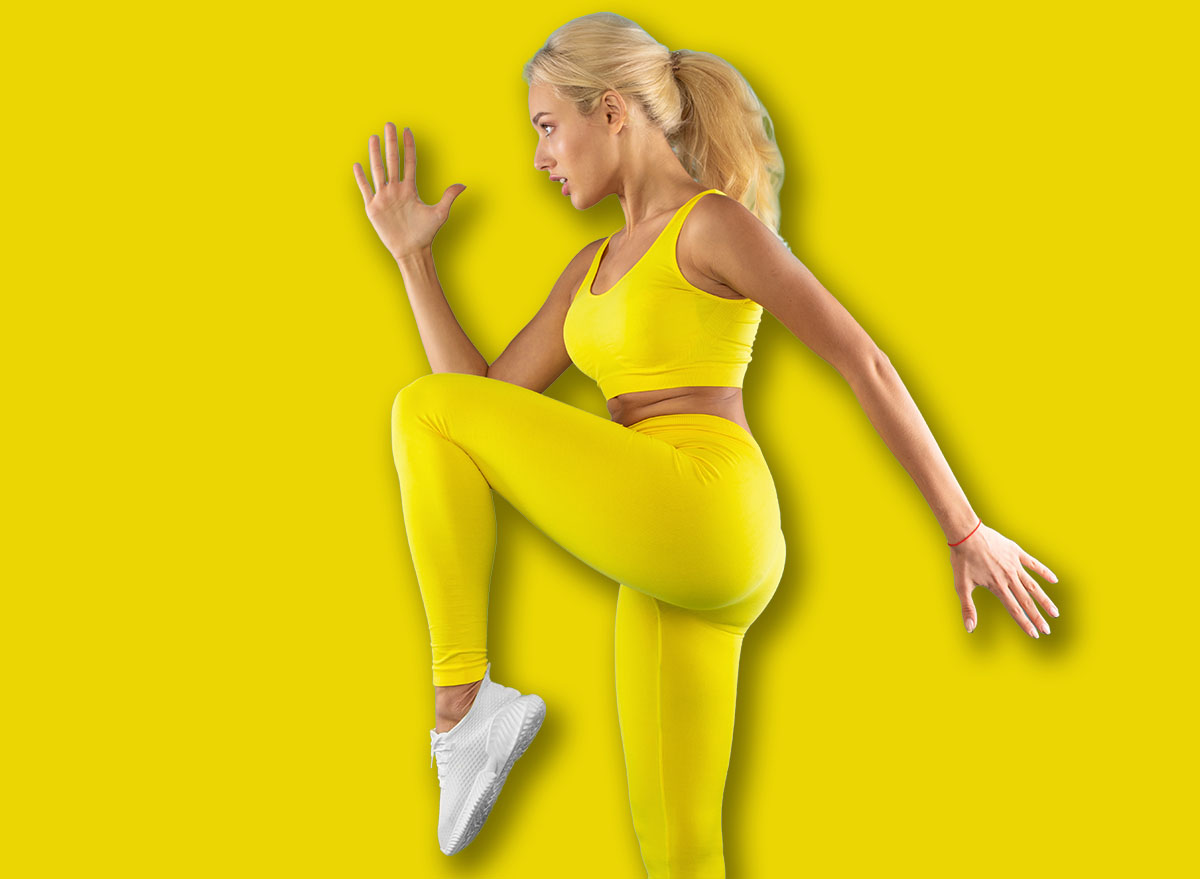
The Elevated Knee Drive Progression: This modified walking pattern amplifies the core’s role by intentionally exaggerating the lift of each knee. As one knee rises decisively towards the chest, the lower abdominal muscles are compelled to contract powerfully to stabilize the pelvis and maintain an upright torso. This deliberate action transforms a standard stride into a dynamic abdominal exercise. The emphasis here is on controlled, purposeful movement rather than rapid speed, ensuring continuous tension on the core. Over time, this drill re-educates the core to provide robust support for every step, counteracting the tendency for abdominal laxity. It not only targets the rectus abdominis but significantly engages the deep transverse abdominis due to the stabilization demand.
-
Intentional Abdominal Bracing Cadence: This exercise focuses on teaching the core to maintain a state of active engagement throughout forward motion. Before initiating each step, consciously draw the naval gently towards the spine, bracing the entire midsection as if preparing for a soft impact. This pre-activation technique ensures that the deep abdominal muscles, particularly the transverse abdominis, are actively engaged before the body begins to move. The progression should be slow and deliberate, reinforcing proper posture and spinal alignment without placing undue stress on the joints. By building endurance in these stabilizing muscles, this drill directly contributes to a flatter, more supported abdominal wall and improved spinal integrity, crucial for combating age-related postural changes.
-
Rotational Torso Steps: Incorporating controlled rotation into the walking pattern specifically targets the oblique muscles, which are vital for waistline definition and lateral stability. As you step forward with one foot, gently rotate your torso towards the advancing leg, allowing your opposite arm to swing across your body in a controlled manner. This cross-body movement challenges the core to simultaneously facilitate and resist twisting, creating a powerful stimulus for the external and internal obliques. The balance between movement and stability generated by this exercise is highly effective in sculpting the sides of the waist and improving overall coordination, which often declines with age. The key is controlled rotation, avoiding excessive or jerky movements, ensuring the core is doing the work.
-
Mindful Heel-to-Toe Alignment Progression: This exercise prioritizes precise foot placement and continuous core control over pace or distance. By consciously placing the heel down first and then rolling smoothly through the foot to the toe, while maintaining a straight line, the challenge to balance is significantly increased. This heightened demand for stability forces the abdominal muscles to remain consistently active to keep the body upright and prevent swaying. The deliberate, slow pace prolongs the "time under tension" for the midsection, accelerating its tightening response. Furthermore, this mindful walking pattern inherently reinforces superior posture, which can make the abdomen appear flatter even when at rest, addressing the visual aspect of the midsection profile.
-
Single-Leg Stability March with Pause: This drill elevates core engagement by introducing an isometric hold at the apex of each step. Instead of a continuous march, lift one knee high towards the chest and pause for a brief moment (1-2 seconds) before lowering the foot. During this pause, the lower abdominal muscles are intensely activated to stabilize the pelvis and maintain balance on the standing leg, reducing reliance on momentum. This moment of focused control directly targets the often-stubborn lower abdominal region more effectively than uninterrupted walking. Beyond core benefits, this exercise also strengthens the hips, enhances proprioception, and improves overall walking efficiency, making daily ambulation feel more effortless and controlled.
To maximize the benefits of these specialized walking techniques, consistency is paramount. Integrating these drills into a regular fitness routine, perhaps as part of a warm-up, interspersed throughout a longer walk, or as a dedicated session, will yield the best results. While these exercises are remarkably effective, it is crucial to remember that a holistic approach to wellness involves several interconnected components. Nutritional choices play a significant role in body composition, as does adequate hydration, sufficient sleep, and effective stress management. Starting gradually, paying close attention to proper form over speed or intensity, and listening to the body’s signals are essential to prevent injury and ensure sustainable progress. For individuals with pre-existing health conditions or concerns, consulting a healthcare professional or certified fitness expert before embarking on a new exercise regimen is always advisable.
In conclusion, for those over fifty seeking to redefine their midsection and enhance core strength, shifting focus from isolated gym exercises to functional, dynamic walking offers a powerful, accessible, and highly effective pathway. By intentionally modifying basic movement patterns, individuals can unlock the profound potential of their own body’s mechanics, fostering improved abdominal tone, superior posture, and robust core stability, ultimately contributing to a more confident and active lifestyle.
About the Author