A burgeoning understanding of the intricate interplay between maternal diet, the neonatal microbiome, and long-term health outcomes is shedding light on novel strategies to combat a silent epidemic impacting children globally: metabolic dysfunction-associated steatotic liver disease (MASLD). Recent pioneering research from the University of Oklahoma has identified a naturally occurring compound, indole, produced by beneficial gut bacteria, as a promising candidate for protecting offspring from developing this severe liver condition, particularly when mothers consume diets rich in fats and sugars during critical developmental windows. This discovery not only underscores the profound influence of the early-life environment on disease susceptibility but also opens avenues for early preventive interventions against a disease that currently lacks targeted pharmacological treatments.
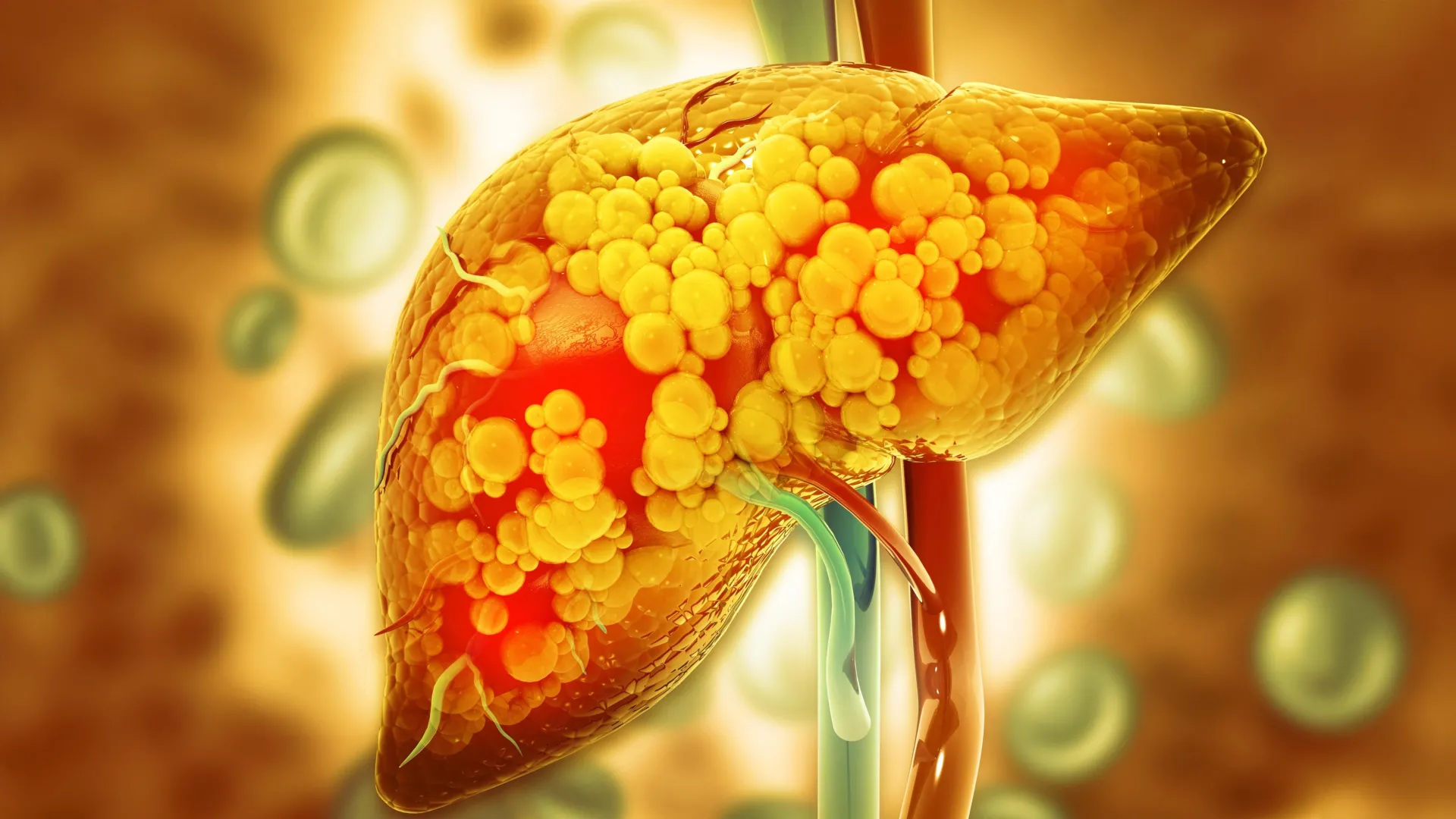
MASLD, previously known as non-alcoholic fatty liver disease (NAFLD), represents a spectrum of liver conditions characterized by excessive fat accumulation in the liver, unrelated to alcohol consumption. While it is increasingly prevalent across all age groups, its incidence in children is particularly alarming, with estimates suggesting it affects approximately 30% of obese children and about 10% of children without obesity. The progression of MASLD in pediatric populations can be significantly more aggressive than in adults, frequently leading to advanced liver fibrosis, cirrhosis, and even liver failure if left unmanaged. A critical factor contributing to this escalating pediatric health crisis is maternal nutrition during gestation and lactation. Studies have consistently demonstrated that offspring born to mothers who consume a "Western-style" diet—high in saturated fats and refined sugars—are at a substantially elevated risk of developing MASLD later in life, often compounded by metabolic comorbidities such as obesity and type 2 diabetes. The insidious nature of pediatric MASLD means it often remains undiagnosed until advanced stages, as symptoms typically do not manifest until significant liver damage has occurred, often prompting medical attention only when complications arise.
The investigative team, spearheaded by Dr. Jed Friedman, director of the OU Health Harold Hamm Diabetes Center, and Dr. Karen Jonscher, both distinguished professors in the OU College of Medicine’s Department of Biochemistry and Physiology, embarked on this study with a clear objective: to decipher the role of the maternal and early-life microbiome in mediating the intergenerational transmission of MASLD risk. Their findings, meticulously documented in the journal eBioMedicine, provide compelling evidence for a protective mechanism involving specific microbial metabolites.
At the heart of their discovery lies indole, a small organic molecule generated by certain commensal gut bacteria through the breakdown of tryptophan, an essential amino acid readily found in protein-rich foods like turkey, nuts, and dairy products. Tryptophan metabolism by the gut microbiota yields a variety of bioactive compounds, and indole has emerged as a crucial signaling molecule involved in maintaining gut barrier integrity, modulating immune responses, and influencing metabolic homeostasis throughout the body. The research posited that supplementing mothers with this microbial metabolite could counteract the detrimental effects of an unhealthy maternal diet on offspring liver health.
To rigorously test this hypothesis, the researchers designed a comprehensive animal model study using pregnant and lactating mice. A cohort of female mice was maintained on a high-fat, high-sugar diet, meticulously mirroring the nutritional profile of a typical Western diet. A subset of these mothers also received indole supplementation throughout their pregnancy and subsequent lactation period. After weaning, the offspring from both groups were initially transitioned to a standard laboratory diet. Later, to challenge their metabolic resilience and encourage the manifestation of fatty liver disease, they were exposed to a Western-style diet. This experimental design allowed the researchers to evaluate the long-term impact of maternal dietary interventions and indole supplementation on the offspring’s susceptibility to MASLD.
The results were remarkably clear and robust. Offspring born to mothers who received indole supplementation exhibited a markedly improved metabolic profile and significantly healthier livers compared to their counterparts whose mothers consumed the detrimental diet without indole. These protective effects were multifaceted: the indole-exposed offspring accumulated less body weight, maintained more stable and lower blood glucose levels, and developed smaller adipocytes (fat cells), even when subsequently challenged with an unhealthy diet later in life. These systemic metabolic improvements pointed towards a fundamental shift in their metabolic programming, initiated early in development.
Delving deeper into the molecular mechanisms, the study identified the activation of the aryl hydrocarbon receptor (AHR) pathway as a key mediator of indole’s protective actions. AHR is a ligand-activated transcription factor that plays a crucial role in regulating immune responses, detoxification processes, and maintaining gut barrier function. Indole is a known ligand for AHR, and its activation by indole likely orchestrates a cascade of beneficial cellular responses that mitigate inflammation and lipid accumulation in the liver. Furthermore, the researchers observed a favorable modulation of ceramide profiles within the livers of the protected offspring. Ceramides are a class of lipids that, depending on their chain length, can either be detrimental or beneficial. Specifically, the study found a reduction in harmful long-chain ceramides, which are often implicated in insulin resistance and lipotoxicity, while levels of beneficial very long-chain ceramides increased. This shift indicates an improved lipid metabolic milieu within the liver, contributing to its enhanced resilience against steatosis and inflammation.
Perhaps one of the most compelling pieces of evidence supporting the central role of the microbiome in transmitting these protective effects came from a seminal experiment involving fecal microbiota transplantation (FMT). Gut bacteria harvested from the indole-protected offspring were transferred into other mice that had not received indole supplementation and were otherwise susceptible to MASLD. Remarkably, these recipient mice also exhibited reduced liver damage and improved metabolic parameters. This groundbreaking finding strongly suggests that the beneficial microbial community structure and/or its metabolic output, shaped by maternal indole exposure, can be transferred, thereby conferring a protective phenotype against MASLD. This emphasizes the profound and lasting impact of the early-life microbiome on host physiology and disease susceptibility.
While these findings are undeniably significant and provide a strong foundation for future research, it is crucial to acknowledge that the study was conducted in animal models. Direct translation to human clinical practice requires extensive further investigation, including human observational studies and ultimately, randomized controlled trials. Nevertheless, the implications for preventing childhood MASLD are profound. Given that there are currently no approved pharmacological treatments specifically for pediatric MASLD, and established disease management primarily revolves around lifestyle interventions like weight loss—which can be challenging to sustain in children—the prospect of an early preventive strategy is highly appealing.
The insights gained from this research highlight the potential for targeted nutritional interventions or microbial therapies during pregnancy and lactation to positively influence the offspring’s metabolic trajectory. Improving the maternal gut microbiome composition or supplementing with specific beneficial microbial metabolites like indole could represent a powerful, non-invasive approach to disrupt the intergenerational cycle of MASLD. As Dr. Jonscher aptly articulated, preventing the development of MASLD in offspring through maternal interventions would be far superior to attempting to reverse the disease once it has already progressed and inflicted damage. This paradigm shift from treatment to proactive prevention holds immense promise for mitigating the rising burden of pediatric MASLD and safeguarding the long-term health of future generations. Further research will undoubtedly focus on elucidating the optimal dosing and timing of indole or other microbiome-modulating interventions, as well as exploring their safety and efficacy in human populations, paving the way for a new era of early-life disease prevention.
About the Author