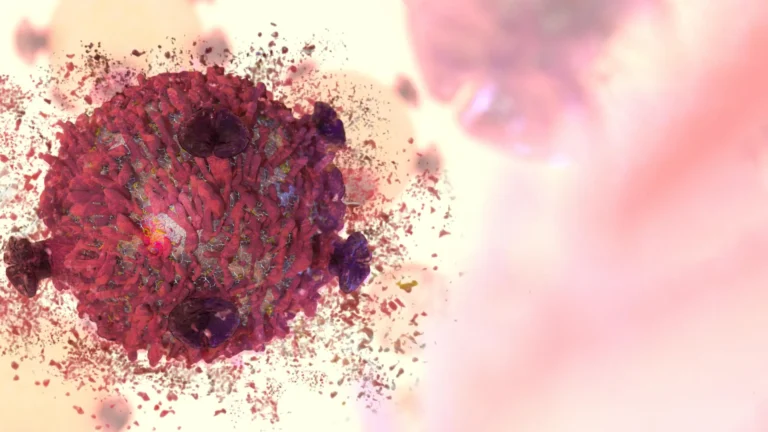
The escalating prevalence of antibiotic-resistant bacteria represents one of the most pressing public health crises of our era, demanding innovative solutions to combat pathogens that have evolved sophisticated mechanisms to evade conventional therapies. Projections paint a stark future, forecasting that by the middle of this century, drug-resistant infections could claim upwards of ten million lives annually on a global scale, surpassing the mortality rates associated with numerous other diseases. This alarming trend is fueled by the relentless adaptability of disease-causing microorganisms, which are increasingly developing defenses against treatments that were once highly effective. The proliferation of these formidable "superbugs" is a consequence of widespread antibiotic use, contributing to their evolutionary advantage.
These recalcitrant bacterial strains frequently find fertile ground for propagation in healthcare settings, including hospitals, as well as in environmental niches such as wastewater treatment infrastructure, intensive agricultural operations like livestock farming, and aquaculture facilities. Confronted by this intensifying threat, the scientific community is increasingly turning to cutting-edge genetic engineering methodologies to devise novel countermeasures. Scientists at the University of California San Diego (UC San Diego) have recently unveiled a sophisticated new gene-editing system, poised to directly address and potentially reverse the tide of antibiotic resistance.
At the forefront of this groundbreaking research are Professors Ethan Bier and Justin Meyer, affiliated with the UC San Diego School of Biological Sciences, who have collaborated to develop an ingenious strategy for eradicating antibiotic resistance traits from bacterial populations. Their innovative approach is rooted in the principles of CRISPR gene editing, augmented by concepts borrowed from gene drives – a technology primarily explored for its potential to influence traits within insect populations, such as blocking the transmission of disease vectors like malaria-carrying mosquitoes.
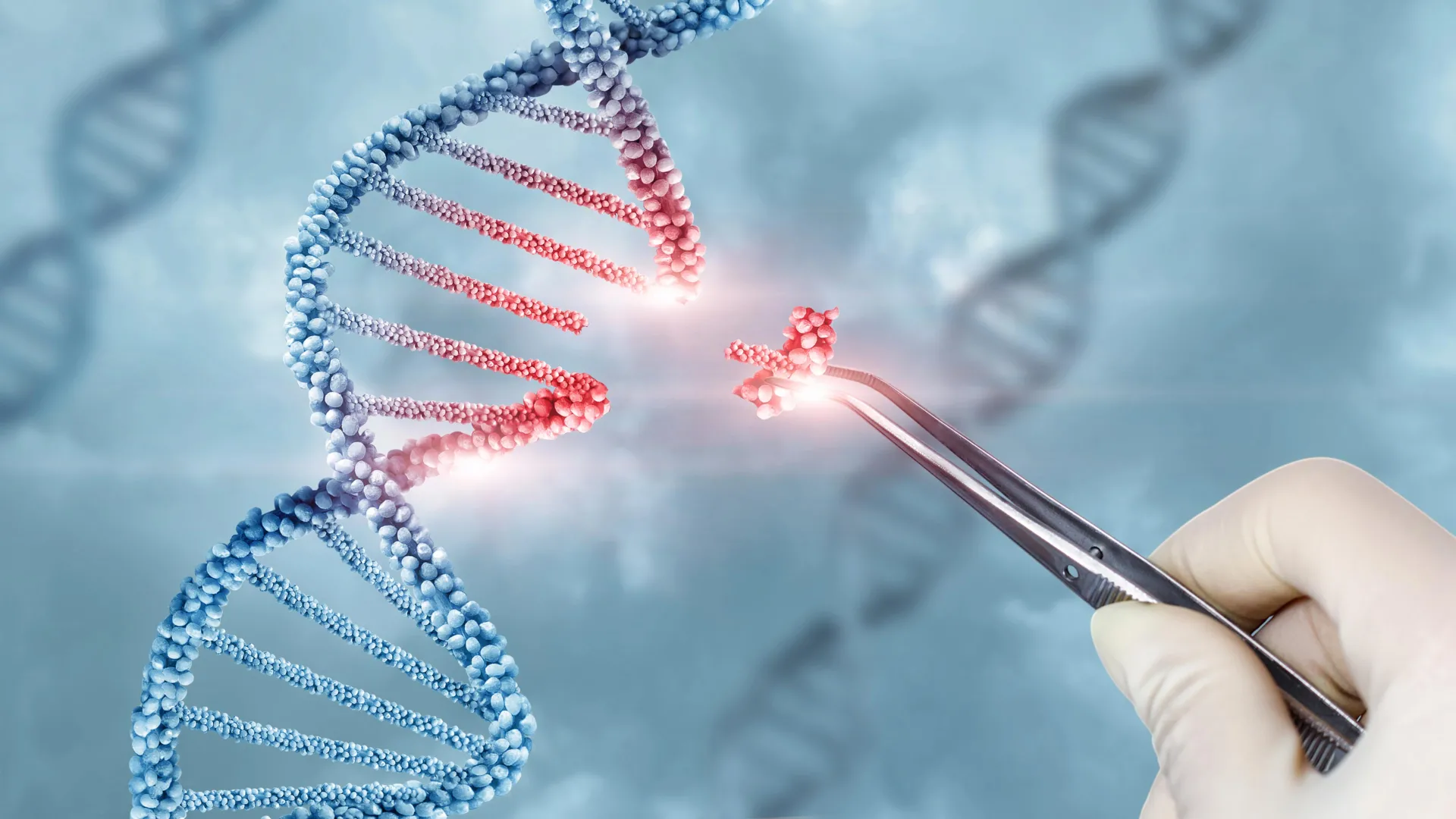
The research team has engineered a next-generation system, designated as pPro-MobV, representing a significant advancement in their Pro-Active Genetics (Pro-AG) platform. This sophisticated technology is engineered to disseminate throughout bacterial communities, effectively neutralizing the genetic determinants responsible for antibiotic resistance. Professor Bier, a distinguished member of the Department of Cell and Developmental Biology, articulated the significance of this development, stating, "With pPro-MobV, we have effectively translated gene-drive principles from the realm of insects to bacteria, repurposing them as a powerful tool for population-level engineering. This novel CRISPR-based technology empowers us to initiate the process with a minimal number of cells, enabling them to propagate and neutralize antibiotic resistance within a much larger target population."
The genesis of this transformative work can be traced back to 2019, when Professor Bier’s laboratory joined forces with Professor Victor Nizet’s team from the UC San Diego School of Medicine. Their initial collaboration yielded the foundational Pro-AG system, which introduced a specialized genetic element, or "cassette," into bacteria. This cassette possessed the remarkable ability to self-replicate and transfer between bacterial genomes, thereby inactivating genes conferring antibiotic resistance.
This precisely designed genetic cassette specifically targets resistance genes that are often located on plasmids. Plasmids are extrachromosomal, circular DNA molecules that replicate independently within bacterial cells, acting as vectors for rapid dissemination of advantageous traits, including antibiotic resistance. By integrating itself into these mobile genetic elements, the engineered cassette effectively disrupts the functionality of the resistance genes, thereby restoring the bacteria’s susceptibility to antibiotic treatments.
The more recent pPro-MobV system represents a substantial enhancement of this initial concept, leveraging conjugal transfer – a biological process akin to bacterial reproduction where genetic material is exchanged between cells – to facilitate the movement of CRISPR components from one bacterium to another. As detailed in their findings published in the esteemed journal npj Antimicrobials and Resistance, the researchers successfully demonstrated the system’s ability to traverse natural mating channels within bacterial communities, effectively distributing the resistance-disabling elements across entire populations.
A particularly crucial aspect of their findings is the system’s demonstrated efficacy within biofilms. Biofilms are complex, resilient communities of microorganisms that adhere to surfaces, forming a protective matrix that renders them notoriously difficult to eradicate using conventional antimicrobial agents and disinfection protocols. These structured microbial communities are implicated in a vast majority of persistent infections and provide bacteria with a significant survival advantage during antibiotic therapy by creating a physical barrier that impedes drug penetration. Consequently, the newly developed approach holds immense promise for a diverse array of applications, including the control of hospital-acquired infections, environmental remediation efforts, and the strategic manipulation of microbial ecosystems.
Professor Bier underscored the critical importance of targeting biofilms, noting, "The biofilm context for combating antibiotic resistance is particularly significant, as this represents one of the most formidable challenges in overcoming bacterial growth in both clinical settings and contained environments such as aquafarm ponds and sewage treatment plants. If we can effectively mitigate the transmission of resistance from animal populations to humans, we could exert a substantial positive impact on the global antibiotic resistance problem, considering that approximately half of all resistance is estimated to originate from environmental sources."
Further augmenting the potential of this technology, the researchers discovered that components of their active genetic system can be effectively transported by bacteriophages, commonly known as phages. Phages are viruses that specifically infect bacteria, and they are already being explored for their therapeutic potential in fighting antibiotic resistance by delivering disruptive genetic material past bacterial defenses. The research team envisions a synergistic approach, where their pPro-MobV system could be deployed in conjunction with engineered phages to amplify the overall impact and efficacy of antibiotic resistance reversal strategies.
As an additional layer of control and safety, the platform incorporates a mechanism known as homology-based deletion. This feature allows scientists to precisely remove the inserted genetic cassette if and when it becomes necessary, providing a safeguard against unintended long-term consequences. Professor Meyer, whose research focuses on the evolutionary adaptations of bacteria and viruses within the Department of Ecology, Behavior and Evolution, emphasized the unique capabilities of this technology. "This platform represents one of the few known methods capable of actively reversing the spread of antibiotic-resistant genes, rather than merely attempting to slow their dissemination or manage their presence," he remarked. This capability offers a proactive approach to reclaiming the effectiveness of antibiotics that has been eroded by the relentless evolution of microbial resistance.
About the Author