A groundbreaking therapeutic approach has emerged from the laboratories of the Korea Advanced Institute of Science and Technology (KAIST), offering a paradigm shift in the fight against solid tumors. Researchers have devised an ingenious method to transform the body’s own immune cells, specifically macrophages already present within cancerous growths, into highly effective agents for tumor eradication. This innovative strategy circumvents the formidable challenges posed by the tumor microenvironment’s inherent ability to suppress immune responses, thereby unlocking the latent anticancer potential of these naturally occurring cellular defenders.
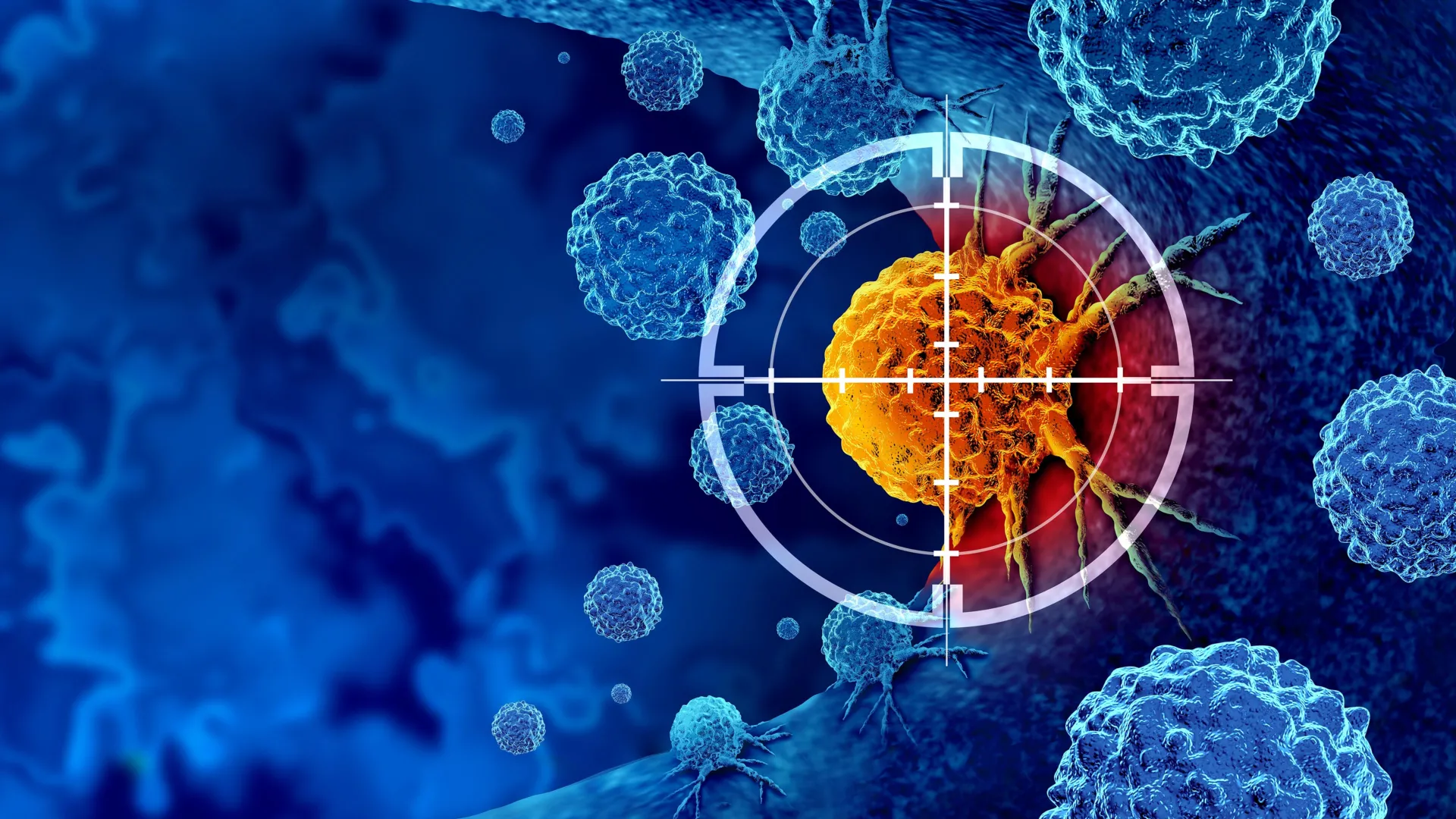
Solid tumors, characterized by their dense, complex architectural structures, present a formidable barrier to conventional therapeutic interventions. Unlike disseminated cancers that exist as scattered malignant cells, solid malignancies form tightly organized masses that impede the infiltration and effective functioning of immune cells. This physical impediment, coupled with the tumor’s sophisticated mechanisms for immune evasion, renders many immunotherapies less effective. The unique cellular composition and rigid matrix of these tumors create an immunosuppressive milieu, effectively neutralizing the body’s natural defenses and creating a sanctuary for cancer cell proliferation. This inherent resistance of solid tumors to immune attack has long been a central challenge in oncology, driving the search for more sophisticated and targeted treatment modalities.
Macrophages, a type of white blood cell, are integral components of the immune system and are naturally inclined to patrol the body, identifying and eliminating pathogens and cellular debris. Crucially, these versatile cells also possess an intrinsic capacity to recognize and engage with cancerous cells. However, within the tumor microenvironment, a complex interplay of signaling molecules and cellular interactions leads to the suppression and reprogramming of these macrophages. Instead of attacking the tumor, these so-called tumor-associated macrophages (TAMs) can, in certain contexts, inadvertently promote tumor growth and metastasis by fostering an inflammatory environment conducive to cancer progression and by dampening the activity of other cancer-fighting immune cells.
The advent of chimeric antigen receptor (CAR) technology has revolutionized immunotherapy, enabling the engineering of immune cells to specifically target and destroy cancer cells. CAR-T cell therapy, for instance, involves genetically modifying a patient’s T cells to express CARs that recognize tumor-specific antigens. This approach has shown remarkable success in treating certain blood cancers. More recently, CAR-macrophages have garnered significant attention as a promising next-generation immunotherapy. Macrophages offer distinct advantages over T cells in their ability to directly engulf and digest cancer cells (a process known as phagocytosis) and to release a broader spectrum of signaling molecules that can activate and coordinate the responses of other immune cells, thereby amplifying the overall anti-tumor immune response.
Despite the immense promise of CAR-macrophage therapy, existing approaches face substantial practical and logistical hurdles. The current standard involves harvesting immune cells from a patient’s peripheral blood, a process that can be time-consuming and resource-intensive. These collected cells then undergo extensive manipulation in a laboratory setting, including genetic modification to introduce the CAR construct. This complex and costly procedure is not only slow, delaying treatment initiation, but also presents significant challenges for widespread clinical implementation, particularly in resource-limited settings. The need for ex vivo cell culture and genetic engineering adds layers of complexity and expense, limiting the accessibility of this potentially life-saving therapy.
The KAIST research team, led by Professor Ji-Ho Park of the Department of Bio and Brain Engineering, has ingeniously sidestepped these limitations by focusing on the macrophages already residing within the tumor. Their innovative strategy leverages the body’s own cellular infrastructure, eliminating the need for cell extraction and external manipulation. The core of their breakthrough lies in the development of specialized lipid nanoparticles, meticulously engineered to be readily internalized by macrophages. These nanoparticles serve as sophisticated delivery vehicles, carrying a dual payload: messenger RNA (mRNA) encoding the genetic blueprint for cancer-recognition proteins, and a potent immune-boosting compound designed to invigorate cellular activity.
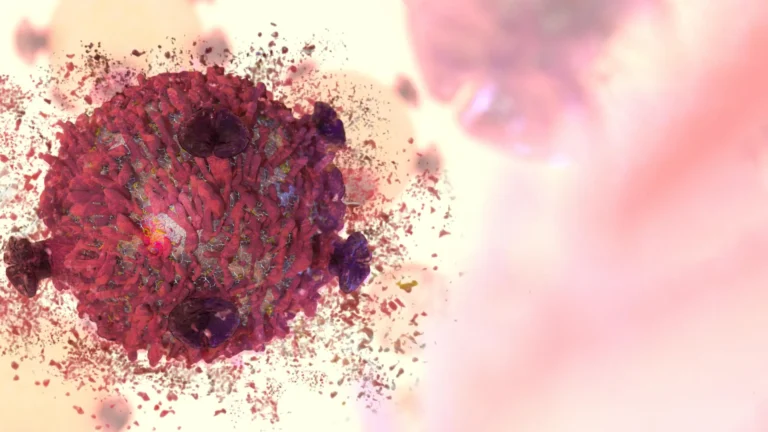
Upon injection directly into the tumor site, these lipid nanoparticles are rapidly absorbed by the resident macrophages. Once inside the cells, the mRNA instructs the macrophages to synthesize the essential components of CAR proteins. Simultaneously, the immune-boosting compound triggers a cascade of intracellular signaling pathways, enhancing the overall immune responsiveness of these reprogrammed cells. This elegantly orchestrated process effectively transforms the endogenous macrophages into potent, cancer-targeting effector cells, colloquially termed "CAR-macrophages," directly within the tumor microenvironment. This in situ reprogramming represents a significant departure from previous CAR-based therapies, offering a more streamlined and potentially more efficient mode of administration.
The resulting "enhanced CAR-macrophages" exhibit a dramatically amplified capacity for cancer cell destruction. They not only engage in direct phagocytosis of tumor cells but also secrete a cocktail of cytokines and chemokines that act as potent signals to recruit and activate other immune cells in the vicinity, including cytotoxic T lymphocytes and natural killer cells. This concerted immune assault, orchestrated by the reprogrammed macrophages, creates a powerful and synergistic anti-tumor response that can overwhelm the tumor’s defenses. The dual action of direct killing and immune system amplification makes this approach particularly effective against the complex and often evasive nature of solid tumors.
The efficacy of this novel therapeutic strategy has been rigorously validated in preclinical animal models. Studies conducted on mice bearing melanoma, a particularly aggressive form of skin cancer, demonstrated a remarkable reduction in tumor growth following treatment. Beyond the immediate tumor site, the findings revealed an intriguing and highly promising observation: the induced immune response appeared to extend beyond the confines of the injected tumor. This suggests that the reprogramming of macrophages may not only target the primary tumor but also prime the immune system for surveillance and elimination of any disseminated cancer cells, potentially offering a broad, body-wide protective effect and reducing the risk of recurrence or metastasis.
Professor Ji-Ho Park articulated the profound significance of this research, stating, "This study presents a new concept of immune cell therapy that generates anticancer immune cells directly inside the patient’s body." He further emphasized the strategy’s ability to simultaneously address the critical limitations that have historically hampered the success of existing CAR-macrophage therapies. These limitations include challenges related to the efficient delivery of engineered cells to the tumor site and the pervasive immunosuppressive nature of the tumor microenvironment, which often compromises the survival and function of therapeutic immune cells. By generating CAR-macrophages directly within the tumor and simultaneously overcoming the immunosuppressive signals, this new approach offers a more robust and effective therapeutic modality.
The pioneering research was spearheaded by Jun-Hee Han, Ph.D., a doctoral candidate in the Department of Bio and Brain Engineering at KAIST, who served as the first author of the study. The findings of this significant investigation have been formally published in ACS Nano, a prestigious international journal renowned for its focus on cutting-edge nanotechnology research. This publication signifies the peer-reviewed validation of their innovative approach within the scientific community. The research efforts were generously supported by the Mid-Career Researcher Program of the National Research Foundation of Korea, underscoring national commitment to advancing innovative scientific endeavors. This work represents a pivotal step forward in the development of next-generation immunotherapies, holding immense potential for improving patient outcomes in the fight against cancer.
About the Author