Chemotherapeutic agents, while indispensable in the fight against cancer, are widely recognized for their broad-spectrum cytotoxicity, impacting not only malignant cells but also rapidly dividing healthy tissues throughout the body. Among the most common and often distressing collateral effects is the damage inflicted upon the delicate lining of the intestines. Historically, this intestinal injury has been largely viewed as an unfortunate, localized side effect, leading to symptoms such as mucositis, diarrhea, and nutrient malabsorption. However, groundbreaking new research is challenging this narrow perspective, revealing that the ramifications of chemotherapy-induced gut damage extend far beyond the digestive tract, initiating a profound, systemic immune re-orchestration that fundamentally alters the body’s susceptibility to cancer metastasis.
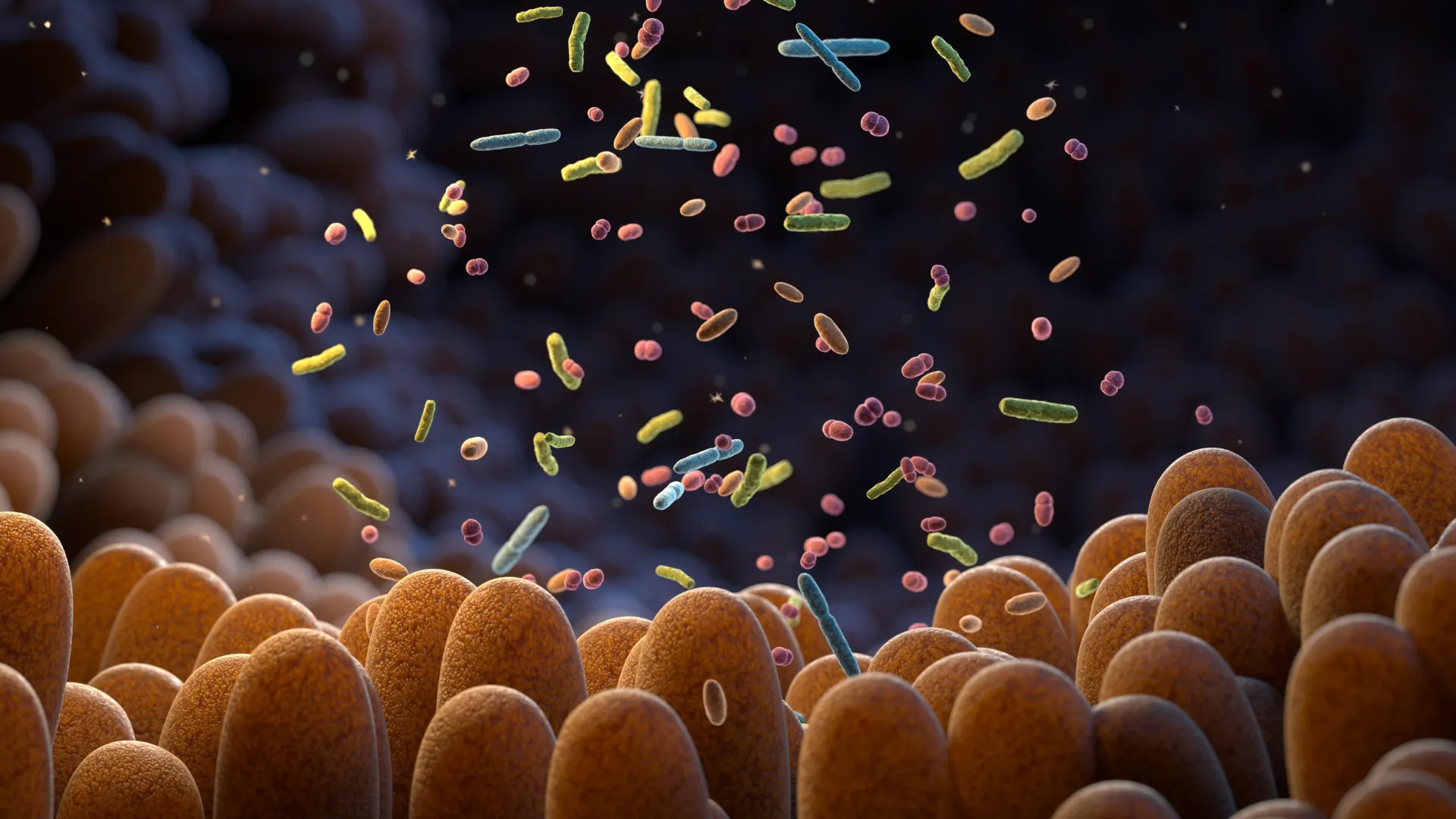
The intricate ecosystem residing within the human gut, collectively known as the gut microbiome, plays a pivotal role in numerous physiological processes, including nutrient metabolism, immune system development, and protection against pathogens. When the integrity of the intestinal epithelium is compromised by chemotherapy, the internal environment of the gut undergoes a dramatic transformation. This disruption directly impacts the availability and types of nutrients accessible to the resident microbial communities, forcing them to adapt to an entirely new metabolic landscape. This environmental shift triggers a significant alteration in the composition and metabolic activity of the microbiota, leading to the increased production of specific microbial compounds.
Central to this newly discovered cascade of events is the elevated synthesis of indole-3-propionic acid (IPA), a fascinating microbial metabolite derived from the essential amino acid tryptophan. Tryptophan, obtained through diet, serves as a precursor for various biologically active compounds, and its metabolism by gut bacteria is a complex process yielding a diverse array of metabolites, including IPA. The research indicates that the chemotherapy-induced changes in the gut environment specifically favor the microbial pathways that enhance IPA production, transforming this compound into a critical biological signal.
Unlike many microbial metabolites that exert their influence locally within the gut, IPA demonstrates remarkable systemic reach. Once produced in higher quantities by the altered gut microbiota, IPA is absorbed across the intestinal barrier and enters the bloodstream, acting as a circulating messenger. Its journey through the body culminates in the bone marrow, the primary site of hematopoiesis where all blood cells, including crucial immune cells, are generated. Here, elevated levels of IPA actively interfere with myelopoiesis, the specific process responsible for the formation of myeloid cells. This intervention leads to a measurable reduction in the production of immunosuppressive monocytes.
Immunosuppressive monocytes are a class of immune cells that, in the context of cancer, are often co-opted by tumors to facilitate their growth and spread. These cells typically migrate to tumor sites and metastatic niches, where they differentiate into macrophages that shield cancer cells from immune detection, promote angiogenesis (new blood vessel formation), and suppress the activity of effector immune cells, such as T-cells, which are vital for destroying malignant cells. By reducing the generation of these pro-tumorigenic monocytes, IPA effectively disarms a key component of the cancer’s immune evasion strategy.
This systemic alteration in immune cell production does not operate in isolation; it triggers a cascade of beneficial immunological changes throughout the body. The decrease in immunosuppressive monocytes correlates with a significant boost in the activity of T-cells, the primary orchestrators of adaptive anti-tumor immunity. Furthermore, the overall immune microenvironment within potential metastatic sites, particularly the liver—a common target for cancer spread—is profoundly reconfigured. In preclinical models, these immune system recalibrations create conditions that are demonstrably more resistant to the establishment and growth of metastatic lesions. The transformed immune landscape makes the host body significantly less permissive to the proliferation of secondary tumors, effectively turning a common side effect of chemotherapy into an anti-metastatic advantage.
The robust findings from laboratory investigations have been powerfully corroborated by real-world clinical data. A collaborative effort with clinicians at Geneva University Hospitals (HUG) allowed researchers to examine patient outcomes. Among individuals undergoing chemotherapy for colorectal cancer, those who exhibited higher concentrations of IPA in their bloodstream after treatment also displayed lower levels of immunosuppressive monocytes. Critically, this favorable immune profile was directly associated with superior survival outcomes, providing compelling human evidence for the mechanistic links observed in experimental models. This clinical validation underscores the translational potential of these discoveries, moving them from theoretical concepts to tangible implications for patient care.
The implications of this research extend beyond immediate therapeutic responses. The scientific team proposes that chemotherapy may, in effect, create a form of biological "memory" within the host, a lasting imprint driven by the persistent influence of microbiota-derived metabolites like IPA. This sustained microbial influence could continue to suppress metastatic growth over extended periods, offering a novel explanation for long-term remission in some patients and suggesting that the benefits of chemotherapy might continue to accrue even after treatment concludes. Such a sustained effect would represent a paradigm shift in understanding the duration and breadth of chemotherapy’s impact.
This groundbreaking work, supported by organizations such as the Swiss National Science Foundation and the Swiss Cancer League, and facilitated by an ISREC Foundation Tandem Grant for clinical-basic research collaboration, unveils a previously unrecognized functional axis. This "gut-bone marrow-liver metastasis axis" provides a crucial mechanistic explanation for how chemotherapy can elicit profound and lasting systemic effects beyond its direct cytotoxic action on primary tumors.
The identification of this pathway opens exciting new avenues for therapeutic intervention. By understanding how chemotherapy reshapes the gut microbiome to produce beneficial metabolites, scientists can explore innovative supportive strategies to limit cancer progression. These could include:
- Microbiome Modulation: Targeted dietary interventions, specific probiotic formulations, or even fecal microbiota transplantation (FMT) designed to promote the growth of IPA-producing bacteria.
- Metabolite Supplementation: Direct administration of IPA or its precursors to enhance its systemic levels.
- Personalized Approaches: Tailoring chemotherapy regimens or adjunctive therapies based on an individual patient’s gut microbiome profile to maximize anti-metastatic benefits.
- Combination Therapies: Integrating microbiome-centric strategies with existing immunotherapies or conventional cancer treatments to synergistically enhance anti-tumor responses.
Ultimately, this research signifies a fundamental shift in our understanding of chemotherapy’s systemic impact. It moves beyond viewing gut damage as merely an undesirable side effect, revealing it instead as a potential trigger for a sophisticated, host-protective immune response orchestrated by the gut microbiome. By harnessing these endogenous mechanisms, the medical community may soon possess powerful new tools to durably limit the devastating spread of cancer, transforming patient outcomes and offering new hope in the ongoing battle against metastatic disease.
About the Author