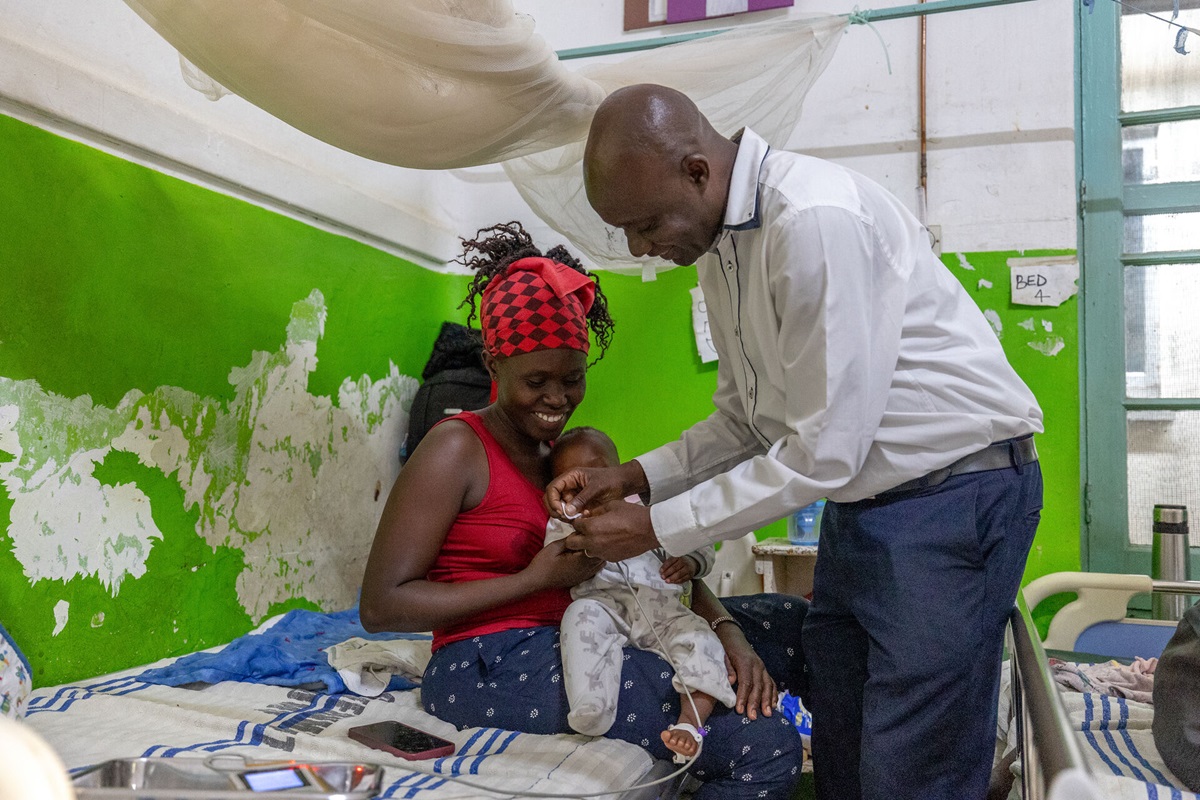
The worldwide campaign against malaria finds itself at a pivotal moment, navigating a complex landscape where remarkable scientific advancements are increasingly imperiled by evolving biological threats and significant operational hurdles. While innovative prevention strategies have averted an estimated 170 million malaria infections and saved approximately one million lives in the past year alone, according to the latest World Health Organization (WHO) report, these gains are overshadowed by an alarming surge in disease incidence and the insidious spread of drug resistance. The comprehensive annual assessment by the WHO, detailing the global malaria situation, paints a picture of both hard-won victories and formidable challenges that threaten to derail decades of concerted public health efforts.
A cornerstone of recent successes lies in the strategic deployment of advanced tools and methodologies recommended by the WHO. Foremost among these are novel dual-ingredient insecticide-treated nets, which offer enhanced protection against mosquitoes, and the world’s first malaria vaccines. Since their endorsement by the WHO in 2021, these groundbreaking vaccines have been integrated into routine immunization programs across 24 countries, marking a significant expansion in prophylactic measures. Complementing these initiatives, seasonal malaria chemoprevention (SMC) has also seen a substantial scale-up, now reaching 54 million children in 20 countries in 2024, a dramatic increase from approximately 200,000 in 2012. These interventions, increasingly woven into broader national health systems, underscore a proactive and multifaceted approach to disease control.
Such targeted efforts have yielded tangible results in the pursuit of malaria elimination. To date, 47 nations and one territory have received certification from the WHO as being malaria-free. This roster grew in 2024 with the recognition of Cabo Verde and Egypt, followed by Georgia, Suriname, and Timor-Leste in 2025. These achievements stand as powerful testaments to the efficacy of sustained political commitment, robust health infrastructure, and the strategic application of proven interventions. They offer a beacon of hope, demonstrating that a future free from malaria is not merely an aspiration but an achievable goal for determined regions.
Despite these significant strides and the millions of lives protected, the global malaria burden remains substantial and, concerningly, appears to be on an upward trajectory. The same report indicates an estimated 282 million malaria cases and 610,000 deaths in 2024. This represents an increase of approximately nine million cases compared to the preceding year, signaling a troubling reversal in progress. The disproportionate impact of the disease continues to be a stark reality, with an estimated 95% of all malaria-related fatalities occurring within the WHO African Region. Within this demographic, children under the age of five bear the heaviest burden, underscoring the critical vulnerability of this young population.
A primary driver behind this resurgence and the persistent mortality figures is the escalating threat of antimalarial drug resistance. This phenomenon is eroding the effectiveness of the very treatments that have served as the bedrock of malaria control for decades. The report highlights emerging evidence of partial resistance to artemisinin derivatives, which became the frontline treatment after widespread failures of earlier drugs like chloroquine and sulfadoxine-pyrimethamine. This alarming development signifies a potential crisis, as artemisinin-based combination therapies (ACTs) are currently the most effective treatment for uncomplicated malaria. Resistance to these vital compounds has been confirmed or suspected in at least eight countries across Africa, raising profound concerns about the future efficacy of current treatment protocols and the potential for a rapid rise in severe cases and deaths. Furthermore, there are indications of declining effectiveness in the partner drugs combined with artemisinin, further complicating the therapeutic landscape.
Beyond the direct threat of drug resistance to existing medicines, the fight against malaria is compounded by a sophisticated array of biological challenges affecting diagnostics and vector control. The prevalence of malaria parasites exhibiting pfhrp2 gene deletions, for instance, is undermining the reliability of rapid diagnostic tests (RDTs). These deletions prevent RDTs from detecting the specific parasite protein, leading to false-negative results and subsequently delayed or incorrect treatment. Simultaneously, the efficacy of insecticide-treated nets (ITNs), a cornerstone of prevention, is being compromised by the widespread development of pyrethroid resistance, which has now been confirmed in 48 countries. This resistance renders many standard ITNs less effective against mosquitoes.
Adding another layer of complexity to vector control is the aggressive spread of the Anopheles stephensi mosquito. This invasive species, inherently resistant to many commonly used insecticides, has now established itself in nine African countries. Historically associated with urban environments in Asia, its presence in Africa poses a severe challenge to urban malaria control efforts, which were previously less focused on this particular vector. Its adaptability and resistance profile demand urgent innovation in vector management strategies to prevent widespread urban outbreaks.
Beyond these biological threats, a constellation of external factors is exacerbating the malaria crisis. Climate change, characterized by shifts in temperature and rainfall patterns, is altering mosquito habitats and subsequently expanding the geographical range and intensity of malaria transmission. Unpredictable weather events, including extreme floods and droughts, can create ideal breeding grounds for mosquitoes or force population displacements, increasing vulnerability to infection. Concurrently, ongoing conflicts and political instability in malaria-endemic regions are leading to widespread disruptions in essential health services. This limits access to timely diagnosis and treatment for affected populations, further exacerbating disease burden and hindering control efforts. Displaced populations, often living in temporary shelters with inadequate protection, are particularly susceptible.
A critical, overarching impediment to progress is the persistent and substantial shortfall in global funding for malaria initiatives. Investment in the malaria response has plateaued over the last decade, severely limiting the reach and impact of life-saving interventions. In 2024, approximately US$3.9 billion was invested globally in malaria control and elimination. While significant, this figure represents less than half of the US$9.3 billion target set for 2025 by the Global Technical Strategy for Malaria 2016-2030. This chronic underfunding has tangible consequences. Recent reductions in Official Development Assistance (ODA) have placed immense strain on national health systems, leading to weakened surveillance capabilities and forcing the cancellation or postponement of crucial malaria surveys. These financial constraints also heighten the risk of stock-outs for essential medicines and diagnostic tools, as well as delays in implementing critical intervention campaigns, ultimately undermining programmatic effectiveness and costing lives.
Against this backdrop of escalating threats, leaders in global health are issuing urgent calls for renewed commitment and innovative solutions. Dr. Tedros Adhanom Ghebreyesus, the WHO Director-General, acknowledges the hope offered by new prevention tools but underscores the profound challenges posed by rising cases, intensifying drug resistance, and funding cuts. He asserts, however, that these obstacles are not insurmountable. Emphasizing the critical role of leadership from the most-affected countries and targeted investment, he maintains that the vision of a malaria-free world remains attainable.
Echoing this sentiment, Dr. Martin Fitchet, CEO of Medicines for Malaria Venture, stresses the imperative for novel therapeutic approaches. "The World Malaria Report is clear: drug resistance is advancing. Our response must be equally clear – new medicines with new mechanisms of action," he states. He points to the development of Ganaplacide–Lumefantrine, the first non-artemisinin combination therapy, as proof of what is possible and a significant step toward enhanced malaria resilience. This advancement signals the beginning of a new chapter in the fight against evolving resistance.
Ultimately, achieving a malaria-free future demands that political commitments translate into sustained resources and impactful actions, ensuring equitable and lasting change. The WHO urges malaria-endemic nations to uphold their pledges to eliminate malaria deaths, as outlined in declarations like the Yaoundé Declaration. A unified global malaria community, acting decisively under initiatives like the Big Push, is essential to mitigate current and emerging threats. Only through collaborative effort, strategic investment in both existing and novel tools, and unwavering determination can the world stay ahead of resistance and ensure that malaria no longer poses a grave threat to human health.
About the Author