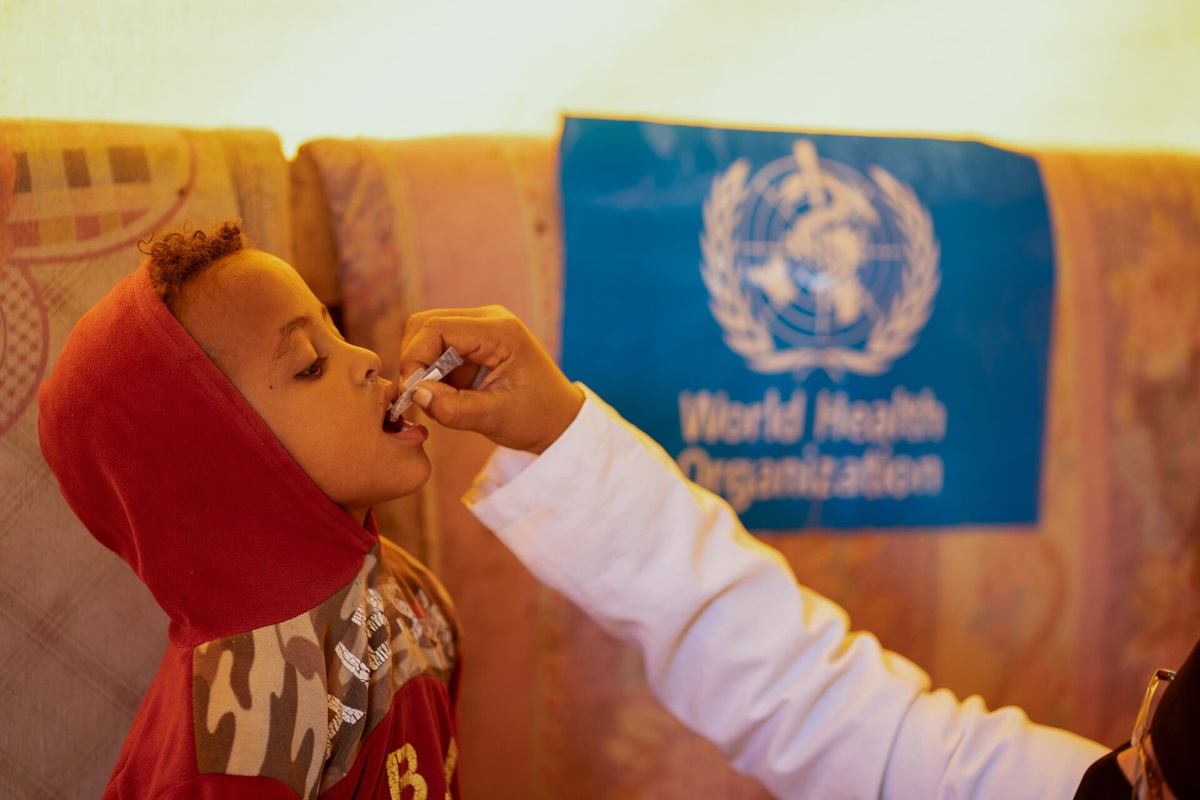
After an arduous period marked by escalating global cholera outbreaks and critically diminished vaccine reserves, international health organizations have announced a significant turnaround: the supply of oral cholera vaccine (OCV) has reached a level sufficient to reinstate widespread preventive immunization campaigns. This pivotal development, confirmed by Gavi, the Vaccine Alliance, UNICEF, and the World Health Organization (WHO), heralds a strategic shift from a reactive crisis response to a more proactive approach in safeguarding vulnerable populations against the virulent waterborne disease. The renewed capacity for pre-emptive vaccination marks the first time in over three years that such comprehensive campaigns can be systematically deployed, offering a crucial bulwark against a pathogen that continues to devastate communities worldwide.
Cholera, caused by the bacterium Vibrio cholerae, is an acute diarrheal infection that spreads through contaminated food or water, often in areas with inadequate sanitation and limited access to clean drinking water. While easily treatable with oral rehydration salts if caught early, it can lead to rapid dehydration and death within hours if left untreated. Historically, cholera has plagued humanity for centuries, often following humanitarian crises, natural disasters, or in regions grappling with poverty and conflict. The disease disproportionately affects the most marginalized, who often reside in settings where basic infrastructure, including safe water and sanitation systems, is severely compromised or non-existent.
The recent global resurgence of cholera has been particularly alarming. Since 2021, the world has witnessed a relentless year-on-year increase in reported cases across numerous countries, reaching over 600,000 cases and nearly 7,600 deaths from 33 nations in the past year alone. These figures, acknowledged by the WHO, are widely considered underestimations due to persistent challenges in surveillance and reporting, suggesting the true burden is substantially higher. This sustained escalation, exacerbated by factors such as climate change-induced extreme weather events, population displacement, and protracted conflicts, placed unprecedented strain on the limited global supply of oral cholera vaccines. The surge in demand created a profound shortage of OCV stocks, compelling global health bodies to suspend preventive vaccination efforts in 2022 and prioritize a single-dose strategy for outbreak response only, a difficult but necessary measure to stretch the scarce resources.
Dr. Tedros Adhanom Ghebreyesus, Director-General of the WHO, reflected on this challenging period, stating, "Global vaccine shortages forced us into a cycle of reacting to cholera outbreaks instead of preventing them. We are now in a stronger position to break that cycle." This sentiment underscores the profound impact of the supply crisis, which left countless communities exposed and forced health systems into a perpetual state of emergency management. The inability to conduct preventive campaigns meant that populations remained susceptible, and outbreaks frequently spiraled before interventions could effectively contain them.
The journey to replenish the global OCV stockpile has been a testament to collaborative international effort. Gavi, the Vaccine Alliance, which finances the global OCV stockpile, has worked alongside UNICEF, responsible for vaccine procurement and delivery, and the WHO, which coordinates global health responses, to rally support from manufacturers and partners. These sustained efforts focused on expanding production capacity and streamlining the allocation process to ensure that even limited supplies reached the areas of highest risk and public health impact. Dr. Sania Nishtar, CEO of Gavi, the Vaccine Alliance, emphasized the critical lesson learned: "The multi-year surge in cholera cases and resulting unprecedented demand for vaccines were stark reminders that sustainable, accessible vaccine supply is a global public good – and the world cannot afford complacency."
A pivotal player in this recovery has been EUBiologics, currently the sole manufacturer capable of producing cholera vaccines at the scale required for mass vaccination initiatives. Dr. Tedros extended gratitude to the company for its diligent efforts and issued a broader call to action for other pharmaceutical manufacturers to enter this vital space, recognizing the ongoing need for diversified and robust production capabilities. Through these concerted actions, the annual global supply of OCV is projected to double from approximately 35 million doses in 2022 to nearly 70 million doses by 2025.
With this substantial increase in available doses, the Global Task Force for Cholera Control (GTFCC), a collaborative network of over 50 organizations, has meticulously established allocation criteria to ensure the systematic, equitable, and transparent distribution of vaccines for preventive campaigns. The initial allocation of 20 million doses for these proactive initiatives is now being deployed to several high-risk nations. Mozambique has emerged as the first country to recommence preventive vaccination, receiving 3.6 million doses. This intervention comes at a critical juncture for the Southern African nation, which is grappling with an ongoing cholera outbreak compounded by the devastating aftermath of recent floods. These natural disasters displaced hundreds of thousands of people and severely damaged essential health and water infrastructure, dramatically elevating the risk of waterborne diseases.
Beyond Mozambique, other critically affected regions are also slated to benefit from this renewed supply. The Democratic Republic of the Congo (DRC), which is experiencing significant and widespread cholera outbreaks, is set to receive 6.1 million doses. An additional 10.3 million doses are planned for delivery to Bangladesh, another country frequently impacted by cholera, particularly in its densely populated areas and refugee camps. These strategic deployments underscore the global community’s commitment to protecting the most vulnerable and breaking the cycle of repeated outbreaks.
Catherine Russell, UNICEF Executive Director, highlighted the immediate impact of this development, stating, "For the first time in years, this increase in vaccines will allow us to better prevent large-scale cholera emergencies. Resuming preventive cholera vaccination will protect children and help stop this highly contagious disease in its tracks." She also stressed that vaccination, while crucial, must be integrated with other foundational efforts, particularly enhancing access to safe water and basic sanitation facilities, to achieve lasting disease control.
Oral cholera vaccines are both safe and highly effective. They are recommended for individuals over one year of age. A single dose of OCV offers short-term protection, typically lasting at least six months, and has proven invaluable in helping to bring active outbreaks under control. For more sustained immunity, two doses provide protection against infection for approximately three years. Despite the encouraging improvements in global vaccine supply, the one-dose strategy will largely remain the standard for immediate outbreak responses, a pragmatic approach to maximize the reach of the vaccine while supplies continue to stabilize. The use of a two-dose regimen will be considered on a case-by-case basis, balancing the need for broad immediate protection with longer-term immunity.
Dr. Ilesh Jani, chair of the Steering Committee of the GTFCC, remarked on the broader implications: "This milestone shows the power of bringing together diverse partners to build a more reliable response to cholera. Preventive vaccination helps shield communities and buys critical time." However, Dr. Jani also cautioned that "lasting progress will depend on long-term investment in infrastructure, for which political commitment is indispensable." His words serve as a vital reminder that vaccination is but one pillar in a comprehensive cholera control strategy.
Ultimately, eradicating cholera and ensuring global health security necessitates more than just vaccine availability. It demands robust, long-term investments in fundamental public health infrastructure, including dependable safe water systems, adequate sanitation facilities, and improved hygiene practices (WASH). These measures are the bedrock of prevention, preventing the disease from taking root and spreading in the first place. Alongside these critical infrastructure developments, sustained efforts in disease surveillance, rapid diagnostic capabilities, prompt access to treatment, and effective community engagement are equally indispensable. By integrating these multifaceted approaches, the global community can move beyond merely reacting to cholera outbreaks and instead forge a sustainable path toward their prevention, control, and eventual elimination, reducing suffering and saving countless lives in the process.
About the Author