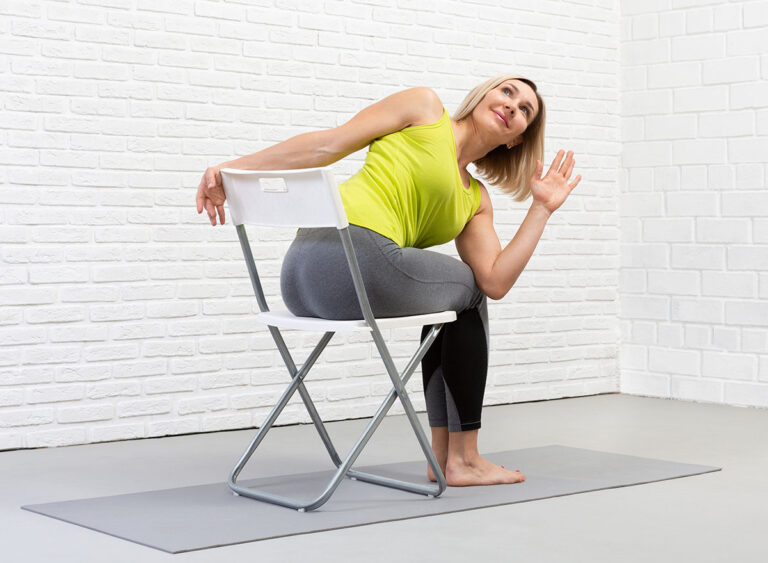
The practice of walking, often regarded as a fundamental human movement, extends far beyond its basic utility as a mode of transport or a general cardiovascular exercise. For individuals navigating the physiological shifts that accompany aging, particularly those beyond the age of 45, strategic modifications to a regular walking regimen can unlock profound benefits, especially concerning core strength and abdominal composition. While conventional wisdom frequently directs individuals towards isolated abdominal exercises like crunches or leg raises to address midsection concerns, a growing body of expert opinion suggests that integrating specific, mindful walking drills can yield more comprehensive and functionally effective results for tightening the waistline and mitigating abdominal protrusion.
As individuals progress into their mid-forties and beyond, the body undergoes a series of metabolic and hormonal changes that often contribute to an increased accumulation of visceral and subcutaneous fat around the abdomen. Factors such as a naturally decelerating metabolism, fluctuations in hormone levels (like estrogen in women and testosterone in men), gradual loss of lean muscle mass (sarcopenia), and shifts in daily lifestyle patterns collectively conspire to make maintaining a trim midsection more challenging. This phenomenon, often referred to as "belly overhang" or abdominal adiposity, is not merely an aesthetic concern but can also be indicative of underlying health risks.
Traditional abdominal exercises predominantly target the rectus abdominis, the superficial "six-pack" muscle responsible for spinal flexion. While strengthening this muscle is certainly beneficial, its impact on the deeper, stabilizing muscles of the core, particularly the transverse abdominis, is often limited. The transverse abdominis, situated deep beneath the other abdominal muscles, functions much like a natural internal corset, wrapping around the trunk from front to back. Its primary role is to stabilize the spine and pelvis before movement of the limbs occurs, and when properly engaged, it acts to compress the abdominal contents, contributing significantly to a flatter, more supported midsection.
According to fitness specialists like Cody McBroom, a strength and nutrition coach and founder of Tailored Coaching Method, the efficacy of certain walking drills stems precisely from their capacity to activate this crucial deep core musculature. These movements, by introducing elements of instability, balance challenges, or specific muscular contractions during locomotion, compel the transverse abdominis to engage dynamically and reactively. This engagement is often more holistic and functional than what can be achieved through isolated, static abdominal exercises, making these drills a powerful tool for enhancing core stability and improving abdominal tone, especially for an older demographic where functional strength and injury prevention are paramount.
Integrating these specialized techniques into a daily walking routine transforms a simple stroll into a dynamic core workout. Here are five such drills, designed to leverage the natural mechanics of walking to sculpt and strengthen the abdominal region:
1. The Ambulatory Stomach Vacuum:
Rooted in classic bodybuilding and yoga practices, the stomach vacuum is a powerful isometric exercise for the transverse abdominis. When performed while walking, it elevates this static contraction into a dynamic core challenge. To execute this drill, begin by taking a deep breath, then exhale completely, drawing your belly button inwards towards your spine as much as possible, as if trying to touch your navel to your backbone. Hold this deep contraction for several steps, maintaining shallow breathing if necessary, before releasing and repeating. The goal is not just to suck in the stomach, but to actively engage and lift the pelvic floor and lower abdominal muscles. This continuous, mindful engagement of the innermost core muscles during movement helps to reinforce their role in stabilizing the torso and maintaining abdominal compression throughout the day, effectively training the "internal corset" to remain taut.
2. Dynamic High-Knee Marching:
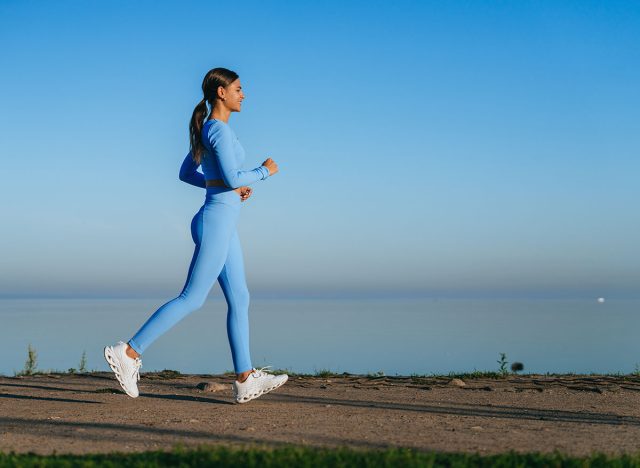
While a typical walking gait offers limited core activation, incorporating a high-knee march dramatically amplifies the engagement of the lower abdominal and hip flexor muscles. As you walk, intentionally lift each knee much higher than usual, aiming to bring your thigh parallel to the ground, or even higher, with each step. The act of lifting the knee against gravity requires significant effort from the iliopsoas (hip flexors) and, crucially, demands greater stabilization from the core to prevent the torso from swaying or rotating excessively. This exaggerated movement not only strengthens the hip flexors but also forces the deep abdominal muscles to work harder to maintain balance and control, making it an excellent functional exercise for building both strength and coordination in the lower body and core.
3. Figure-8 Arm Swings with Torso Rotation:
This drill introduces a rotational and anti-rotational element that challenges the core’s ability to stabilize against dynamic forces. As you walk, swing your arms in a continuous figure-eight pattern across your body. Imagine drawing a horizontal figure-eight with your hands, allowing your torso to rotate slightly but controlled with each swing. One arm will swing up and across the body while the other swings down and across in the opposite direction, then reverse. This controlled, ballistic motion generates rotational momentum that the core, particularly the obliques and transverse abdominis, must actively resist and stabilize to keep the hips and lower body moving forward in a straight line. This constant interplay of rotation and anti-rotation strengthens the core’s ability to absorb and generate force, crucial for everyday movements and preventing injury.
4. Intermittent Stop-and-Stabilize:
This technique harnesses the principle of reactive core engagement by deliberately introducing moments of instability into your walk. Walk at a brisk, consistent pace for a set number of steps (e.g., 10-20 steps), then abruptly come to a complete stop, freezing in place for 2-3 seconds. During this sudden halt, your body’s proprioceptive system instantly activates, and your deep core muscles, especially the transverse abdominis, must contract powerfully and rapidly to prevent you from falling forward or losing balance. This "bracing" action is a highly effective way to train the internal muscles responsible for holding the lower belly in place and developing quick, reactive core strength. Repeat this pattern throughout your walking session, focusing on maintaining perfect stillness during each stop.
5. Overhead Reaches with Postural Extension:
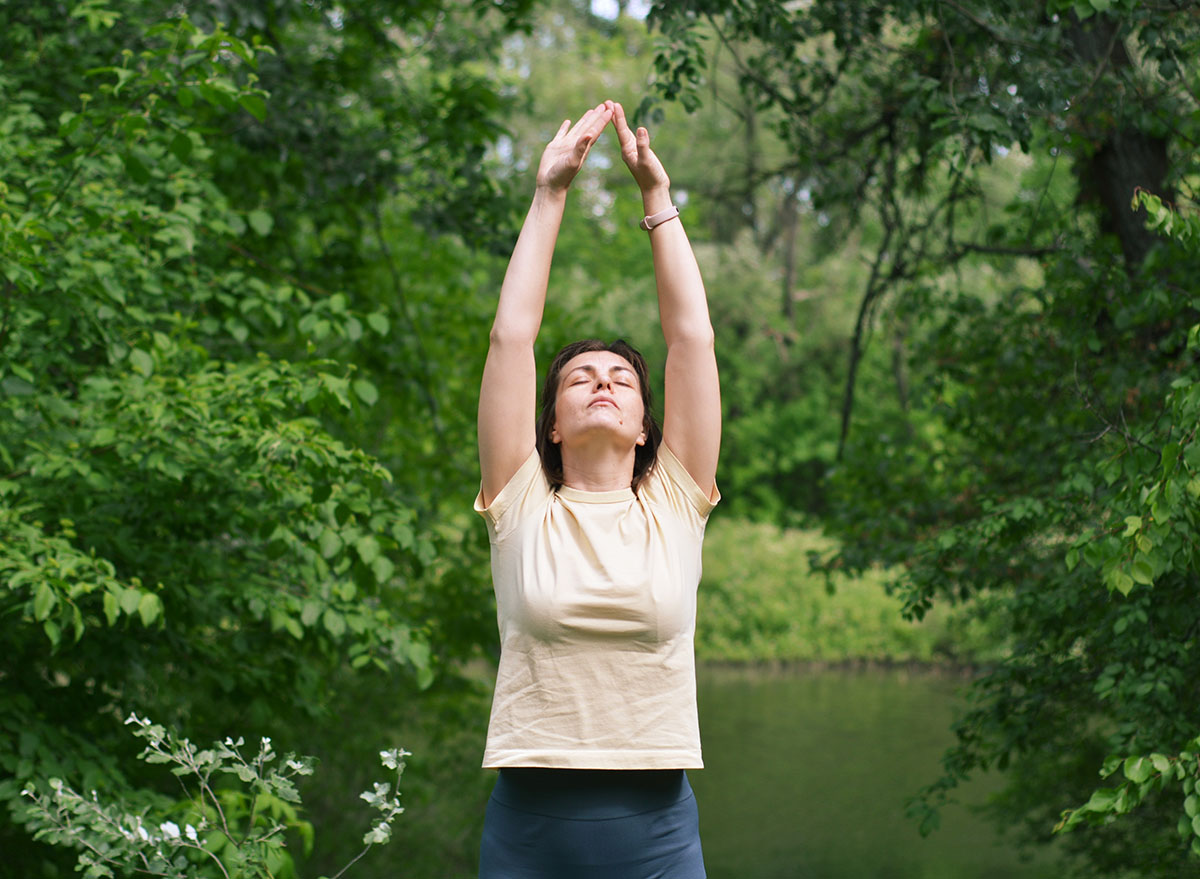
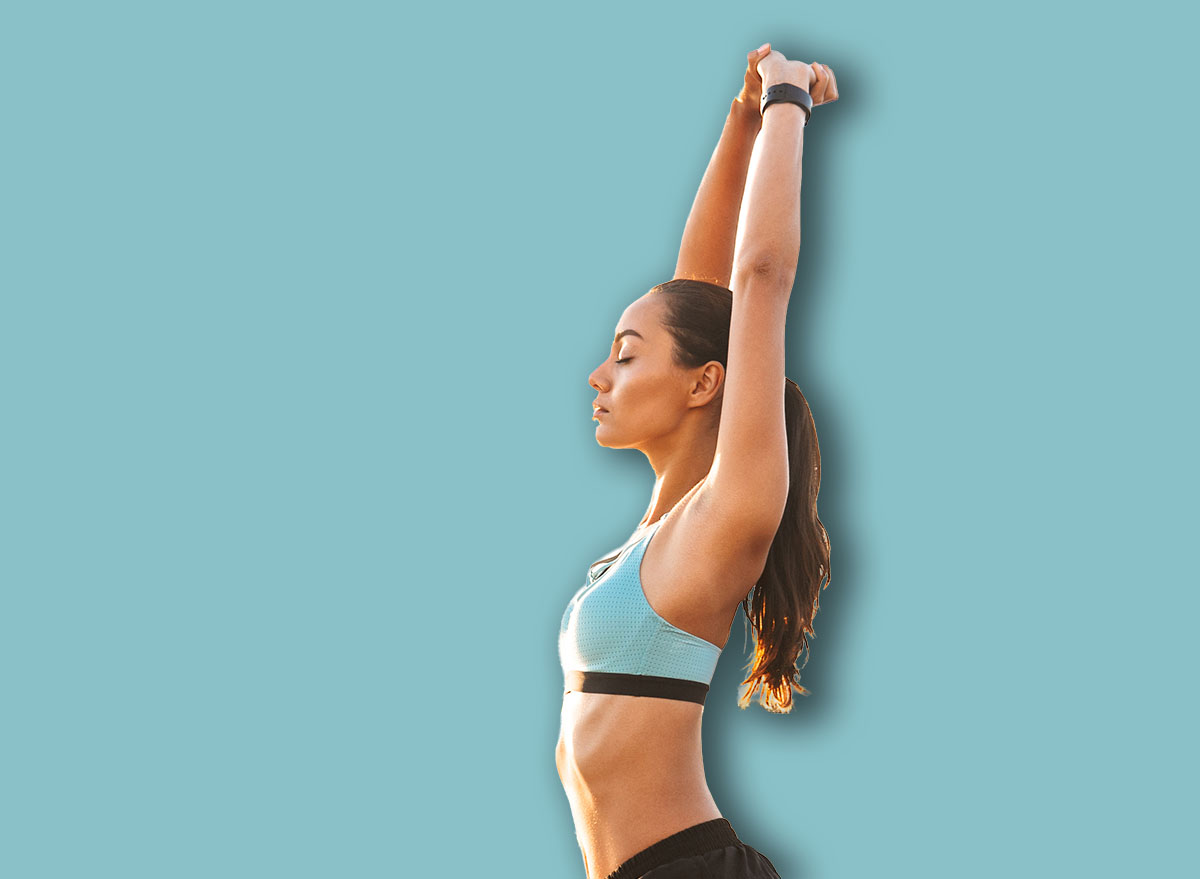
Poor posture, characterized by slouching or a forward-head position, can compress the spine and abdominal cavity, inadvertently pushing the belly outward and contributing to a more prominent abdominal appearance. The overhead reaches drill directly addresses this by promoting spinal decompression and encouraging an elongated, upright posture. While walking, periodically raise both arms directly overhead, reaching towards the sky as if trying to touch the ceiling. As you reach, focus on lengthening your spine, lifting your rib cage away from your hips, and maintaining a neutral pelvic tilt. Hold this extended position for several steps, breathing deeply, before lowering your arms and continuing your walk. This movement not only stretches and strengthens the muscles along the sides of the torso but also actively encourages the abdominal wall to draw inward, countering the compressive effects of slouching and reinforcing an overall taller, more confident posture that naturally flattens the appearance of the abdomen.
In essence, the method by which one walks holds far greater significance for overall core health and appearance than many realize, particularly as the body ages. Beyond merely accumulating steps or covering distance, the deliberate attention to posture, the mindful engagement of core musculature, the rhythm of breathing, and the dynamic modulation of pace collectively influence the tone and structure of our midsection over time. By incorporating these specialized walking drills, individuals can transform a routine activity into a sophisticated, functional core workout, fostering not only a firmer abdomen but also enhanced balance, improved posture, and a greater sense of bodily control and resilience. It’s a testament to the idea that sometimes, the most effective fitness solutions are found by refining the movements we already perform every day.
About the Author