The conventional understanding of aging often associates advancing years with an inevitable decline in physical capabilities. However, a growing body of scientific evidence and contemporary fitness philosophy challenges this perspective, emphasizing that functional capacity can be robustly maintained, and even enhanced, well into later life. Rather than focusing solely on chronological age, the modern paradigm shifts towards evaluating "functional age"—a measure of an individual’s actual physical performance relative to their peers, regardless of birth year. This focus on practical, real-world movement skills is paramount for sustaining independence, enhancing quality of life, and mitigating the risks associated with an aging body. For individuals navigating their seventh decade and beyond, the ability to perform complex, multi-joint standing movements serves as a powerful indicator of integrated strength, balance, and neuromuscular control, often signifying a level of physical prowess that belies societal expectations.
At the heart of this evolving understanding lies the concept of functional fitness. Unlike traditional exercise regimens that might isolate specific muscle groups or rely heavily on machines, functional training emphasizes movements that mimic daily activities. This approach cultivates a more resilient and adaptable body by training muscle groups in concert, fostering coordination between the brain and muscles, and improving overall motor control. Research consistently demonstrates that engagement in functional exercise programs significantly improves critical aspects of physical functioning in older adults, including gait speed, balance, mobility, and the successful execution of everyday tasks. This stands in contrast to more conventional strength-training methodologies, which, while beneficial, may not offer the same degree of transferable skill to real-life scenarios. The efficacy of functional training stems from its holistic engagement of the body’s complex systems—skeletal, muscular, nervous, and proprioceptive—reinforcing the intricate connections necessary for stable, efficient movement.
Standing exercises, in particular, hold a unique and critical position within functional fitness. The very act of standing demands a continuous interplay between various muscle groups, the core musculature, and the body’s intricate balance systems. Unlike seated or supported movements, standing exercises challenge the entire kinetic chain to stabilize, generate force, and coordinate motion against gravity. This inherent demand strengthens not only individual muscles but also the synergistic relationships between them, improving proprioception (the body’s awareness of its position in space), enhancing joint stability, and building muscular endurance without imposing undue stress on vulnerable joints. The resulting physical competence transcends mere strength; it translates into a tangible sense of confidence and capability in navigating the complexities of daily living.
For those aged 60 and above, mastering specific standing movements can serve as an exceptional benchmark of integrated physical health. These are not merely exercises but comprehensive assessments of an individual’s real-world capability. A proficient execution of these challenges indicates a heightened level of stability, control, and overall functionality, potentially surpassing the average capabilities observed in individuals a full decade younger. Each movement intricately weaves together the actions of the shoulders, core, hips, and legs, demanding that the entire physiological system operates harmoniously—a crucial attribute for long-term health, injury prevention, and sustained performance throughout the aging process.
1. Dynamic Single-Leg Balance with Reach
Balance is far more than simply avoiding a fall; it represents a sophisticated orchestration of muscle control, sensory input, and joint stability. The ability to maintain equilibrium on a single leg while simultaneously extending an arm or leg into space significantly elevates the challenge, transforming a static hold into a dynamic assessment of integrated control. This exercise rigorously engages the gluteal muscles, the entire core musculature, the stabilizing muscles of the ankles, and the body’s intricate proprioceptive mechanisms. By demanding that the body resist destabilizing forces and maintain a central axis, it hones the nervous system’s capacity to react swiftly and efficiently to shifts in weight and external stimuli. As proficiency in this dynamic balance improves, so does an individual’s confidence in performing everyday actions like walking across uneven terrain, making quick turns, or ascending and descending stairs—skills that frequently show early signs of decline with advancing age. Precision and control in this movement indicate not just improved equilibrium but a robust foundation of functional strength that extends far beyond simplistic static balance drills. Furthermore, enhancing dynamic balance is a cornerstone of fall prevention, a critical concern for older adults, significantly reducing the risk of injuries and promoting continued independence.
2. Articulated Hip Hinge to Integrated Stand and Walk
The proper execution of a hip hinge is fundamental to human movement, serving as the biomechanical blueprint for safely lifting objects, bending down, and transitioning from sitting to standing. This exercise specifically trains the body to initiate movement from the powerful muscles of the hips and glutes, rather than inadvertently relying on the lumbar spine or knee joints, which are more susceptible to strain and injury when misused. Following the controlled hip hinge with a deliberate, purposeful walk demands an intricate coordination between the upper body, the deep core stabilizers, and the powerful hip extensors. It encourages the entire posterior chain—the muscles along the back of the body—to fire in sequence, cultivating a holistic approach to movement rather than isolated muscle activation. Consistent practice of this coordinated pattern leads to a smoother, more energy-efficient gait, improved postural alignment, and a marked increase in strength that is directly transferable to practical tasks such as loading groceries into a car, tending a garden, or rising effortlessly from low-seated surfaces. This movement is critical for maintaining spinal health and ensuring that the body’s largest muscle groups are effectively utilized for power and stability.
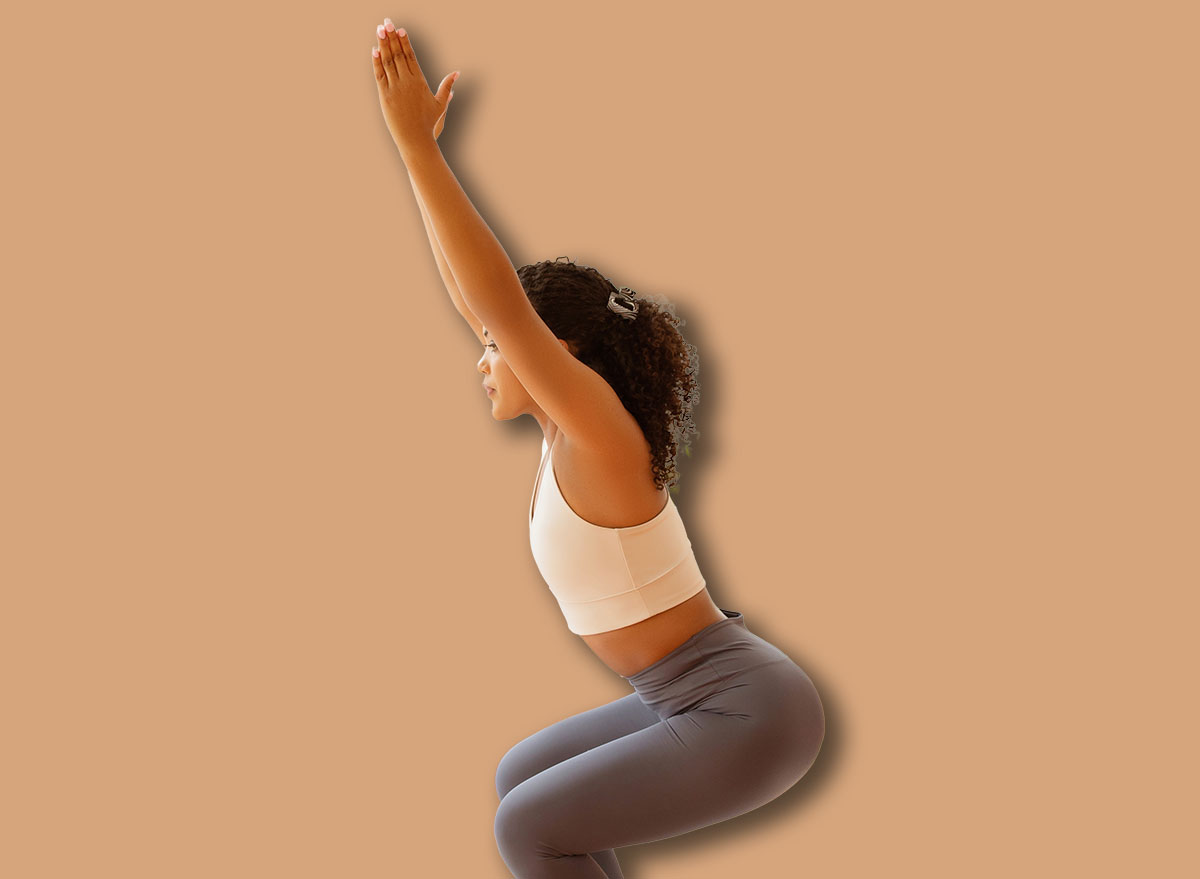
3. Coordinated Standing Half-Squat with Overhead Arm Elevation
While squatting is universally recognized for its profound benefits in building lower body strength and enhancing mobility in the hips and knees, integrating an arm raise transforms this fundamental exercise into a comprehensive full-body demand. This synergy simultaneously engages the muscles of the shoulders, the upper back, and the core, requiring them to work in perfect synchronization with the powerful drive from the lower body. The concurrent action of descending into a squat while elevating the arms not only elevates the heart rate without high-impact stress but also rigorously reinforces postural control and creates significant neuromuscular tension throughout the midsection, effectively stabilizing the trunk. For individuals in their sixties and beyond, mastering this coordinated pattern provides invaluable preparation for a myriad of daily activities: reaching for objects on high shelves, lifting and carrying various items, or generating controlled power for tasks like pushing open heavy doors. This integrated approach to strength training far surpasses the utility of isolated machine exercises, fostering a body that is genuinely prepared for the dynamic demands of real-life movement. It also plays a vital role in counteracting the common age-related tendency towards kyphosis, or rounding of the upper back.
4. Lateral Step with Dynamic Knee Lift
The lateral plane of movement, encompassing side-to-side actions, is frequently overlooked in conventional fitness routines, yet it is absolutely indispensable for maintaining stability, agility, and injury prevention in everyday life. The lateral step with a simultaneous knee lift is a powerful assessment and training tool that specifically targets the hip abductors (muscles that move the leg away from the body) and adductors (muscles that move the leg towards the body), along with the deep core musculature. These muscle groups are crucial for stabilizing the pelvis, preventing unwanted knee valgus (knees caving inward), and ensuring robust hip integrity. This dynamic movement challenges the body to maintain balance while shifting weight laterally and then to stabilize against rotational forces as the knee is lifted. It represents a truly comprehensive measure of functional fitness, testing power, balance, and coordination all at once. Proficiency in this exercise correlates strongly with heightened confidence and precise control during real-world scenarios such as navigating crowded spaces, stepping around unexpected obstacles, or reacting quickly to maintain balance on uneven ground. Integrating lateral movements into a fitness regimen significantly reduces the risk of falls that occur from unexpected sideways shifts and enhances overall movement efficiency, enabling a more adaptable and resilient body.
In conclusion, the capacity to execute these four specific standing exercises with control and confidence at the age of 60 is a profound testament to an individual’s commitment to integrated physical well-being. These movements are not merely challenging; they serve as critical benchmarks, signaling a mastery of functional strength, dynamic balance, and neuromuscular coordination that is essential for a high quality of life. Achieving proficiency in these areas indicates a proactive approach to healthy aging, empowering individuals to maintain their independence, engage fully with their environment, and significantly reduce their susceptibility to age-related physical limitations. Ultimately, age becomes less of a defining factor and more a testament to the enduring power of consistent, purposeful movement in shaping a vibrant and capable future.
About the Author