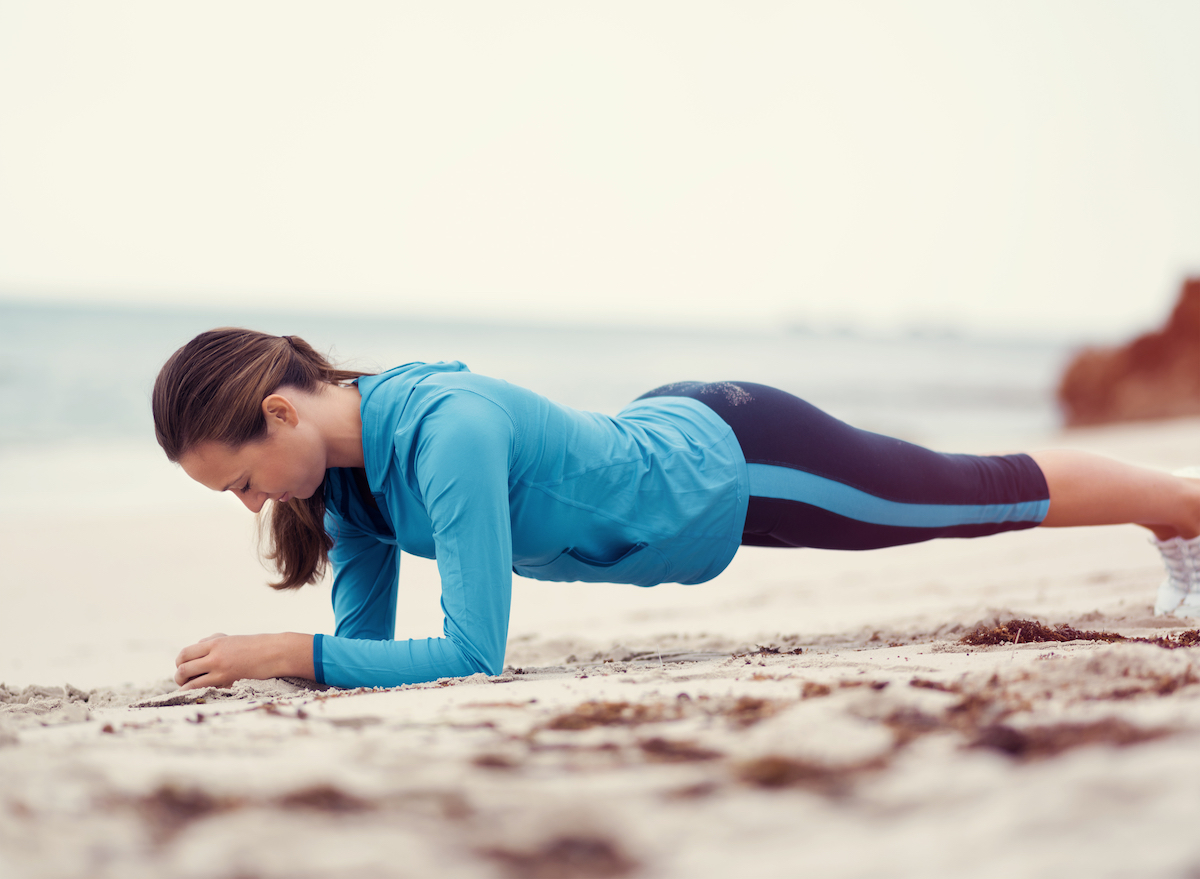
Maintaining robust physical health becomes increasingly important as we age, and among the myriad components of fitness, a strong and stable core stands out as particularly critical for older adults. The ability to effectively engage the musculature surrounding the trunk is not merely about aesthetic appeal; it forms the bedrock of functional movement, balance, and overall independence in daily life. For individuals navigating their sixth decade and beyond, the plank exercise serves as an exceptionally insightful diagnostic tool, offering a comprehensive snapshot of one’s fundamental core capacity. It reveals not only the endurance of abdominal muscles but also the integrated strength and coordination of the entire core unit, which includes the deep abdominal muscles, obliques, lower back, and glutes. This static hold, while seemingly straightforward, demands profound muscular engagement and precise bodily alignment, making it an excellent benchmark for evaluating foundational strength crucial for everything from standing tall and walking confidently to safely lifting objects and preventing falls.
The significance of a well-conditioned core for the senior population cannot be overstated. As individuals progress through their 60s, age-related physiological changes, such as sarcopenia (the gradual loss of muscle mass and strength), can diminish mobility and heighten the risk of injury. A powerful core acts as a natural protective corset for the spine, mitigating back pain, improving posture, and enhancing overall body mechanics. It provides the necessary stability for intricate movements and gross motor skills alike, allowing for a more active and engaged lifestyle. Whether it’s reaching for items on a high shelf, navigating uneven terrain, or simply rising from a chair, the efficient transfer of force and maintenance of equilibrium relies heavily on a responsive and enduring core. Fitness professionals frequently incorporate the plank into their assessments because it effectively isolates core endurance from momentum-driven movements, offering a clear and honest appraisal of an individual’s intrinsic strength and stability.
To accurately gauge core stability using the plank, proper execution is paramount. The efficacy of this assessment hinges entirely on maintaining impeccable form throughout the duration of the hold. A flawed plank, characterized by sagging hips or an arched back, compromises the integrity of the exercise, shifting stress away from the core and onto less resilient joints, particularly the lower back. Prioritizing correct technique over extending hold time is a non-negotiable principle for both safety and effectiveness.
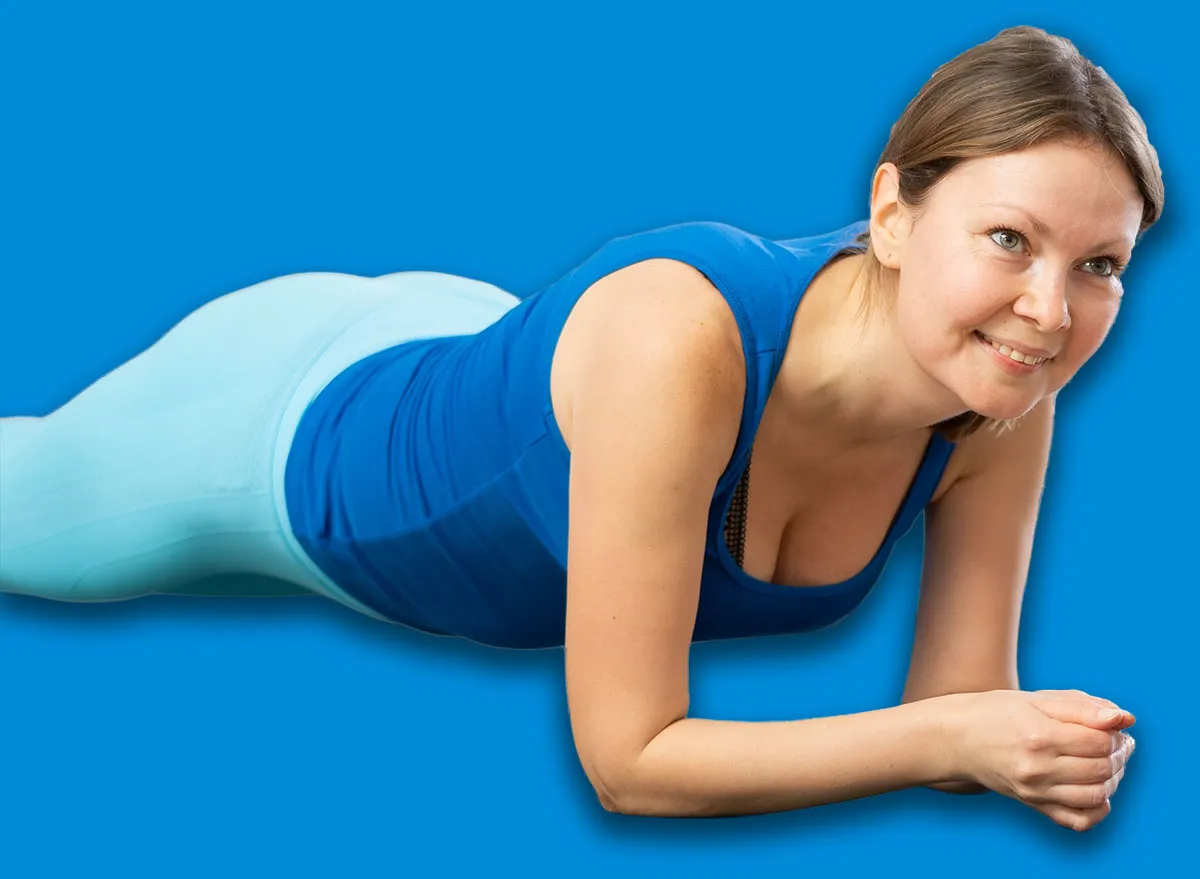
Here’s a detailed guide to performing a technically sound plank:
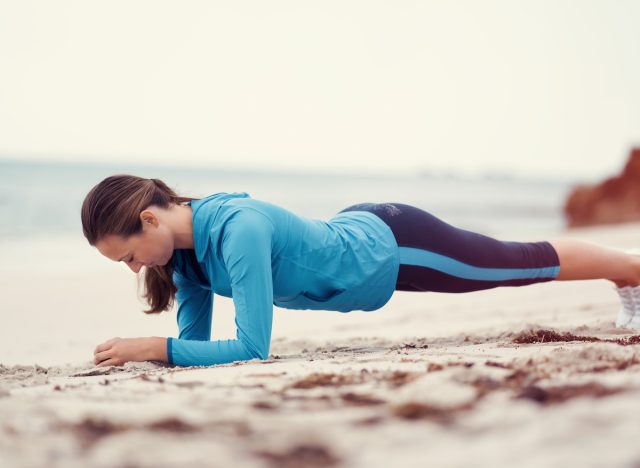
- Starting Position: Begin face down on the floor. Position your forearms on the ground, ensuring your elbows are directly beneath your shoulders and your hands are either clasped or parallel, palms down. Your feet should be hip-width apart, with your toes tucked under.
- Lift and Align: Engage your core muscles as you lift your entire body off the floor, supporting your weight on your forearms and toes.
- Body Line: Strive to create a straight line from the crown of your head through your shoulders, hips, and heels. Imagine a ruler placed along your back; it should touch your head, upper back, and glutes simultaneously.
- Core Engagement: Actively pull your navel towards your spine, tightening your abdominal muscles. Simultaneously, squeeze your glutes and quadriceps to maintain tension throughout your lower body. This comprehensive engagement prevents the hips from dropping or rising excessively.
- Shoulder and Neck: Keep your neck in a neutral position, gazing down at the floor between your hands. Your shoulders should remain relaxed, away from your ears, with your shoulder blades slightly retracted and depressed to support your upper body.
- Breathing: Continue to breathe deeply and steadily throughout the hold, avoiding holding your breath. Inhale slowly through your nose and exhale through your mouth.
- Key Cue: A valuable mental cue is to imagine actively drawing your ribcage closer to your pelvis, creating a sensation of abdominal compression. This reinforces the engagement of the deep core stabilizers.
Once the correct form is established, individuals can then proceed to time their plank hold. It is crucial to stop the timer the moment any part of the body deviates significantly from the straight line, or if muscular fatigue prevents maintaining the proper posture. A hold performed with perfect form for a shorter duration yields far greater benefits than a prolonged, compromised one.
For adults aged 60 and older, plank hold durations can serve as a useful indicator of core fitness relative to their peers. While individual variations due to past activity levels, health conditions, and genetic predispositions exist, general benchmarks, often cited by certified strength and conditioning specialists, provide a framework for understanding one’s current capacity. These ranges are typically based on rigorous front planks executed with unwavering form and without any breaks or adjustments during the hold.
General Plank Hold Benchmarks for Adults Age 60 and Older:
- Foundational Level (Under 30 seconds): Individuals in this category may possess nascent core strength or could benefit significantly from targeted core stability exercises. This duration suggests that while basic abdominal endurance is present, there is ample room for improvement to enhance functional independence and reduce musculoskeletal strain.
- Proficient Level (30-60 seconds): Achieving a plank hold within this timeframe indicates a commendable level of core endurance and stability for this age group. Individuals at this level likely experience good support for daily activities and exhibit a lower risk of common posture-related discomforts. This performance suggests a consistent effort towards maintaining physical fitness.
- Advanced Level (60-90 seconds): A plank hold of one minute to ninety seconds signifies superior core strength and endurance, placing individuals well above the average for their age demographic. This level of core robustness contributes significantly to enhanced balance, agility, and resilience against physical challenges, supporting an active and vigorous lifestyle.
- Elite Level (Over 90 seconds): Holding a plank for more than 90 seconds reflects exceptional core integrity. Those who reach this benchmark demonstrate remarkable muscular endurance and full-body control, often indicating a history of dedicated fitness training. This level of core strength can provide a profound protective effect against age-related decline and facilitate participation in more demanding physical activities.
If your current plank hold falls below your desired benchmark, or if you simply wish to elevate your core strength, several strategic approaches can facilitate significant improvement. The journey to a stronger core is built on a foundation of consistent effort, intelligent progression, and mindful engagement of the body. Many older adults discover that with focused attention, their core capacity can improve remarkably, translating into tangible benefits in their daily lives.
Here are effective strategies to enhance your plank strength:
- Prioritize Form First: Before attempting to extend your hold time, ensure your plank form is impeccable. Practice shorter holds (e.g., 15-20 seconds) with absolute precision, focusing on every alignment cue. Video recording yourself can be invaluable for self-correction.
- Gradual Time Progression: Once form is solid, incrementally increase your hold duration. Instead of aiming for a large jump, add 5-10 seconds to your maximum hold every few sessions. For instance, if you hold for 30 seconds, try for 35 seconds next time.
- Multiple Sets Approach: Rather than a single, exhaustive hold, perform several shorter sets. For example, three sets of 30 seconds with a 30-second rest between each can be more effective for building endurance than one strenuous 60-second attempt.
- Incorporate Plank Variations:
- Easier Modifications: If a full plank is too challenging, start with an incline plank (hands on a sturdy elevated surface like a bench or wall) or a knee plank (knees on the ground, maintaining a straight line from head to knees). These reduce the load, allowing you to master form before progressing.
- Advanced Challenges: As your strength grows, introduce variations like the side plank (targeting obliques), single-arm or single-leg planks (increasing instability), or dynamic planks (e.g., plank jacks or plank shoulder taps) to further challenge your core.
- Engage the Entire Body: Remember that the plank is a full-body exercise. Actively squeeze your glutes, quads, and even push through your heels (or balls of your feet) to create a powerful, integrated tension throughout your kinetic chain.
- Focus on Breathing: Conscious, diaphragmatic breathing throughout the plank is crucial. It helps maintain oxygen flow to working muscles and prevents undue tension in the neck and shoulders.
- Complementary Core Work: Integrate other core-strengthening exercises into your routine. Exercises like bird-dog, dead bugs, glute bridges, and anti-rotational exercises (e.g., pallof press) build the surrounding musculature that supports and enhances plank performance.
- Consistency is Key: Regular practice is more effective than sporadic intense sessions. Aim for 2-3 core training sessions per week, allowing for adequate recovery.
- Listen to Your Body: Pay attention to any discomfort or pain. If an exercise causes sharp pain, stop immediately. Consult with a healthcare professional or certified fitness trainer, especially if you have pre-existing conditions or are new to exercise.
Ultimately, a strong core is a cornerstone of vitality and independence in later life. While specific plank hold times offer valuable benchmarks, the broader objective is to cultivate functional strength that translates into a higher quality of life. By dedicating attention to core stability, individuals over 60 can significantly enhance their physical capabilities, reduce the risk of injury, and continue to engage actively with the world around them. Embracing this fundamental aspect of fitness is an investment in sustained well-being and a testament to the power of proactive health management.
About the Author