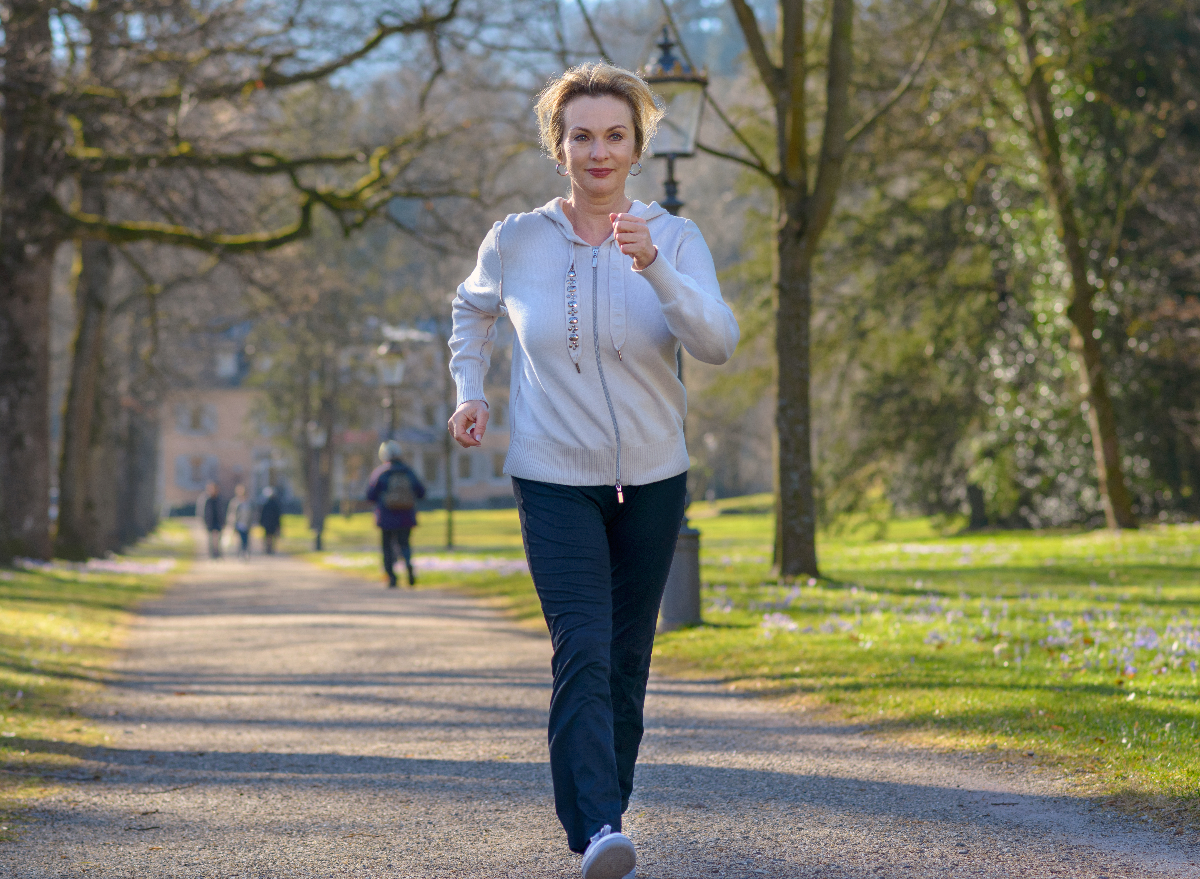
Maintaining robust walking endurance is a cornerstone of independent living and overall quality of life, particularly as individuals progress beyond the age of 65. While many people anticipate a natural decline in their physical capabilities with advancing years, an increasing body of evidence, supported by insights from certified strength and conditioning specialists, indicates that targeted physical training can significantly mitigate, and even reverse, age-related reductions in stamina and mobility. Far from being an inevitable consequence of aging, diminished walking capacity often signals a need for a more comprehensive approach to fitness that addresses underlying muscular strength, balance, and cardiovascular efficiency.
The ability to walk comfortably for extended periods, navigate varied terrains, and perform daily errands without undue fatigue is crucial for retaining autonomy and engaging in social activities. However, it is common for individuals in their mid-sixties and beyond to notice that familiar distances feel more challenging, slopes become steeper, and a general sense of leg heaviness or premature exhaustion sets in. This experience is often rooted in physiological changes such as sarcopenia (age-related muscle loss), reduced joint stability, and a decrease in aerobic capacity. Importantly, these changes are not immutable. Experts in exercise physiology emphasize that merely increasing walking volume without first addressing foundational physical attributes may not yield the desired improvements in endurance and can even increase the risk of injury. Instead, a strategic regimen that builds supportive muscle groups and refines movement patterns proves to be a more effective pathway to sustained mobility.
A holistic strategy for enhancing walking endurance focuses on cultivating the core components that underpin efficient gait: lower body strength, dynamic balance, hip stability, and a well-conditioned cardiovascular system. Integrating specific, functional movements into a weekly routine can profoundly impact an individual’s capacity to walk farther, faster, and with greater confidence. The following exercises, recommended by fitness professionals for older adults, form a robust framework for rebuilding and maintaining the physical resilience necessary for a vibrant, active lifestyle.
Cultivating Foundational Leg Strength: The Sit-to-Stand Maneuver
One of the most fundamental movements reflecting functional lower body strength is the sit-to-stand. This exercise directly mirrors everyday actions such as rising from a chair, getting out of bed, or using the restroom, making it incredibly relevant for maintaining independence. For individuals over 65, mastering this movement translates directly into improved power and stability needed for initiating each step of a walk and recovering from momentary imbalances. It primarily engages the large muscle groups of the legs—the quadriceps, glutes, and hamstrings—along with the core muscles, which are vital for maintaining an upright posture throughout the movement.
To perform this exercise effectively, begin seated in a sturdy chair with feet flat on the floor, hip-width apart. Lean slightly forward, engaging the core, and press through the heels to stand up fully, avoiding the use of hands if possible. Control the descent back to the seated position, aiming for a smooth, unhurried motion rather than collapsing onto the chair. Initially, a higher chair or a slight lean can assist, while more advanced individuals can progress to hands-free variations, holding a light weight (like a goblet hold), or performing the movement with a slower tempo to increase time under tension. Aim for three sets of eight to twelve repetitions, allowing 60 to 90 seconds of rest between each set. Consistent practice strengthens the musculature essential for propelling the body forward with each stride and provides a strong base for more dynamic movements.
Enhancing Single-Leg Stability and Gait Mechanics: The Standing March

Efficient walking is, at its core, a series of controlled single-leg balances. The standing march is an excellent exercise for refining this crucial aspect of mobility, targeting the hip flexors, glutes, core, and calf muscles. It helps to improve coordination and balance in a safe, controlled manner, which is particularly beneficial for older adults who might experience a decline in stride quality and an increased risk of falls. By strengthening the muscles responsible for lifting the leg and stabilizing the pelvis during the single-leg support phase, this exercise directly contributes to a smoother, more rhythmic gait.
To execute the standing march, stand tall with good posture, feet hip-width apart. Slowly lift one knee towards the chest, aiming for a 90-degree angle at the hip and knee, while keeping the torso upright and stable. Hold briefly at the top, focusing on engaging the core and standing leg glute, then slowly lower the foot back to the starting position. Alternate legs, maintaining control throughout the movement and resisting the urge to lean or sway. For support, a hand can be placed lightly on a wall or sturdy furniture. To progress, consider adding light resistance bands around the thighs or performing the march with a slower tempo to challenge balance and muscle endurance further. Three sets of 10 to 12 repetitions per side, with 45 to 60 seconds of rest, will help build the necessary stability and strength.
Building Functional Power and Cardiovascular Endurance: Step-Ups
Step-ups are a highly functional exercise that closely mimics real-world movements like climbing stairs or walking uphill, making them invaluable for boosting both leg strength and cardiovascular fitness. This exercise engages the glutes, quadriceps, hamstrings, and calves, developing the power needed to overcome gravity and propel the body upwards. The continuous, rhythmic nature of step-ups also elevates the heart rate, providing a mild cardiovascular challenge that improves the body’s ability to utilize oxygen efficiently—a key factor in sustained walking endurance.
To perform step-ups, select a sturdy box, step, or stair of appropriate height (starting with a lower height if new to the exercise). Place one foot entirely on the step, ensuring the entire foot is stable. Drive through the heel of the elevated foot to step up, bringing the other foot to meet it on the step, or keeping it suspended for a greater challenge. Step back down with control, leading with the same foot. Complete all repetitions on one side before switching, or alternate legs for a more dynamic, cardiovascular focus. Throughout the movement, strive to keep the knee tracking over the toes of the stepping leg, avoiding excessive inward or outward movement. Begin with three sets of eight to ten repetitions per side, resting for 60 to 90 seconds between sets. Progression can involve using a higher step, holding light dumbbells, or performing alternating step-ups more briskly.
Refining Balance and Foot Control: The Heel-to-Toe Walk
Often overlooked, the intricate mechanics of the foot and ankle play a significant role in walking endurance and fall prevention. The heel-to-toe walk, also known as tandem walking, is an excellent drill for sharpening gait mechanics, improving dynamic balance, and strengthening the smaller muscles that stabilize the feet and ankles. It directly enhances proprioception—the body’s awareness of its position in space—which is critical for confident and stable movement, especially on uneven surfaces. This exercise trains the anterior tibialis, calves, and intrinsic foot stabilizers, along with the core for overall postural control.
To perform a heel-to-toe walk, stand tall with one foot directly in front of the other, so the heel of the front foot touches the toes of the back foot. Focus your gaze forward on a fixed point, rather than down at your feet, to challenge balance further. Slowly and deliberately take a step forward, placing the heel of the trailing foot directly against the toes of the leading foot. Continue this controlled, deliberate movement for 20 to 30 steps. The emphasis should be on maintaining a smooth, stable line of movement without wobbling excessively. Initially, performing this exercise alongside a wall for support can provide added security. As balance improves, try increasing the distance or performing it without support. Incorporate three sets of 20 to 30 controlled steps, resting for approximately 45 seconds between each set. This practice will significantly improve the precision and stability of each stride.
Boosting Cardiovascular Capacity: Brisk Walking Intervals
While strength training builds the engine for walking, cardiovascular conditioning teaches the body to use that engine efficiently over time. Brisk walking intervals are a highly effective method for enhancing cardiovascular capacity without demanding sustained, high-intensity effort that might be overwhelming for older adults. This approach involves alternating periods of moderate-paced walking with shorter bursts of faster, brisk walking. This method helps improve the heart and lungs’ ability to deliver oxygen to working muscles, extending overall endurance and making prolonged walking feel less strenuous.
To implement brisk walking intervals, begin with a gentle warm-up of 5 minutes at an easy pace. Then, transition into the interval phase: walk at a brisk pace for 1 to 2 minutes, where you can still talk but might be slightly breathless. Follow this with 2 to 3 minutes of a more moderate, recovery pace. Repeat this cycle for 10 to 20 minutes, depending on your current fitness level. Conclude with a 5-minute cool-down at an easy pace. As your fitness improves, you can gradually increase the duration of the brisk phases, reduce the recovery time, or incorporate gentle inclines (hill intervals) for added challenge. Focusing on a natural arm swing can help drive the walking rhythm and engage the upper body, further contributing to caloric expenditure and overall fitness. This type of training, performed two to three times per week, significantly improves the body’s stamina and recovery capabilities.
Beyond Exercises: A Holistic Approach to Lasting Mobility
Reclaiming and sustaining walking endurance after 65 is not solely about specific exercises; it’s about cultivating a comprehensive lifestyle that supports physical well-being. Consistency is paramount; regular engagement with these exercises and an active lifestyle will yield far greater results than sporadic, intense efforts. Always prioritize proper form over speed or weight, and pay close attention to your body’s signals, avoiding any movements that cause pain.
Beyond structured exercise, several lifestyle factors significantly influence endurance. Adequate hydration is crucial for muscle function and preventing fatigue; ensure a steady intake of water throughout the day. A balanced diet rich in lean protein supports muscle maintenance and repair, while complex carbohydrates provide sustained energy. Sufficient sleep is indispensable for physical recovery and cognitive function, both of which impact exercise performance and overall energy levels. Wearing supportive, well-fitting footwear can prevent discomfort and injury, enabling longer, more comfortable walks. Finally, before embarking on any new exercise program, particularly for those with existing health conditions, consulting a healthcare provider or a physical therapist is always advisable to ensure the chosen activities are safe and appropriate for individual needs.
By embracing a strategic approach that integrates targeted strength training, balance work, and cardiovascular conditioning, individuals over 65 can dramatically enhance their walking endurance. This commitment to functional fitness not only extends physical capabilities but also fortifies mental resilience, fosters independence, and opens the door to continued enjoyment of life’s varied activities. Age need not be a barrier to robust mobility; with consistent effort and intelligent training, a strong, steady stride can remain a defining characteristic for years to come.
About the Author