The accumulation of abdominal fat, often referred to as a "midsection bulge," becomes a particularly common concern for many individuals as they transition beyond the age of 55. This physiological shift is not merely an aesthetic issue but frequently signals deeper metabolic changes and carries significant health implications. While general weight management is always beneficial, targeting abdominal adiposity, especially the more dangerous visceral fat that surrounds internal organs, is paramount for long-term wellness. Fortunately, a focused approach incorporating specific standing exercises offers an effective pathway to enhance core strength, boost metabolism, and contribute to a more sculpted midsection without the need for floor-based movements, which can be challenging or uncomfortable for some older adults.
Understanding Midlife Abdominal Fat Accumulation
Several interconnected factors contribute to the tendency for fat to redistribute to the abdominal area in individuals over 55. Hormonal fluctuations play a primary role; for women, the onset of menopause brings a significant decline in estrogen, which research indicates shifts fat storage patterns from hips and thighs to the abdomen. Similarly, men experience a gradual decrease in testosterone, known as andropause, which can also promote central adiposity. Beyond hormonal shifts, an age-related decline in muscle mass, a condition known as sarcopenia, significantly impacts metabolism. Muscle tissue is metabolically active, meaning it burns more calories at rest than fat tissue. As muscle mass diminishes, the body’s basal metabolic rate (BMR) naturally slows, making it easier to gain weight and harder to lose it, even with consistent caloric intake. Lifestyle choices, including reduced physical activity and dietary habits that may not adapt to a slower metabolism, further exacerbate this challenge.
The distinction between subcutaneous fat (the pinchable fat just under the skin) and visceral fat (deep abdominal fat surrounding organs) is critical. While both can contribute to a larger waistline, visceral fat is strongly linked to increased risks of chronic conditions such as type 2 diabetes, cardiovascular disease, stroke, and certain cancers. Therefore, strategies aimed at reducing abdominal fat offer substantial health benefits beyond cosmetic improvements, impacting overall longevity and quality of life.
The Advantage of Standing Core Workouts for Mature Adults
Traditional core exercises often involve lying on the floor, which can pose accessibility challenges or discomfort for older adults due to joint issues, mobility limitations, or difficulty getting up and down. This is where standing exercises present a distinct advantage. La Vonn Gilbert, the founder of BCF Wellness, emphasizes the practical benefits for her clientele. "It’s rare for me to have any of my clients over 55 do any sort of floor exercises," Gilbert notes. "Most of our work consists of standing exercises. They are effective tools for shrinking belly fat when compared to floor exercises because they recruit and use more muscles to perform the exercises which leads to a greater calorie burn."
The efficacy of standing movements stems from their ability to engage a broader spectrum of muscles. When performing exercises upright, the body naturally has to stabilize against gravity, activating core muscles, glutes, and leg muscles simultaneously. This multi-joint, multi-muscle engagement translates to a higher caloric expenditure during the workout and contributes to improved functional strength, balance, and coordination—all vital components for maintaining independence and preventing falls as one ages.
Pilates guru Portia Page, a 63-year-old Balanced Body Educator with extensive certifications, champions a comprehensive approach to core training that transcends traditional crunches. She advocates for a standing routine that challenges the core in diverse ways, encompassing elements such as "standing hollow work," "controlled power," "balance-based core loading," and exercises that promote "anti-rotation, rotation, and lateral stability." Page asserts, "You get a stronger, more reactive, more sculpted midsection without ever hitting the floor." This holistic approach ensures that not just the superficial abdominal muscles, but also the deep stabilizing muscles of the core, are effectively targeted, leading to more profound and sustainable results.
Five Targeted Standing Exercises for Core Enhancement
Here are five standing exercises designed to comprehensively engage the core and support abdominal fat reduction, carefully selected for their efficacy and suitability for individuals over 55:
-
Standing "Hollow" Scoop + Reach + Deep Squat:
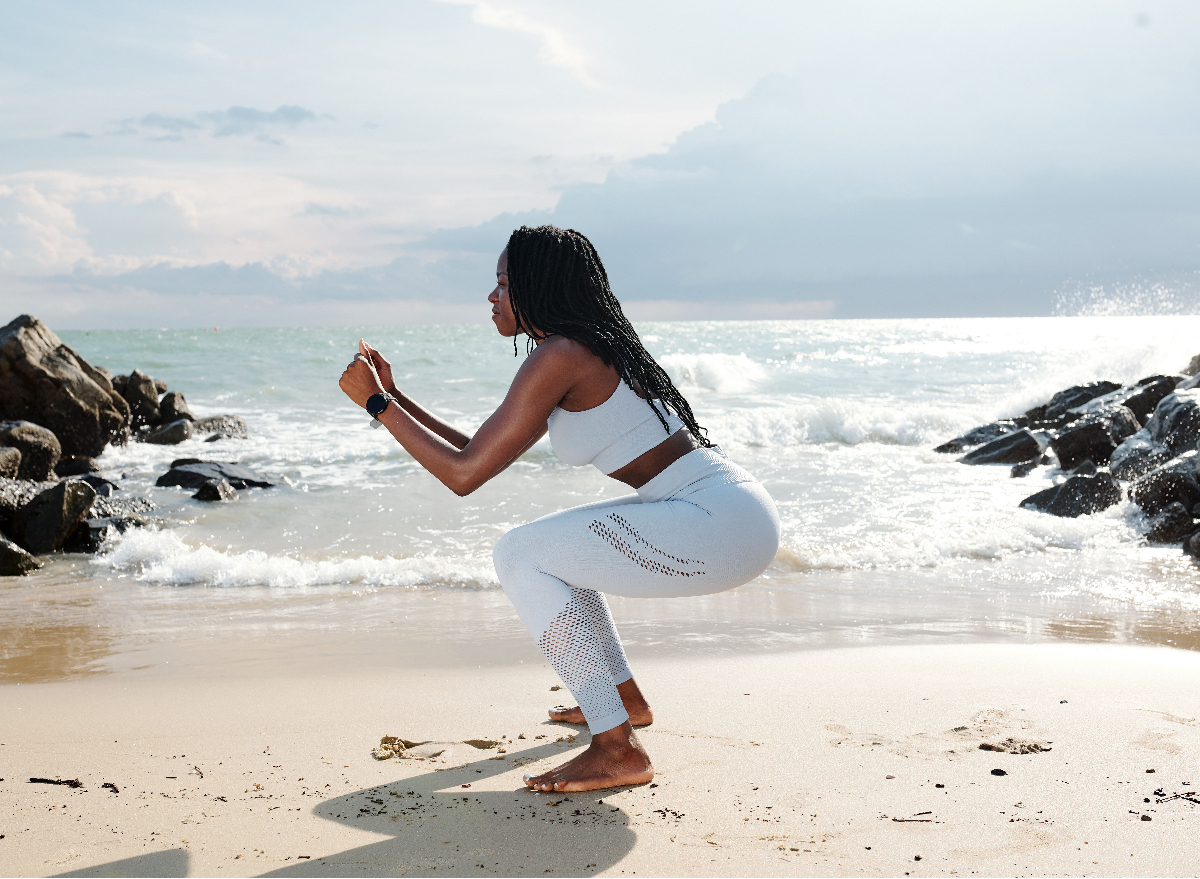
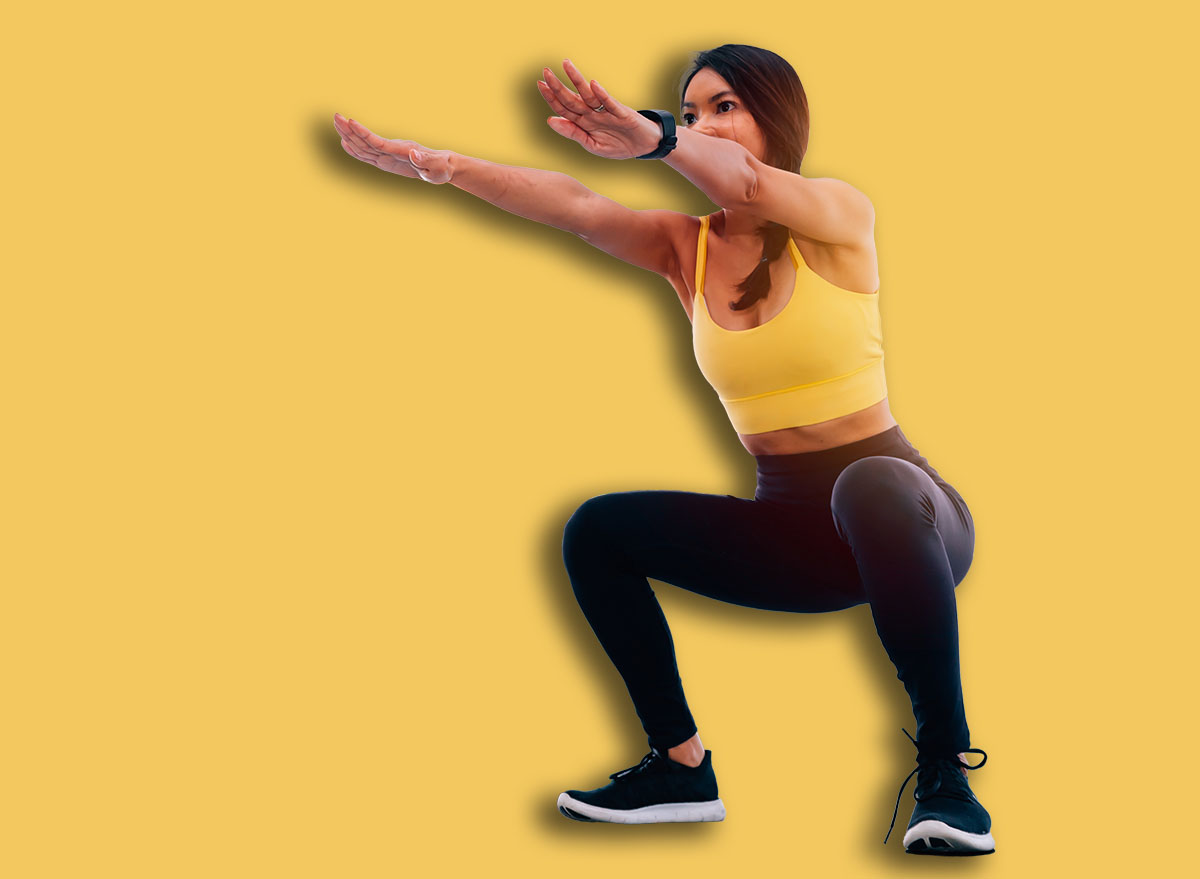
This exercise is a sophisticated adaptation of the Pilates hollow body principle, transposed into an upright position. Begin by standing tall with feet hip-width apart. Engage your core by drawing your naval towards your spine, creating a "hollow" sensation in your lower abdomen. Maintain this core engagement as you slowly lower into a deep squat, simultaneously reaching your arms forward or overhead. As you return to standing, lift your heels off the ground, balancing on the balls of your feet. Page explains that "keeping the hollow position standing forces your deep stabilizers to fight gravity every second, while lifting the heels challenges your core." This movement targets the transverse abdominis, glutes, and quadriceps, while the balance component significantly enhances proprioception and deep core stability, which are critical for fall prevention. The deep squat also promotes hip mobility, another key aspect of functional aging. -
High Knee Twist With Extension:
Visualize the mechanics of a bicycle crunch, but executed vertically. Stand with your feet hip-width apart. As you lift one knee towards your chest, simultaneously twist your torso to bring the opposite elbow towards that knee. Extend the lifted leg backward while twisting your torso back to the starting position, maintaining control. Page suggests, "To make it harder, lift your knee higher than hip height and/or hold your arms overhead." This dynamic exercise is excellent for improving rotational core strength and anti-rotational stability. It engages the obliques, rectus abdominis, and hip flexors, enhancing coordination and balance, which are crucial for dynamic movements in daily life. The extension phase also works the glutes and hamstrings, making it a compound, full-body movement. -
Lateral Side Crunch:
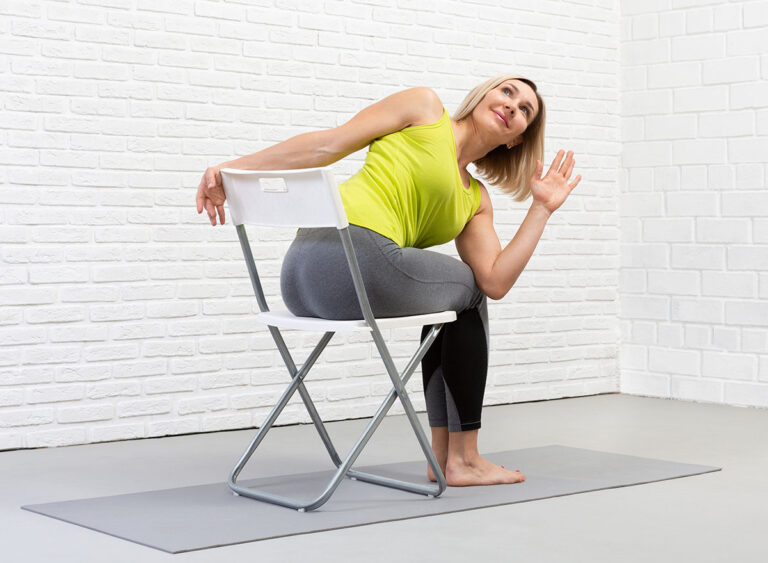
This exercise focuses on the oblique muscles, vital for side-to-side stability and rotational power. Stand tall, engaging your core. Lift one leg out to the side while simultaneously bending your torso laterally, bringing the elbow of the same side towards the lifted leg. Imagine a string pulling your hip and elbow closer together. "To make it harder," Page advises, "keep the leg lifted the whole interval. Your obliques will file a complaint." This continuous tension amplifies the challenge, effectively targeting the obliques, hip abductors, and stabilizers. It significantly improves lateral stability, which is essential for walking, changing direction, and preventing trips and falls. The balance required also strengthens the intrinsic foot and ankle muscles. -
Woodchop Squat and Twist:
The woodchop is a powerful, multi-planar movement that mimics everyday activities like lifting and twisting. Begin with feet shoulder-width apart, holding a light weight (or clasped hands) above one shoulder. As you squat down, powerfully "chop" the weight diagonally across your body towards the opposite knee, rotating your torso. Then, with control, reverse the motion to return to the starting position. Page highlights that "blending speed and control challenges your core’s ability to remain stable under shifting loads." This exercise powerfully engages the entire core—obliques, transverse abdominis, and rectus abdominis—along with the glutes, quadriceps, and shoulders. It builds rotational power and anti-rotational stability, crucial for tasks requiring twisting and lifting, while the squat component enhances lower body strength. -
Med Ball Slam:
For those seeking an explosive, full-body core challenge, the medicine ball slam is an excellent option. Stand with feet shoulder-width apart, holding a medicine ball overhead. Generate power from your core and glutes, slamming the ball down to the ground directly in front of you. Catch the rebound (if applicable for your ball type) or pick it up and repeat. Gilbert emphasizes that "The benefits of this exercise include combining strength training and cardio while working the core. The med ball slam improves stability and power while engaging deep abs and glutes, with a full-body movement." This exercise is a metabolic powerhouse, elevating heart rate while building explosive core strength, glute power, and overall body coordination. It targets the rectus abdominis, obliques, transverse abdominis, glutes, and shoulders, making it a highly efficient movement for calorie expenditure and functional power. Always ensure proper form and use an appropriate weight to prevent injury, especially for older adults.
A Holistic Approach to Abdominal Wellness
While these standing exercises are incredibly effective, it is crucial to understand that no single approach can magically eliminate abdominal fat. Sustainable reduction of midsection adiposity requires a comprehensive strategy that integrates these targeted movements with other vital lifestyle components. Nutritional choices play an equally significant role; prioritizing a diet rich in whole foods, lean proteins, healthy fats, and ample fiber, while reducing processed foods, refined sugars, and excessive calories, is fundamental. Adequate hydration, consistent sleep, and effective stress management techniques also profoundly impact hormonal balance and metabolic function, directly influencing how the body stores and utilizes fat.
Before embarking on any new exercise regimen, particularly after the age of 55, it is always advisable to consult with a healthcare professional or a certified fitness expert. They can provide personalized guidance, assess individual health conditions, and recommend modifications to ensure safety and maximize the benefits of your fitness journey.
By embracing a proactive and holistic approach that includes these expertly recommended standing core exercises, adults over 55 can significantly enhance their abdominal health, improve functional fitness, and ultimately contribute to a more vibrant and active lifestyle. The journey to a stronger, more stable core is not just about aesthetics; it’s about investing in long-term health and independence.
About the Author