As individuals progress beyond their fifth decade, maintaining robust core strength and a defined midsection presents unique challenges and opportunities. While the pursuit of a slimmer waistline often centers on aesthetic desires, the underlying importance of a strong, functional core extends profoundly into overall health, mobility, and quality of life for older adults. Conventional abdominal training methods, often relying on complex gym equipment or floor-based movements, can sometimes pose barriers, either due to discomfort, accessibility issues, or insufficient activation of the core musculature in a truly functional manner. However, a pragmatic and highly effective approach lies in the realm of seated core exercises, which leverage the stability of a chair to isolate and fortify the abdominal region, improve posture, and contribute to a more sculpted physique.
The human core is far more intricate than just the superficial "six-pack" muscles. It comprises a deep network of muscles including the transverse abdominis, rectus abdominis, obliques (internal and external), multifidus, erector spinae, and the pelvic floor, all working synergistically to stabilize the spine, pelvis, and hips. This integrated system is fundamental for virtually every movement, from walking and lifting to maintaining balance and proper posture. With age, several physiological changes can impact core integrity. Sarcopenia, the age-related loss of muscle mass and strength, naturally affects core muscles. Sedentary lifestyles, common among older adults, further exacerbate this decline, leading to weakened abdominal walls, diminished spinal support, and often, an increased propensity for abdominal fat accumulation and a noticeable "waist overhang." This decline can manifest as chronic lower back pain, impaired balance, and a reduced capacity for daily activities, highlighting the critical need for targeted core interventions.
Traditional abdominal machines, despite their promises, often guide the body through a fixed, singular plane of motion. This constrained movement can limit the dynamic stabilization and synergistic activation that the core truly requires. The core’s primary roles involve resisting movement, controlling rotation, and stabilizing the trunk through varied positions—functions often underserved by restrictive equipment. In contrast, a simple chair acts as a stable base, removing the need for significant lower body stabilization and allowing a concentrated focus on engaging the deeper core muscles. This strategic advantage makes seated exercises exceptionally joint-friendly, minimizing strain on the hips, knees, and lumbar spine, which are common areas of discomfort or injury in older populations. By reducing this joint stress, individuals can train more consistently and intensely without the fear of setbacks, fostering a sustainable exercise habit.
One of the most compelling benefits of chair-based core training for adults over 50 is its unparalleled accessibility. These exercises can be performed almost anywhere—at home, in the office, or even while traveling—without specialized equipment or a change of attire. This low barrier to entry significantly enhances adherence and consistency, which are arguably the most crucial factors in achieving long-term fitness outcomes. Frequent, high-quality movement, even in short bursts, accumulates substantial benefits over time, often surpassing the impact of sporadic, intense gym sessions. For many older adults, this consistent, manageable approach is the missing link to effectively addressing stubborn abdominal adiposity and enhancing overall core functionality.
Let’s delve into a series of five highly effective chair-based movements, designed by fitness professionals, that comprehensively target the core from multiple angles, promoting better posture, increased stability, and a more toned midsection. Each exercise emphasizes controlled movement and mindful engagement, making them suitable for progression as strength develops.
1. Seated March and Hold: Enhancing Dynamic Core Stability
This exercise is a fundamental builder of core stability, particularly vital for improving balance and coordination during everyday ambulation. It challenges the deep abdominal muscles to stabilize the torso while the lower limbs move independently. The brief hold at the peak of the march intensifies muscle activation, compelling the core to work harder than during a faster, continuous movement. This direct carry-over to walking and other daily tasks underscores its functional importance. Over time, enhanced stability contributes not only to a firmer waistline but also significantly reduces the risk of falls, a major concern for older adults.
- Muscles Engaged: Primarily targets the transverse abdominis and obliques for stabilization, along with the rectus abdominis and hip flexors.
- Execution Focus: Maintain an upright, elongated posture, as if balancing an object on your head. Lift one knee towards your chest, hold briefly, then slowly lower. Alternate legs.
- Progression: Increase hold duration, perform with arms crossed over the chest to reduce upper body assistance, or introduce a slow, deliberate tempo.
- Guidelines: Aim for 3 sets of 10-12 repetitions per side, with 40 seconds rest between sets.
2. Seated Knee Tucks: Fortifying the Lower Abdominals and Pelvic Control
Seated knee tucks are specifically designed to engage the lower abdominal region, teaching these muscles to actively control leg movements, which directly influences the reduction of abdominal protrusion. Furthermore, this exercise reinforces proper pelvic control, a function often compromised by prolonged sitting and age-related muscular imbalances. By maintaining a tall upper body, the core is compelled to stabilize against slouching, leading to improved posture and, consequently, a more streamlined appearance of the waist.
- Muscles Engaged: Primarily targets the rectus abdominis (especially lower fibers) and transverse abdominis, with significant involvement of the hip flexors and obliques.
- Execution Focus: Sit tall, engage your core, and pull both knees towards your chest, maintaining spinal neutrality. Avoid leaning back excessively.
- Progression: Perform single-leg knee tucks for increased challenge, extend legs further before tucking, or use a slower tempo to maximize time under tension.
- Guidelines: Complete 3 sets of 10-15 repetitions, resting 45 seconds between sets.
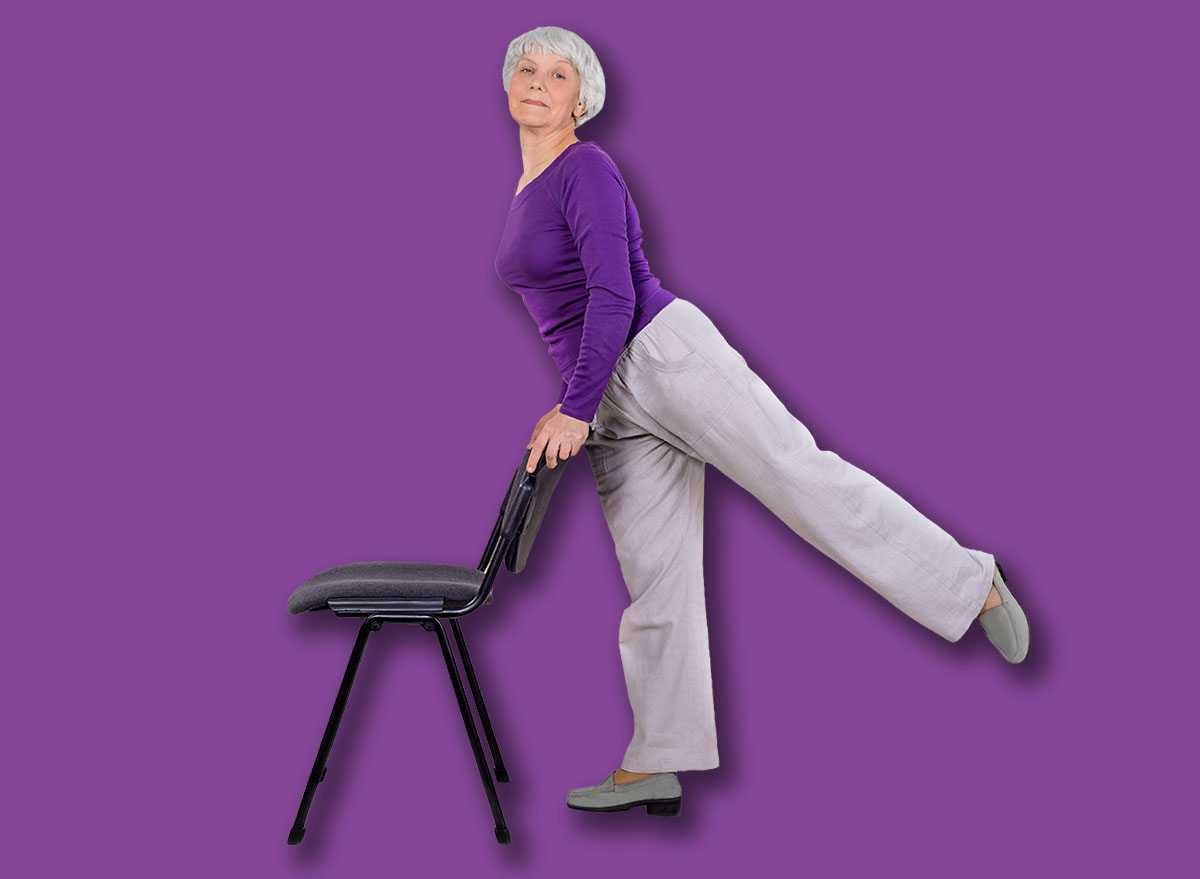
3. Seated Leg Extensions with Hold: Building Deep Core Endurance and Hip-Core Coordination
While seemingly simple, the inclusion of a sustained hold transforms the seated leg extension into a potent core exercise. As the legs extend away from the body’s center of mass, the abdominal muscles must powerfully brace to maintain an upright, stable torso. This action effectively builds endurance in the deep core muscles, crucial for flattening the front of the waistline. Additionally, it refines the critical coordination between the hip flexors and the core, which is essential for fluid and controlled movement.
- Muscles Engaged: Primarily activates the transverse abdominis and rectus abdominis for stabilization, alongside the hip flexors and quadriceps for leg movement.
- Execution Focus: Extend one leg straight out, holding it parallel to the floor for a few seconds before returning. Crucially, resist the urge to lean backward as the leg lifts.
- Progression: Experiment with double-leg extensions, prolong the hold duration, or alternate between fast and slow tempo repetitions.
- Guidelines: Perform 3 sets of 10 repetitions per side, with 45 seconds rest between sets.
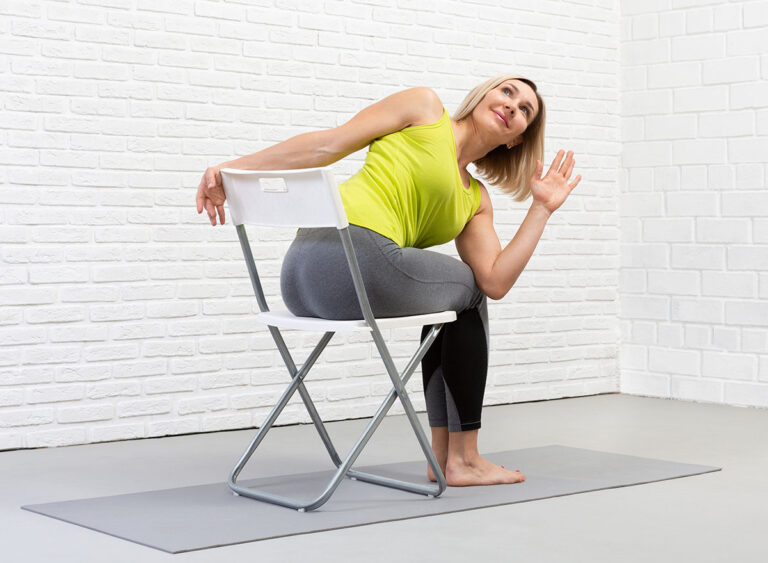
4. Seated Oblique Lean: Sculpting the Sides of the Waist and Enhancing Lateral Stability
The seated oblique lean specifically targets the lateral muscles of the core, the obliques and quadratus lumborum, which are instrumental in shaping and tightening the sides of the waist. This controlled, deliberate movement educates the core in managing lateral flexion, contributing to a smoother and more defined waistline. Its slow and controlled nature makes it gentle on the spine while delivering a robust challenge to the abdominal muscles, an ideal combination for adults over 50.
- Muscles Engaged: Primarily targets the internal and external obliques, transverse abdominis, quadratus lumborum, and spinal stabilizers.
- Execution Focus: Lean slowly to one side, imagining your ribs drawing down towards your hip, then return to center. Maintain a stable lower body.
- Progression: Increase the range of motion, introduce a brief pause at the end of the lean, or hold a light weight to increase resistance.
- Guidelines: Aim for 3 sets of 10-14 repetitions (total, alternating sides or completing one side then the other), resting 45 seconds between sets.
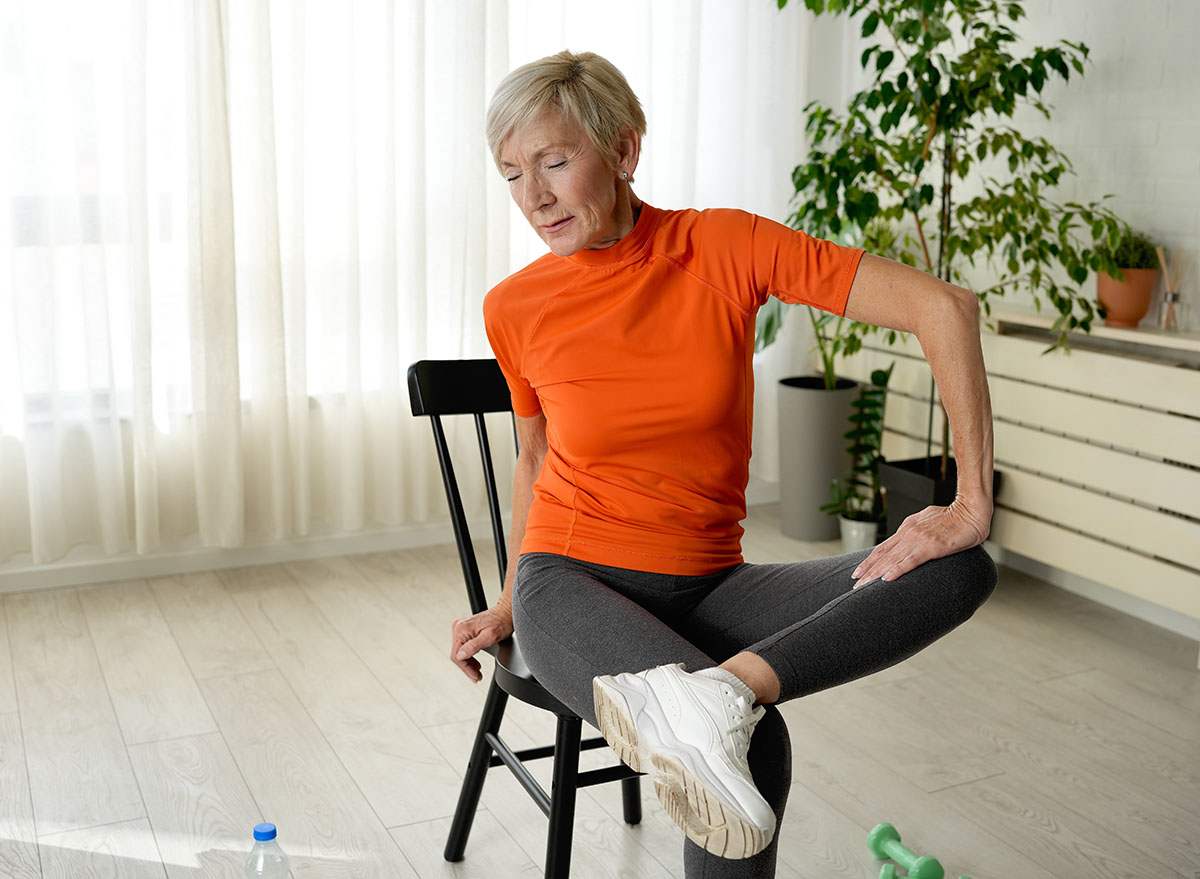
5. Seated Cross-Body Crunch: Mastering Rotational Control and Oblique Power
Rotational stability and control are often among the first functional capacities to diminish without consistent engagement. The seated cross-body crunch directly addresses this by intensely targeting the obliques, the primary muscles responsible for twisting movements of the torso. The seated position cleverly deactivates the lower body, ensuring that the core muscles, particularly the obliques, are solely responsible for initiating and controlling the rotation. This exercise effectively "wakes up" muscles that might be neglected by more linear training methods.
- Muscles Engaged: Strongly activates the obliques, alongside the rectus abdominis, transverse abdominis, and spinal stabilizers.
- Execution Focus: Rotate your torso, bringing one elbow towards the opposite knee. Ensure the rotation originates from your trunk, not just your shoulders.
- Progression: Employ a slower tempo for increased muscle engagement, use a light medicine ball for weighted resistance, or incorporate alternating holds at the peak of the crunch.
- Guidelines: Complete 3 sets of 8-12 repetitions per side, resting 45 seconds between sets.
Beyond these specific exercises, a comprehensive approach to achieving a stronger, more defined midsection after 50 involves several broader strategies. Consistency in movement, as highlighted earlier, is paramount. Integrating these chair exercises regularly throughout the week, perhaps rotating them daily or every other day, will yield superior results compared to infrequent, intense sessions.
Furthermore, a holistic lifestyle supports core health. Nutritional choices play a critical role; a balanced diet rich in lean protein, whole grains, fruits, and vegetables helps manage overall body fat, which is essential for revealing underlying muscle definition. Adequate hydration and mindful portion control are also key. Lifestyle factors such as stress management and sufficient, restorative sleep are equally important, as chronic stress can elevate cortisol levels, contributing to abdominal fat storage. Finally, maintaining an active general lifestyle, incorporating walking, gardening, or other forms of moderate physical activity, complements targeted core work by keeping the body engaged and metabolism active.
In conclusion, enhancing core strength and achieving a more defined waistline for adults over 50 is an attainable goal through strategic, accessible exercise. Seated core routines offer a powerful, joint-friendly, and highly consistent pathway to functional fitness, contributing not only to aesthetic improvements but profoundly boosting balance, posture, and overall vitality. By embracing these targeted movements and integrating them into a comprehensive wellness strategy, individuals can unlock significant improvements in their physical capabilities and long-term health.
About the Author