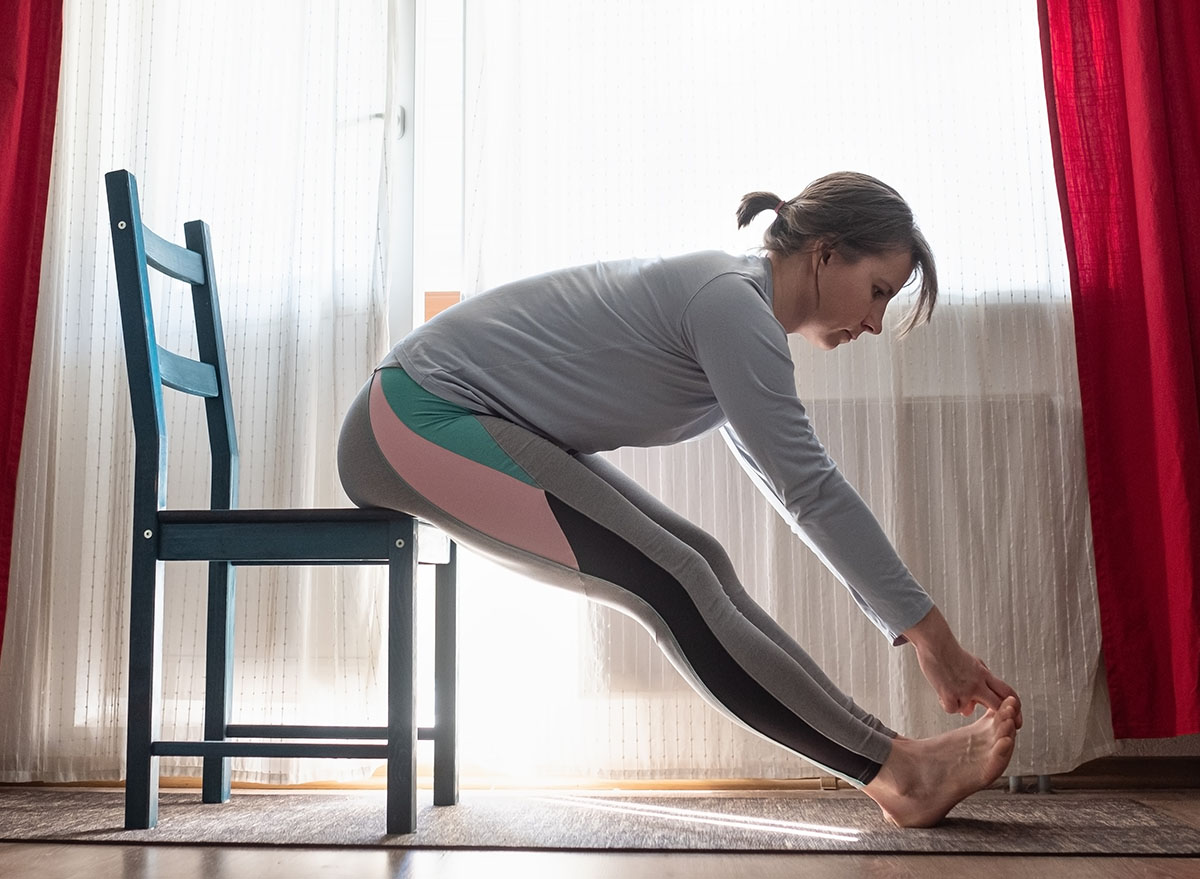
Maintaining robust core strength becomes increasingly pivotal as individuals age, directly influencing balance, posture, and overall functional independence. While traditional exercises like planks are widely recognized for their efficacy in core development, they often present accessibility challenges for adults over the age of sixty due to considerations such as joint strain, mobility limitations, or the inherent difficulty of getting down to and up from the floor. A growing body of expert opinion, including insights from wellness advocate Eric North, suggests that a targeted, chair-based exercise regimen can offer a safer, more accessible, and equally effective pathway to rebuilding crucial core stability for this demographic. This innovative approach integrates seamlessly into daily life, requiring minimal equipment and a commitment of just seven minutes.
The core musculature, frequently referred to as the body’s central powerhouse, encompasses a complex network of muscles including the rectus abdominis, obliques (internal and external), transverse abdominis, erector spinae, multifidus, and the pelvic floor. These muscles collaborate to stabilize the spine, pelvis, and torso, acting as a vital link between the upper and lower body. A strong core is not merely about aesthetic appeal; it underpins nearly every movement we make, from bending and twisting to lifting and walking. It plays a critical role in supporting good posture, preventing lower back pain, and enabling efficient force transfer throughout the body. For older adults, its importance is amplified, serving as a primary defense against falls, a key factor in maintaining equilibrium, and a facilitator of everyday tasks that contribute to an independent lifestyle.
As individuals progress through their later years, natural physiological changes can impact core strength and stability. Sarcopenia, the age-related loss of muscle mass and strength, affects all muscle groups, including those of the core. Bone density may also decrease, making spinal health even more dependent on muscular support. These changes can lead to a compromised sense of balance, increased susceptibility to falls, and a heightened risk of chronic back pain. Therefore, engaging in regular, appropriate core-strengthening exercises is not just beneficial but essential for mitigating these age-related declines and preserving a high quality of life. The challenge lies in finding exercise modalities that are both effective and safe for varying fitness levels and physical conditions prevalent in this age group.
This is precisely where chair-based workouts emerge as a transformative solution. Their inherent design addresses many of the barriers associated with conventional floor exercises. By utilizing a stable chair as a support system, participants can perform movements with enhanced stability, reducing the fear of falling and minimizing strain on vulnerable joints like knees, wrists, and shoulders. This increased accessibility fosters greater consistency in exercise adherence, a critical factor for long-term physiological improvements. Eric North, known as The Happiness Warrior and a prominent voice in redefining purposeful aging, underscores the significant advantages of this method. He explains that a concise, chair-supported routine can surpass the effectiveness of planks for individuals over 60 primarily because it offers unparalleled accessibility, safety, and direct application to functional movements. This design ensures more consistent and accurate muscle engagement without the physical demands of transitioning to the floor or sustaining a static, often challenging, hold.
North further elaborates on the rationale behind advocating for chair workouts. While planks are excellent for building isometric strength, they require a certain baseline of physical capability that may not be universally present among older adults. The form required for a plank can be difficult to maintain, leading to compensatory movements that place undue stress on the lower back or shoulders. In contrast, chair exercises can be meticulously adapted to individual needs. The chair itself provides a stable base, allowing for focused activation of core muscles without the need to manage complex body positions. This adaptation minimizes physical barriers, enabling older adults to engage in movements that directly enhance real-world functions. The emphasis shifts from static holds to dynamic, controlled motions that directly translate to improved posture, better balance, and greater independence in daily activities, such as standing up from a seated position, reaching for objects, or performing household chores. This targeted approach promotes deliberate muscle activation, enhancing neuromuscular control and overall bodily coordination.
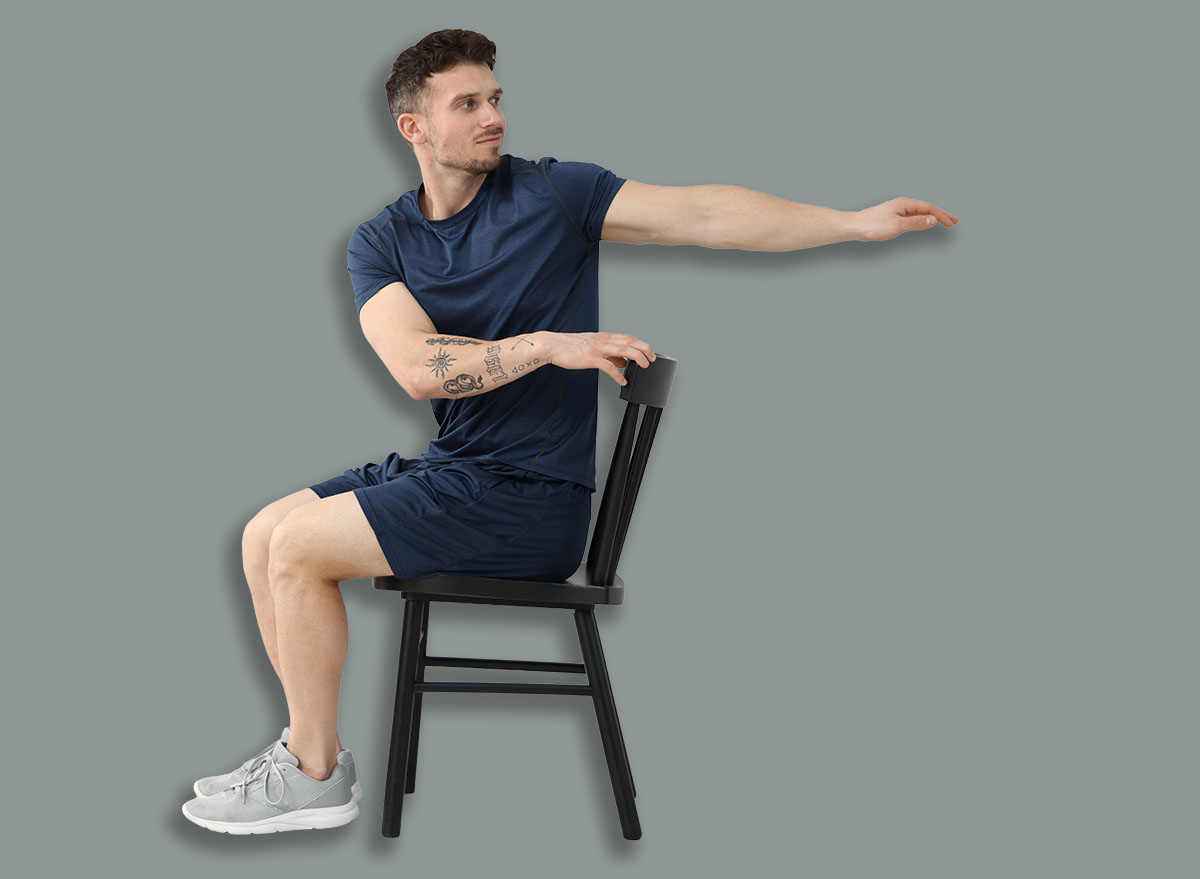
The seven-minute chair routine developed by Eric North is structured to engage multiple facets of the core musculature, promoting both strength and flexibility. Each exercise within the sequence is carefully chosen for its effectiveness and adaptability, ensuring a comprehensive workout that is both safe and challenging. It is advisable to perform each movement for approximately 45 seconds, followed by a 15-second transition or brief rest, to complete the entire sequence within the suggested timeframe.
-
Seated Knee Lifts: This exercise primarily targets the lower abdominal muscles and hip flexors. While seated tall with feet flat on the floor and hands gently resting on the chair sides for support, engage the core and slowly lift one knee towards the chest. Hold briefly at the peak of the movement, then gently lower the foot back to the starting position. Alternate legs, focusing on controlled motion rather than speed. This movement improves core stability and strengthens the muscles essential for walking and stair climbing.
-
Seated Bicycle Crunches: Engaging the obliques and rectus abdominis, this exercise also enhances coordination. From a seated position with hands lightly behind the head or crossed over the chest, lean back slightly while keeping the back straight and core engaged. Bring one elbow towards the opposite knee as it lifts towards the chest, mimicking a bicycle crunch. Return to the starting position and repeat on the other side. The chair provides support, allowing for a focused twist and crunch without strain on the lower back.
-
Seated Russian Twists: This dynamic exercise focuses on rotational strength and spinal mobility, primarily working the obliques. Sit towards the front edge of the chair with feet flat. Hold hands together in front of the chest or extend them forward. Keeping the core tight and back straight, slowly twist the torso to one side, feeling the engagement in the side abdominal muscles. Return to the center with control and repeat on the opposite side. This movement is crucial for daily tasks involving twisting and reaching.
-
Heel and Toe Taps: While seemingly simple, this exercise significantly enhances proprioception and requires subtle core stabilization. Seated upright, alternate tapping the heel and then the toe of each foot on the floor. The core must remain engaged to maintain a stable upper body as the legs perform these small, controlled movements. This improves circulation in the lower limbs and sharpens the neural pathways for balance and foot dexterity, indirectly supporting overall stability.
-
Chair Sit-to-Stands: This foundational functional exercise strengthens the legs, glutes, and profoundly engages the deep core muscles for stability during transition. Sit towards the front of a sturdy chair with feet hip-width apart. Lean slightly forward, push through the heels, and stand up completely without using hands if possible. Slowly and with control, lower back down to the chair, ensuring the movement is guided by leg and core strength. This exercise directly translates to improved independence in daily activities.

-
Seated Side Bends: Targeting the obliques and promoting spinal flexibility, this movement improves lateral trunk strength. Sit tall with feet flat. Place one hand on the side of the chair or on the thigh for support. Slowly lean to the opposite side, reaching the free arm overhead or down the side of the chair, feeling a gentle stretch along the side of the torso. Return to the center and repeat on the other side. This enhances posture and flexibility.
-
Cool-Down Stretch: Concluding the routine with a gentle stretch is vital for flexibility and muscle recovery. A common stretch involves sitting tall, gently bringing one knee towards the chest, hugging it, and then extending the leg straight out, flexing the foot. Another option is a gentle seated spinal twist or a side bend, holding each stretch for 20-30 seconds. This helps to lengthen the muscles worked and improve overall range of motion.
Beyond the immediate physical benefits of a stronger core, engaging in a regular chair-based fitness routine can significantly contribute to overall well-being. Increased physical activity is linked to improved mood, enhanced cognitive function, and better sleep quality. For older adults, the psychological boost derived from maintaining independence and proactively managing their health cannot be overstated. The accessibility of chair exercises also means they can be performed in various settings, from home to community centers, potentially fostering social engagement if done in a group setting.
Before embarking on any new exercise program, particularly for individuals over 60, it is always recommended to consult with a healthcare professional. Listening to one’s body and modifying exercises as needed are paramount to prevent injury and ensure a positive experience. Selecting a stable, armless chair without wheels is crucial for safety. Consistency, even for just seven minutes daily, will yield the most significant results. This chair-based approach to core fitness represents a powerful, accessible tool in the pursuit of healthy, active aging, empowering older adults to build strength, enhance balance, and sustain their independence for years to come.
About the Author