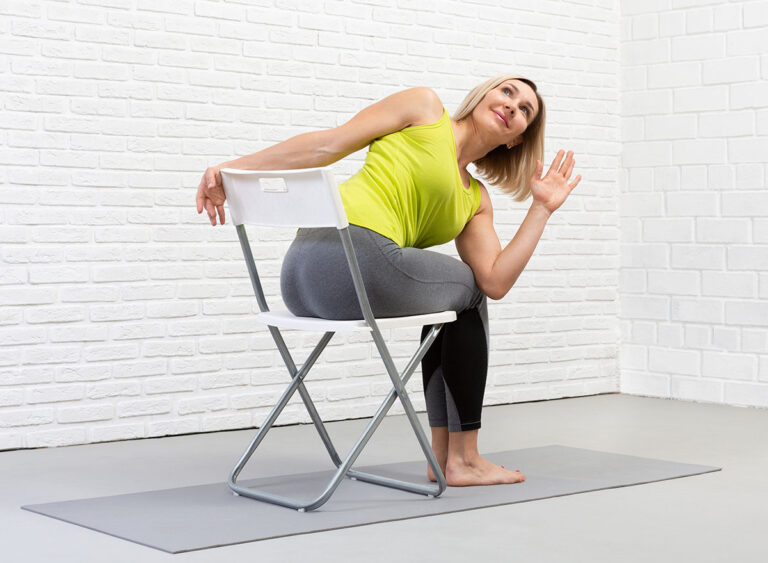
Maintaining robust core strength transcends mere aesthetic goals, becoming an indispensable pillar of health, functional independence, and overall well-being, particularly as individuals progress beyond the age of 55. While traditional abdominal exercises performed on the floor have their place, a growing body of fitness expertise champions the unique advantages of standing core work. These movements, by their very nature, compel the abdominal musculature to stabilize the body against gravity and external forces, mirroring the demands of everyday activities far more closely than supine alternatives. This approach not only sculpts the midsection but profoundly enhances balance, posture, and the metabolic health critical for graceful aging.
The human core is an intricate network of muscles, including the rectus abdominis, obliques, transverse abdominis, and lower back muscles, designed primarily for spinal support and stability during upright movement. Every action, from lifting a grocery bag to ascending stairs, bending, or simply standing still, necessitates the active engagement of these deep stabilizing muscles. Steve Chambers, a Senior Certified Personal Trainer and Gym Manager at Ultimate Performance, emphasizes this foundational principle. "Your core exists to stabilize your body while you are upright," Chambers explains. "Walking, lifting, bending, carrying shopping, getting up from a chair etc.—all of these require your abdominal muscles to work while you’re standing. The simple act of standing already demands core activation. Once you start adding load, movement, and instability, the demand on your abs increases dramatically. This is why standing core exercises are so powerful. They force your abdominal muscles to brace, stabilise, rotate, resist movement, and support your spine in real-world positions." This perspective underscores why incorporating standing movements into a fitness regimen is not just beneficial but essential for fostering functional strength that directly translates to an improved quality of life.
For those over 55, the physiological landscape shifts, bringing specific challenges such as sarcopenia (age-related muscle loss), osteoporosis (decreased bone density), and a natural decline in balance and coordination. These changes amplify the importance of a comprehensive exercise strategy that prioritizes muscle preservation, bone health, and neuromuscular control. Standing core exercises directly address these concerns, offering a multi-faceted approach to fitness. Unlike isolated movements often performed on gym machines, standing exercises engage multiple muscle groups simultaneously, fostering greater caloric expenditure and building a more resilient, integrated physique. Furthermore, the capacity for progressive overload—gradually increasing the intensity, duration, or resistance of an exercise—is more readily integrated into standing routines by adding weight or increasing time under tension. Chambers highlights the critical role of this principle: "That progressive overload is essential if you want your muscles, especially your abs, to actually change. After 55, this approach becomes even more important. You’re not just training for appearance as you might have done in your 20s and early 30s. Instead, you’re training for strength, balance, posture, metabolic health, and longevity. Standing core exercises deliver all of that in one package."
It is crucial to clarify a persistent misconception: the notion of "spot reduction," or targeting fat loss in a specific body area, is a physiological impossibility. While specific exercises can strengthen and tone underlying muscles, the reduction of adipose tissue occurs systemically across the entire body through a sustained caloric deficit. As Chambers succinctly states, "Doing hundreds of crunches will not reduce the fat across your midsection unless your diet supports fat loss, which means eating in a calorific deficit." However, standing core exercises play a pivotal role in the overall strategy for reducing abdominal fat. By building lean muscle mass, these movements elevate the body’s resting metabolic rate, meaning more calories are burned even at rest. Concurrently, they strengthen the muscles that encase the midsection, contributing to a firmer, more defined appearance as overall body fat diminishes. This dual benefit of increased metabolism and improved muscular definition makes them exceptionally effective components of a holistic fat loss program.
Here are five standing exercises that offer significant advantages for core strength, metabolic health, and functional fitness, particularly for individuals over 55:
1. Farmer’s Walk:
Often overlooked in conventional fitness programs, the farmer’s walk is an exceptionally potent exercise for developing full-body strength, grip endurance, and, crucially, core stability. This deceptively simple movement involves holding a heavy dumbbell or kettlebell in each hand and walking a specified distance. The challenge lies in maintaining an upright posture against the gravitational pull of the weights, which forces intense activation of the core musculature. The abdominal muscles, obliques, and lower back engage synergistically to prevent lateral flexion or rotation of the torso, keeping the spine neutral and stable. Chambers underscores its comprehensive benefits: "Farmer’s walks heavily recruit the abdominals, obliques, lower back, shoulders, and grip, all the while driving up your heart rate. That combination of muscular tension and cardiovascular demand makes them incredibly effective for fat loss." Beyond core engagement, the farmer’s walk strengthens the shoulders and traps, improves grip strength—a key indicator of overall health and longevity—and elevates cardiovascular demand, contributing to a significant caloric expenditure. For older adults, this exercise directly enhances functional strength for tasks like carrying groceries, improves balance, and reinforces postural integrity.
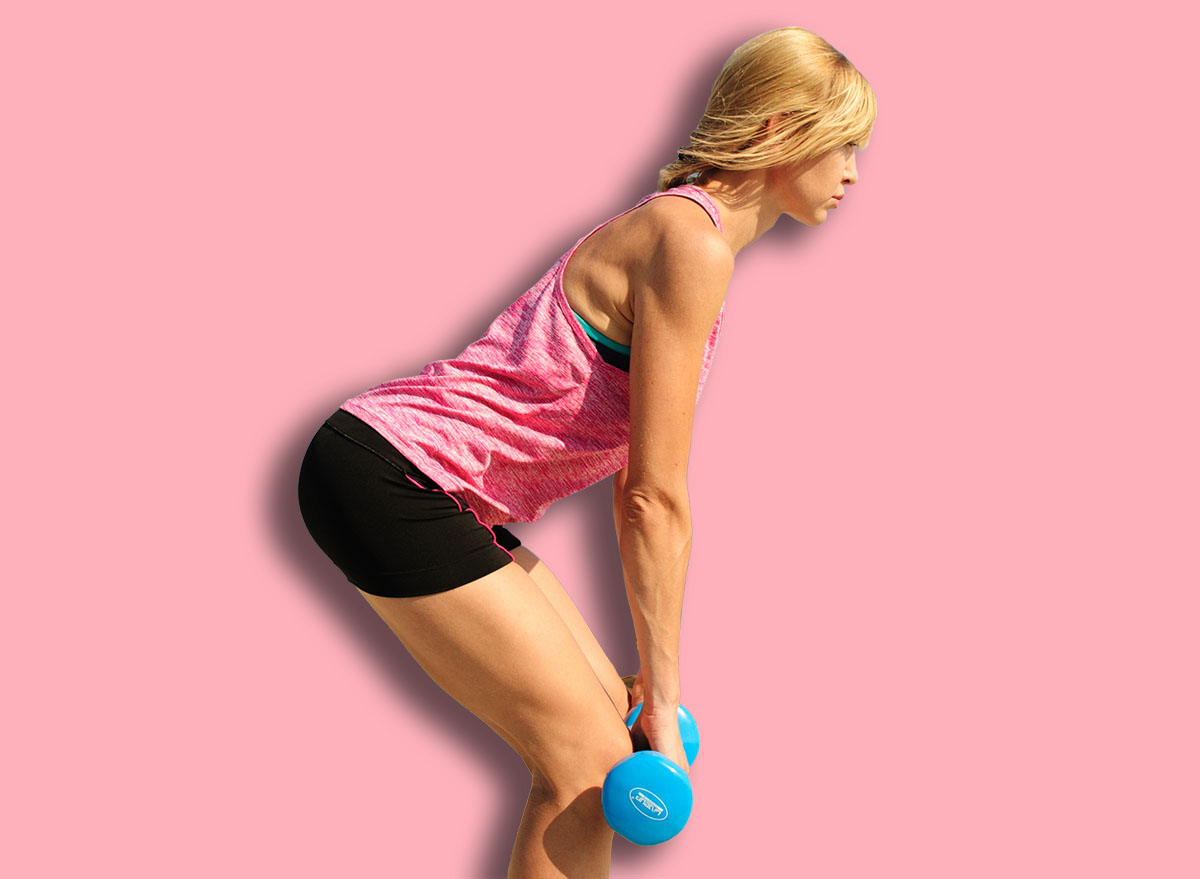
2. Deadlifts:
While frequently categorized as a leg or back exercise, the deadlift stands as one of the most powerful full-body movements for core development. It demands immense bracing and stabilization from the entire trunk to protect the spine throughout the lift. From the initial pull off the floor to the lockout at the top, the abdominals and obliques work intensely to create intra-abdominal pressure, a natural corset that supports the lumbar spine. This rigid core activation is paramount for safely and effectively generating force from the lower body. Chambers affirms its core-building prowess, stating, "Every repetition requires your abdominals and obliques to brace hard to protect your spine while your lower body generates force, and will improve your posture (which is a big concern as you get older)." For individuals over 55, deadlifts offer multifaceted benefits. They are instrumental in combating sarcopenia by stimulating significant muscle growth across the posterior chain (glutes, hamstrings, back), which often weakens with age. Furthermore, the weight-bearing nature of deadlifts contributes to increased bone mineral density, a critical defense against osteoporosis. The metabolic demand generated by lifting heavy loads also boosts calorie burn, aiding in overall fat reduction. A stronger posterior chain and core directly translate to improved posture, reduced back pain, and enhanced ability to perform daily lifting tasks with greater ease and safety.
3. Squats:
Squats are a fundamental human movement pattern and an indispensable exercise for building lower body strength and core stability. As a compound exercise, squats engage a vast array of muscles, including the quadriceps, hamstrings, glutes, and, significantly, the core. Throughout the descent and ascent phases of a squat, the core muscles are relentlessly activated to maintain an upright torso, prevent spinal flexion, and ensure balance. This continuous bracing action turns the squat into an exceptional tool for strengthening the entire midsection. Chambers advises on maximizing this core benefit: "One of the most effective ways to maximize the core benefit of squats is to focus on bracing. In other words, taking a deep breath, tightening your midsection, and maintaining tension throughout the movement. This turns the squat into a powerful core-strengthening tool as well as a calorie-burning exercise." For those over 55, squats are foundational for maintaining functional independence. They improve leg strength necessary for climbing stairs, standing up from a chair, and walking. By challenging balance and proprioception, they contribute to fall prevention. Like deadlifts, squats are a weight-bearing exercise that promotes bone health and can significantly contribute to preserving muscle mass, thereby supporting a higher resting metabolism and facilitating fat loss.
4. Dumbbell Side Bends:
Unlike many traditional floor-based exercises that target the obliques, dumbbell side bends allow for the safe and effective use of external load, making progressive overload a realistic and powerful option. This exercise directly engages the oblique muscles—both internal and external—which are responsible for lateral flexion of the spine and torso rotation. By holding a dumbbell in one hand and bending to the side, the obliques on the opposite side work eccentrically to control the movement, then concentrically to return to the upright position. Chambers highlights their efficacy: "Side bends are an excellent way to directly target the obliques and the deep muscles that support the spine. Unlike many floor-based oblique exercises, side bends allow you to use meaningful load, making progressive overload possible." For older adults, strong obliques are vital for spinal stability, especially during rotational movements or when carrying uneven loads. Maintaining muscle mass around the waist through exercises like side bends helps improve overall posture and provides crucial support for the spine, which can become more vulnerable with age. As body fat decreases through a caloric deficit, strengthened obliques contribute to a more defined and firm appearance of the midsection.
5. Standing Woodchops:
Standing woodchops are a dynamic, rotational exercise that effectively challenges the core in a multi-planar fashion, mimicking real-world movements more closely than many static core exercises. Performed with a cable machine, resistance band, dumbbell, or even bodyweight, this exercise involves a powerful diagonal motion from a high starting point to a low finish, engaging the entire core, shoulders, and upper back. The twisting motion under tension demands significant activation from the obliques, transverse abdominis, and rectus abdominis to control and produce the rotational force. Chambers explains, "Wood chops are another highly effective rotational movement. Performed with a cable, dumbbell, resistance band, or even bodyweight, they train the abs, obliques, shoulders, and upper back simultaneously. Because the movement pattern involves twisting under tension, wood chops challenge your core in ways that sit-ups and planks simply cannot." For individuals over 55, the benefits extend beyond just abdominal definition. This exercise improves rotational power, which is crucial for activities like swinging a golf club, throwing, or simply turning safely. It enhances dynamic stability and coordination, contributing to better balance and reducing the risk of falls. The integrated nature of the movement also provides a metabolic boost, aiding in overall energy expenditure and fat loss efforts.
In conclusion, integrating standing core exercises into a fitness regimen offers a holistic and highly effective strategy for strengthening the abdominal musculature, improving functional movement, and enhancing overall health, particularly for those over the age of 55. By focusing on movements that mimic daily life and allow for progressive overload, individuals can build a resilient core that supports better posture, balance, and a higher metabolic rate, ultimately contributing to a more active, independent, and vibrant life. While no exercise can magically eliminate fat from a specific area, these standing movements provide the muscular foundation and metabolic stimulus essential for a leaner, stronger, and healthier physique.
About the Author