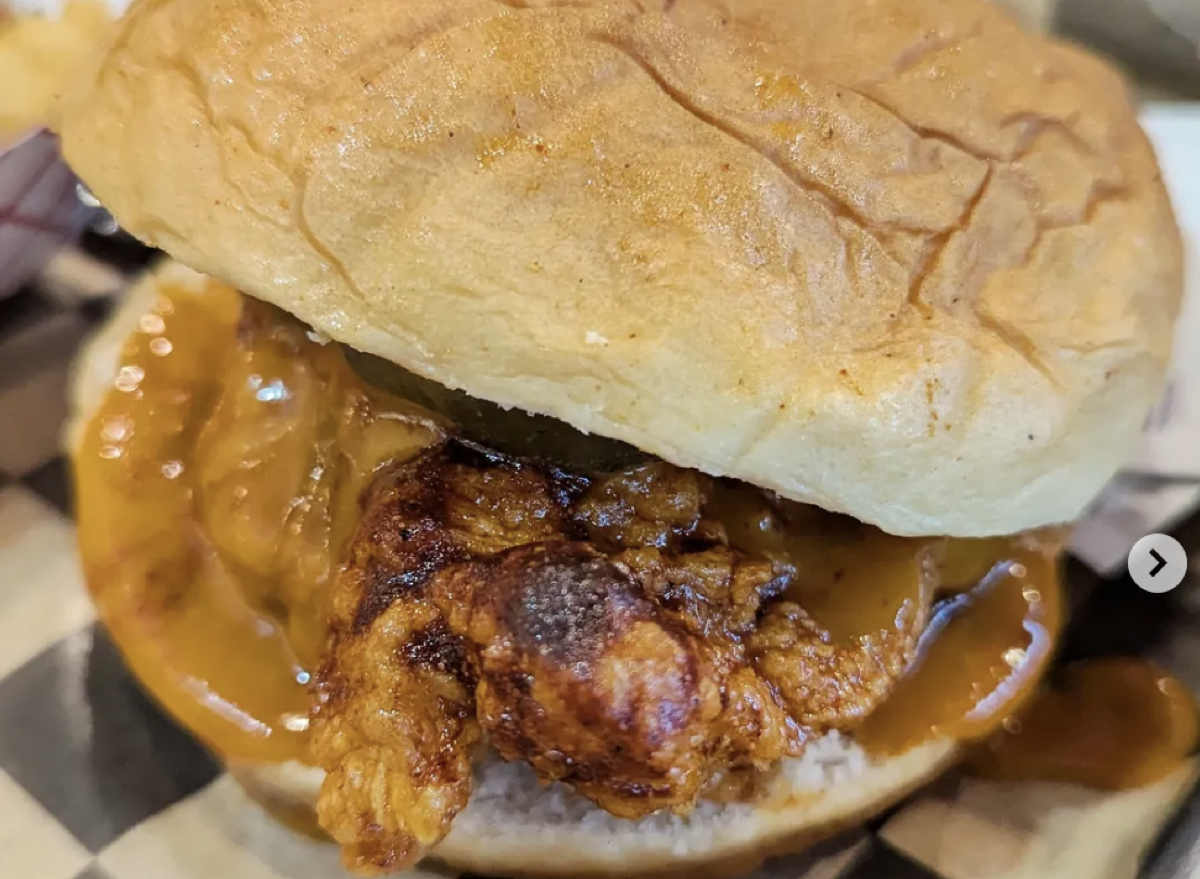
The American culinary landscape has witnessed a profound transformation over the past decade, marked by an insatiable public appetite for heat and bold flavors. At the forefront of this gastronomic shift stands spicy fried chicken, a dish that has transcended its humble origins to become a mainstream phenomenon across chain restaurants nationwide. What began as a regional specialty, particularly with the explosive popularity of Nashville-style hot chicken, has evolved into a diverse category, compelling eateries from fast-casual joints to established dining brands to innovate their menus with increasingly fiery options. This widespread adoption reflects a broader cultural embrace of piquant tastes, driven by adventurous diners seeking novel and intense sensory experiences.
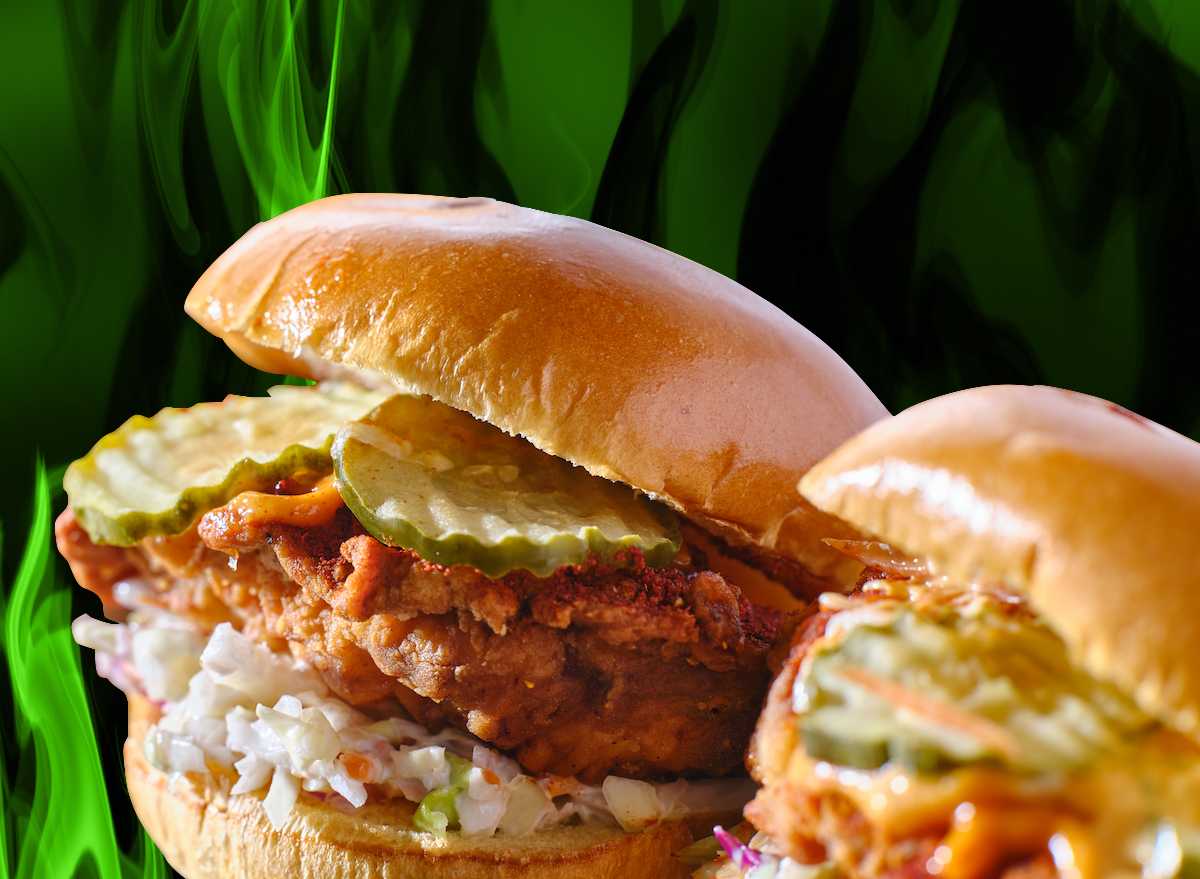
The roots of this modern spicy chicken craze can be firmly traced to Nashville, Tennessee, where the legendary Prince’s Hot Chicken Shack is credited with originating the dish nearly a century ago. The story, steeped in local lore, tells of Thornton Prince III, whose girlfriend, seeking revenge for his late-night escapades, doused his fried chicken with an excessive amount of cayenne pepper. Instead of discomfort, Prince found delight, and a culinary icon was born. This accidental innovation laid the groundwork for a distinct style characterized by its vibrant red hue, crispy texture, and a heat level that ranges from mild to scorching, often served with white bread and pickles to temper the inferno. Prince’s Hot Chicken, therefore, stands not merely as a restaurant but as a historical landmark, continuing to serve the authentic, time-honored recipe that defines the very essence of Nashville hot chicken. Its commitment to the original preparation, developed over a hundred years, ensures that each piece delivers a robust flavor profile alongside its formidable spice, consistently impressing patrons who attest to the succulence of its meat and the substantial portions. Customers frequently share anecdotes of being warned about the intense heat, a testament to the brand’s unwavering dedication to the dish’s fiery heritage.
Following in the footsteps of Prince’s, and instrumental in propelling Nashville hot chicken into the national consciousness, is Hattie B’s Hot Chicken. Since its inception in 2012, Hattie B’s has been a pivotal force in popularizing the spicy chicken style beyond its hometown borders. The establishment has garnered a significant following, often evidenced by lengthy queues of eager customers, all willing to wait for what many describe as an unparalleled fried chicken experience. The menu offers a spectrum of heat levels, allowing diners to customize their spice journey from a gentle warmth to an extreme blaze. Beyond the chicken itself, which receives accolades for its exceptional flavor and texture, Hattie B’s is also celebrated for its thoughtfully crafted side dishes, which perfectly complement the main offering and enhance the overall meal.
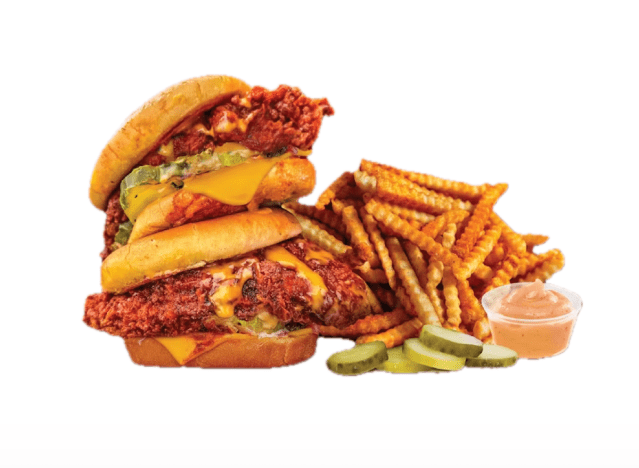
The expansion of this spicy trend has given rise to a new generation of chain restaurants, each contributing its unique interpretation to the hot chicken phenomenon. Howlin’ Ray’s, originally a food truck that quickly evolved into a brick-and-mortar sensation, particularly in Los Angeles, has cultivated a fervent fan base due to its unwavering commitment to delivering an exceptionally potent spicy chicken experience. The establishment is renowned for its formidable heat levels, with offerings so intense that many patrons find themselves challenged even at the "hot" setting, let alone the "extra hot" options. Despite the searing spice, reviewers consistently praise the remarkable balance of flavor that underpins the heat, highlighting the juiciness of the chicken and the impeccable execution of each dish, such as their popular chicken sandwich. The brand has successfully translated the authentic Nashville spirit to the West Coast, creating a cult following eager to brave the formidable spice for a taste of their meticulously prepared poultry.
Another prominent player in the escalating spicy chicken market is Dave’s Hot Chicken. This rapidly expanding chain has capitalized on the demand for customizable heat, allowing guests to select their preferred level of piquancy. Its most extreme option, aptly named "Reaper," comes with an explicit disclaimer, underscoring the formidable intensity of the spice and the brand’s confidence in its fiery offerings. Beyond its core chicken pieces, Dave’s has also introduced innovative menu items, such as the Top-Loaded Spicy Buffalo Mac, which combines macaroni and cheese with fries, ranch dressing, spicy buffalo sauce, and Dave’s signature chicken bites, providing a multifaceted spicy experience that extends beyond traditional fried chicken. The chain’s rapid growth from a single pop-up stand to a multi-state franchise operation illustrates the immense market potential for well-executed, intensely spicy chicken.
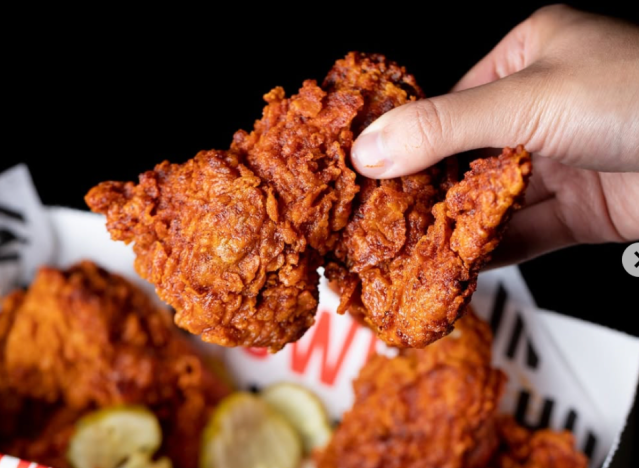
Similarly, Angry Chickz has carved out its niche by pushing the boundaries of heat, requiring customers to acknowledge a waiver before attempting its most scorching offerings. This theatrical approach to extreme spice has resonated with a segment of the market dedicated to seeking out the ultimate fiery challenge. Diners who embrace the intensity often commend the chicken for its exceptional crispness and the undeniable freshness of its preparation, confirming that even at its most aggressive spice levels, the quality of the food remains a top priority. The brand’s focus on delivering a truly potent experience, combined with its emphasis on taste and texture, ensures a memorable, albeit intensely spicy, meal for its patrons.
Beyond the distinct Nashville-style iterations, international chains have also joined the spicy chicken movement, adapting global flavors to cater to this growing demand. Jollibee, a prominent fast-food giant originating from the Philippines, offers its renowned Chickenjoy Fried Chicken in both classic and spicy variants. This global chain has successfully integrated a spicy option into its beloved menu, appealing to a broader palate. Demonstrating an agile approach to culinary trends, Jollibee frequently introduces limited-time offerings that incorporate diverse heat profiles. A notable example is its Saucy Korean BBQ flavor, featuring a hand-breaded, crispy, and juicy chicken breast fillet bathed in a sweet soy glaze, finished with a robust kick of heat. This innovative sandwich is typically garnished with fresh cilantro, red onion, and cucumber slices, all served on a toasted brioche bun, accompanied by fries and a beverage, showcasing a fusion of sweet, savory, and spicy elements that highlight the brand’s versatility.
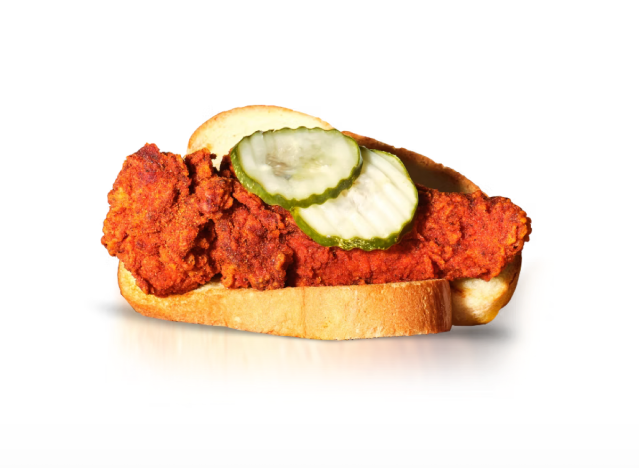
Even establishments like Starbird Chicken, which often emphasize higher quality ingredients and innovative preparations, have recognized the undeniable appeal of spicy chicken. Their menu includes offerings such as Nashville Hot Crispy Chicken Tenders and the Nashville Hotbird sandwich, both celebrated for their flavorful heat. Starbird has also made efforts to accommodate various dietary preferences, with many customers appreciating their gluten-free options, a detail often highlighted in reviews. The ability to pair the Tennessee hot chicken with a sweet element like honey mustard provides a complex sweet-and-spicy dynamic, further diversifying the flavor experience. The inclusion of unique beverage pairings, such as mango tea, further enhances the overall dining experience, making it a destination for those seeking both quality and spice.
The widespread adoption of spicy fried chicken across these diverse chains signifies more than just a passing food trend; it represents a significant evolution in American fast-casual dining. The appeal extends beyond the simple sensation of heat, encompassing a rich tapestry of flavors, textures, and cultural influences. From the historical authenticity of Prince’s to the global reach of Jollibee and the innovative approaches of newer entrants, each chain contributes to a vibrant and competitive market. As consumer preferences continue to lean towards bolder, more adventurous tastes, the spicy fried chicken segment is poised for continued innovation and expansion, cementing its place as a beloved and enduring staple in the nation’s culinary landscape.
About the Author