The carbonated soft drink (CSD) market continues to demonstrate remarkable dynamism, characterized by a persistent drive for innovation, a keen responsiveness to evolving consumer preferences, and a strategic balancing act between nostalgic appeal and cutting-edge wellness trends. As a new period of retail availability commences, several prominent and emerging beverage brands are introducing novel formulations and reinstating beloved selections, underscoring a multifaceted approach to engaging a diverse consumer base. These recent introductions reflect broader shifts in the food and beverage industry, where demand for unique taste profiles intersects with a growing emphasis on health-conscious options and functional ingredients.
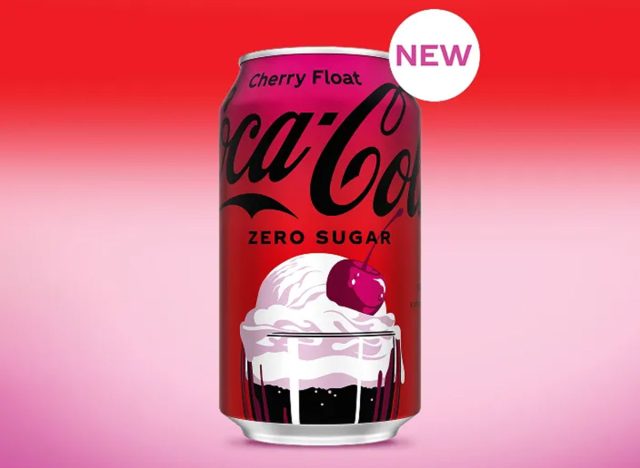
Among the most significant entries are two distinct offerings from The Coca-Cola Company, a global titan in the beverage sector, which continues to leverage its iconic brands through strategic flavor extensions. The first is Coca-Cola Cherry Float, a fresh interpretation within the highly successful Coca-Cola Cherry product family. This particular variant aims to evoke a sense of Americana and classic dessert indulgence by combining the familiar effervescence of Coca-Cola with a distinct cherry essence, further enhanced by a creamy, smooth vanilla undertone. The concept of a "float" traditionally involves a scoop of ice cream dissolving into a carbonated drink, creating a rich, frothy texture. By incorporating this flavor profile directly into the beverage, Coca-Cola seeks to deliver a convenient, ready-to-drink experience that harks back to popular soda fountain treats. The availability of both full-sugar and zero-sugar versions caters to a wide audience, acknowledging both those seeking the traditional sweetness and individuals managing caloric intake or sugar consumption. Initial public reception, as observed in various online forums, suggests that this blend resonates positively with consumers, with some remarking on its ability to capture the essence of earlier Cherry Coke iterations while offering a desirable creamy dimension. This launch exemplifies Coca-Cola’s strategy of continually refreshing its core brands with innovative twists, often tapping into sensory experiences that transcend mere taste to include texture and nostalgic sentiment.
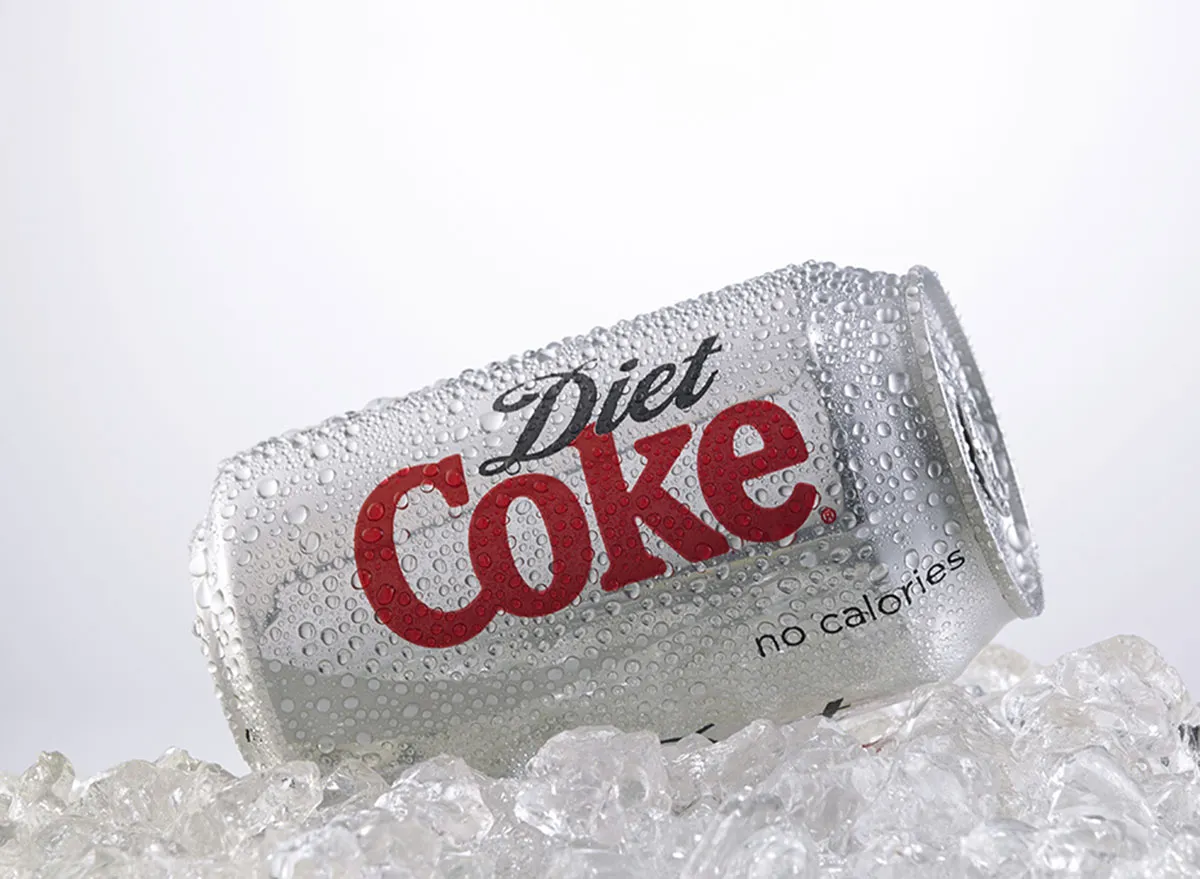
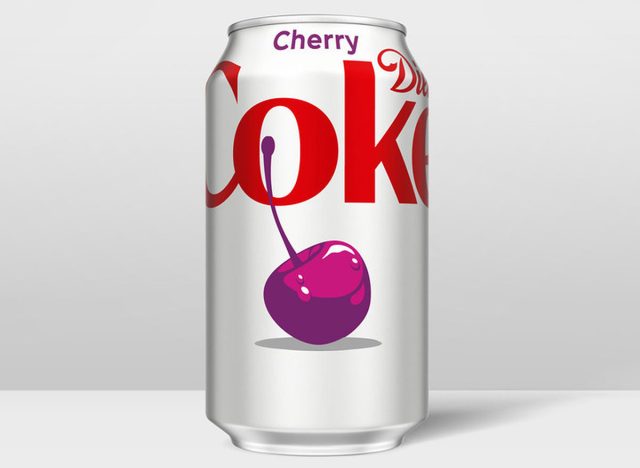
Concurrently, The Coca-Cola Company is also reintroducing Diet Coke Cherry, a product whose return has been highly anticipated by its dedicated followers. This re-release is a direct response to sustained consumer advocacy and market demand, highlighting the power of loyal fan bases in influencing corporate product decisions. The beverage retains its signature crisp Diet Coke base, now infused with a prominent cherry flavor, all while maintaining its zero-sugar and zero-calorie attributes. This offering is designed to be easily accessible, distributed in common retail formats such as 12-ounce 12-pack cans and 20-ounce bottles. Notably, the packaging has been updated to align with contemporary Diet Coke branding, featuring distinctive cherry motifs. While this modernization ensures visual consistency with the broader Diet Coke portfolio, it also marks a departure from any previous retro-themed packaging that might have accompanied its earlier runs. Such design choices reflect a brand’s ongoing effort to balance heritage with a forward-looking aesthetic, a decision that often sparks discussion among consumers who appreciate historical branding.
Beyond the established giants, the beverage landscape is also being significantly shaped by the emergence and expansion of brands focused on functional benefits. SkyPop, a brand specializing in protein-enhanced carbonated drinks, is making a substantial leap by expanding its distribution nationwide. This strategic move brings its unique product line, including the distinctive Strawberry Cotton Candy flavor, to a much wider consumer base through major retail chains such as Walmart and Kroger. SkyPop positions itself not merely as a soda alternative but as a dietary supplement integrated into a refreshing format. Each serving delivers 10 grams of complete whey protein, an essential macronutrient recognized for its role in muscle repair, satiety, and overall physiological support. The brand’s messaging emphasizes themes of "everyday vitality" and "confidence," framing its products as tools to support an active lifestyle and mindful dietary choices. This expansion signifies a broader trend where consumers are increasingly seeking beverages that offer more than just hydration or taste, opting for added nutritional value that aligns with their wellness goals.
Similarly, Slice Soda, a brand with a legacy that spans decades but has recently been re-imagined with a health-conscious focus, is introducing two new flavors: Pacific Pop and Apple. These additions underscore the brand’s commitment to healthier formulations, distinguishing themselves by eliminating high-fructose corn syrup, a sweetener often scrutinized by health-aware consumers. Furthermore, Slice Soda incorporates a sophisticated blend of prebiotics, probiotics, and postbiotics—ingredients increasingly recognized for their contributions to gut health. Prebiotics act as nourishment for beneficial gut bacteria, probiotics introduce live beneficial microorganisms, and postbiotics are the beneficial compounds produced by these microorganisms. Together, they aim to support a balanced digestive system, aligning with the growing scientific and popular interest in the gut microbiome’s impact on overall well-being. The Pacific Pop flavor, in particular, has garnered attention for its resemblance to a popular tropical-citrus beverage from a competing brand, indicating that health-focused alternatives can successfully mimic beloved conventional tastes. Consumer feedback suggests that Slice has effectively captured a desired flavor profile while delivering on its promise of a more beneficial ingredient list, appealing to those who have curtailed traditional soda consumption but still desire a flavorful, sparkling option.
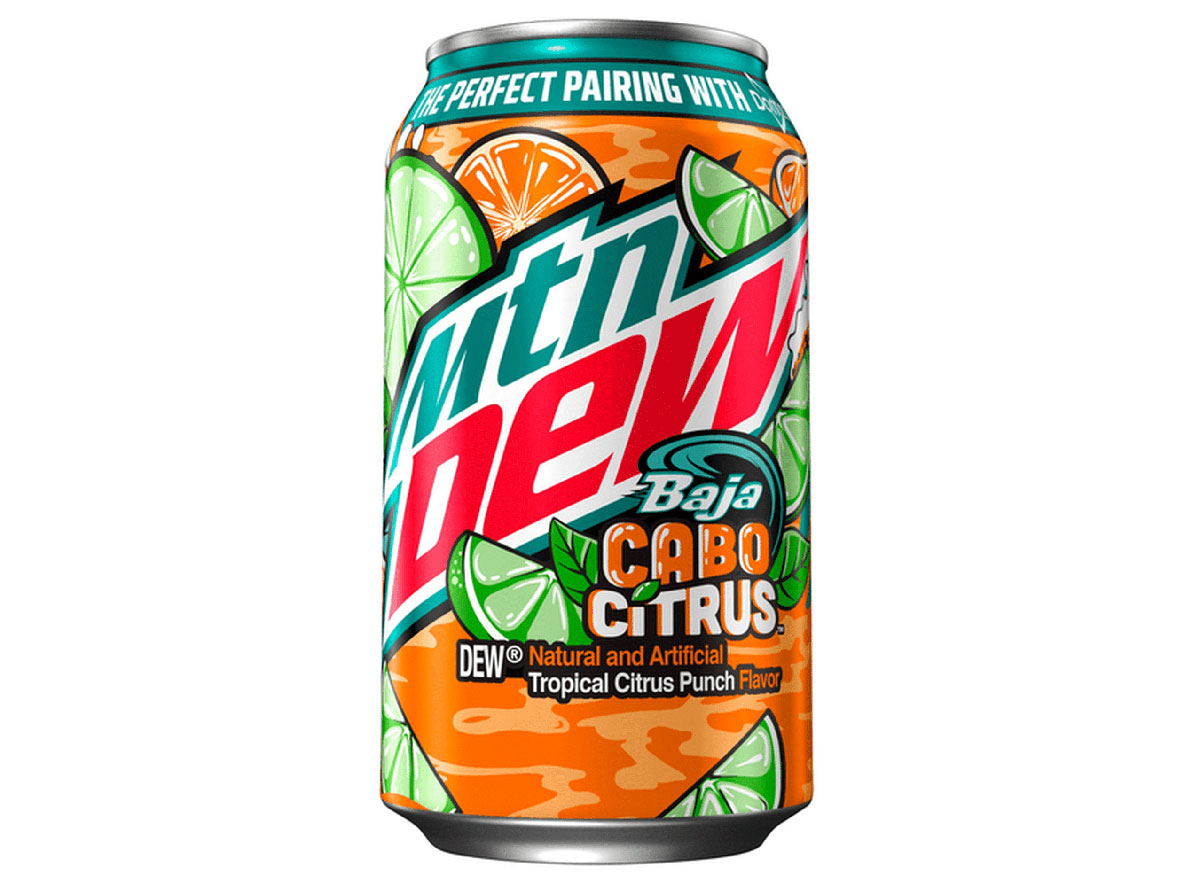
Another significant development comes from Mountain Dew, which is integrating its Baja Cabo Citrus flavor into its permanent product portfolio. This transition follows a successful limited-time run, illustrating a common industry practice where popular seasonal or experimental flavors are elevated to staple status based on consumer acceptance and sales performance. The Baja series itself is a highly recognizable and popular sub-brand for Mountain Dew, known for its vibrant, often tropical-inspired citrus profiles. Baja Cabo Citrus offers a distinctly orange-forward citrus taste, which has been well-received by enthusiasts. Crucially, this permanent rollout also highlights a broader industry shift towards cleaner labels and more natural ingredient sourcing. It has been observed that the formulation of Baja Cabo Citrus now utilizes fruit and vegetable juice concentrates for coloring, a departure from the artificial dyes (such as Yellow 6, Red 40, and Yellow 5) present in earlier versions. This change reflects a growing consumer demand for products perceived as more natural and free from artificial additives, prompting manufacturers to reformulate and adapt their production processes. Such ingredient transparency and natural colorants are increasingly becoming competitive differentiators in the beverage sector.
In aggregate, these recent product launches paint a comprehensive picture of the contemporary beverage market. They showcase a dual strategy: on one hand, legacy brands like Coca-Cola and Mountain Dew are leveraging their established recognition to introduce innovative flavor extensions and respond to consumer demand for returning favorites, often infusing these with elements of nostalgia or refined taste experiences. On the other hand, challenger brands like SkyPop and the re-envisioned Slice Soda are carving out significant market niches by focusing on functional health benefits, such as protein enrichment and gut-supportive ingredients, appealing to a demographic increasingly prioritizing wellness alongside taste. The collective emphasis on diverse flavor profiles, zero-sugar options, and natural ingredients underscores a dynamic and evolving industry that is meticulously attuned to the changing preferences and priorities of the modern consumer, signaling a future where beverages are expected to deliver more than just simple refreshment.
About the Author