The research, a collaborative endeavor between esteemed institutions like UVA Health and Mount Sinai, has identified a specific endogenous substance released by compromised kidneys that acts as a direct toxin to cardiac tissue. This discovery moves beyond the well-established correlation between CKD and cardiovascular disease, which has been complicated by shared risk factors such as hypertension, diabetes, and obesity, making it challenging to isolate the kidney’s independent contribution to cardiac deterioration. The findings suggest that rather than merely being a passive bystander or a consequence of systemic ill health, the diseased kidney plays an active and detrimental role in precipitating cardiac dysfunction and failure.
Chronic kidney disease is a formidable public health challenge, affecting an estimated 35 million people in the United States alone, representing more than one in every seven Americans. Its prevalence is particularly striking among individuals managing other chronic conditions; approximately one-third of patients diagnosed with diabetes and one-fifth of those with high blood pressure also exhibit signs of kidney impairment. This overlap underscores the intricate interdependencies within the body’s organ systems and highlights the complex web of factors that contribute to disease progression. For decades, clinicians have observed a strong association between the severity of kidney damage and the likelihood of experiencing adverse cardiac events. However, the exact nature of this connection remained elusive, shrouded in the complexities of shared comorbidities.
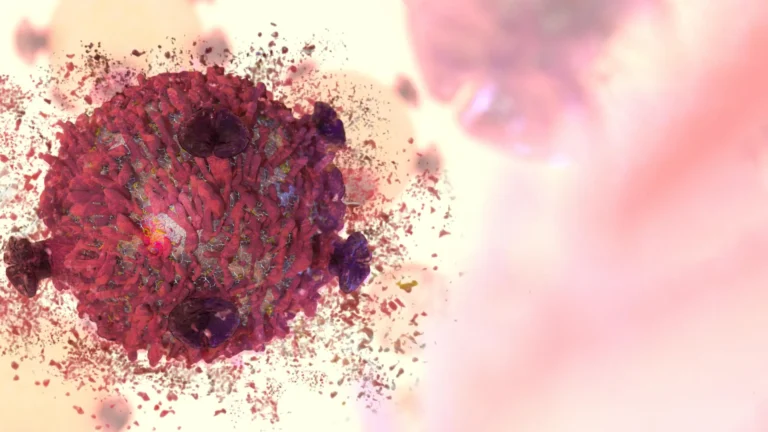
The scientific breakthrough centers on the identification of a specific type of cellular byproduct: circulating extracellular vesicles (EVs). These minuscule particles, ubiquitous in biological systems, are secreted by nearly all cell types and typically function as sophisticated intercellular communicators. They ferry a diverse cargo of proteins, lipids, and genetic material, facilitating communication and coordination between distant cells and tissues. However, in the context of chronic kidney disease, these normally benign vesicles undergo a sinister transformation. The diseased renal cells, when functioning suboptimally, release EVs that are laden with specific microRNAs (miRNAs). These miRNAs, a class of small, non-coding RNA molecules, are not involved in protein synthesis but play crucial regulatory roles in cellular processes. The research unequivocally demonstrates that the particular miRNAs transported by these kidney-derived EVs possess potent cardiotoxic properties, directly damaging the delicate cellular architecture of the heart.
Experimental evidence from laboratory models provides compelling support for this mechanism. In studies involving mice with induced kidney damage, researchers were able to mitigate the release and circulation of these harmful EVs. The outcome was a significant and measurable improvement in cardiac function, accompanied by a marked reduction in the indicators of heart failure. Furthermore, the team analyzed blood plasma samples collected from both individuals diagnosed with CKD and healthy control subjects. The results were stark: elevated levels of these pathogenic EVs were consistently detected in the blood of CKD patients, while they were virtually absent in the healthy cohort, reinforcing the direct link between renal pathology and the presence of these cardiac toxins.
This revelation offers a paradigm shift in understanding the intricate dialogue between the kidneys and the heart. It confirms that these vital organs do not operate in isolation but engage in a dynamic and, in this case, destructive communication pathway. The EVs released by the diseased kidney act as toxic messengers, traversing the bloodstream and delivering their harmful payload directly to the heart muscle. While this research represents a significant leap forward in comprehending this complex interaction, scientists acknowledge that the full spectrum of this communication network is still being unraveled.
The implications of these findings are profound and far-reaching, particularly in the realm of clinical practice. The identification of these circulating EVs as a specific marker of kidney-induced cardiac risk opens up the tantalizing possibility of developing novel diagnostic tools. A blood test designed to detect and quantify these detrimental vesicles could serve as a powerful predictive biomarker, enabling clinicians to identify CKD patients who are at the highest risk of developing severe heart problems much earlier in the disease trajectory. This early risk stratification is paramount, as it allows for proactive management and the implementation of preventative measures before irreversible cardiac damage occurs.
Beyond diagnostics, this research paves the way for the development of entirely new therapeutic interventions. Strategies could be devised to specifically target and neutralize these circulating EVs, effectively interrupting the toxic signaling pathway between the kidneys and the heart. Such therapies might involve blocking the production of these harmful vesicles, enhancing their clearance from the bloodstream, or neutralizing the toxic miRNAs they carry. The goal would be to directly mitigate the damaging effects of the kidneys on the heart, thereby slowing or even preventing the progression of cardiovascular disease in CKD patients.
The research team expresses a strong sense of optimism regarding the potential to transform patient care. Their aspiration is to translate these fundamental discoveries into tangible clinical benefits, leading to the creation of innovative biomarkers and treatment options specifically tailored for kidney patients at heightened risk for cardiac ailments. This pursuit aligns with the broader movement towards precision medicine, where therapeutic approaches are individualized to meet the unique needs of each patient. By understanding the precise molecular mechanisms at play, clinicians can ensure that CKD and heart failure patients receive the most effective and targeted treatments available.
To further accelerate progress in this rapidly evolving field of extracellular vesicle research, Dr. Uta Erdbrügger, a lead researcher on the study, is actively fostering a collaborative research environment. She is organizing specialized workshops aimed at equipping scientists with the practical skills and knowledge necessary to explore the multifaceted roles of EVs in health and disease. These educational initiatives are crucial for nurturing the next generation of researchers and fostering innovation in this critical area of biomedical science.
The overarching mission of institutions like UVA’s new Paul and Diane Manning Institute of Biotechnology is to bridge the gap between fundamental scientific discoveries made in the laboratory and their translation into life-saving therapies for patients. This study exemplifies the kind of groundbreaking research that the institute is designed to champion, aiming to expedite the journey from bench to bedside and bring novel treatments to those who need them most.
The comprehensive findings of this pivotal study have been formally published in the esteemed scientific journal Circulation. This publication ensures that the research is accessible to the global scientific community, fostering further investigation and collaboration. The open-access nature of the article means that its insights are freely available to researchers, clinicians, and interested individuals worldwide, democratizing access to critical scientific knowledge. The extensive list of contributing scientists underscores the collaborative nature of modern scientific inquiry, with individuals from various disciplines and institutions pooling their expertise to achieve this significant breakthrough. The researchers have reported no financial conflicts of interest, lending further credibility to their findings. This endeavor was generously supported by grants from the National Institutes of Health, providing essential funding for the complex and rigorous research undertaken.
About the Author